Summary
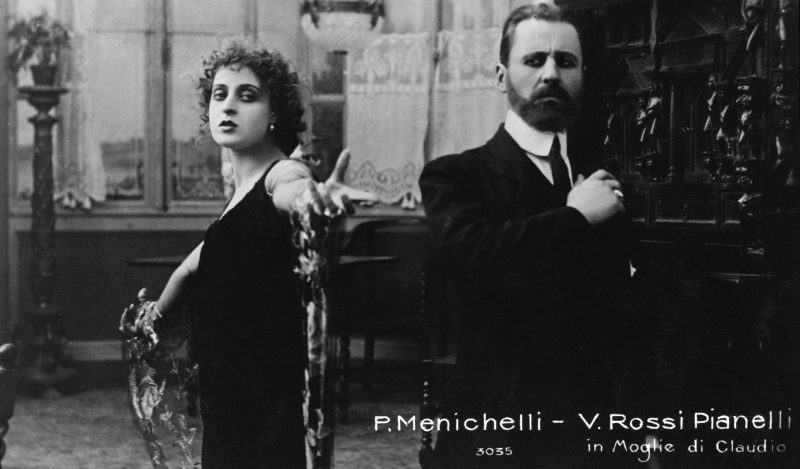
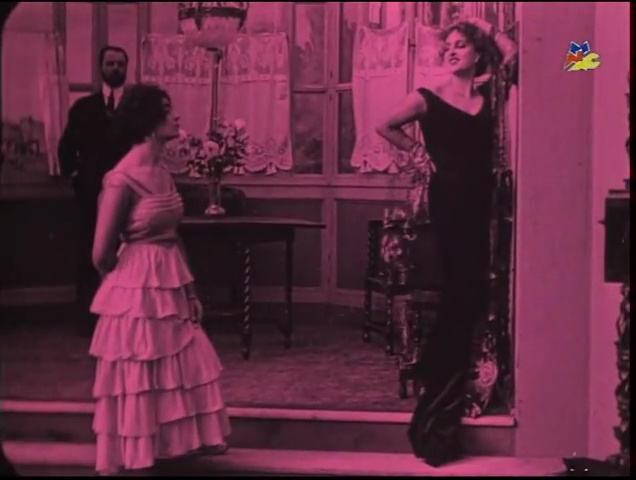
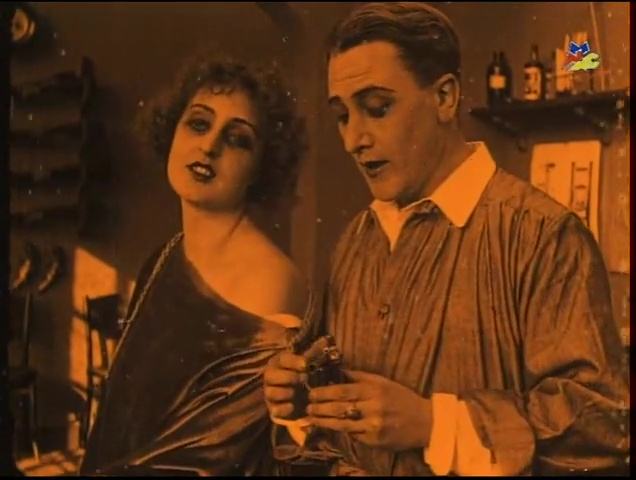
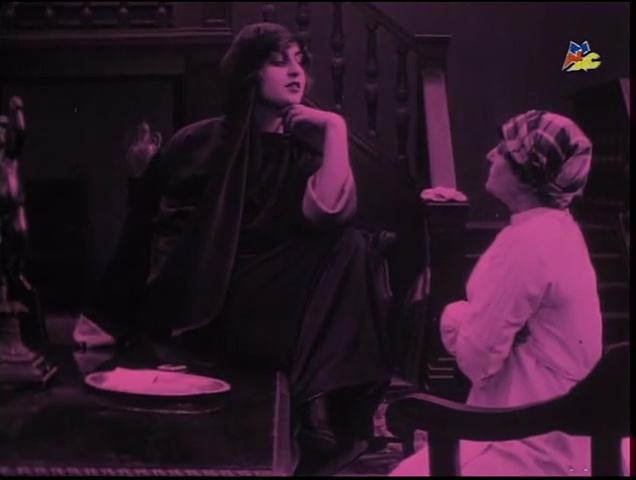
Within the opulent yet emotionally barren confines of early 20th-century Rome, "La moglie di Claudio" unfurls the poignant saga of Isabella, a woman of profound artistic temperament and fervent desires, whose spirit languishes under the weight of a respectable but passionless marriage to Claudio, a distinguished, if emotionally aloof, intellectual. Her soul, a vibrant tapestry of unexpressed yearning, finds an unexpected conduit in Giorgio, a charismatic bohemian artist whose very presence awakens a dormant sensuality within her. Their clandestine liaison, a dangerous ballet danced amidst the city's vibrant artistic demi-monde, rapidly transmutes from fleeting infatuation into an all-consuming passion, defying the rigid societal strictures that govern Isabella's existence. Inevitably, the searing flame of their illicit love casts an unforgiving shadow upon Claudio's meticulously curated world. The discovery of their affair ignites a maelstrom of scandal, brutally lacerating Isabella's fragile social standing and precipitating a harrowing confrontation with the era's unforgiving moral arbiters. Claudio, his pride wounded but his pragmatism intact, endeavors to salvage his shattered reputation, while Isabella finds herself agonizingly torn between her incandescent devotion to Giorgio and the devastating repercussions that threaten to engulf all involved. The narrative crescendos into a profound meditation on sacrifice, societal condemnation, and the inexorable march of fate, culminating in a climactic denouement that irrevocably reshapes the destinies of the central trio, etching an indelible imprint upon their very souls and the cinematic landscape itself.
Review Excerpt
"
La moglie di Claudio: A Symphony of Silent Passions
In the grand tapestry of silent cinema, where emotions were writ large across the screen and human drama unfolded with an almost operatic intensity, certain films stand as towering monuments to the era's unique storytelling prowess. Dante Signorini's La moglie di Claudio (Claudio's Wife), a cinematic adaptation of Alexandre Dumas fils' enduring play, emerges as precisely such a work. It is not merely a film; it is a meticulously crafte..."