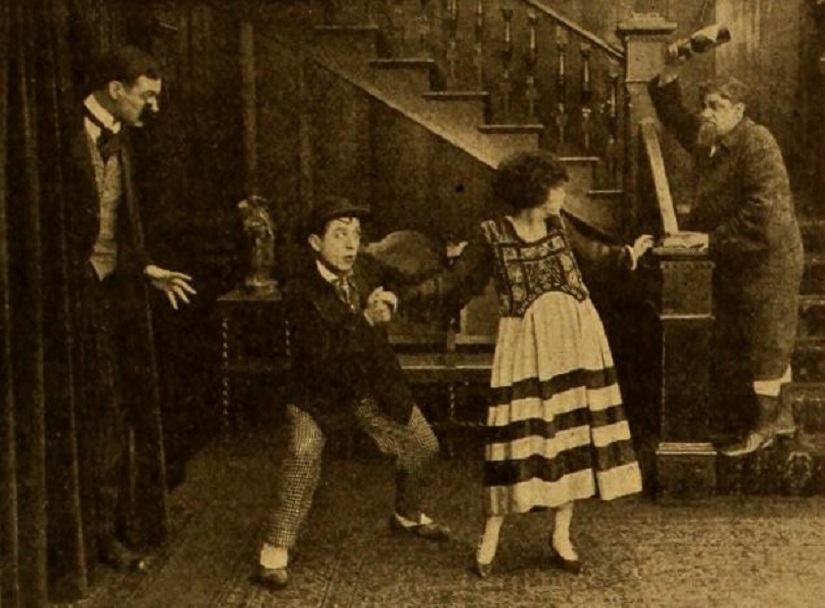
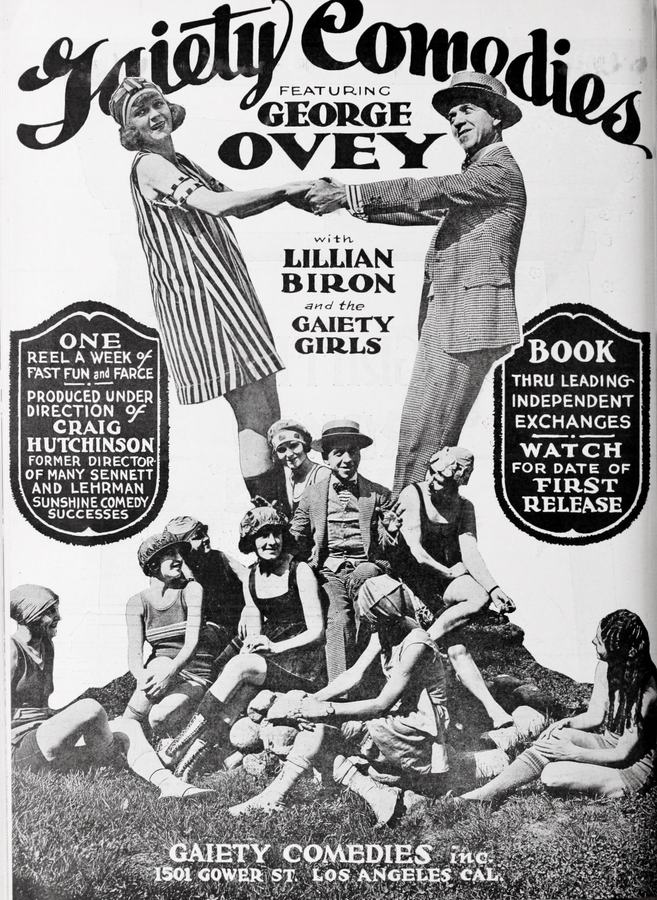
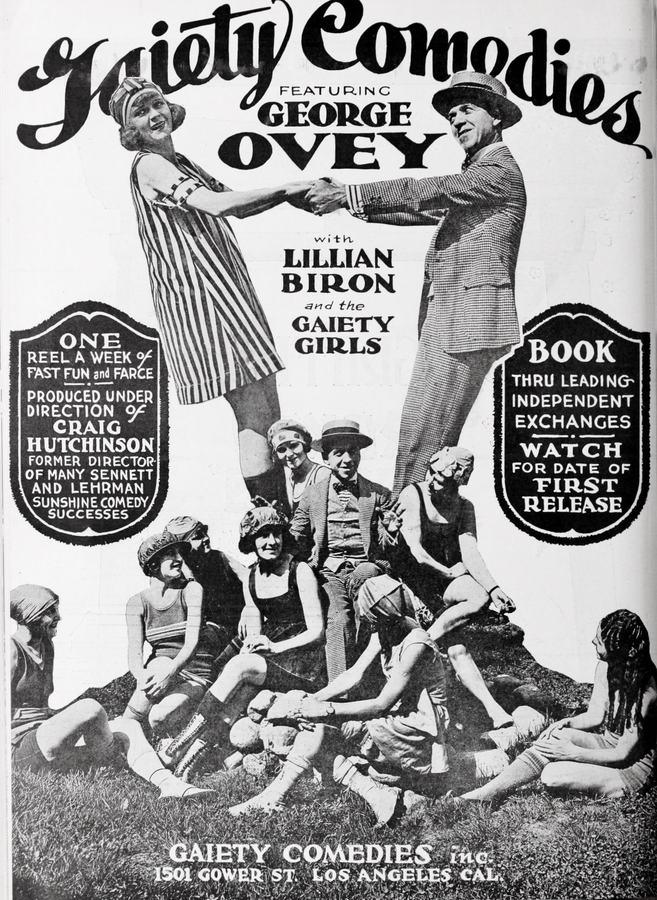
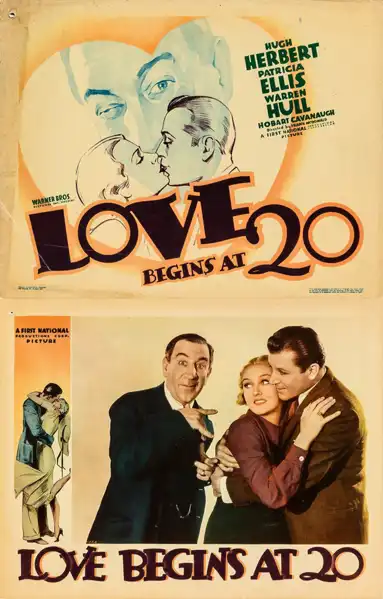
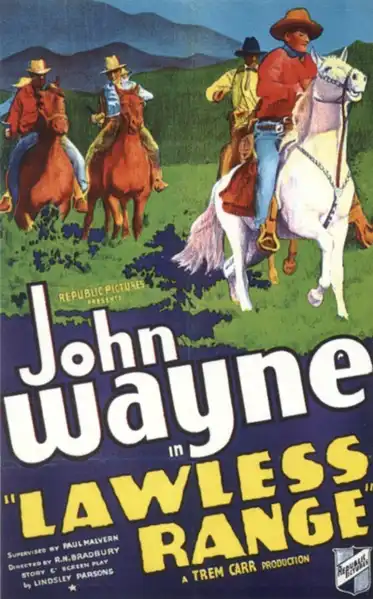
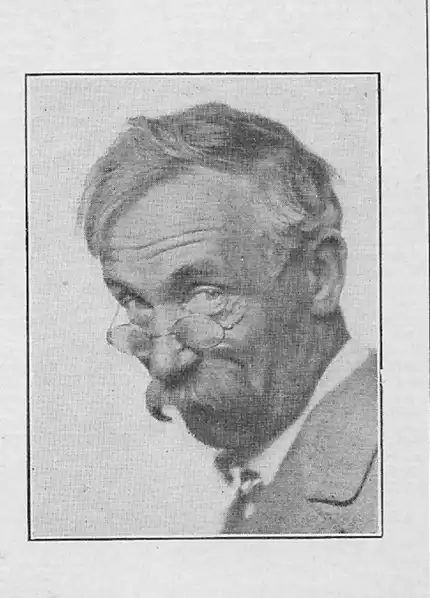
George has an opportunity to show his skill as a burlesque dancer who is hired as a "hoofer" through his ability to interpret the classical as well as the modern steps..
Scott Darling
United States
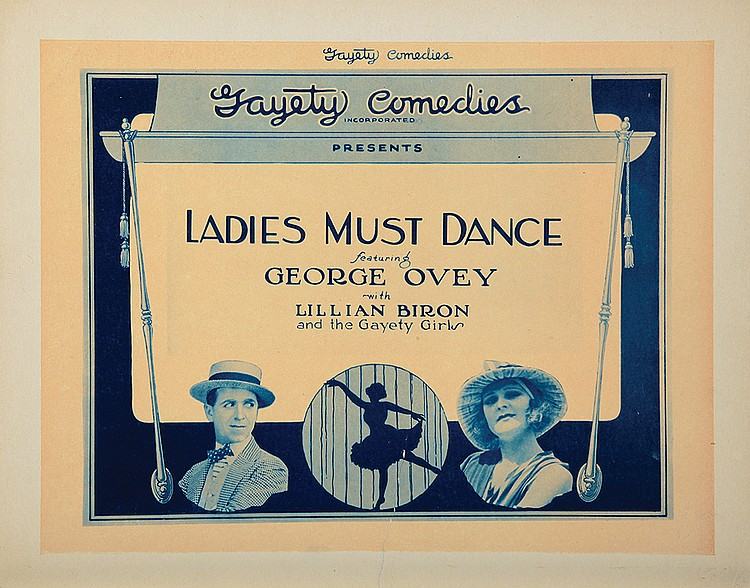
The first thing that strikes you is the shimmer of contradiction: a man’s torso cut like a Greek kouros but poured into moth-eaten satin, tapping out Giselle’s mad scene on a beer-slicked floor. Ladies Must Dance—now resurrected from the archives under its jaunty, slightly desperate title—survives only in a 65-minute...

Comparing the cinematic DNA and archive impact of two defining moments in cult history.
James H. Clemens
Unknown Director
Community
Log in to comment.
" The first thing that strikes you is the shimmer of contradiction: a man’s torso cut like a Greek kouros but poured into moth-eaten satin, tapping out Giselle’s mad scene on a beer-slicked floor. Ladies Must Dance—now resurrected from the archives under its jaunty, slightly desperate title—survives only in a 65-minute condensation, yet the emulsion still secretes heat. The plot, gossamer-thin on paper, becomes in motion a palimpsest where burlesque’s bawdy wink and ballet’s ascetic line keep bl..."

Deep dive into the cult classic
Discover similar cinematic experiences
A Directorial Spotlight on James H. Clemens