France
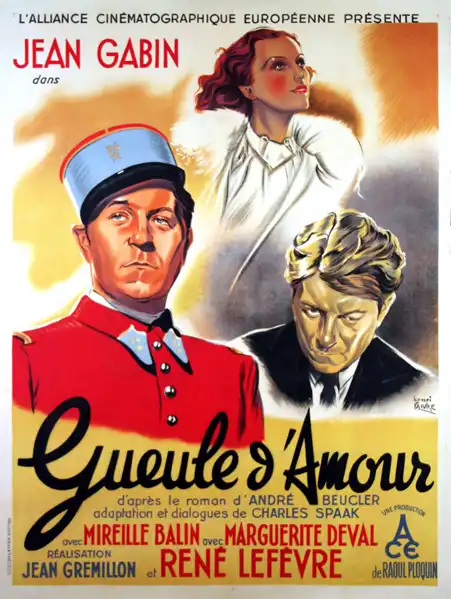
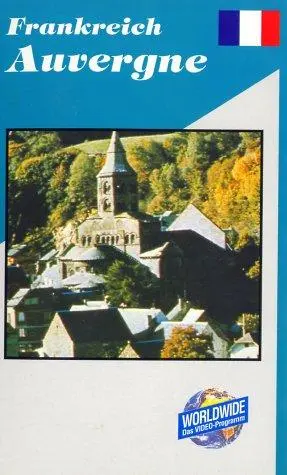
Is Jean Grémillon's 1938 documentary short L'Auvergne worth watching today? Short answer: yes, but only if you view cinema as a window into the soul of a landscape rather than a vehicle for plot. This film is specifically for historians of French cinema, fans of poetic realism, and those who find beauty in the quiet o...
product
Comparing the cinematic DNA and archive impact of two defining moments in cult history.
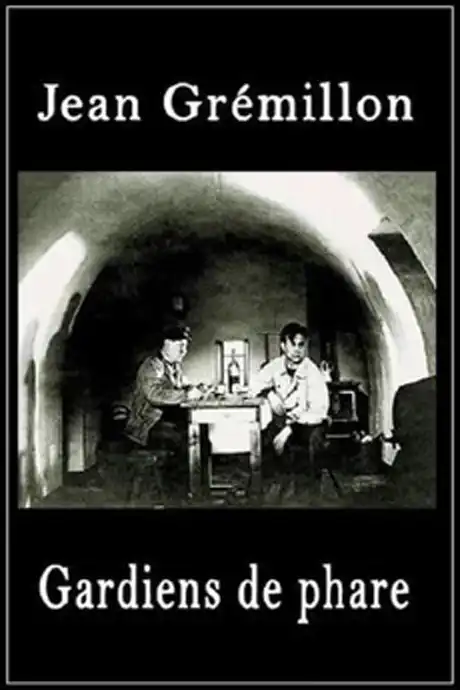
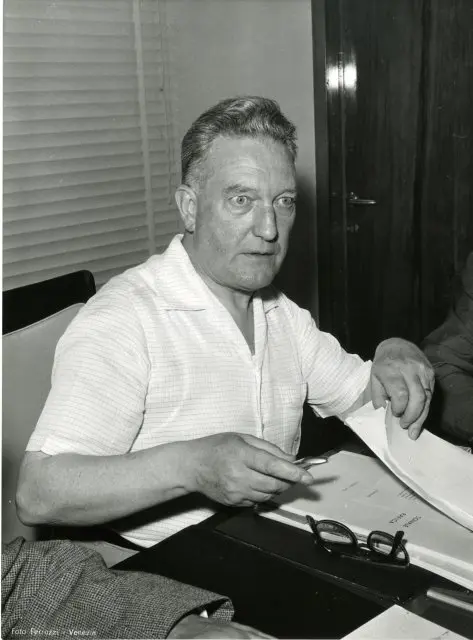
Jean Grémillon
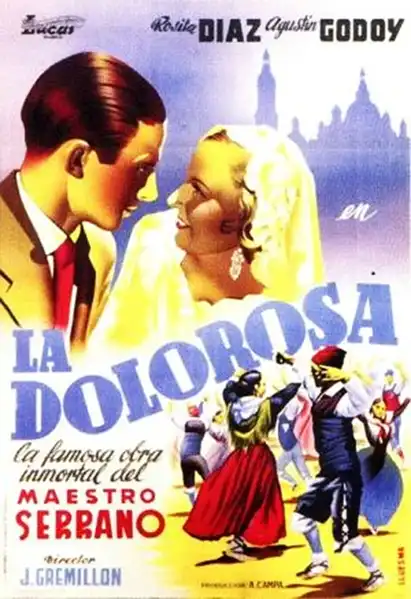
Jean Grémillon
Community
Log in to comment.
"Is Jean Grémillon's 1938 documentary short L'Auvergne worth watching today? Short answer: yes, but only if you view cinema as a window into the soul of a landscape rather than a vehicle for plot. This film is specifically for historians of French cinema, fans of poetic realism, and those who find beauty in the quiet observation of rural life. It is absolutely NOT for anyone seeking a fast-paced narrative, modern high-definition thrills, or a traditional 'travel vlog' experience. It is slow. It ..."