DbcultAccessing Vault...
6.6/10
Senior Film Conservator
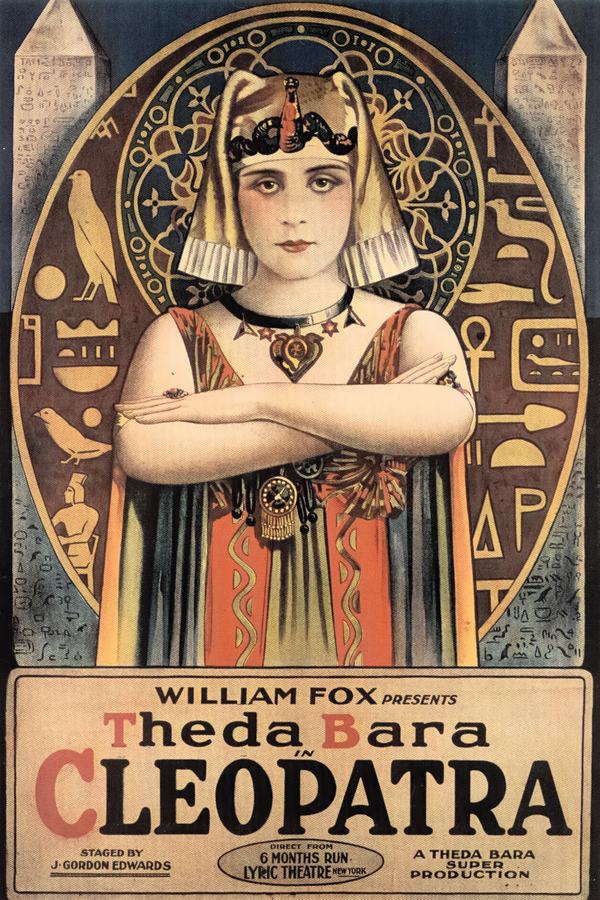
A definitive 6.6/10 rating for a film that redefined the boundaries of cult cinema. Cleopatra remains a cornerstone of transgressive art.
Step back in time, all you connoisseurs of classic cinema and aficionados of forgotten epics, to an era when the silver screen was still finding its voice, yet spoke volumes through gesture, expression, and sheer visual audacity. Today, we’re unearthing the spectral grandeur of a film that, in its prime, set box offices ablaze and cemented the legend of its star, only to vanish almost entirely into the mists of time: J. Gordon Edwards’ 1917 rendition of Cleopatra. This isn't just a film; it's a cinematic phantom, a tantalizing whisper from a bygone age, starring the inimitable Theda Bara, the original 'vamp,' whose very name conjured images of exotic seduction and dangerous allure.
To discuss Cleopatra without immediately venerating Theda Bara would be an egregious oversight, akin to reviewing a rock concert and forgetting the lead singer. Bara, born Theodosia Burr Goodman, was a fabrication of Fox Film Corporation, a marketing marvel designed to capitalize on the public's fascination with the exotic and the forbidden. Her carefully curated persona—mysterious, seductive, and vaguely dangerous—found its ultimate expression in the role of Egypt's last pharaoh. The promotional materials for Cleopatra were nothing short of sensational, promising a spectacle of sensuality that pushed the boundaries of contemporary decency. Bara's Cleopatra was not merely a historical figure; she was an archetype, a living embodiment of the 'vamp' who ensnared powerful men in her web of desire and ambition. Her performance, even in the surviving fragments and stills, radiates a hypnotic intensity, a theatricality perfectly suited to the grand scale of silent melodrama.
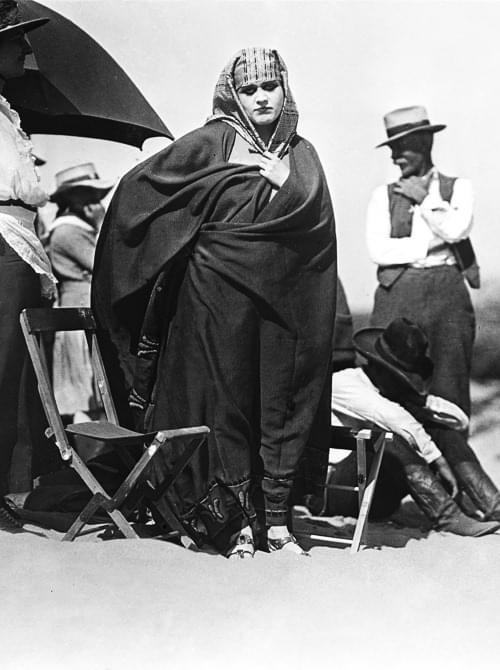
Her portrayal of Cleopatra was less about historical accuracy and more about capturing the essence of a woman who wielded power through her magnetic presence. With heavily kohled eyes, elaborate costumes (some famously revealing for the era, sparking moral outrage and drawing crowds), and a serpentine grace, Bara commanded the screen. She embodied the 'fatal woman' trope with an almost primal force, making it utterly believable that two of Rome's greatest generals, Julius Caesar (played by Thurston Hall) and Mark Antony (portrayed by Fritz Leiber), would succumb to her charms, sacrificing empire for her embrace. This wasn't merely acting; it was a cultural phenomenon, forever linking Bara with the image of the seductive, cunning queen.
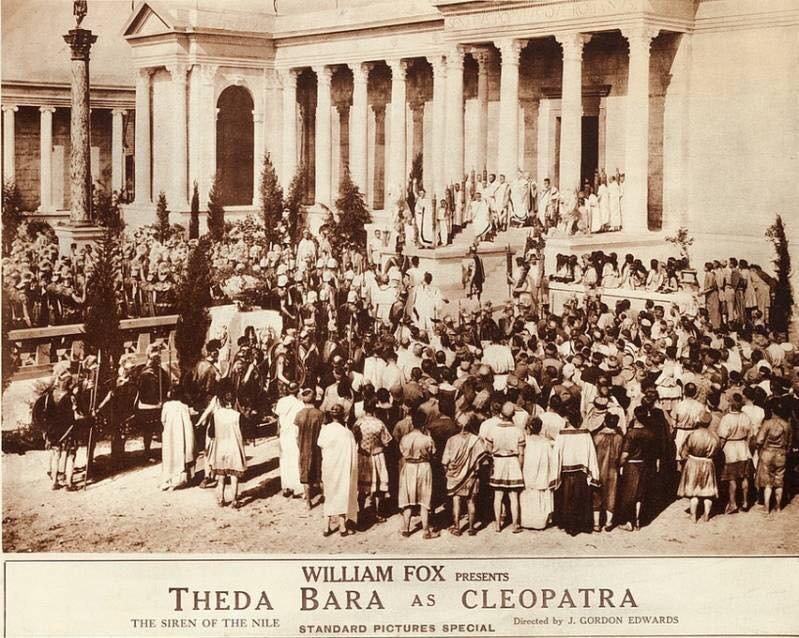
The 1917 Cleopatra was, by all accounts, a production of monumental ambition for its time. Directed by J. Gordon Edwards, it sought to recreate the splendor and decadence of ancient Egypt and Rome with a lavishness that would rival any modern epic. Though only tantalizing fragments and still photographs remain, these glimpses reveal an astonishing attention to detail in set design and costuming. Imagine the sprawling sets depicting Cleopatra's palace, the opulent barges gliding down the Nile, and the bustling streets of ancient Alexandria and Rome. The film reportedly utilized thousands of extras, particularly in the battle sequences and crowd scenes, striving for an immersive historical tableau. The sheer scale was a significant talking point, a testament to the burgeoning capabilities of the nascent film industry. This commitment to visual spectacle was crucial in silent cinema, where narrative often relied heavily on the grandeur of its presentation to captivate audiences without dialogue.
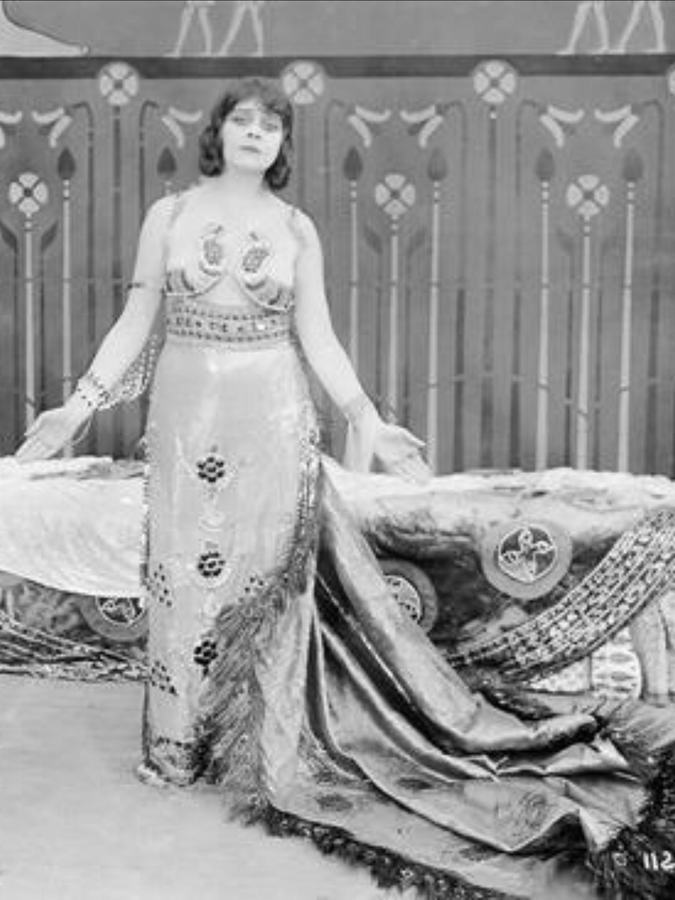
The screenplays, penned by Adrian Johnson, were based on a rich tapestry of literary sources: Victorien Sardou's play Cléopâtre, Émile Moreau's dramatic interpretation, and H. Rider Haggard's historical novel Cleopatra. This multi-layered literary foundation provided a compelling narrative framework, blending historical events with dramatic license to create a story that was both epic and intimately personal. The writers skillfully crafted a plot that highlighted Cleopatra's political acumen as much as her romantic entanglements, portraying her as a sovereign fighting for her kingdom's survival against the encroaching might of Rome. The film, therefore, wasn't just a love story; it was a geopolitical drama, a clash of civilizations played out through the lives of its powerful protagonists. The collaboration between these diverse literary minds undoubtedly contributed to the film's complex portrayal of its titular character, elevating her beyond a mere temptress to a figure of formidable intelligence and strategic insight.
The plot itself, as remembered and pieced together from various accounts, unfolds with a dramatic sweep. We are introduced to Cleopatra as a monarch under threat, her power precarious amidst the machinations of her siblings and the looming shadow of Rome. Her legendary encounter with Julius Caesar, famously smuggled into his quarters in a rug, is depicted as a pivotal moment, not merely of personal attraction but of political alliance. Their romance, while passionate, is framed within the context of strategic necessity, with Cleopatra leveraging Caesar's power to secure her throne. Thurston Hall's portrayal of Caesar, though overshadowed by Bara's magnetism, reportedly conveyed the Roman general's shrewdness and eventual vulnerability to the Egyptian queen's charm. The film then meticulously chronicles their shared reign and the birth of their son, Caesarion, before Caesar's assassination plunges Cleopatra back into political uncertainty.
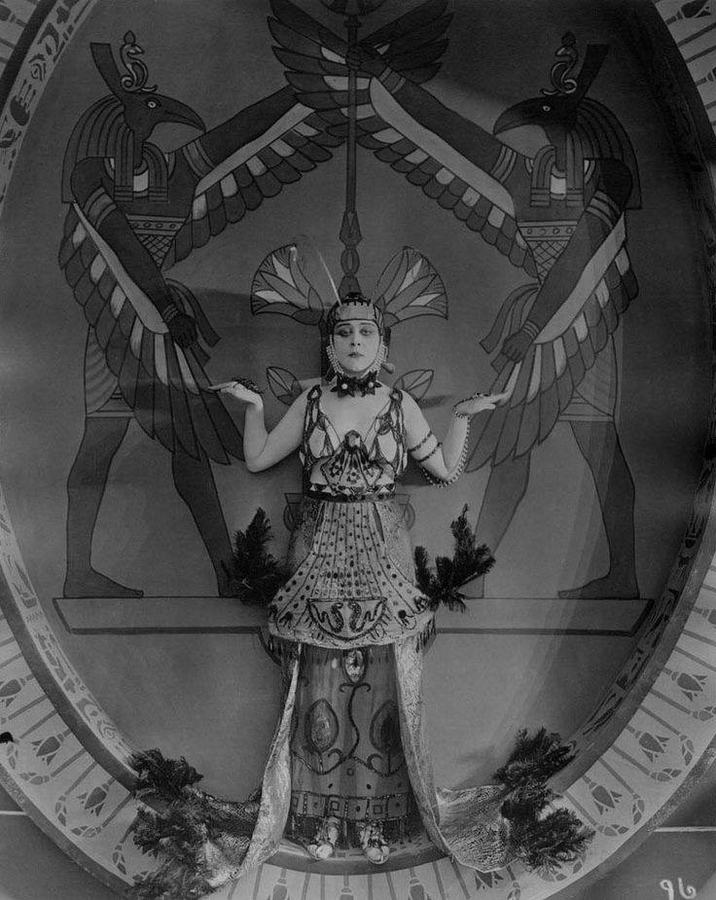
The subsequent arrival of Mark Antony, played by Fritz Leiber, ushers in a new chapter of intense romance and ultimate tragedy. The film captures the essence of their legendary affair, depicting it as a whirlwind of shared pleasures and military campaigns. Antony, initially depicted as a formidable Roman general, gradually succumbs to Cleopatra's influence, leading to a fateful alignment of their destinies against the rising power of Octavian. Leiber's performance, by contemporary accounts, brought a certain gravitas and pathos to Antony's character, highlighting his internal struggle between duty to Rome and devotion to Cleopatra. The film's climax, with the Battle of Actium and the subsequent suicides of Antony and Cleopatra, is rendered with a tragic inevitability, emphasizing the destructive power of love intertwined with imperial ambition. The final scenes, culminating in Cleopatra's defiant death by asp, cemented her image as a queen who chose sovereignty in death over humiliation in defeat.
Silent film acting was a unique art form, relying heavily on exaggerated gestures, facial expressions, and body language to convey emotion and narrative. Theda Bara, a master of this craft, brought a theatrical flair to Cleopatra that resonated deeply with audiences. Her eyes, often described as 'hypnotic,' were central to her performance, conveying a spectrum of emotions from cunning calculation to passionate despair. The supporting cast, including Alan Roscoe, Hector V. Sarno, Herschel Mayall, Art Acord, Edith Emmons, Genevieve Blinn, Delle Duncan, Dorothy Drake, and Henri De Vries, contributed to the film's dramatic tapestry, each playing their part in the grand historical narrative. While Bara dominated the screen, the collective efforts of the ensemble cast, under Edwards' direction, created a rich and believable ancient world.
Theda Bara’s turn as Cleopatra was more than just a role; it became the definitive portrayal of the 'vamp' on screen for a generation, influencing countless actresses and solidifying her status as a sex symbol and cultural icon. Her allure transcended the film itself, creating a public persona that blurred the lines between actress and character. This film, alongside others like The Love Tyrant which might have explored similar themes of powerful, perhaps manipulative, female figures, showcased a growing fascination with complex women on screen. Bara's Cleopatra, however, stood alone in its sheer audacity and scale, proving that silent cinema could deliver epic historical dramas with compelling central performances. Her legacy is one of groundbreaking stardom, a testament to the power of persona and the enduring appeal of the exotic.
Perhaps the most poignant aspect of the 1917 Cleopatra is its status as a lost film. Like so many cinematic treasures from the silent era, it fell victim to the inherent fragility of nitrate film stock, which was highly flammable and prone to decay. A significant portion of film history, particularly from this period, has been irrevocably lost due to negligence, accidents, and the deliberate destruction of prints to reclaim silver or simply to save storage space. The original negatives of Cleopatra were destroyed in a vault fire at Fox Film Corporation in 1937, and the last known print was lost in a similar fire at the Museum of Modern Art in the 1950s. This catastrophic loss means that modern audiences can only glimpse its former glory through surviving stills, promotional materials, and fragmented sequences. It's a profound tragedy for film historians and enthusiasts, denying us the opportunity to fully appreciate Theda Bara's most iconic performance and a monumental achievement in early cinema.
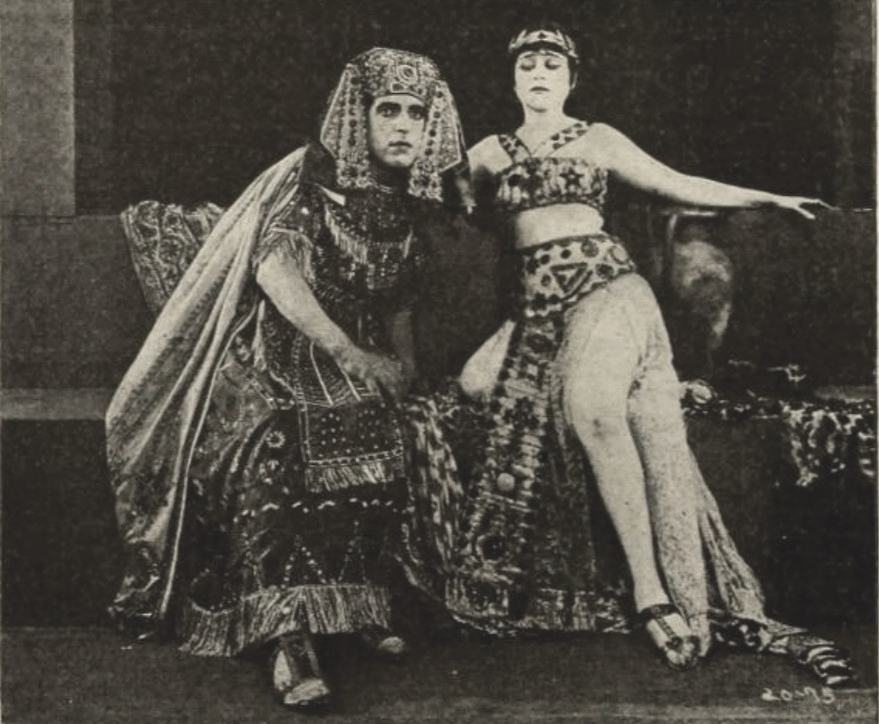
The disappearance of such a significant work underscores the importance of film preservation efforts. Imagine the insights we could gain into silent film acting, early production techniques, and the cultural mores of the time if this film were still complete. It reminds us that cinema, despite its seemingly ephemeral nature, holds invaluable historical and artistic weight. Other films of the era, such as The Unpardonable Sin, faced similar threats, making the preservation of any surviving silent films an urgent and vital task. The fragments of Cleopatra that remain serve as haunting reminders of what was, and what could have been, a complete, immersive journey into a mythic past.
Despite its physical absence, the 1917 Cleopatra continues to cast a long shadow over cinematic history. Its influence can be seen in subsequent portrayals of the Egyptian queen, from Claudette Colbert's sophisticated interpretation to Elizabeth Taylor's opulent spectacle. Theda Bara's 'vamp' persona, so vividly expressed in this film, fundamentally shaped how powerful, seductive women were depicted on screen for decades. She wasn't just acting a role; she was defining a cinematic archetype that would resonate through countless femme fatales and strong female leads. The film's daring costumes and overt sensuality also pushed the boundaries of what was acceptable in public entertainment, foreshadowing future debates about censorship and morality in Hollywood. It was a film that dared to be bold, to be scandalous, and in doing so, it captured the zeitgeist of an era fascinated by exoticism and liberated female power.
The film's grand scale also contributed to the burgeoning trend of historical epics in silent cinema, proving that audiences craved sweeping narratives and visually stunning recreations of the past. It demonstrated the potential of film to transport viewers to different worlds, a promise that continues to drive blockbusters today. Theda Bara, through her iconic performance in Cleopatra, became a symbol of early Hollywood's ability to create larger-than-life stars and unforgettable cinematic experiences, even when those experiences are now largely confined to the realm of legend and scholarly reconstruction. Her Cleopatra remains a touchstone, a powerful reminder of the ephemeral yet enduring magic of early cinema.
To review a film that largely no longer exists is a peculiar endeavor, a critical exercise in imagination and historical reconstruction. Yet, the lore surrounding 1917's Cleopatra is so potent, and Theda Bara's performance so legendary, that its absence paradoxically amplifies its mystique. It stands as a testament to the ambitions of early filmmakers, the star power of its lead, and the enduring allure of its subject matter. This was a film that broke ground, shocked sensibilities, and captivated millions. Its loss is a cinematic tragedy, but its story, its impact, and the image of Theda Bara as the ultimate 'vamp' continue to resonate, reminding us of a time when cinema was truly a wild, untamed frontier. It's a film that, even in its ghost-like state, demands our attention and respect, a silent echo of a magnificent spectacle that once graced the silver screen.

IMDb 6.4
1935
Community
Log in to comment.