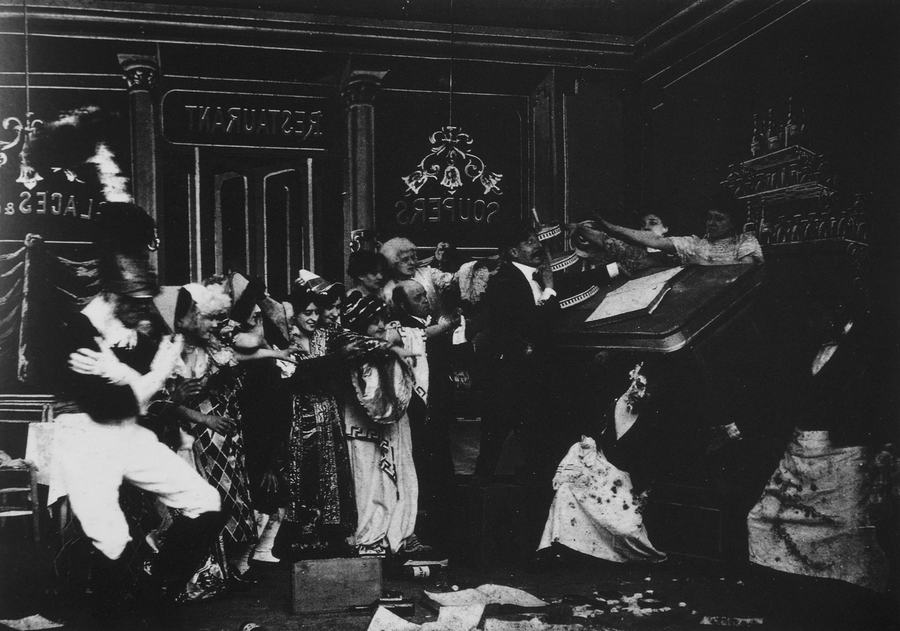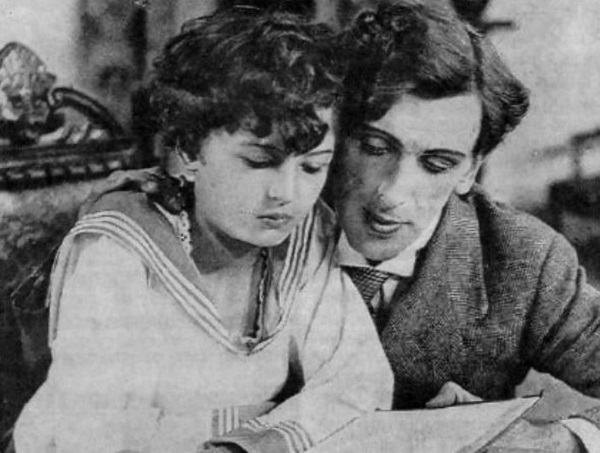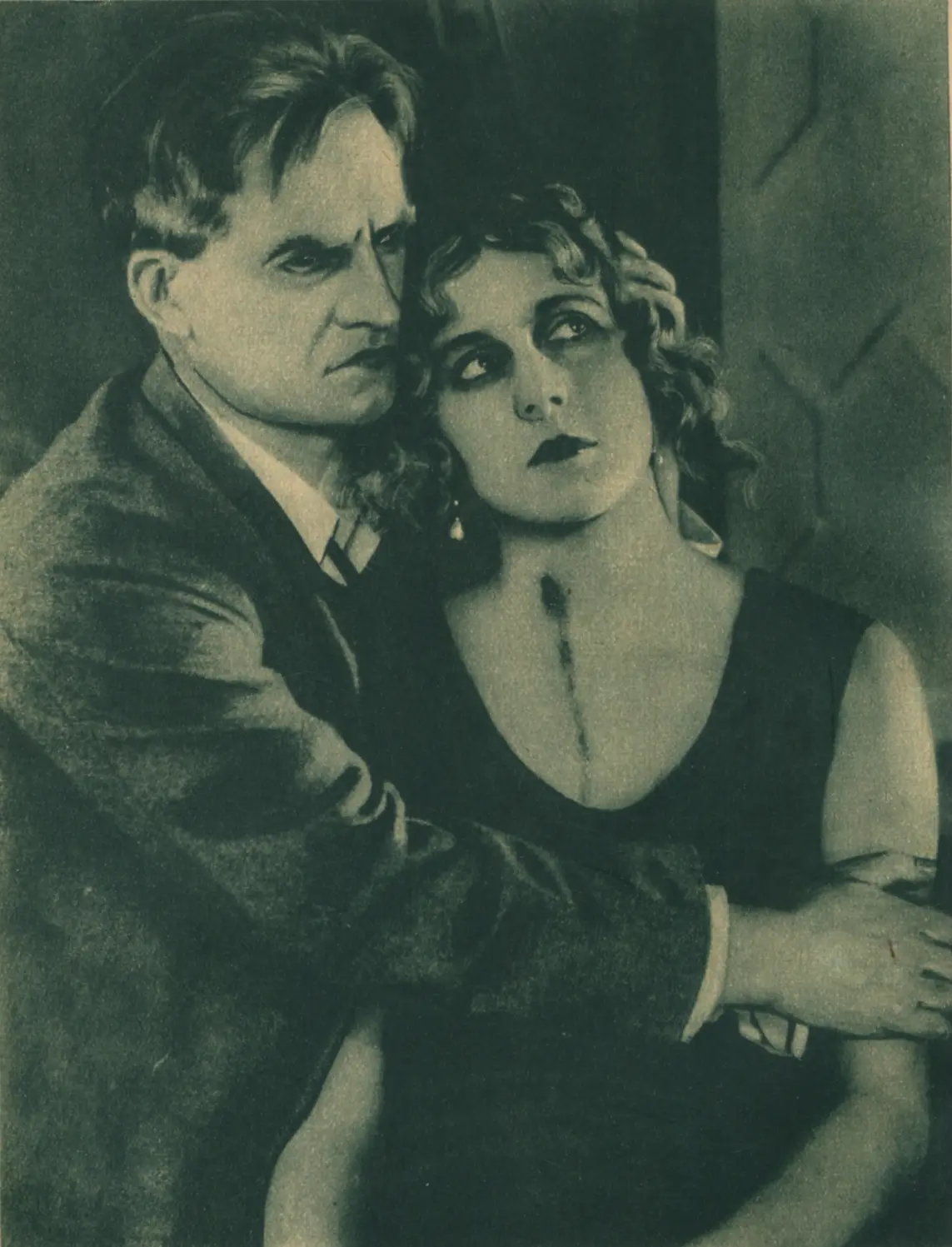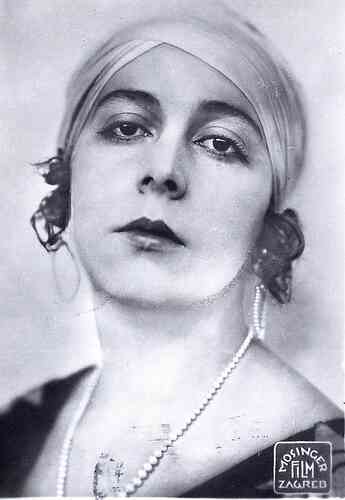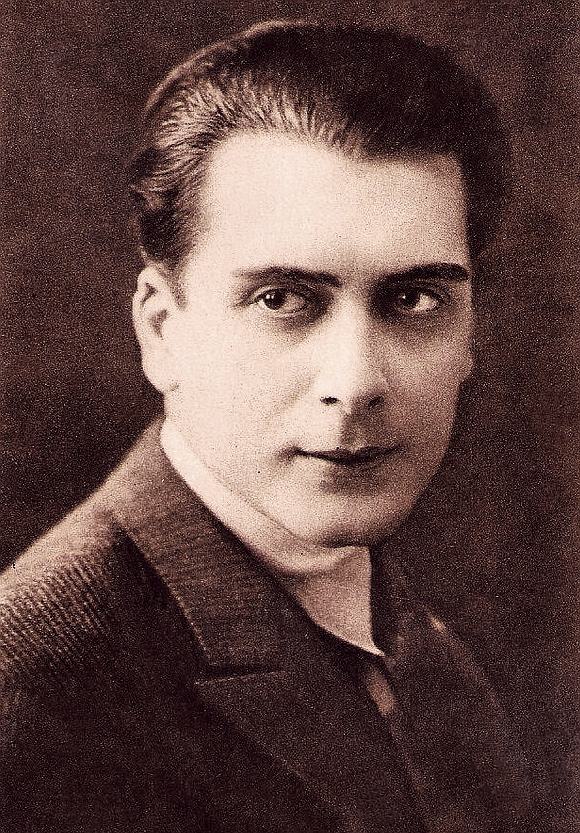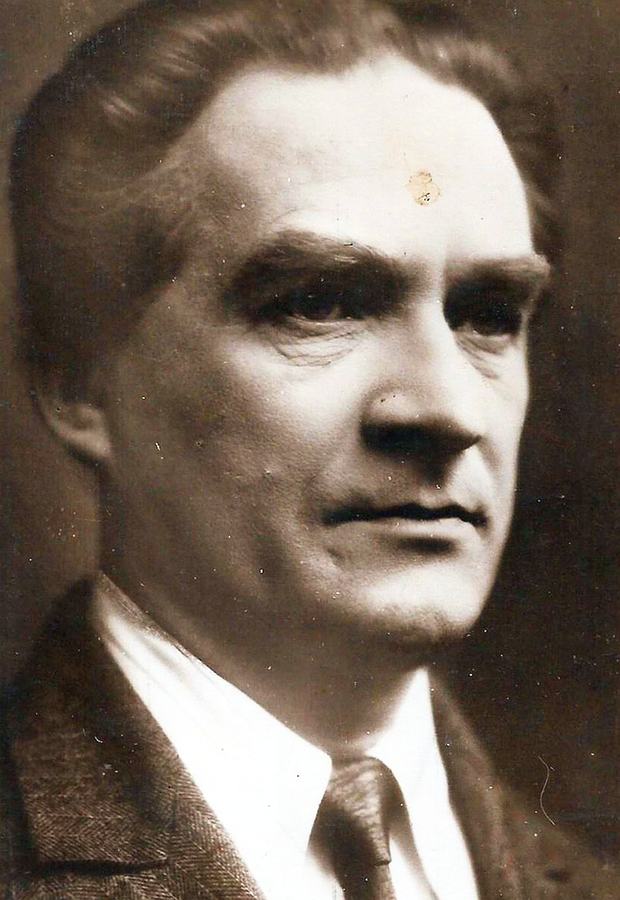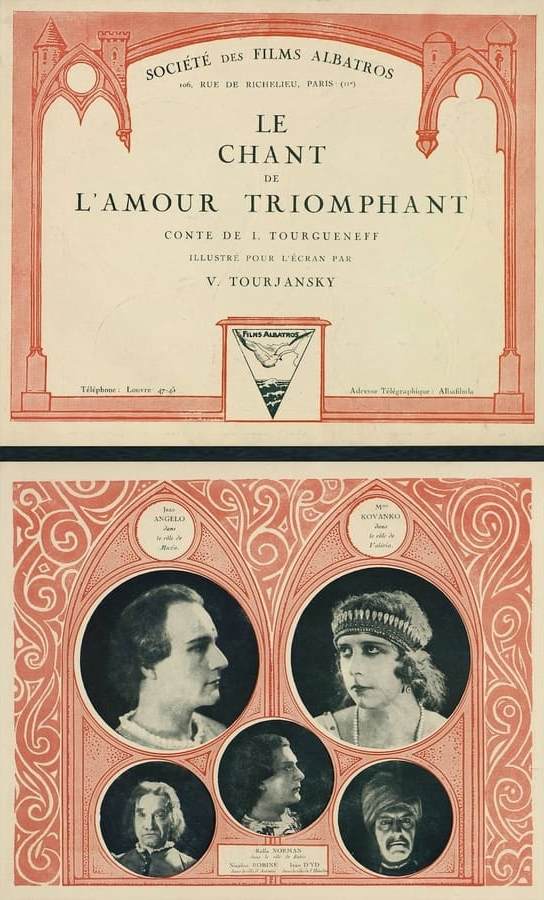
In Ferrara, in the sixteenth century, two rich young friends, Muzio and Fabio, a musician and a painter, fall in love with Valeria, one of the city's most striking beauties. Valeria, the daughter of a widowed noblewoman with little money, chooses Fabio and marries him.
In the pantheon of the French silent era, specifically within the illustrious orbit of the Albatros film studio, few works resonate with the haunting, atmospheric potency of Le chant de l'amour triomphant. Directed by the visionary Viktor Tourjansky and adapted from Ivan Turgenev’s novella, this 1923 production is a ...
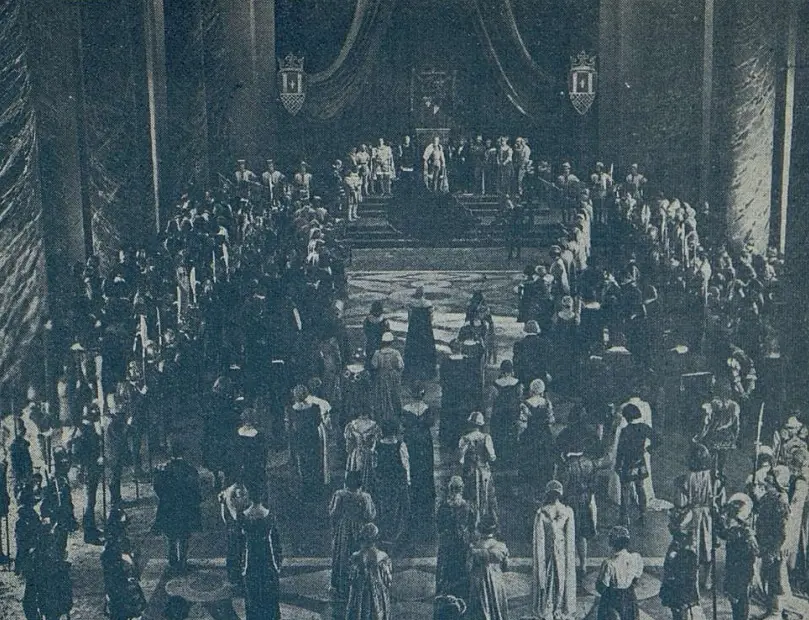
still_frame
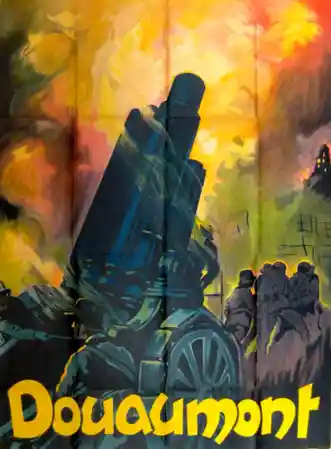
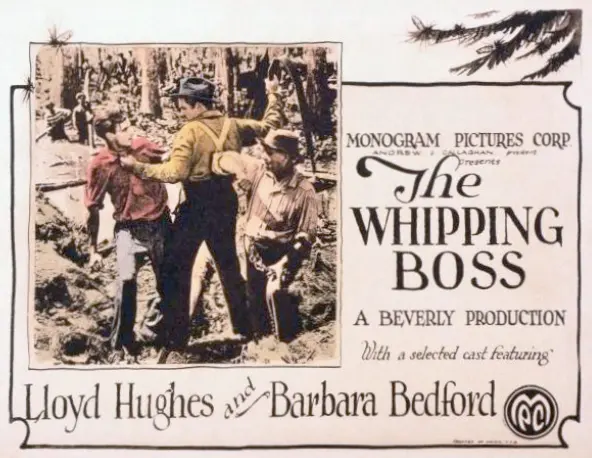
Comparing the cinematic DNA and archive impact of two defining moments in cult history.
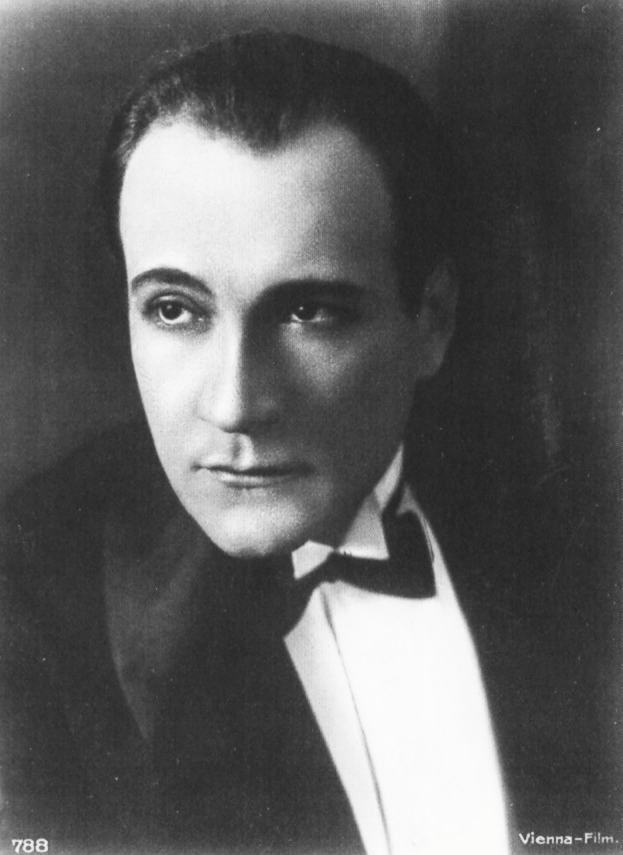
Viktor Tourjansky
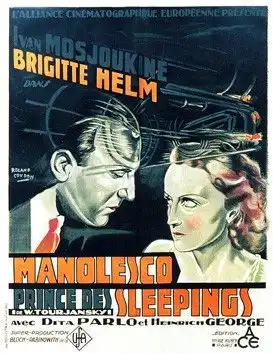
Viktor Tourjansky
Community
Log in to comment.
" In the pantheon of the French silent era, specifically within the illustrious orbit of the Albatros film studio, few works resonate with the haunting, atmospheric potency of Le chant de l'amour triomphant. Directed by the visionary Viktor Tourjansky and adapted from Ivan Turgenev’s novella, this 1923 production is a masterclass in the cinematic translation of literary mood. It is not merely a period piece; it is a visceral exploration of the psychosexual anxieties that underpin the transition ..."
Ivan Turgenev, Viktor Tourjansky, Vassili Choukhaeff
France
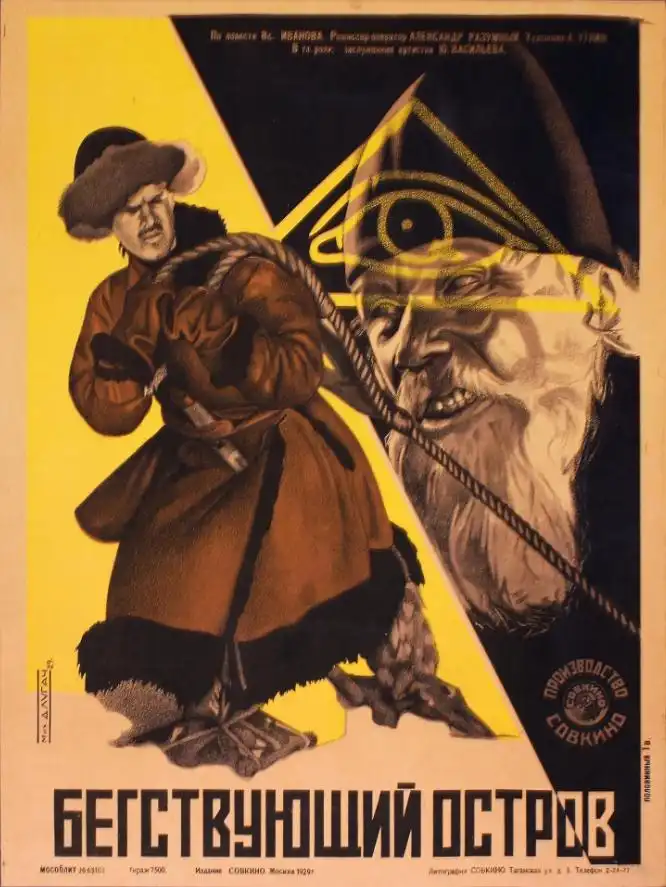
Deep dive into the cult classic
Discover similar cinematic experiences
A Directorial Spotlight on Viktor Tourjansky