DbcultAccessing Vault...
Cult Review
Senior Film Conservator
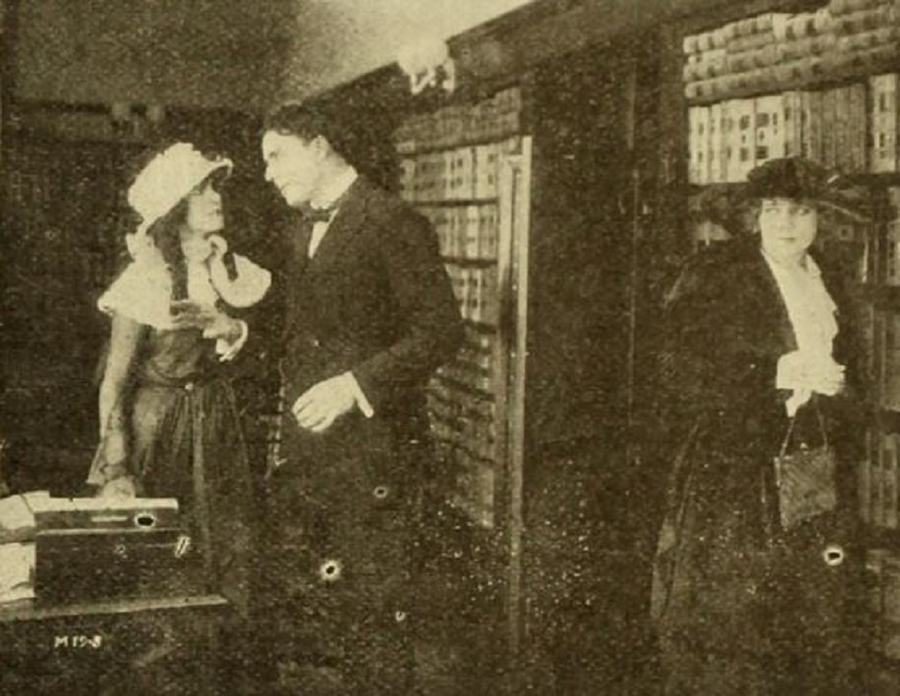
Jealousy flickers across the screen like nitrate fire in Happiness of Three Women, a 1922 silent that most aficionados mention only in footnotes—yet its emotional octaves roar louder than many a lionized classic.
Constance Barr—embodied by Myrtle Stedman with the tremulous regality of a Pre-Raphaelite portrait—never utters a syllable we can hear, yet every dart of her eyes sketches matrimonial claustrophobia more vividly than pages of intertitles. Mark, her railroad-king spouse played by William Hutchison, exudes the volcanic possessiveness of a Vanderbilt crossed with Bluebeard. The film’s first third is a dance of glances: silver forks pause mid-air, champagne flutes catch the light like tripwires, and the string quartet saws away while history congeals between former sweethearts.
Director Dell Henderson stages the reception in deep focus: foreground gossipers smirk, mid-ground Constance and Billy exchange the innocuous hand-pressure that will detonate the narrative, while far-off Mark darkens like a storm cloud on the horizon—a tri-layered canvas worthy of a Renaissance altarpiece.
The screenplay, distilled from an Albert Payson Terhune Saturday Evening Post potboiler, could have slid into melodrama quicksand. Instead, adapter Adele Harris prunes the shrubbery of coincidence until each thorn draws blood. When Constance and Billy lose their way in the newfangled automobile, the night cinematography—shot largely in available moonlight—turns the woodland roads into a maze of German-expressionist shadows. You half expect Cesare from The Cabinet of Dr. Caligari to lurch from behind a tree.
Enter the bank robbery subplot, a cunning hinge that converts domestic thriller into socio-economic fable. Milton Brown’s Monck, all beetle-browed malevolence, embodies the era’s distrust of proletarian gatekeepers fondling the levers of capital. The pilfered watch-charm—a tiny gavel of guilt—becomes the silent era’s answer to the tell-tale heart, pulsing with accusation beneath every scene.
Notice how cinematographer Larry Steers (pulling double duty as the hapless Fletcher) frames the lightning-struck oak: the tree crashes diagonally, splitting the screen into guilty and innocent hemispheres, a visual verdict delivered before any judge speaks.
Yet what lingers is the film’s gendered gaze. Constance’s terror is not simply adulterous guilt; it is the dread of a woman whose bodily autonomy hangs on a husband’s whim. In 1922, post-Nineteenth-Amendment America wrestled with the phantom of the “New Woman,” and Happiness of Three Women stages that cultural vertigo in miniature. When Constance crouches behind the screen, the image is both farce and chrysalis: she is invisible yet hyper-visible, her femininity both cloak and target.
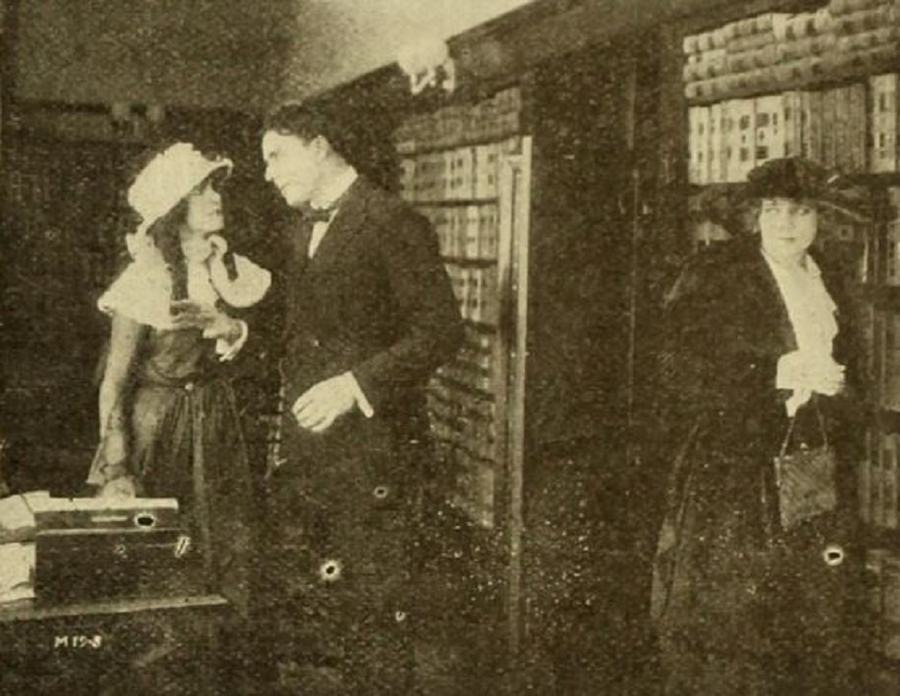
Compare this to Lion of Venice, where the heroine’s virtue is a macroscopic civic allegory, or Divorced, which punishes its wife with penury. Happiness grants Constance clemency without infantilizing her; the reconciliation with Mark feels less like patriarchal forgiveness than a negotiated armistice in an ongoing marital cold war.
Performances oscillate between the intimate and the operatic. Daisy Jefferson’s Myrtle supplies screwball effervescence long before the term existed—her bustling train-platform scenes crackle with Harold-Lloyd-esque momentum. House Peters, as the stalwart Billy, manages to suggest both romantic constancy and legal acumen without slipping into the cardboard heroism that mars many a silent leading man.
The restoration currently streaming on select archival platforms (check your regional library’s Kanawa portal) derives from a 2018 4-K scan of a Dutch print. Grain swarms like midsummer bees, but the tinting—amber for interiors, cerulean for night, rose for the fleeting morning reconciliation—reinstates the chromatic rhythm early audiences would have savored. The Mont Alto Motion Picture Orchestra’s new score lilts from ragtime to anxious atonal strings, never overwhelming the hush that is the silent film’s oxygen.
Verdict: 9/10. A jewel deserving pride of place beside The Clemenceau Case and Chains of the Past in any survey of early twenties narrative sophistication.
Where to watch: Archive.org (public-domain 720p), Criterion Channel rotating “Silent Treasures” collection, or Blu-ray via Kino Lorber’s Lost Ladies of 1922 boxset. Avoid the YouTube 480p rip—it turns Stedman’s luminous close-ups into mushy charcoal sketches.
If you thirst for comparative intrigue, pair a double feature with Are You a Mason? for comic fraternity shenanigans, then wash down with Life’s Whirlpool, another tale where virtue dangles over the abyss of rumor. Together they map the fault-lines of trust in an era when a sidelong glance could detonate dynasties.
Final curl of celluloid wisdom: happiness, this film whispers, is not a static dowry bestowed by husbands or bank balances; it is a ceaseless negotiation conducted in the dark, where lightning may fell the oak, but the road—twisted, rutted—still rolls forward under the jittery glow of acetylene headlights.
IMDb —
1927
Community
Log in to comment.