Summary
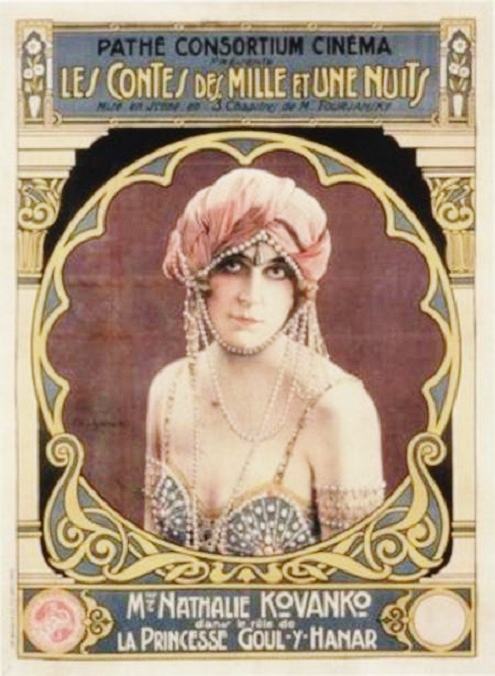
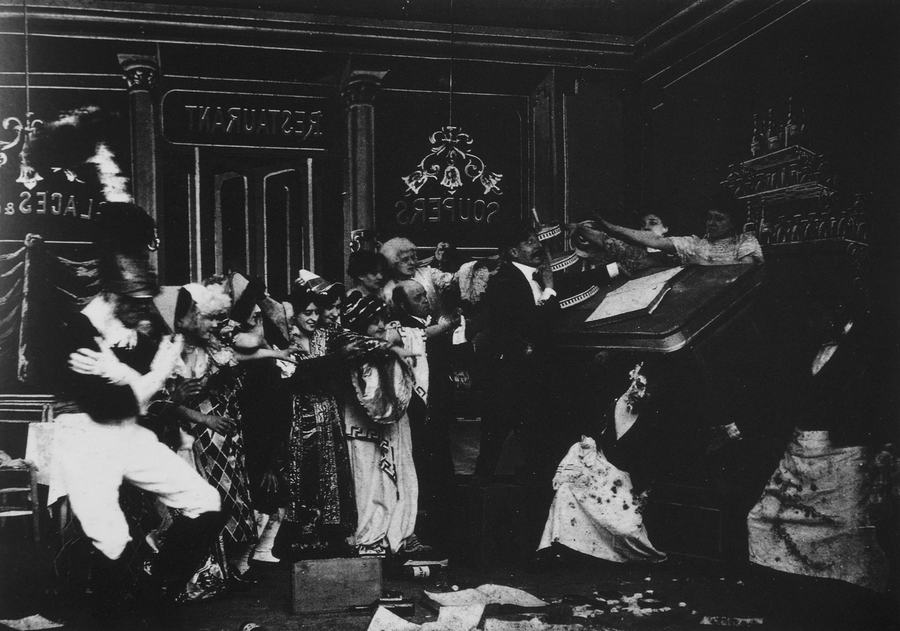
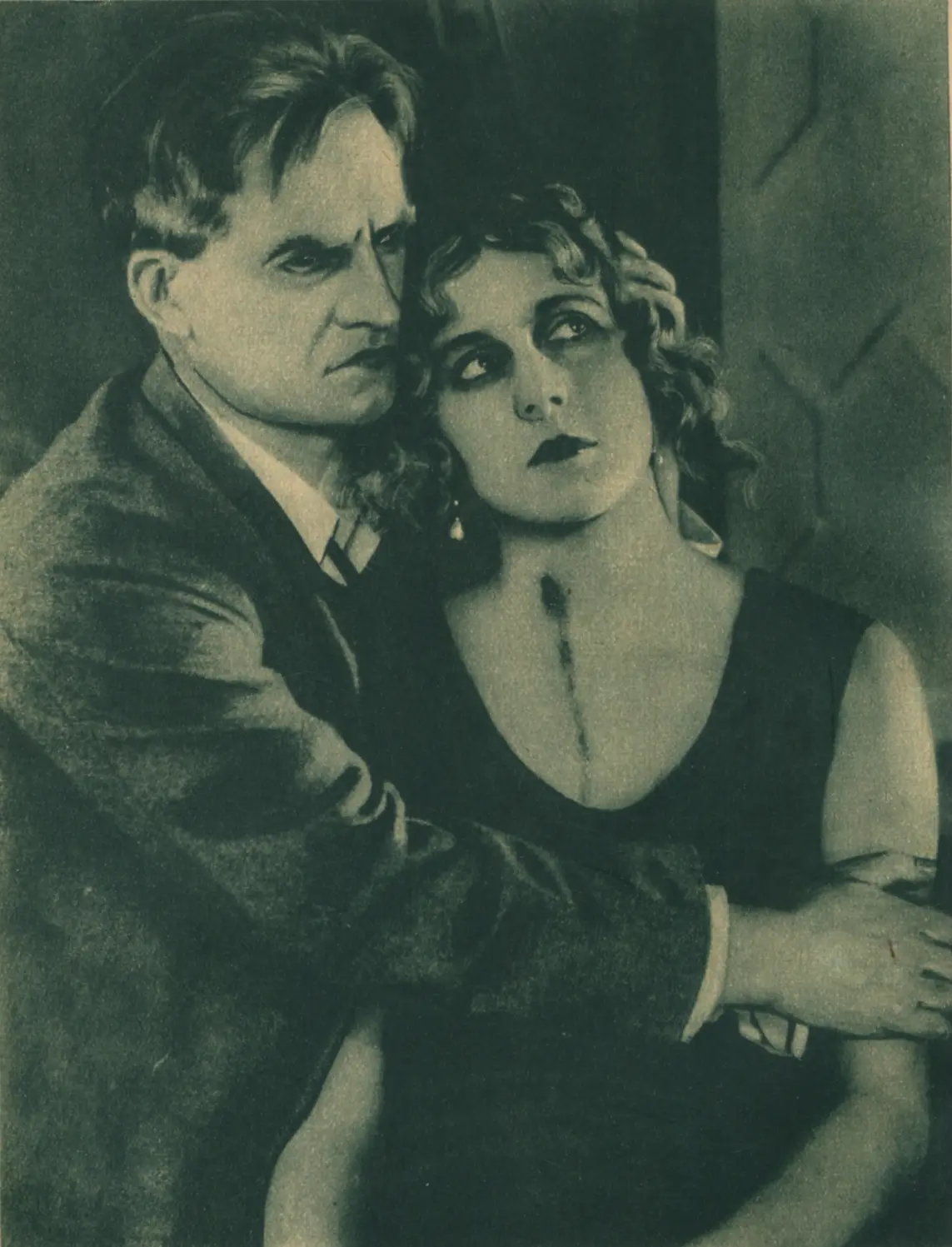
A trembling village, crucified between thawing mud and Easter icicles, braces for the yearly ‘Bal Gospoden’—a dance that masquerades as devotion yet reeks of spring blood. Nathalie Kovanko’s Marija arrives like a ghost of unfinished desire, her widow’s veil stitched from the very clouds that once soaked her husband’s battlefield corpse. She steps off the iron sleigh into a hamlet where every door is a mouth ready to gossip, every icon a slit eye that keeps score of sins. Popov’s Leonid, the local beekeeper who trades propolis for confessions, believes the ritual can scour collective guilt; he coats the church floor with beeswax so the penitent glide rather than stomp, turning penance into ballet. Cheban’s Mischa, a deserter wrapped in stolen officer’s greatcoat, smuggles a phonograph past checkpoints because he insists God now speaks through crackling shellac, not cantors. Vadetskaya’s Dunya, adolescent and feral, keeps a dead owl in her apron pocket—she claims its unblinking pupils record every betrayal, proof for the Day of Reckoning. Polonskaya’s Varvara, once the manor’s chandelier beauty, now barters heirloom earrings for kerosene to burn her silhouette into the wall, a fresco of absence. Polonsky’s Father Arkady, orthodox yet drunk on pre-Christian incantations, swings a censer that belches myrrh and gunpowder, blessing icons while reciting Lenin quotes backward. The night of the dance, snowflakes fall like moths soaked in lamp-oil; the musicians saw at their cellos until horsehair snaps, each broken strand a public confession. Marija, forced to partner with Leonid, recognizes the scent of linden on his collar—exactly the one she buried with her spouse, proof the beekeeper has been grave-robbing for narcotic honey. Mischa drops the needle on a tango; villagers pair off, cheeks smeared with soot, spinning until the wax floor melts into a mirror of black ice. Dunya releases the owl; its stiff wings knock over candles, igniting Varvara’s wall-sized shadow, turning the church into a camera obscura of flaming silhouettes. In the climax, Arkady chokes on incense, coughing up a brass bullet he claims is the Host; the congregation, half-ash, half-flesh, swallows it communally, hoping metal might scour their ulcers of history. Dawn finds the village encased in a thin glass of ice, every dancer frozen mid-step, a petrified carnival photographed by the first sun; only Marija’s footprints lead away, toward a horizon that flickers between resurrection and another war.
Review Excerpt
"
The first image Viktor Tourjansky gifts us in Bal Gospoden is a horse skull nailed above a barn door, nostrils plugged with bluebells—an omen that beauty will be force-fed into bone. From that moment you know the film will not merely depict a village ritual; it will vivisect the carcass of tradition and rearrange the ribs into wind-chimes. Shot in the thaw of 1927, months before Soviet censors hardened their arteries against poetic ambiguity, the picture exhales a country still drunk on the po..."