DbcultAccessing Vault...
Cult Review
Senior Film Conservator
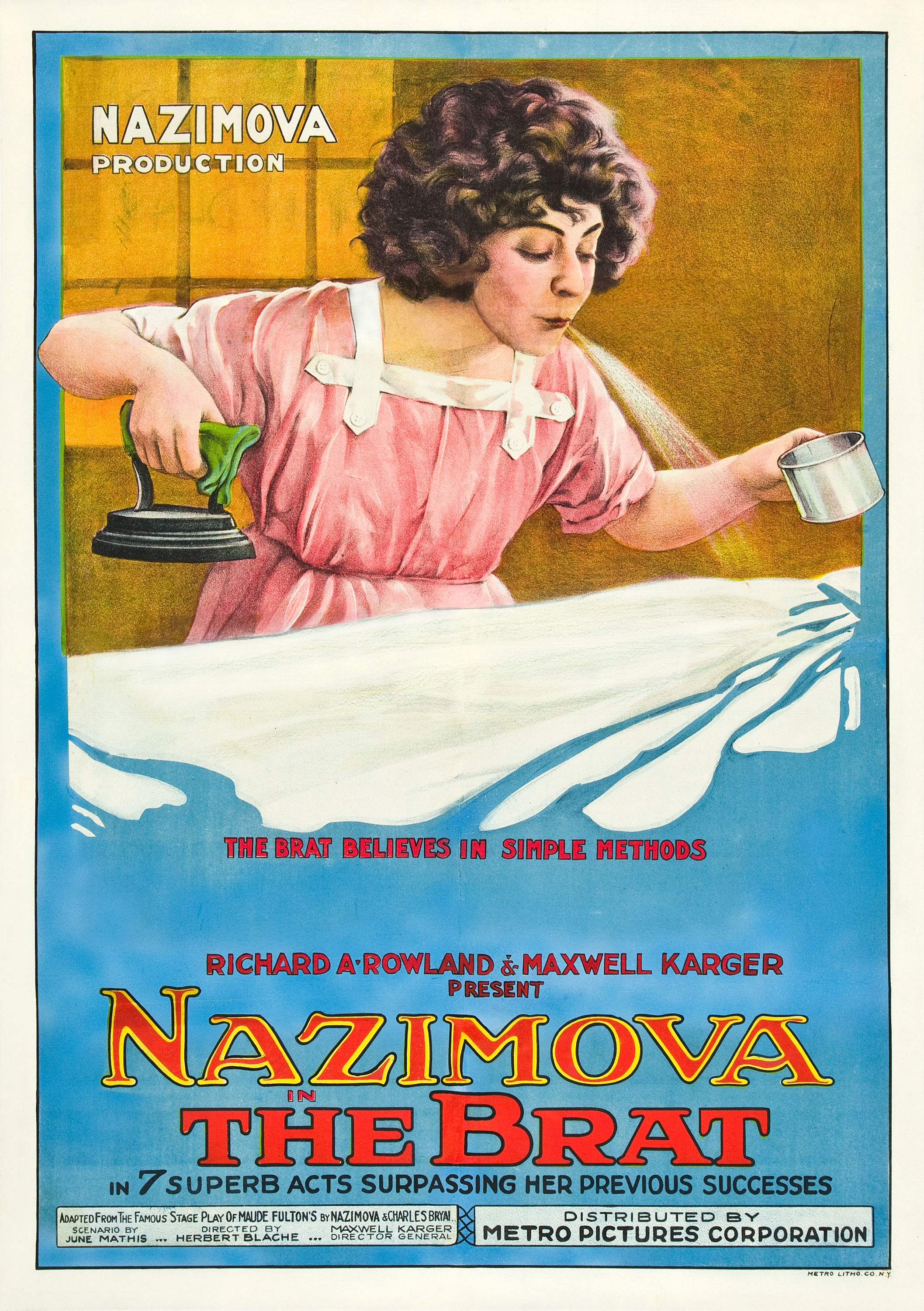
Stepping into the tumultuous world of early 20th-century cinema, one encounters a fascinating array of narratives, but few burn with the raw, untamed energy of 1919’s The Brat. This isn't merely a film; it's a vibrant clash of cultures, a searing commentary on class distinctions, and, most potently, a magnificent showcase for the singular talent of Alla Nazimova. Her presence alone elevates what could have been a conventional melodrama into something far more incisive and enduring. Nazimova, a force of nature who transcended the traditional boundaries of stage and screen, imbues her character with such an audacious spirit that the screen practically crackles with her vitality. The narrative, deceptively simple on its surface, unfolds with a compelling rhythm, drawing us into a world where rigid social conventions are destined to collide with an irrepressible, authentic spirit.
At its core, The Brat presents a classic 'fish out of water' scenario, yet it's executed with a nuanced depth that sets it apart. The story commences not with grandiosity, but with a minor infraction, a small brush with the law that lands our titular 'brat' in court. It's here, amidst the mundane proceedings, that she catches the discerning eye of a novelist, a man of letters grappling with the elusive essence of a character for his latest work. He isn't seeking refinement or societal grace; he's searching for authenticity, for the raw, untamed spirit that defies categorization. And in Nazimova's unkempt, defiant chorus girl, he finds his perfect, albeit unwilling, muse. This initial premise immediately establishes a delicious tension, hinting at the dramatic fireworks to come. It's a testament to the script, co-written by Charles Bryant, June Mathis, Maude Fulton, and Nazimova herself, that this seemingly implausible scenario feels utterly believable, driven by the novelist's artistic desperation and the girl's inherent, magnetic charisma.
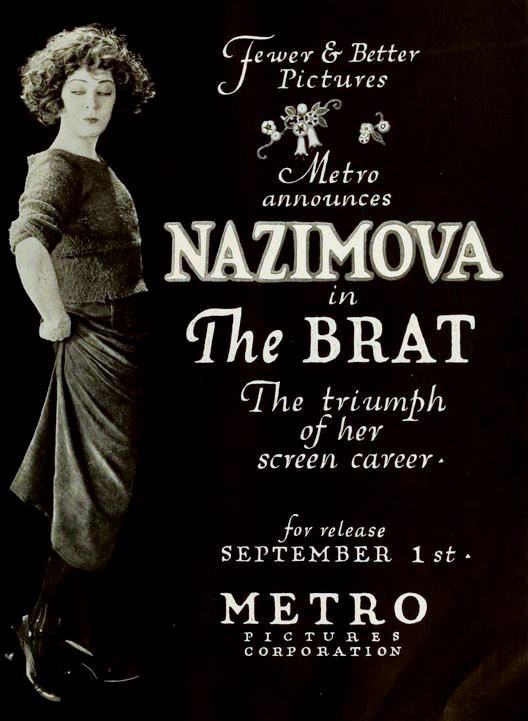
The novelist's decision to take her into his home is, of course, the catalyst for the ensuing social upheaval. His snobbish family, a collection of finely-tuned instruments of societal decorum, are immediately aghast. Their world, meticulously constructed on appearances, social standing, and a rigid adherence to etiquette, is suddenly invaded by a force that understands none of these rules and, more importantly, cares even less. This juxtaposition is where the film truly shines, offering a biting critique of the superficiality that often accompanied high society. The family members, each a caricature of their class, recoil from her lack of polish, her boisterous laughter, her uninhibited movements. They see only a crude, unrefined creature, utterly blind to the genuine warmth, honesty, and vibrant life she embodies. This dynamic echoes, in a sense, the outsider narratives found in films like Tess of the Storm Country, where an unyielding spirit from a lower social stratum challenges the conventions of a more privileged environment, often revealing the hypocrisy lurking beneath. Similarly, one might draw parallels to the spirited defiance seen in Her Man, another film that explores the lives of women navigating challenging circumstances with an indomitable will.
To speak of The Brat without dedicating significant attention to Alla Nazimova would be an oversight of monumental proportions. Nazimova, a Russian-American stage and film actress, producer, and screenwriter, was a star of unparalleled magnitude in her era. Known for her intense, often exotic, performances and her pioneering spirit, she brought a theatricality and psychological depth to the silent screen that few could match. Here, as 'The Brat,' she is nothing short of mesmerizing. She doesn't just play the role; she inhabits it with every fiber of her being. Her eyes, often wide with a blend of defiance and vulnerability, speak volumes. Her gestures are expansive, her movements fluid and utterly uninhibited, a stark contrast to the stiff, constrained postures of her aristocratic foils.
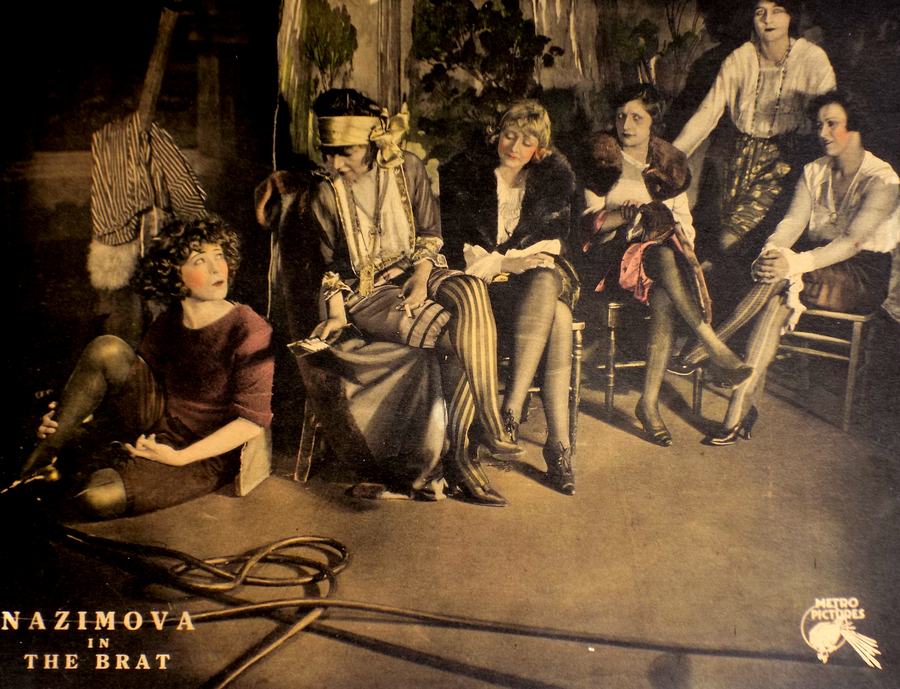
Nazimova's performance is a masterclass in silent film acting. She conveys a spectrum of emotions without uttering a single word, relying on facial expressions, body language, and an innate understanding of her character's inner turmoil and strength. One moment, she is a whirlwind of joyous abandon, dancing with an infectious energy that threatens to shatter the rigid calm of the household. The next, she is a picture of quiet dignity, wounded by the snubs and condescension, yet never broken. She refuses to be cowed, refusing to conform to the polite, suffocating expectations placed upon her. This refusal to yield is what makes her character so compelling and ultimately so transformative for the family she disrupts. It's a performance that reminds one of the sheer power of silent cinema, where the absence of dialogue amplified the expressiveness of the actors, demanding a level of physical and emotional articulation that is rarely seen today. Her portrayal here solidifies her reputation as one of the most daring and innovative actresses of her time, a true artist who pushed boundaries and challenged conventions, much like the character she embodies.
The central conflict of The Brat is not merely between individuals, but between two fundamentally different philosophies of life. On one side, there is the world of the novelist's family: a world of inherited wealth, assumed superiority, and a profound disengagement from genuine human experience. Their lives are carefully curated, their emotions often suppressed beneath a veneer of civility. On the other side is the 'brat,' a character forged in the crucible of real-world struggles, whose emotions are raw, unfiltered, and utterly transparent. She represents an authenticity that, while initially jarring, ultimately proves to be far more enriching than the polished emptiness of their existence.
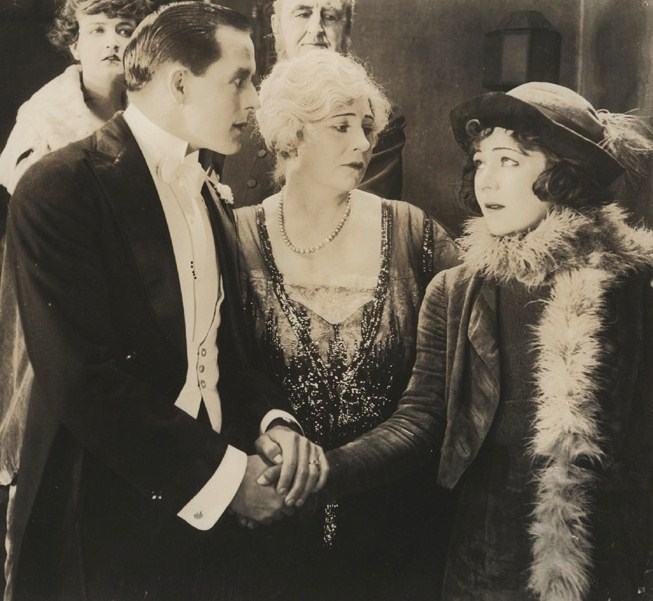
The film cleverly uses humor and pathos to highlight this disparity. The family's attempts to 'civilize' her, to mold her into something she is not, are met with either bewildered resistance or outright rebellion. Yet, her presence, like a stone dropped into still water, creates ripples that irrevocably alter their stagnant lives. She forces them to confront their own prejudices, their own shallowness, and their own unmet emotional needs. Her directness, her lack of artifice, cuts through their carefully constructed facades, revealing the vulnerability and hidden desires beneath. This thematic exploration of authenticity versus artifice is a timeless one, resonating with audiences then and now. It’s a theme that crops up in various forms across cinema, perhaps in the social commentary of films like Who's Your Neighbor? or the moral dilemmas presented in A Man's Man, where characters are often forced to choose between societal expectations and their true selves.
While Nazimova undeniably dominates the screen, the supporting cast, including Charles Bryant (who also co-wrote the script), Darrell Foss, and Amy Veness, play their parts effectively in establishing the rigid world the 'brat' invades. Their performances, often deliberately stiff and haughty, serve as perfect foils to Nazimova's effervescent energy. The direction, while perhaps not groundbreaking in its technical innovation, is adept at framing Nazimova's performance and highlighting the visual contrasts between the two worlds. The cinematography effectively captures both the elegance of the upper-class settings and the vibrant, unrefined energy of Nazimova's character, using composition and lighting to emphasize the emotional and social divides. The film's pacing allows for moments of quiet reflection amidst the dramatic confrontations, ensuring that the audience is fully invested in the emotional journeys of the characters, even those initially presented as unsympathetic.
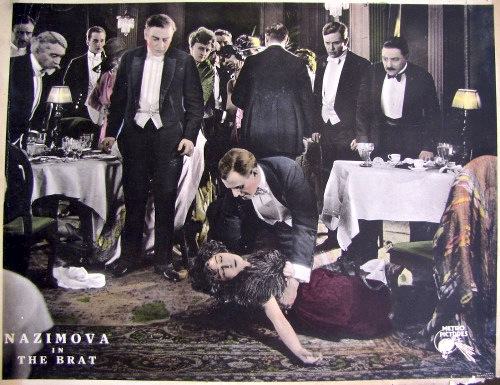
The narrative arc is particularly engaging in its portrayal of transformation. It’s not just the 'brat' who changes; it's the entire household. Through her unwavering spirit and unexpected kindness, she awakens dormant affections, challenges ingrained snobbery, and ultimately brings a sense of genuine connection that had been sorely lacking. This transformative power of an outsider, a common yet potent cinematic trope, is explored with particular grace here. It's reminiscent of the way an unexpected element can irrevocably alter a tightly-knit community, a theme explored in various forms across cinematic history, from the more dramatic implications in Warning! The S.O.S. Call of Humanity to the personal awakenings in The Education of Mr. Pipp, where new perspectives are introduced into established orders.
In the grand tapestry of silent cinema, The Brat stands out as more than just a vehicle for its star. It is a thoughtful, entertaining, and surprisingly modern film that tackles issues of class, identity, and the search for authenticity with both wit and heart. Its enduring appeal lies not only in Nazimova's electrifying performance but also in its timeless message: that true worth is found not in social standing or polished manners, but in the genuine spirit of an individual. The film reminds us that sometimes, it takes an unkempt chorus girl to shatter the illusions of a snobbish family and reveal the genuine humanity beneath. It's a powerful statement, particularly for a film of its era, challenging the very foundations of societal judgment.
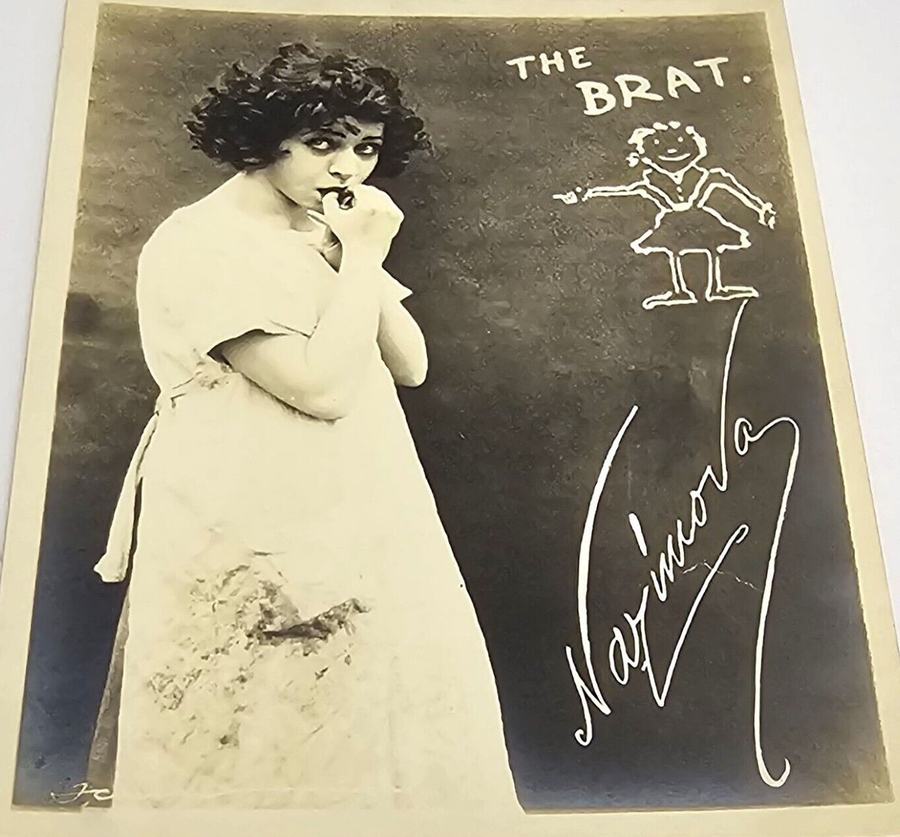
For contemporary audiences, The Brat offers a window into the artistry of silent film and the magnetic power of one of its most enigmatic stars. It’s a compelling argument for the preservation and re-evaluation of these early cinematic works, proving that even without synchronized sound, the emotional resonance and thematic depth can be profound. The film, a product of its time, yet remarkably forward-thinking in its social commentary, continues to captivate, serving as a vibrant testament to the enduring power of storytelling and the indelible mark left by artists like Alla Nazimova. Its narrative of an outsider bringing unexpected truth into a cloistered world is a universal one, echoing similar tales of disruption and revelation found in diverse cinematic landscapes, from the passionate intensity of Passione tsigana to the intriguing mysteries of Das Geheimnis der Lüfte, where unconventional elements often lead to profound shifts in understanding. The sheer audacity of Nazimova's character, her refusal to be anything but herself, makes The Brat a truly unforgettable cinematic experience.
In conclusion, The Brat is more than a historical curiosity; it’s a vibrant, engaging film that holds up remarkably well a century after its release. It’s a testament to the collaborative genius of its writers and the unparalleled talent of Alla Nazimova. The film's exploration of class conflict, the search for authenticity, and the transformative power of an unconventional spirit ensures its relevance. It’s a film that entertains, provokes thought, and leaves a lasting impression, much like the unforgettable character at its heart. If you're looking for a silent film that pulsates with life and offers a keen insight into human nature, look no further than Nazimova's electrifying performance in The Brat. It’s a vivid reminder that true artistry knows no bounds, transcending time and technological advancements to deliver a message that resonates deeply with the human condition.
Review by Your Esteemed Film Critic
IMDb —
1921
Community
Log in to comment.