Summary
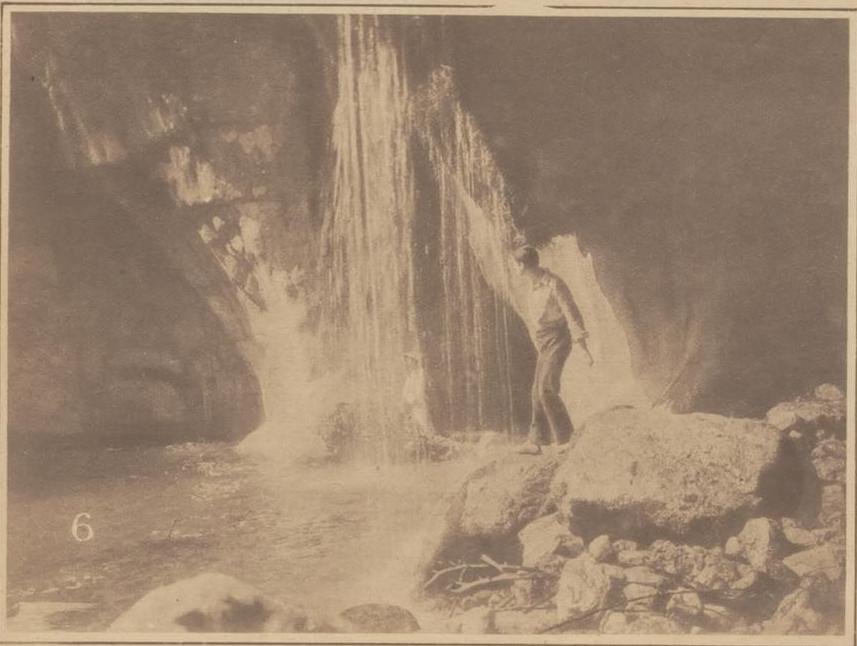
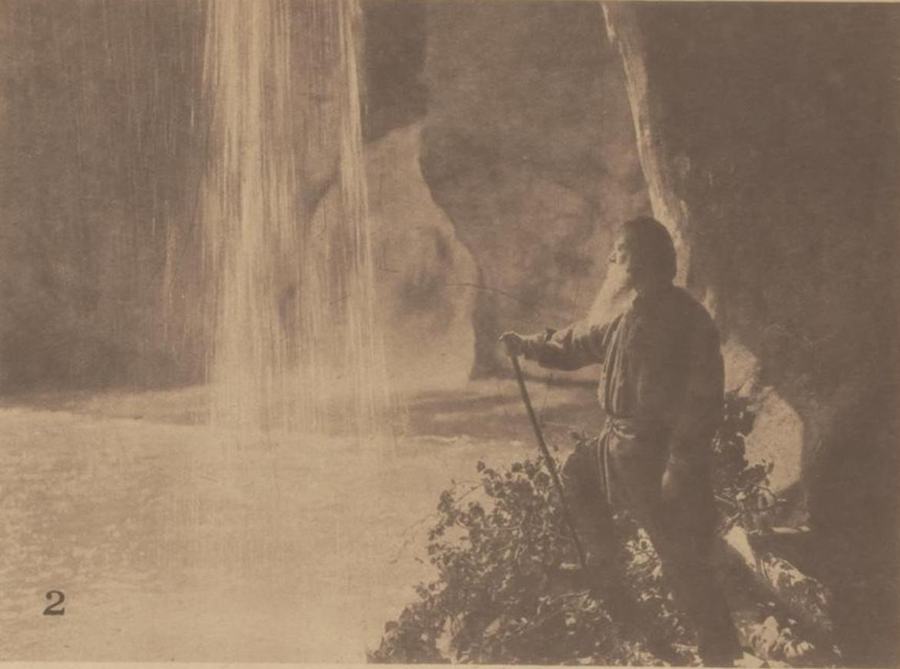
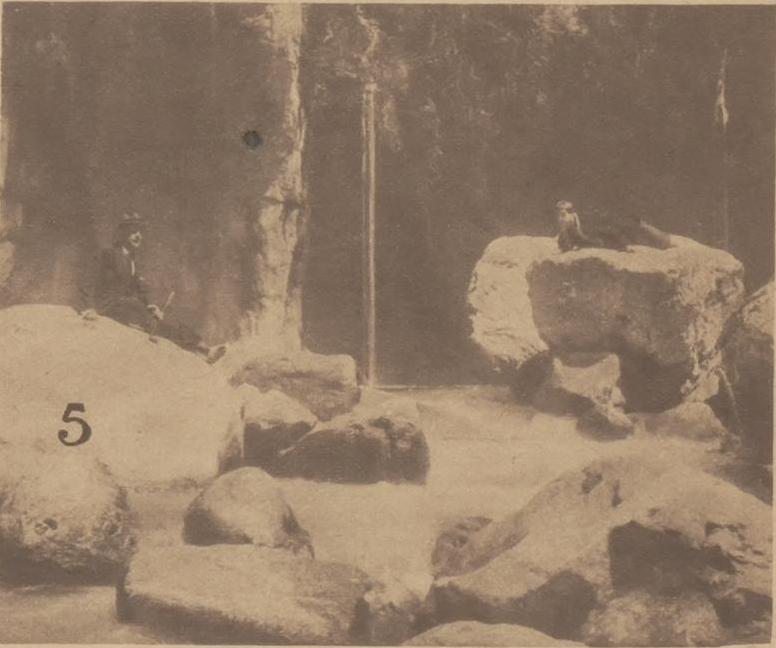
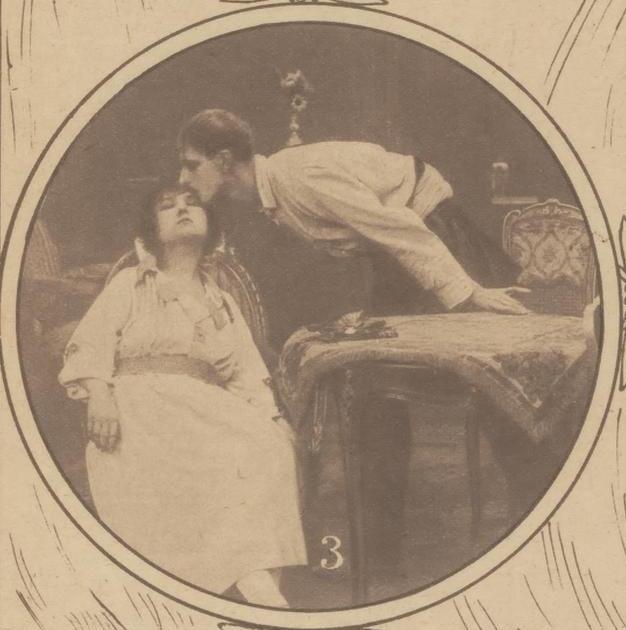
A cataract of suppressed desire crashes through the gilded salons of post-war Paris when Hélène des Moulins—veiled, virtuosic, and volcanically repressed—returns from a Swiss sanatorium clutching a diagnosis of ‘hysterical paralysis’ like a secret love-letter. Her physician, the magnetic Dr. Vorski, prescribes not rest but risk: a return to her ancestral estate where the river Serrant, swollen by spring melt, gnaws at the foundations of a crumbling château and at the corseted morals of every soul within earshot of its roar. Hélène’s husband, the pious Count Adrien, would rather hymn the Virgin than bed his wife; her stepsister, the sly Cécile, combs the psalter by day and the maids by night; while the bastard stable-boy, Luc, nurses a Byronic thirst for legitimacy and for Hélène’s pale flesh. Into this hothouse of incense and unspoken vice storms the engineer Paul d’Arbigny, hired to tame the torrent with concrete and steel, only to find himself enslaved by the quieter flood of Hélène’s eyes. Night after night the river pounds the stone, and night after night the château’s mirrors reflect a different truth: the Count kneeling in flagellation, Cécile blackmailing the priest, Luc whispering revolution to the hunting dogs, Hélène sleepwalking along the parapet in a silk shift that glows like moonlight on water. When the dam finally bursts—timber screaming, earth vomiting, chandeliers swaying in epileptic waltz—the characters are swept into a maelstrom where social masks shred like muslin. Paul drags Hélène through the subterranean aqueducts beneath the estate, their lanterns guttering while the rising flood licks at their ankles, until they surface inside the family crypt where generations of des Moulins molder in marble. There, amid the stench of wet limestone and ancestral guilt, Hélène’s paralysis shatters: she stands, trembling, and chooses not the rescuer who carried her but the torrent itself, stepping back into the floodwaters with arms flung wide, a secular baptism that drowns the past and baptizes the future in one sublimely ambiguous frame. The final shot—river calm, château a hollow shell, a child’s wooden horse bobbing gently on the mirrored surface—lingers like a bruise on the retina, refusing either lament or liberation.
Review Excerpt
"
Marcel L’Herbier’s Le Torrent (1924) arrives like a sudden cloudburst over the parched historiography of silent cinema, soaking every textbook cliché about ’20s French impressionism until the ink runs hallucinatory. The film is, on celluloid, the sound of a stone dropped into a well: the ripple circles outward, disturbing reflections of nuns, counts, engineers, and adulterous wives until the very architecture of the château seems to exhale in post-coital shivers.
River as Rupture: Landscape B..."