Summary
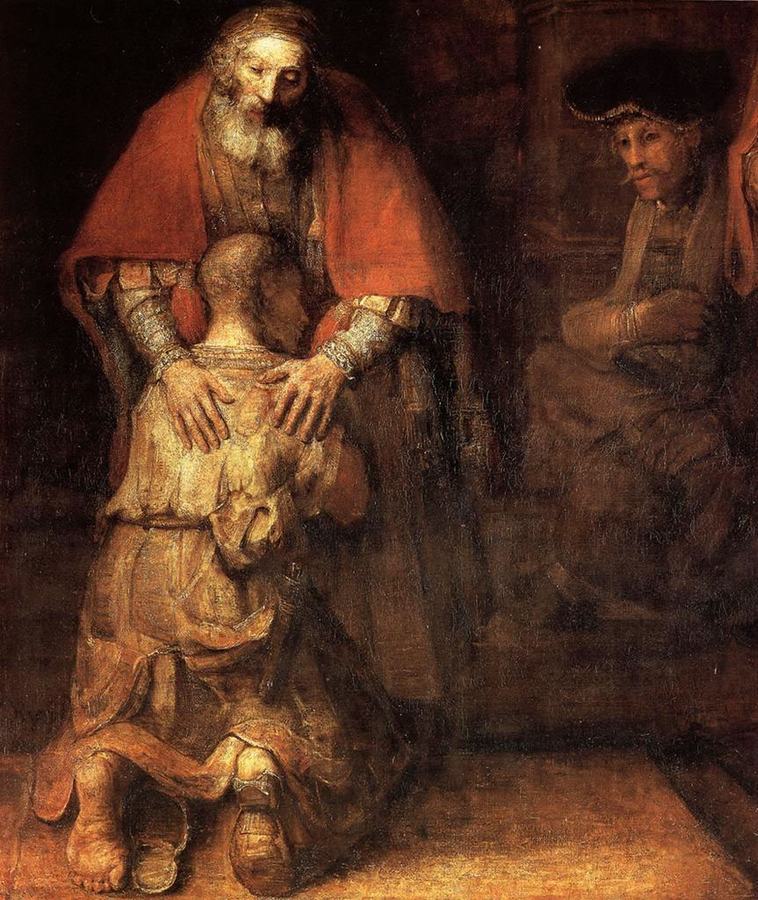
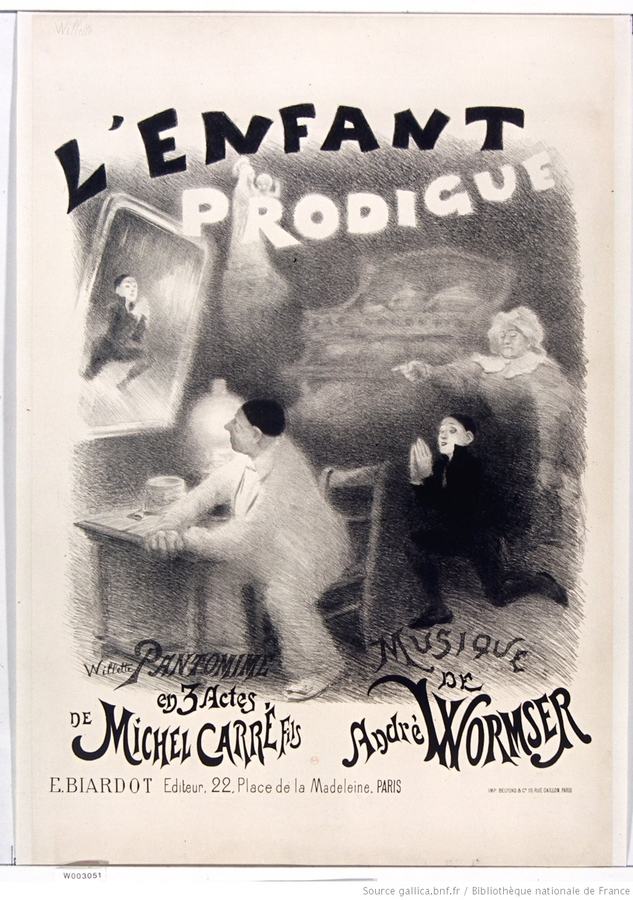
A gaunt silhouette staggers across a sun-scorched Provençal road, dust devils whipping the tattered hem of what was once a velvet waistcoat: this is the prodigal, returned not in triumph but as a living cautionary tale. Michel Carré’s 1907 one-reel parable distills the biblical fable into a brittle domestic triptych—departure, dissolution, rebirth—etched in stark chiaroscuro by cameraman Albert Davey. The father, played by Georges Tréville with the stoic gravitas of a Roman patriarch, stands at the threshold of a stone farmhouse whose windows gape like empty eye sockets; inside, Cécile Guyon’s mater dolorosa clutches a miniature portrait of her absent son, her knuckles blanching to the color of old porcelain. In the city—a studio-built Montmartre of painted shadows and gas-lamp luridness—the boy squanders his patrimony on green-felt bacchanalia and the languid smiles of Jane Renouardt’s cocotte, her mascara a sooty crescent moon against skin powdered to anorexic pallor. Georges Wague, the era’s most eloquent pantomime, cameos as a mime whose white-masked face becomes a living mirror of the protagonist’s own hollow grin. When the money evaporates, the film shifts into an oneiric register: rain becomes a staccato barrage of white needles, café music slows to a gelatinous dirge, and the prodigal’s top-hat silhouette folds into itself like a collapsing umbrella. His homecoming is not the tearful embrace of scripture but a wordless negotiation of shame: the father’s lantern swings like a pendulum between mercy and justice, while the mother’s fingers, trembling like moth wings, finally graze the suppliant’s cheek—an electric moment that ruptures the tableau and floods the frame with a burst of magnesium-white forgiveness.
Review Excerpt
"
Forgiveness, in the cinema of 1907, was not yet the plush commodity it would become in later decades of melodramatic excess; it was a shard of glass pressed against the throat of pride. L’enfant prodigue, scarcely ten minutes in length, extracts that shard and holds it up to the gaslight until it glints like a tiny, cruel star. Michel Carré—better known as the librettist of Manon and Werther—compresses the entire arc of Luke’s parable into a sequence of three static tableaux, yet the emotional ..."