DbcultAccessing Vault...
6.6/10
Senior Film Conservator
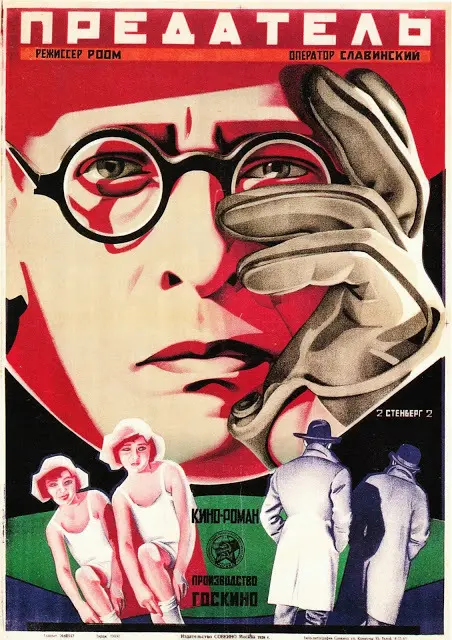
A definitive 6.6/10 rating for a film that redefined the boundaries of cult cinema. Predatel remains a cornerstone of transgressive art.
Is Predatel worth watching today? Short answer: Yes, but primarily as a historical artifact of psychological tension rather than a casual evening popcorn flick. This is a film for those who find the intersection of politics and human desperation fascinating, but it is certainly not for viewers who demand a fast-paced, modern action-thriller.
Predatel (1926) occupies a strange, liminal space in Soviet cinema. It arrived at a time when the industry was transitioning from the raw, experimental energy of the early 1920s into the more rigid, state-mandated narratives of the 1930s. Written by the formidable Lev Nikulin and the legendary formalist Viktor Shklovskiy, the film is less about the glory of the revolution and more about the terrifying intimacy of betrayal. It asks a singular, uncomfortable question: how long can a lie survive when the world it was built for ceases to exist?
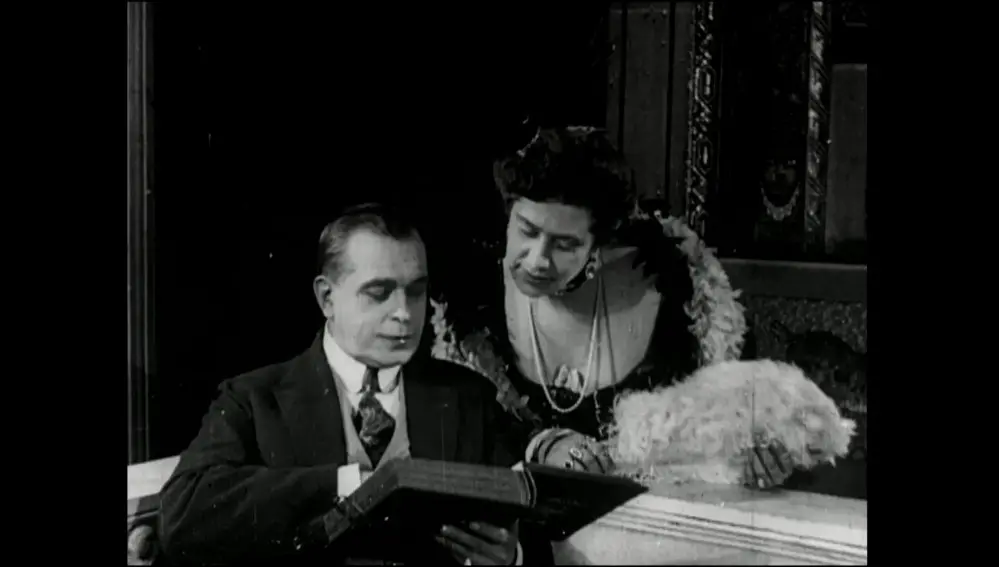
The film succeeds because it treats its protagonist not as a cartoonish villain, but as a professional. The agent is a man of mirrors, and the script by Shklovskiy ensures that we see the mechanical precision of his deceit. This film works because it refuses to make the act of spying look glamorous; instead, it looks exhausting. This film fails because the final act loses its psychological nuance in favor of a blunt-force ideological conclusion. You should watch it if you have an interest in the early career of Anna Sten or the development of the Soviet 'agit-drama' as a cinematic form.
Unlike the sentimentalism found in Western films of the same era, such as The Waif, Predatel is stripped of warmth. The sailors are depicted as a collective force, a wall of resentment that the agent must navigate. There is a specific scene in the first act where the agent shares a meal with the men he is about to condemn. The camera focuses on the rhythmic movement of their hands—rough, calloused, and honest—contrasted with the agent’s own delicate handling of a spoon. It is a subtle, visual indictment of class difference that speaks louder than any dialogue intertitle.
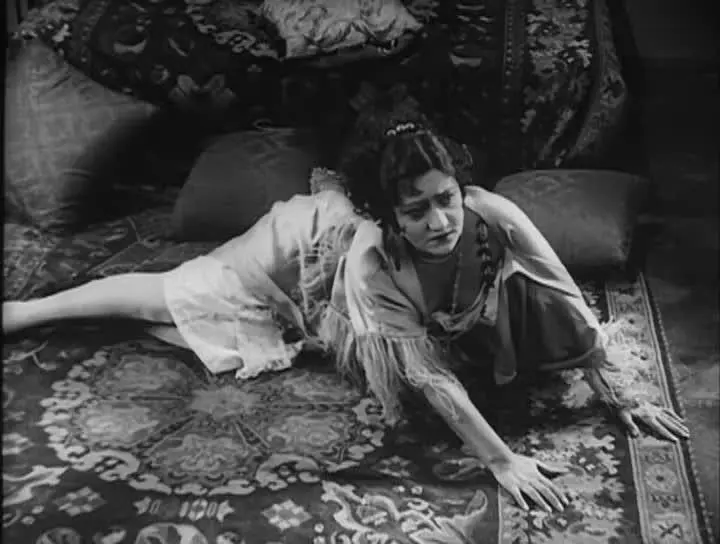
For the modern viewer, Predatel is worth watching if you want to see the origins of the political thriller. It provides a rare look at how the Soviet state viewed the internal 'enemy' during the mid-1920s. It is a stark, often uncomfortable experience that rewards those who pay attention to visual composition over traditional plot beats.
Viktor Shklovskiy’s involvement is the film's secret weapon. As the father of 'defamiliarization,' Shklovskiy likely pushed the production to present the familiar tropes of the revolution in a way that felt jagged and new. The pacing is deliberate, almost agonizingly so. It mimics the slow-burn anxiety of a man who knows his cover is thinning. The tension isn't built through chases, but through glances. A look that lingers too long, a question that goes unanswered—these are the weapons of Predatel.
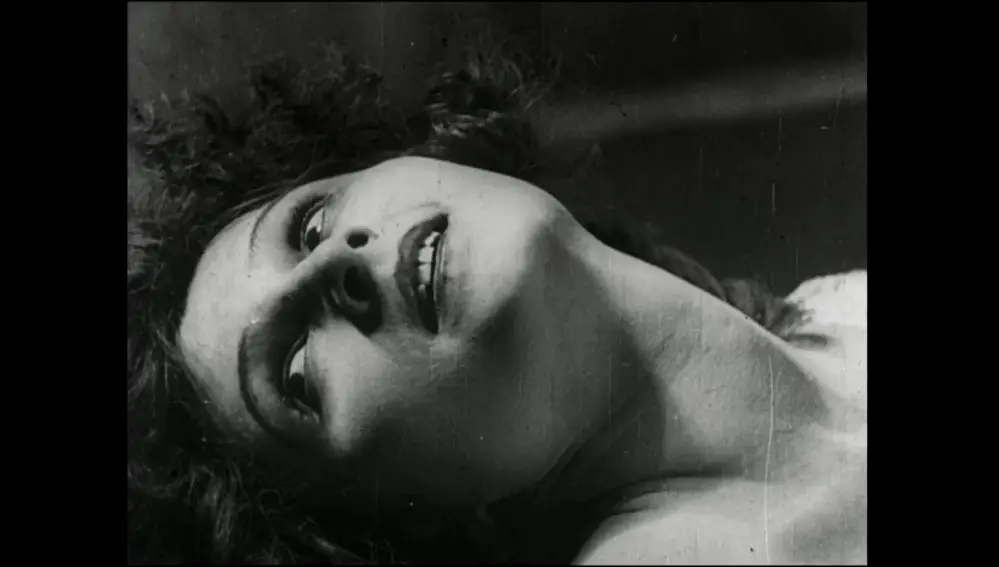
Compare this to the more standard melodramatic structures of Just a Woman. While that film relies on heightened emotional states, Predatel relies on the cold reality of the surveillance state. The agent’s isolation is palpable. He is a man without a country, even when he is standing in the middle of a crowd. It works. But it’s flawed. The heavy hand of the state is felt in the final reels, where the agent's capture feels less like a narrative necessity and more like a bureaucratic inevitability.
The cast is a who's-who of early Soviet talent. Nikolai Okhlopkov brings a grounded, physical intensity to his role. He doesn't act for the back row; he acts for the camera lens. But the real curiosity for many will be Anna Sten. Years before she was groomed by Samuel Goldwyn to be the 'next Greta Garbo' in Hollywood, Sten was here, proving she had a screen presence that transcended language. Her performance is less about the grand gestures of the silent era and more about a quiet, simmering intelligence.
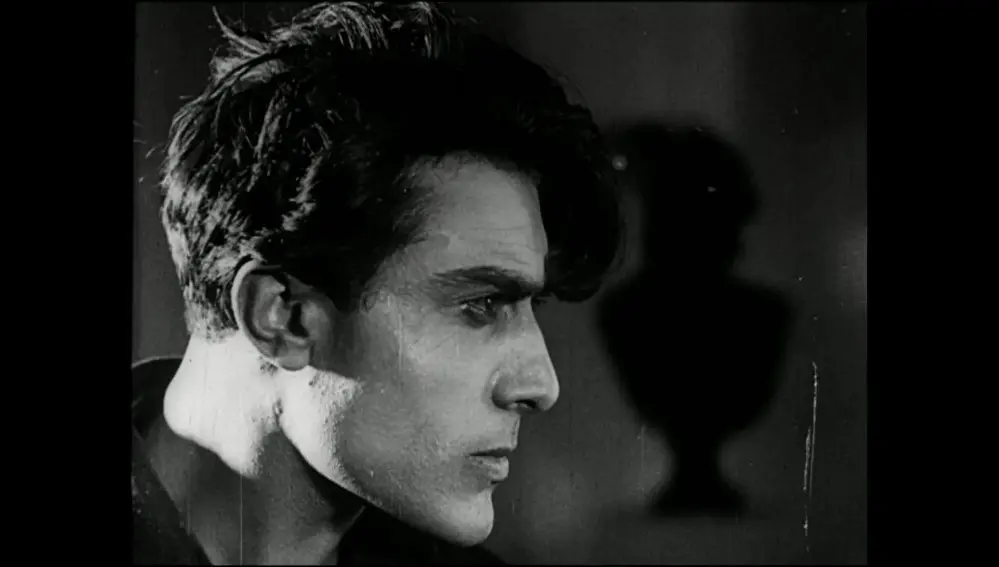
In one particular sequence, Sten’s character watches the agent from a distance. The way the light hits her face—sharp, angular, and unforgiving—suggests a level of suspicion that the script doesn't need to explain. It is pure cinema. It reminds the viewer that even in a propaganda-heavy environment, great actors can find the human truth between the lines of the manifesto. The ensemble as a whole avoids the theatricality of films like A Celebrated Case, opting instead for a gritty, unwashed realism that feels strikingly modern.
The cinematography in Predatel is a masterclass in shadow. The interiors of the sailors' quarters are cramped, oppressive, and textured. You can almost smell the salt air and the stale tobacco. The director (often attributed to various hands in the chaotic Soviet studio system of the time) uses the camera to trap the agent. Long shots are rare; the film prefers the medium close-up, forcing the audience into an uncomfortable proximity with the liar.
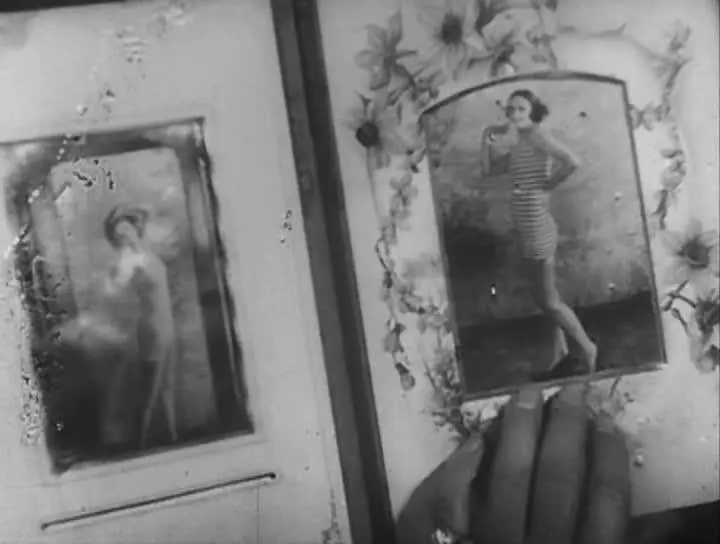
The film’s use of montage is less aggressive than Eisenstein’s, but no less effective. It uses rhythmic cutting to heighten the sense of impending doom. As the revolution approaches, the cuts become shorter, the images more fragmented. It’s a visual representation of a world breaking apart. It lacks the whimsical nature of Off the Trolley, replacing charm with a pervasive sense of dread. The revolution doesn't care about his reasons. It just kills him.
Pros: High-stakes psychological tension; exceptional use of lighting and shadow; historical significance of the cast and writers.
Cons: Pacing can feel sluggish in the middle act; overt political messaging may alienate modern audiences; some surviving prints suffer from significant age-related degradation.
Predatel is a fascinating, if occasionally heavy-handed, look at the moral rot that comes with living a double life. It is far more cynical than many of its contemporaries, eschewing the romanticism of The Dream Cheater for a cold, hard look at the consequences of political betrayal. While it was clearly designed to serve the Soviet state, the craft on display—particularly the script by Shklovskiy—elevates it above mere propaganda. It is a film about the end of an era, and it captures that transition with a brutal, unblinking eye. It’s not an easy watch, but for those who value the grit of early 20th-century cinema, it’s an essential one. The agent's face at the moment of his capture remains one of the most haunting images of the era—a man realizing that his masks have all finally slipped away.
IMDb —
1929
Community
Log in to comment.