DbcultAccessing Vault...
Cult Review
Senior Film Conservator
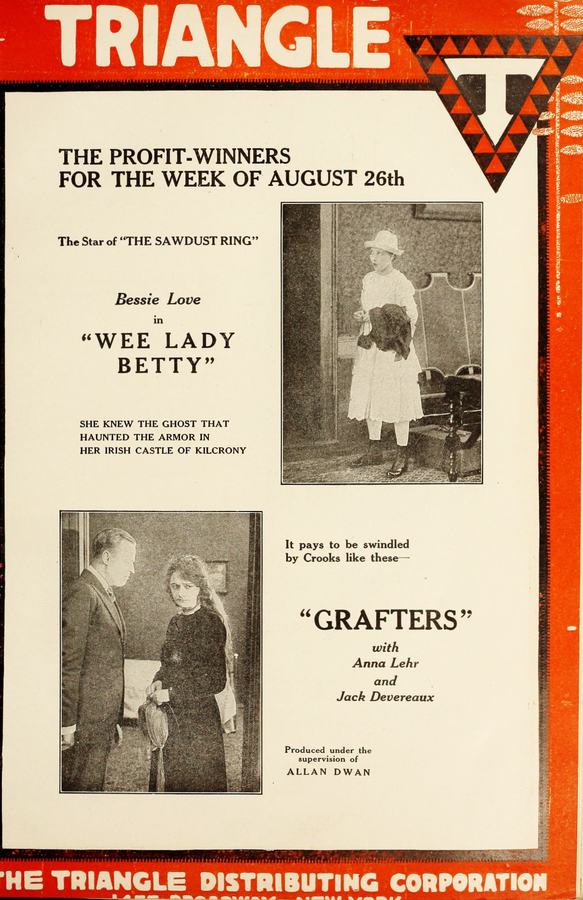
No one in 1923 needed Dolby surround to feel the crackle of a con; they only needed Anna Lehr’s pupils dilating like ink in water, and director James W. Adams knew it. Grafters is a pocket-sized morality play that manages to feel both pre-Code risqué and Puritan-cautionary, a high-wire contradiction performed without a net.
Shot largely in exhaled New York interiors, the film turns mahogany counters and café wicker into psychological coliseums. Cinematographer Robert Crimmins (pulling double duty as The Menace) bathes Lehr in Rembrandt side-light so that every close-up feels like a cameo carved from ivory tinged with nicotine. Shadows stretch like accused fingers across Jack’s tuxedo shirt, forecasting the fingerprint ink soon to stain it—a visual pun so sly it snickers.
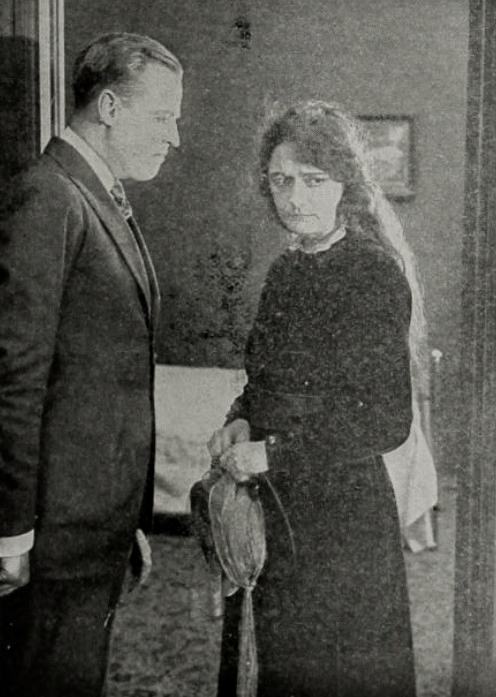
Anna Lehr is the film’s throbbing ventricle. Watch the tremor that flickers across her cheekbones when she pockets the marked hundred-dollar bill; it is the micro-expression of a woman bartering her soul on the installment plan. Opposite her, Jack Devereaux refuses the hamminess that dated many silent leading men; instead he acts with the back of his head, shoulders, the languid flick of a gloves-off gesture—an economy that speaks loudly in a medium without voices.
Adams’ intertitles are whip-cracks of urban poetry: “Easy money sits still—virtue jaywalks.” The script’s symmetry—each act of entrapment mirrored by an act of self-emancipation—anticipates the clockwork tragedies of Dorian Gray while never sermonizing. Compare it to the moral quicksand of Dzieje grzechu and you’ll find Grafters leaner, more caffeinated.
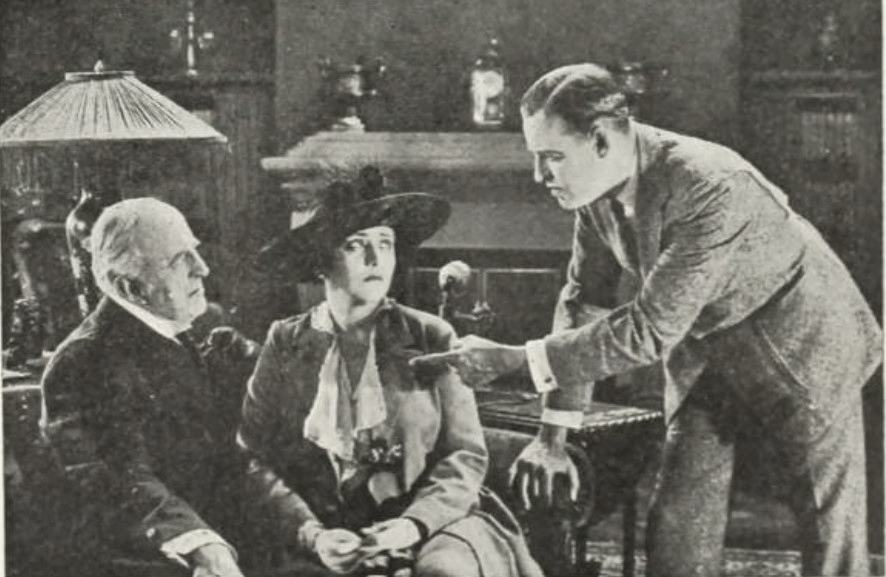
The film’s true currency is not Jack’s million but the photonegative of patriarchal control. Mrs. Ames—a dowager spider played by Irene Leonard—presides over the scam with the bored efficiency of a woman who has monetized every ‘no’ society ever told her. Her alliance with Laughing Louie, a goon whose grin arrives five seconds before the rest of his face, forms a capitalist ménage that feels queasily modern.
Adams lets ambient clatter—typewriter bells, elevated trains—bleed through the orchestra cues, reminding viewers that even when lips are sealed the city keeps gossiping. The absence of spoken dialogue intensifies the rustle of Doris’ taffeta when she pivots from temptress to protector; the dress itself testifies, a silk witness for the prosecution.
If Tangled Hearts is a valentine soaked in tears, Grafters is the same paper, dried and repurposed as a ransom note. Its DNA also splices into the toxic inheritance anxiety of The Highest Bid and the claustrophobic nightscapes of Five Nights, yet Grafters stays breezier, a champagne fizz that refuses to go flat even as the brimstone rises.
A 2019 4K restoration by the Eye Filmmuseum rescued a near-complete 35mm nitrate print struck from the camera negative. The tints—amber for interiors, viridian for exteriors—have been reinstated, so the film now looks like it was marinated in fireflies and bourbon. Stream it via Criterion Channel’s “Silent Slap & Seduction” cycle or snag the region-free Blu from Kino’s Shadowline box set.
At a brisk 58 minutes, Grafters is a shot of bootleg whiskey: swift, searing, leaving a smoky halo on the tongue of your mind. It is both cautionary tale and wish-fulfilment—proof that in America you can purchase redemption as easily as you can purchase trouble; you just need to know which pocket your conscience is snoozing in.
Verdict: mandatory viewing for anyone who believes silent cinema incapable of double-crossing your sympathies twice before breakfast.
IMDb —
1932
Community
Log in to comment.