DbcultAccessing Vault...
Cult Review
Senior Film Conservator
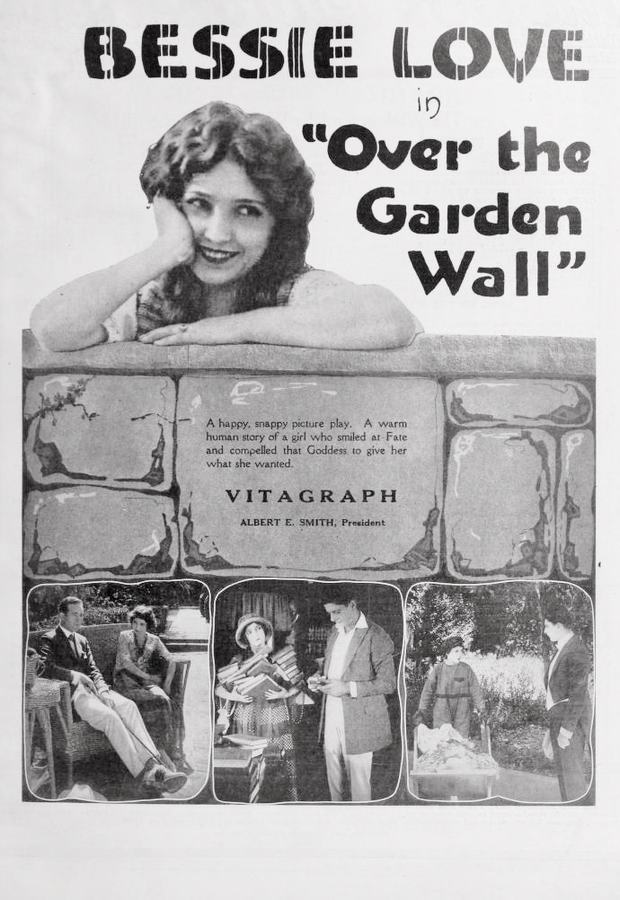
To watch Over the Garden Wall (1919) is to step into a world transitioning from the rigid Victorian moralities of the 19th century into the burgeoning, frenetic energy of the Roaring Twenties. This silent gem, featuring the incomparable Bessie Love, is more than a mere romantic comedy; it is a sociological study of displacement, the fragility of social standing, and the enduring power of feminine agency. At a time when the film industry was still finding its visual vocabulary, director Arthur Berthelet managed to craft a narrative that feels remarkably grounded in the anxieties of its era.
The year 1919 was a hinge point in history. The Great War had concluded, and the world was reeling from the Spanish Flu. In the midst of this global upheaval, cinema offered a space to process domestic shifts. This film focuses on the micro-level of the family unit, specifically the economic fall from grace. Unlike the grand spectacles seen in Male and Female (released the same year), which used a desert island to strip away class distinctions, Over the Garden Wall finds its drama in the everyday reality of moving from a mansion to a tenement.
Bessie Love’s performance as Peggy is a masterclass in silent era pantomime. While many of her contemporaries leaned into the hyperbolic 'Delsarte' style of acting—all wide eyes and clutching hands—Love brings a subtle, interior depth to her role. Her Peggy is not a victim of circumstance but an architect of her own happiness. When the family moves to "humbler quarters," she doesn't mourn the loss of fine china; she rolls up her sleeves. This pragmatism is a refreshing departure from the era’s penchant for the 'damsel in distress' trope often found in films like The Flame of Passion.
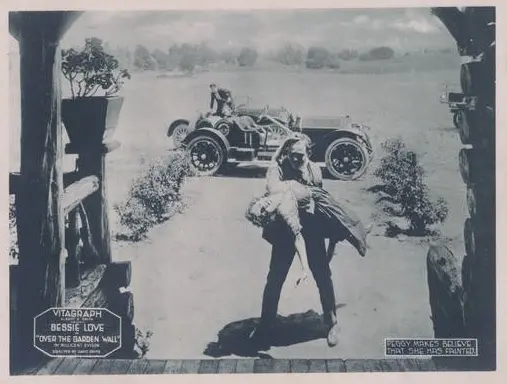
The chemistry between Love and her leading man (Edward Hearn) is built on a foundation of mistaken identity—a trope as old as Shakespeare but handled here with a light, almost ethereal touch. Peggy believes she is falling for a chauffeur, a man of her newly adopted social class. This "masquerade of the elite" allows the film to explore the concept of the 'noble poor.' It suggests that true character is independent of bank accounts, a theme also touched upon in A Corner in Cotton, though here it is handled with more whimsy and less melodrama.
The narrative brilliance of Over the Garden Wall lies in the stark contrast between the two sisters. While Peggy is the embodiment of adaptability, Frances (Myrtle Reeves) represents the tragic inability to let go of the past. Her character arc serves as a cautionary tale about the dangers of vanity and the lure of 'easy' escapes. Frances’s involvement with a roguish character is a plot point that mirrors the moral complexities found in The Vixen. She is looking for a shortcut back to the lifestyle she feels entitled to, making her vulnerable to the predations of men who trade in false promises.
The tension between the two sisters highlights a recurring theme in 1919 cinema: the split in the modern woman's identity. On one hand, you have the proto-flapper, independent and capable; on the other, the Victorian relic, dependent on social validation and male protection. The film doesn't judge Frances harshly, but it uses her near-ruin to elevate Peggy’s sacrificial nature. When Peggy steps in to save her sister, she risks her own standing, a selfless act that resonates with the themes of communal responsibility found in I Accuse (J'accuse), albeit on a much more intimate, domestic scale.
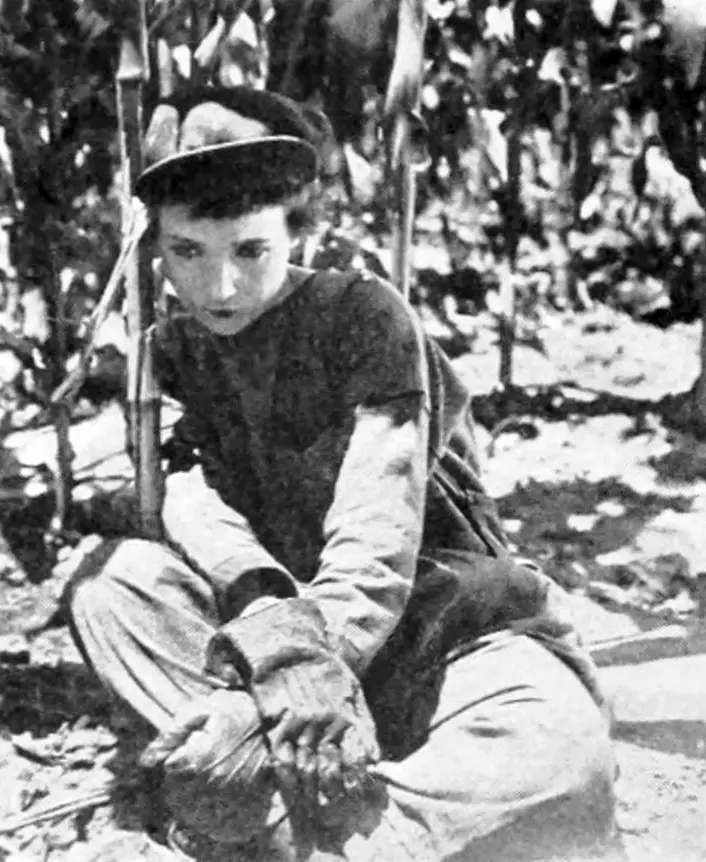
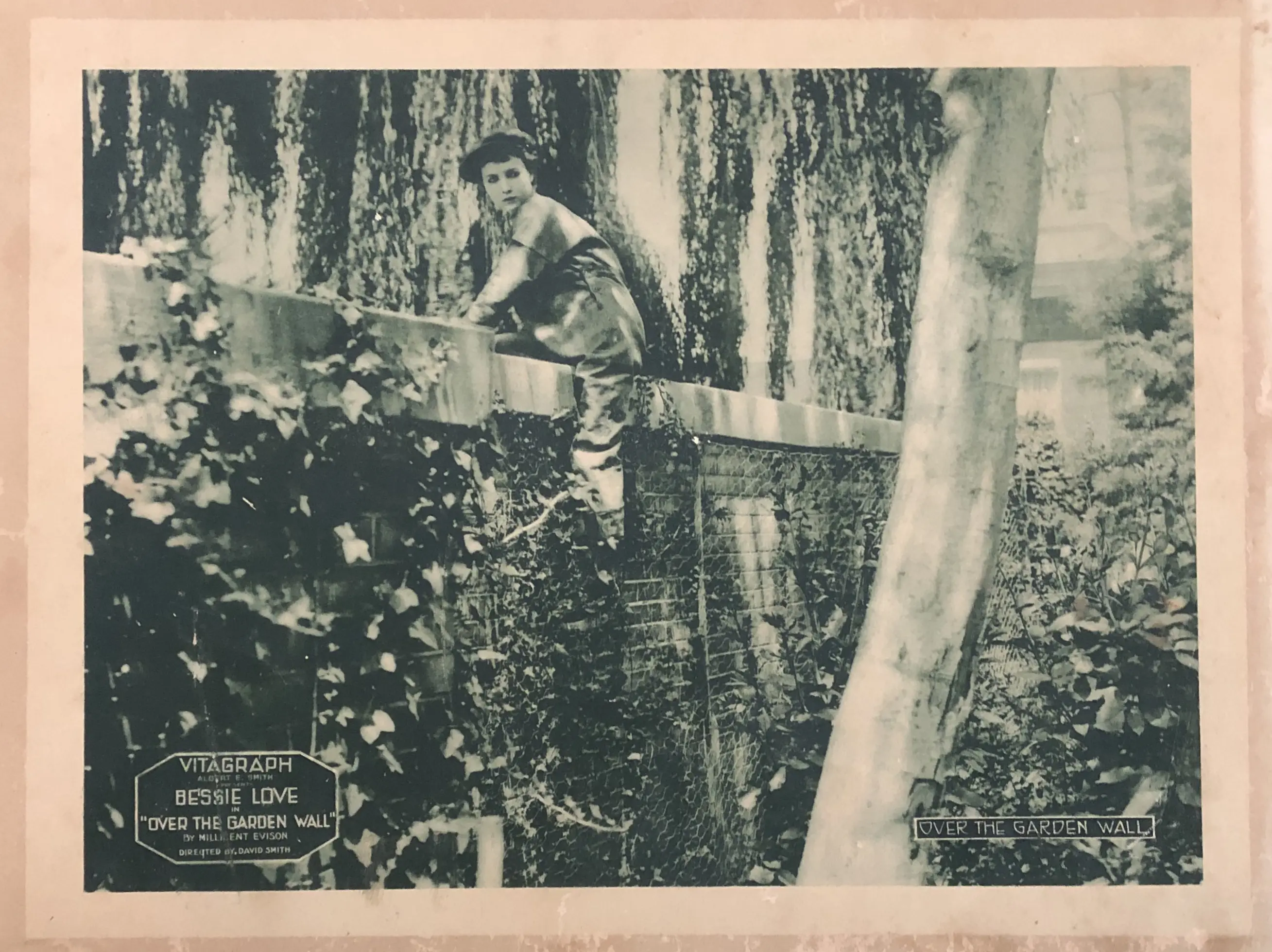
The titular "Garden Wall" is a stroke of symbolic genius. In the language of silent film, physical barriers often represented the insurmountable gaps between social classes. By placing the romance "over the wall," the film suggests that love is the only force capable of scaling these artificial boundaries. The cinematography of 1919 was beginning to play with depth of field and location shooting, and while Over the Garden Wall maintains a fairly traditional aesthetic, its use of the garden space creates a sense of Edenic isolation within a harsh urban reality.
This use of space reminds me of the stark environmental storytelling in Where the Trail Divides. In both films, the setting is not merely a background but a participant in the drama. The "humbler quarters" are cramped and dimly lit, emphasizing the family's fall, while the neighbor's estate is airy and expansive, representing the life they lost and the hope Peggy eventually finds.
The subplot involving the rogue who attempts to elope with Frances is a fascinating look at the era's preoccupation with 'disgrace.' In 1919, a woman's reputation was her only currency. To elope was to bankrupt oneself socially. This threat of imminent disgrace is a powerful engine for the plot, similar to the stakes seen in The Church and the Woman. Peggy’s intervention is not just a sisterly act; it is a tactical maneuver to preserve the family’s remaining shred of dignity.
The resolution—where the 'chauffeur' reveals his true identity and rescues Peggy—might seem like a deus ex machina to modern audiences, but within the context of the time, it was a necessary catharsis. It rewards Peggy’s virtue and her willingness to love regardless of status. It’s a reversal of the cynicism found in later films like The Shell Game, where deception often leads to darker ends. Here, the deception is benevolent, a test of the heart that Peggy passes with flying colors.
Critics often overlook these smaller domestic dramas in favor of the era's technical milestones, but Over the Garden Wall offers something more human. It captures the resilience of the spirit when faced with the 'idleness' of the previous generation (represented by the father). It speaks to the universal desire to be seen for who we are, rather than what we have. While it may not have the haunting intensity of Hilde Warren und der Tod, it possesses a warmth and a sincerity that is increasingly rare in contemporary cinema.
The film also serves as a poignant reminder of Bessie Love's range. From the silent era through the transition to talkies, her ability to convey complex emotions with a single glance remained unparalleled. In Over the Garden Wall, she is the glue that holds the disparate parts of the story together. Whether she is scrubbing a floor or looking longingly over a stone wall, she commands the screen with an effortless grace.
In conclusion, Over the Garden Wall is a vital piece of cinematic history. It bridges the gap between the moralistic plays of the past and the character-driven narratives of the future. It’s a film about climbing walls—not just the physical ones that divide properties, but the social and emotional ones that divide people. For anyone interested in the evolution of storytelling, it is an essential watch, standing alongside other character studies like The Learnin' of Jim Benton as a testament to the power of the individual against the tides of circumstance.

IMDb —
1922
Community
Log in to comment.