DbcultAccessing Vault...
Cult Review
Senior Film Conservator
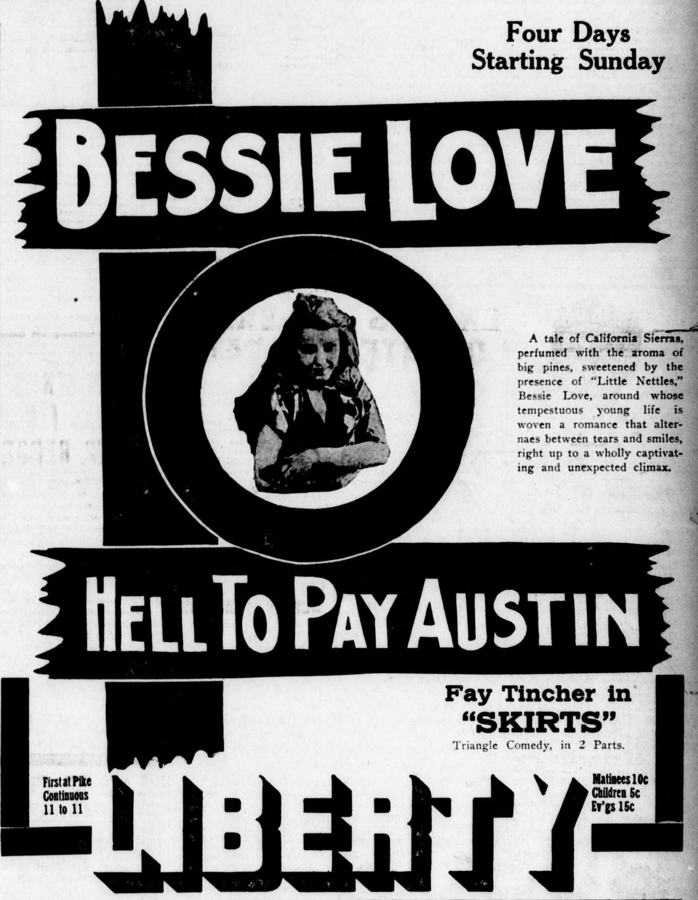
Stepping back into the nascent days of cinematic storytelling, one encounters gems that, despite the passage of a century, retain a potent, resonant charm. 'Hell-to-Pay Austin' is precisely such a film, a silent era narrative tapestry woven with threads of raw emotion, societal defiance, and the transformative power of an improbable bond. It is a testament to the universal language of human experience, conveyed through the expressive pantomime and evocative title cards that defined the medium's golden age. In an era when cinema was still finding its voice, films like 'Hell-to-Pay Austin' dared to explore complex human relationships, challenging the conventional moral frameworks of the time and offering a glimpse into the evolving social landscape. This particular feature, penned by the insightful Mary H. O'Connor, stands as a compelling example of how early narratives could encapsulate profound human drama with remarkable depth and nuance, making it far more than a mere historical curiosity.
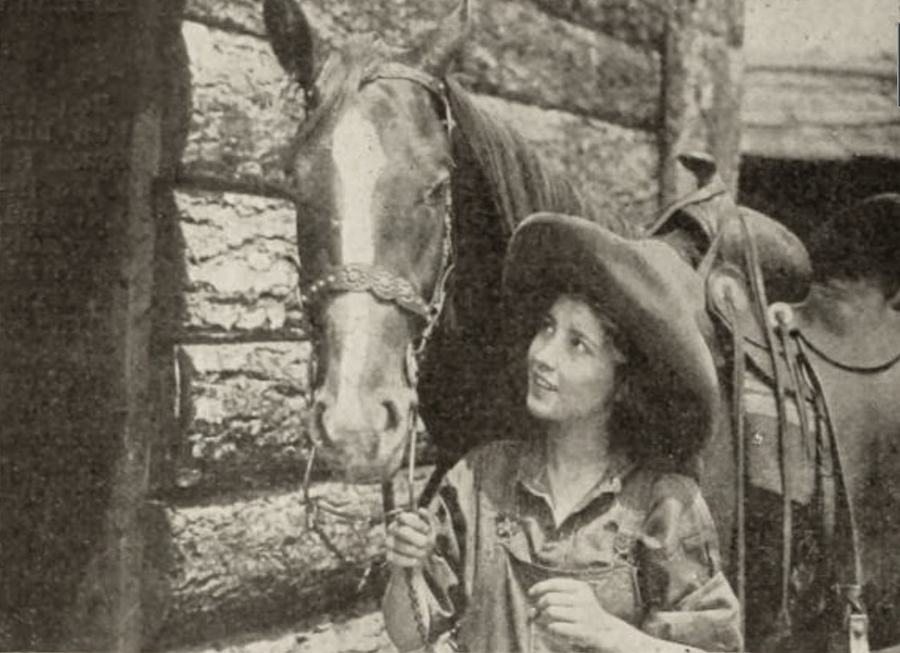
The narrative commences amidst the rugged, unforgiving backdrop of a lumber camp, a setting typically associated with hardened masculinity and the relentless struggle against nature. It is into this world, bereft of feminine softness, that young Briar Rose, a recent orphan, is thrust following her father's untimely demise. Her vulnerability, however, is met not with indifference but with a surprisingly tender, if gruff, acceptance from the camp's denizens. Yet, it is the formidable 'Hell-to-Pay' Austin, portrayed with compelling gravitas by Ralph Lewis, who becomes the focal point of Briar's innocent affection. Lewis, a stalwart of the silent screen, imbues Austin with a palpable sense of internal conflict – a man whose very moniker suggests a life lived on the fringes, marked by impulsive actions and a fiery temper. Briar's intuitive preference for Austin is not merely a child's whim; it is an unspoken recognition of a latent kindness beneath his formidable exterior. This nascent connection sparks a profound, if gradual, metamorphosis within Austin. Her presence acts as a powerful, silent catalyst, compelling him to confront and ultimately relinquish the destructive habits that defined his existence. The hard drinking and the needless brawling, once intrinsic to his identity, begin to recede, replaced by a newfound sense of responsibility and a burgeoning paternal devotion. This arc of redemption, driven by the purest form of innocent love, echoes similar themes found in films like Boston Blackie's Little Pal, where a hardened criminal finds solace and moral guidance through the bond with a child. Austin's journey is not a sudden epiphany but a slow, arduous recalibration of his moral compass, a testament to the quiet, persistent power of unconditional affection.
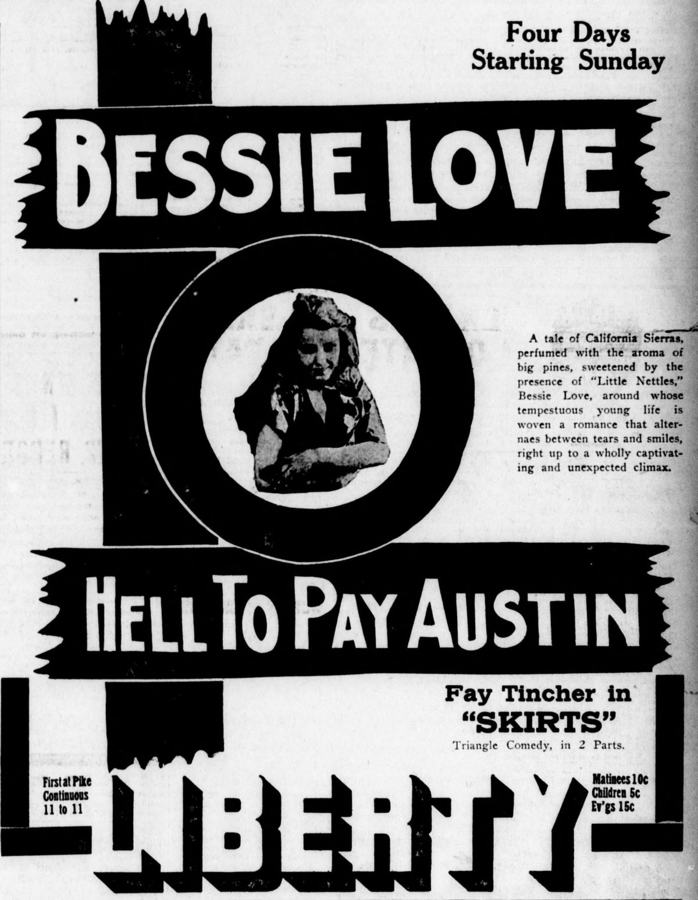
Bessie Love, as Briar Rose, delivers a performance that is at once delicate and profoundly impactful. Her portrayal of the young girl is far from passive; she is the emotional anchor of the story, her innocence serving as both a shield and a mirror, reflecting Austin's evolving character. Love's expressive eyes and subtle gestures convey a depth of emotion that transcends the spoken word, making her influence on Austin entirely believable. It is through her guileless affection that Austin finds a purpose beyond the transient pleasures of the lumber camp. However, as Briar blossoms into young womanhood, the narrative takes a poignant turn. Her departure for schooling, intended to broaden her horizons, inadvertently exposes her to the seductive dangers of urban life. She falls in with what the film delicately terms 'the wrong crowd,' specifically under the insidious influence of Doris Valentine, an adventuress expertly played by Mary Alden. Alden's portrayal of Valentine is a masterclass in silent film villainy, her calculated charm and manipulative machinations painting a stark contrast to Briar's inherent purity. This segment of the film serves as a cautionary tale, a common trope in early cinema, exploring the vulnerability of innocence when confronted with the moral ambiguities of a more 'civilized' world. The contrast between the rugged honesty of the lumber camp and the deceptive glamour of urban society is sharply drawn, highlighting the film's commentary on societal values. This thematic exploration of innocence corrupted by external influences resonates with narratives found in films such as The Vixen or The Decoy, where female protagonists navigate treacherous social landscapes. Briar's entanglement with Doris Valentine is not merely a plot device; it is a critical juncture that tests Austin's unwavering commitment and sets the stage for the narrative's ultimate, daring resolution.
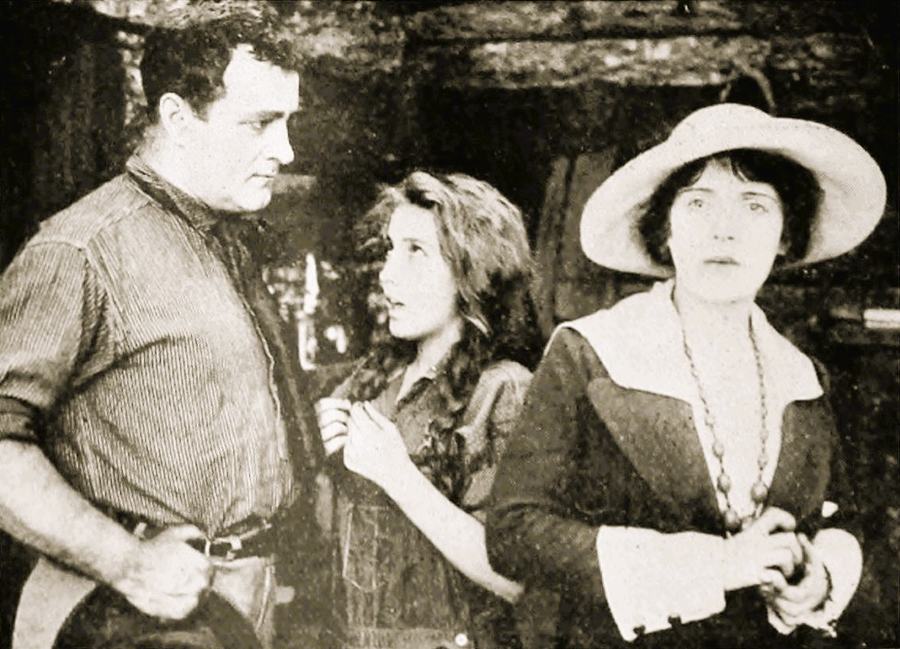
The climax of Briar's misadventure sees Austin once again stepping into his role as protector, retrieving her from the clutches of Doris Valentine. This dramatic reunion, however, precipitates a far more profound and unexpected revelation. The bond that began as paternal guardianship, nurtured through years of shared life and mutual influence, has subtly, almost imperceptibly, matured into something else entirely: a deep, passionate, and reciprocal love. The realization dawns upon both Austin and Briar with a startling clarity, challenging the very fabric of their established relationship and societal expectations. This pivotal moment is handled with remarkable sensitivity, considering the era of the film's production. The decision to transition from guardian and ward to husband and wife is a bold narrative choice, pushing the boundaries of what was considered acceptable or even conceivable in mainstream cinema of the time. It is a testament to the film's courage in exploring the complexities of human emotion, suggesting that love can blossom in the most unconventional of circumstances, defying pre-ordained roles and societal strictures. This audacious conclusion positions 'Hell-to-Pay Austin' as more than just a melodrama; it becomes a commentary on the fluid nature of familial bonds and the transformative power of genuine affection. The film, through this daring resolution, invites its audience to ponder the true essence of connection, questioning whether love can ever truly be confined by labels or conventional wisdom. This theme of unconventional love finding its footing against societal norms can be seen in other complex relationships explored in films like The Lure of Heart's Desire, which often delved into romantic unions that challenged the status quo.
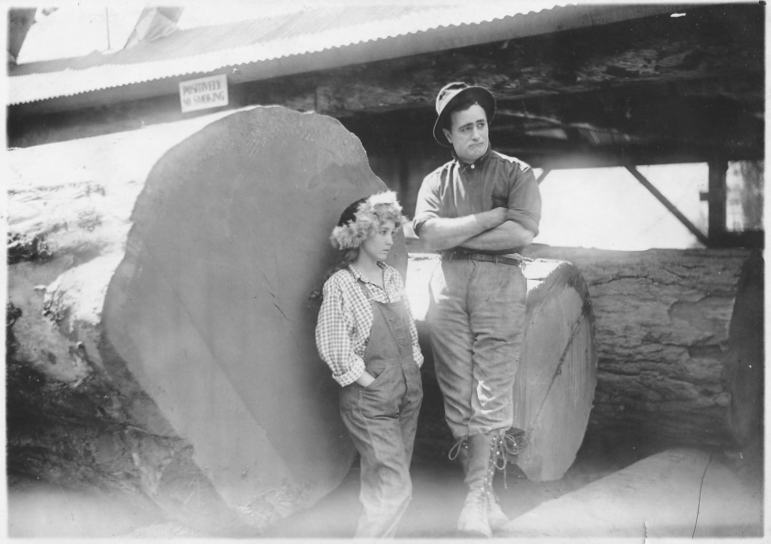
The success of 'Hell-to-Pay Austin' hinges significantly on the exceptional performances of its lead actors, Ralph Lewis and Bessie Love. Ralph Lewis, with his imposing stature and rugged features, masterfully conveys Austin's journey from a rough-hewn logger to a tender, devoted guardian, and ultimately, a loving partner. His physicality, so crucial in silent cinema, speaks volumes; a softening gaze, a hesitant touch, a determined stride – each gesture is meticulously crafted to express the profound shifts within his character. Lewis avoids caricature, instead building a nuanced portrait of a man capable of great violence and even greater affection. His transformation is utterly convincing, making the audience believe in the redemptive power of Briar's presence. Bessie Love, on the other hand, embodies Briar Rose with an exquisite blend of innocence, vulnerability, and burgeoning strength. Her evolution from a wide-eyed child seeking comfort to a young woman grappling with societal temptations and ultimately embracing a profound love is portrayed with remarkable authenticity. Love’s ability to convey complex emotional states through her facial expressions and body language is a testament to her skill as a silent film actress. The chemistry between Lewis and Love, though unconventional, is palpable, creating a believable and deeply moving bond that anchors the entire narrative. Even supporting roles, such as Mary Alden's Doris Valentine, contribute significantly to the film's dramatic tension. Alden expertly crafts a character who is both alluring and treacherous, serving as a crucial catalyst for Briar's journey of self-discovery and Austin's unwavering commitment. The ensemble's ability to communicate such intricate emotional landscapes without dialogue is a powerful reminder of the artistry inherent in silent film acting.
The narrative prowess behind 'Hell-to-Pay Austin' is credited to Mary H. O'Connor, whose screenplay demonstrates a sophisticated understanding of character development and thematic depth. In an era where many films relied on spectacle or simplistic morality plays, O'Connor crafted a story rich in psychological nuance and social commentary. The pacing of the film, guided by her script, allows for a gradual unfolding of character arcs and emotional transformations, ensuring that the audience is fully invested in Austin and Briar's journey. The use of intertitles, far from being mere expository text, often served to enhance the emotional resonance, providing insights into characters' thoughts or advancing the plot with poetic brevity. The visual storytelling, characteristic of silent cinema, is particularly effective here. The stark contrast between the natural, untamed beauty of the lumber camp and the artificial, often corrupting, environment of the city is visually striking, reinforcing the film's thematic explorations. Cinematography, though perhaps less overtly experimental than in later years, effectively captures the rugged authenticity of the setting and the intimate emotional moments between the characters. The direction ensures that every gesture, every expression, every shift in lighting contributes to the overall narrative and emotional impact. This careful craftsmanship in storytelling, where visual cues and emotional performances carry the weight of the narrative, is what elevates 'Hell-to-Pay Austin' beyond a simple tale, making it a compelling piece of early cinematic art. Films like The Great Problem also showcased how compelling narratives could be woven through visual cues and strong character development, even without spoken dialogue, relying heavily on the screenwriter's vision.
At its core, 'Hell-to-Pay Austin' is a profound exploration of redemption and the courage to defy societal norms. Austin's journey is a classic redemptive arc, but it is unique in that his transformation is not spurred by a grand, external event, but by the quiet, persistent influence of a child's love. It speaks to the idea that true change often comes from within, ignited by the purest forms of human connection. This mirrors the spiritual and moral awakenings seen in other films of the period, where characters were often forced to confront their pasts and choose a path of righteousness. The film also delves into the complexities of unconventional family structures. In an era with rigid expectations about family and relationships, the bond between Austin and Briar, evolving from guardian and ward to husband and wife, was undoubtedly provocative. It challenged the prevailing notions of appropriate relationships and highlighted the capacity of love to transcend societal constructs. This narrative choice was daring, inviting audiences to reconsider the boundaries of affection and commitment. The film's willingness to tackle such a sensitive subject matter with sincerity and emotional depth is commendable, positioning it as a quietly subversive piece of early cinema. It suggests that love, in its myriad forms, can forge bonds stronger than any societal decree, a theme that resonates even in contemporary discussions about diverse family units. The film's subtle yet powerful commentary on the fluidity of relationships and the transformative power of love makes it a timeless piece of storytelling that continues to provoke thought and discussion, much like the challenging themes explored in His Bonded Wife, which also examined unconventional marital arrangements and female agency.
Even a century after its initial release, 'Hell-to-Pay Austin' retains a surprising contemporary relevance. Its exploration of redemption, the power of unconventional love, and the perils of societal corruption are themes that continue to resonate with modern audiences. The film serves as a potent reminder that the fundamental human experiences of love, loss, and transformation are universal and timeless, transcending the technological and cultural shifts that separate us from the silent era. For students of film history, it offers invaluable insights into the narrative conventions and artistic sensibilities of early cinema, showcasing how filmmakers of the period crafted compelling stories without the aid of synchronized sound or complex special effects. For the casual viewer, it provides a window into a bygone era, allowing for an appreciation of the foundational artistry upon which all subsequent cinematic achievements have been built. Moreover, the film’s willingness to portray a relationship that defies conventional norms speaks to an enduring human desire for connection that transcends societal labels. It challenges us to look beyond superficial classifications and recognize the depth and authenticity of love wherever it may be found. In an age saturated with sound and spectacle, the quiet power of 'Hell-to-Pay Austin' serves as a poignant testament to the enduring magic of visual storytelling and the profound impact of human emotion, proving that some narratives are so intrinsically human that they echo across generations, their silent voices speaking volumes to those willing to listen.
In conclusion, 'Hell-to-Pay Austin' is far more than a historical artifact; it is a vibrant, emotionally charged narrative that continues to captivate and provoke thought. Its compelling characters, daring plot, and masterful silent performances solidify its place as a significant contribution to early American cinema. It is a film that asks us to consider the true nature of family, the transformative power of love, and the courage it takes to forge one's own path against the backdrop of societal expectation. A true gem from the silent era, it deserves to be rediscovered and celebrated for its enduring artistry and profound emotional resonance.
IMDb —
1927
Community
Log in to comment.