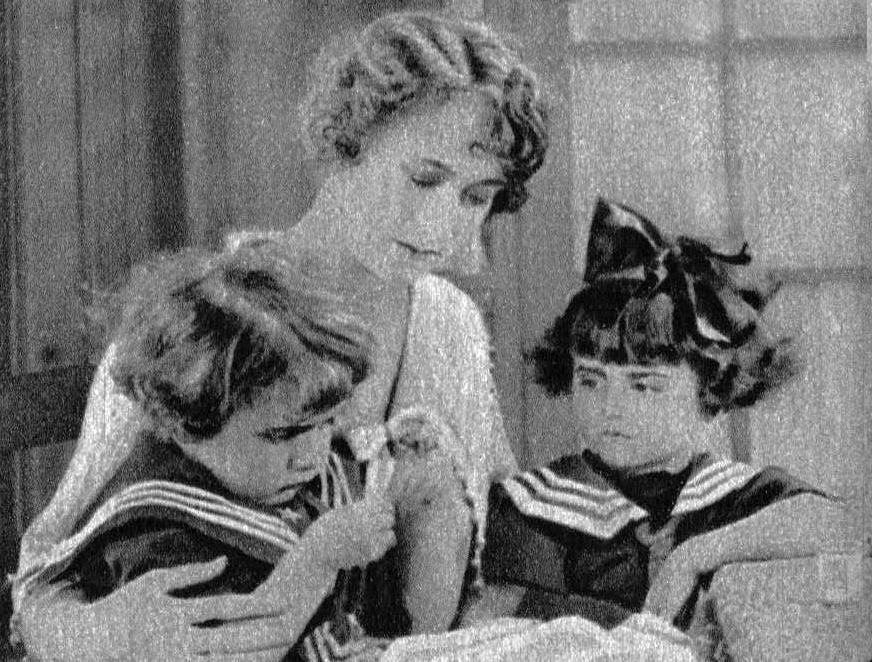
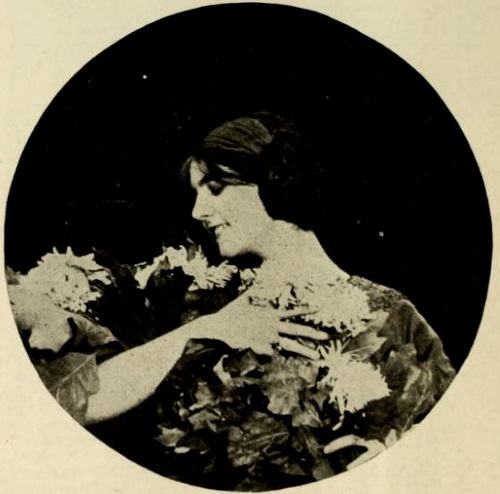
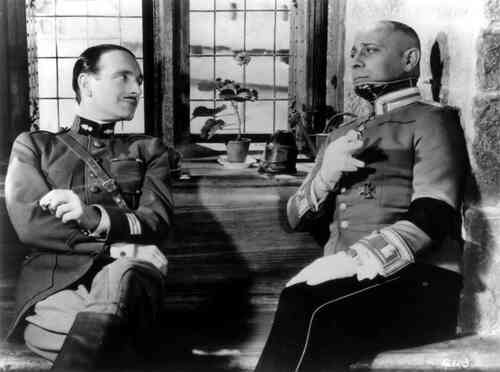
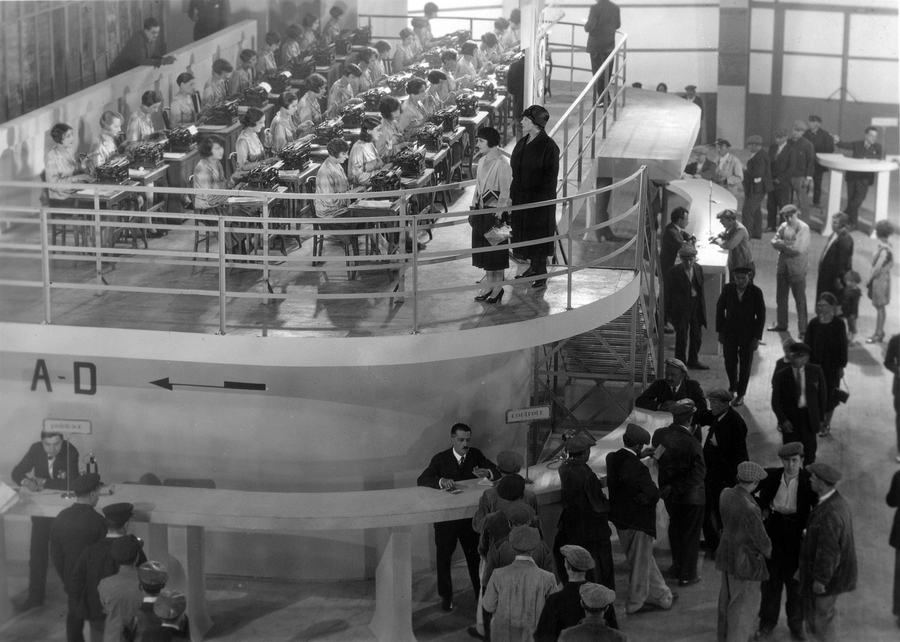
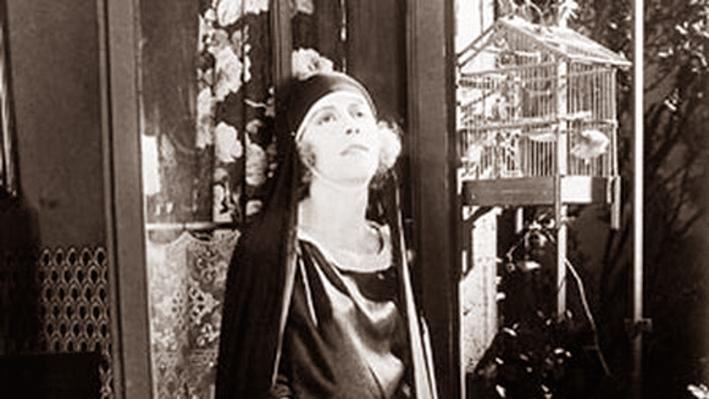
Max, Suzanne's boyfriend, has been kidnapped by baron de Hofland, a rich foreigner who covets Suzanne. Hofland has locked up Max in one of the many villas he owns and uses as hideouts.
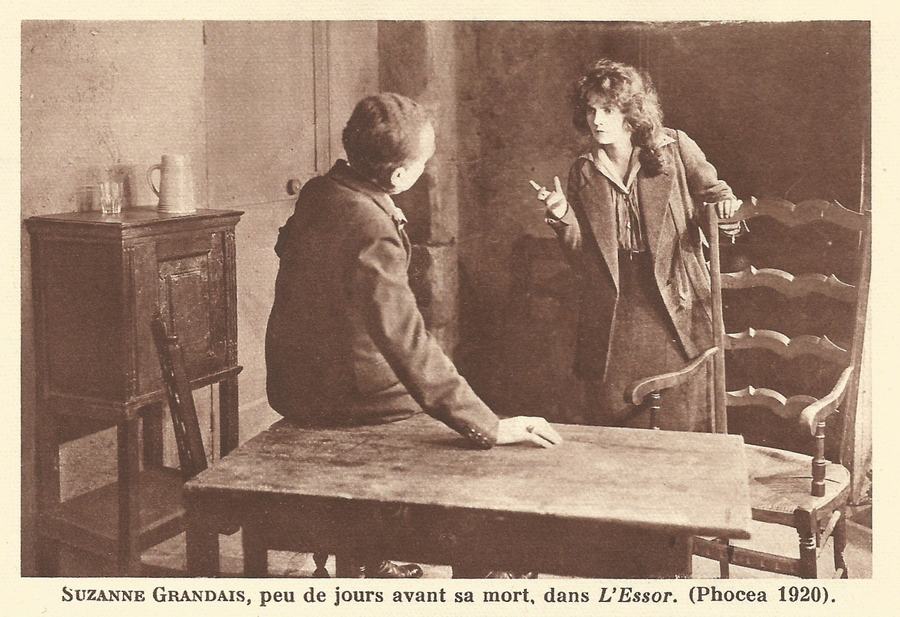
The first time I saw L’essor, the print flickered like a heart arrhythmia—nitrate sprockets gasping for oxygen in a Paris cinémathèque basement. Ninety minutes later I surfaced, lungs full of 1924 ether, convinced I’d inhaled the ozone of a country still licking Verdun’s wounds. Charles Burguet’s film is ostensibly a c...
still_frame
Comparing the cinematic DNA and archive impact of two defining moments in cult history.
Charles Burguet
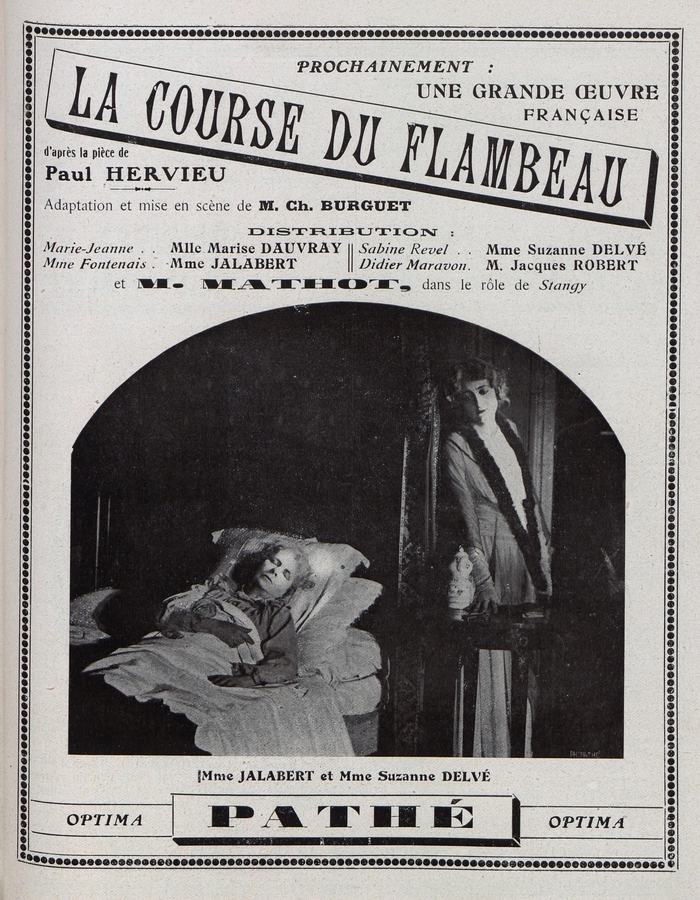
Charles Burguet
Community
Log in to comment.
"The first time I saw L’essor, the print flickered like a heart arrhythmia—nitrate sprockets gasping for oxygen in a Paris cinémathèque basement. Ninety minutes later I surfaced, lungs full of 1924 ether, convinced I’d inhaled the ozone of a country still licking Verdun’s wounds. Charles Burguet’s film is ostensibly a chase: Suzanne’s quest to wrench Max from Baron de Hofland’s migratory prisons. Yet beneath that thriller skin pulses a treatise on property, bodies, and the queasy alchemy by which..."
Jeanne Bérangère
Charles Burguet
France