DbcultAccessing Vault...
6.2/10
Senior Film Conservator
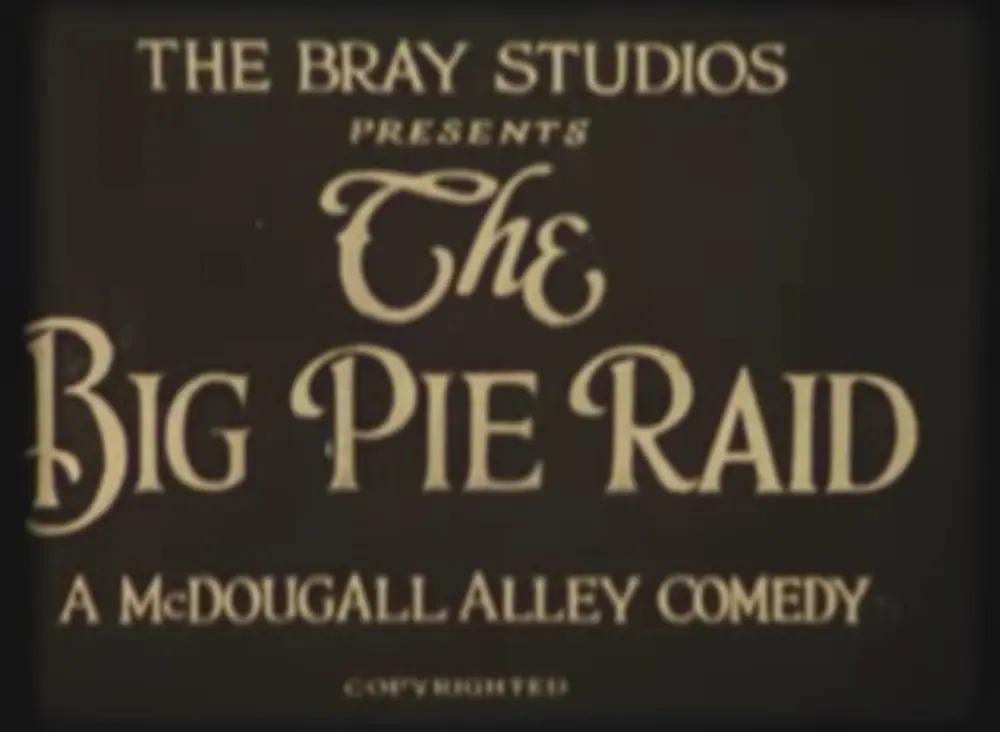
A definitive 6.2/10 rating for a film that redefined the boundaries of cult cinema. Big Pie Raid remains a cornerstone of transgressive art.
Is Big Pie Raid a forgotten relic or a timeless riot? Short answer: yes, it remains a visceral masterclass in escalating stakes, even if its mid-section gets bogged down in the literal mud.
This film is for the viewer who finds beauty in the mechanics of a well-timed pratfall and the raw energy of early 20th-century ensemble comedy. It is not for anyone seeking a narrative with emotional depth, complex character arcs, or a clean, mud-free aesthetic.
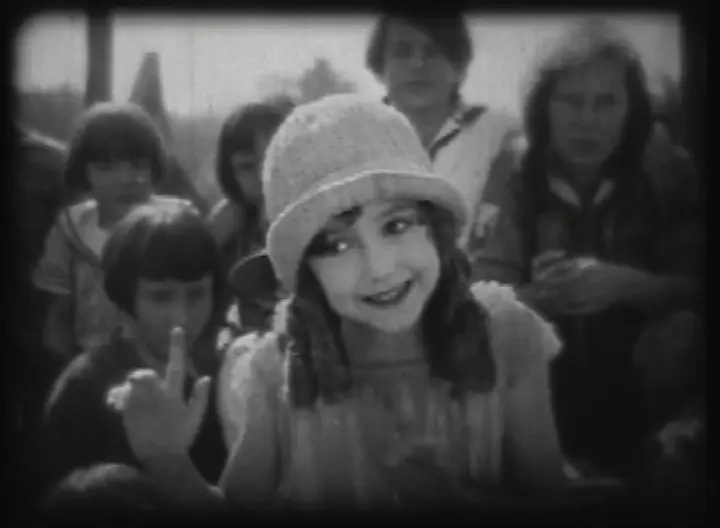
This film works because the escalation from mud to pies feels mathematically earned rather than forced. This film fails because the initial trench sequence, while atmospheric, lingers slightly too long before the pastry payoff. You should watch it if you want to see the pure, unadulterated DNA of physical comedy before it became overly polished and safe.
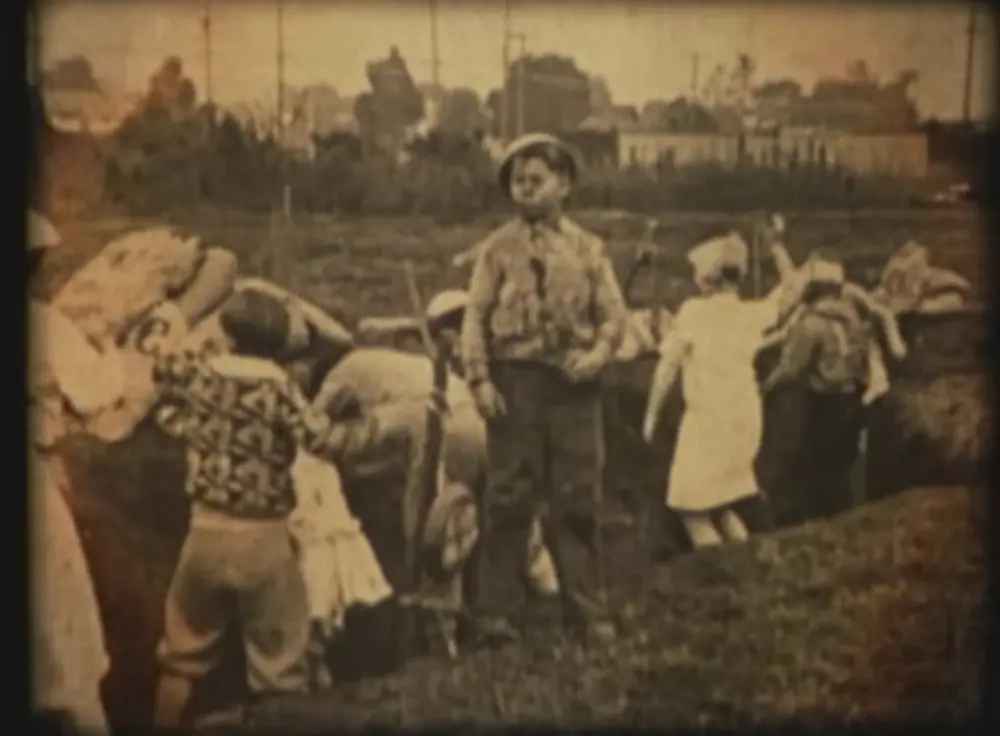
The film opens not with a joke, but with a setting. The vacant lot where the McDougall Kids congregate is treated with a surprising amount of gravity. Unlike the whimsical sets of Pigtails and Peaches, the environment here feels lived-in and genuinely dirty. The trenches aren't just props; they are the boundaries of a miniature society. When Tommy Hicks and Sherwood Bailey stare each other down across the dirt, there is a palpable sense of stakes that transcends the usual 'kids being kids' trope.
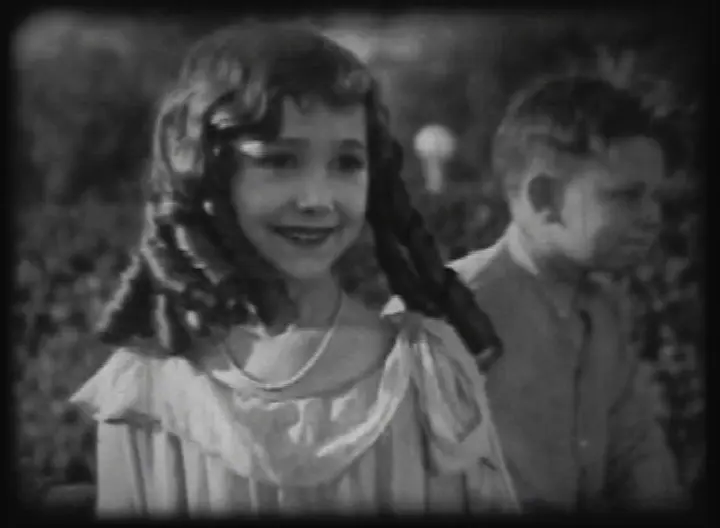
The directing choice to frame these skirmishes like a parody of Great War newsreels is a stroke of genius. You can see echoes of the gritty realism found in Stranded, but subverted through the lens of juvenile rivalry. The mud isn't just a comedic tool; it's a costume. By the ten-minute mark, the children are indistinguishable from the earth they are fighting over. It is messy. It is gritty. It works. But it is flawed in its pacing.
The pie fight in this film is a classic because it utilizes the 'Expanding Circle' theory of comedy. It starts with two children, moves to a group, involves a professional baker, and finally consumes the entire neighborhood. This transition from private play to public nuisance creates a sense of runaway momentum that is impossible to ignore. Each thrown pie represents a collapse of social order, making the laughter a release of tension regarding adult authority.
There is a specific kind of energy in the McDougall Kids that you don't often see in modern child acting. Today, child stars are often 'stage-managed' into a state of uncanny cuteness. In Big Pie Raid, the kids look like they haven't seen a bathtub in a week. Godfrey Craig and Jack McHugh bring a feral intensity to the screen. When a mud ball hits a target, the reaction isn't a rehearsed double-take; it’s a genuine flinch followed by a look of calculated revenge.
Compare this to the more structured performances in The Clown's Little Brother. While that film relies on sentiment, Big Pie Raid relies on the physics of impact. The mud is the message. There is an honesty in their movements that makes the eventual pie-flinging feel like a natural evolution of their personalities rather than a scripted stunt. They aren't just actors; they are agents of chaos.
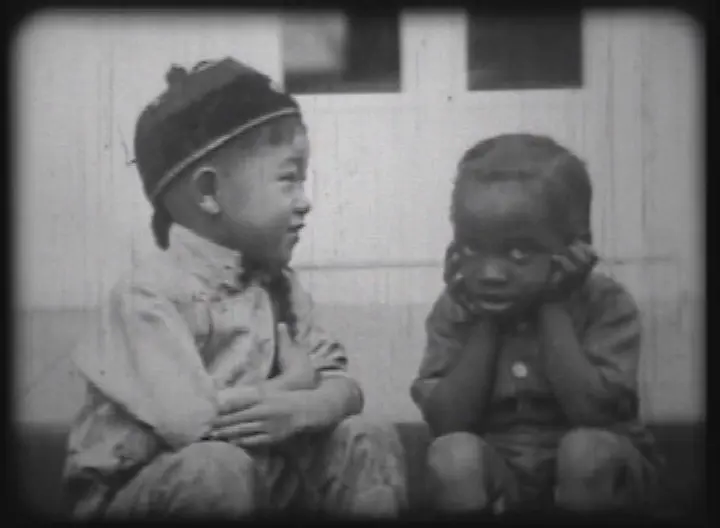
Technically, the film handles the visual contrast of the 'weapons' brilliantly. For the first half, the screen is dominated by dark, textured mud. It’s heavy and slow. When the pie wagon breaks, the introduction of white cream and light crust creates a visual explosion. The screen literally brightens with the introduction of the pies. This shift in color palette signals a shift in the film's tone—from the 'slogging war' of the trenches to the 'aerial assault' of the pie fight.
The camera work during the wagon crash is particularly impressive for the era. It doesn't shy away from the wreckage. You see the wheels buckle, the crates tumble, and the immediate realization on the kids' faces that they have hit the jackpot. It’s a moment of pure cinematic joy that rivals the mechanical gags found in The Boat. The framing remains wide enough to capture the scale of the mess, yet close enough to see the sticky residue on the bystanders' faces.
Here is a debatable opinion: Big Pie Raid is actually a sharper critique of class and labor than many 'serious' films of the 1920s like Vengeance Is Mine!. Think about the baker. He is a working-man just trying to complete a delivery. His entire livelihood is destroyed in seconds for the sake of a game. The film doesn't ask us to pity him; it asks us to laugh at the fragility of his world. The pie is the ultimate social equalizer. Once you are covered in meringue, your dignity, your job, and your social standing vanish.
The unconventional observation here is that the bystanders are the true villains. They don't try to stop the fight; they either become victims or participants. It suggests that deep down, every adult is just a McDougall kid waiting for an excuse to throw something. This nihilistic undertone is what gives the film its bite. It’s not just about pies; it’s about the thin veneer of civilization. It’s a sticky, sugary apocalypse.
Pros:
- Exceptional physical performances from the child cast.
- High-stakes escalation that keeps the final five minutes frantic.
- Visually distinct 'war' zones that make the lot feel like a real battlefield.
- A lack of sentimentality that keeps the comedy sharp.
Cons:
- Some of the 'bystander' reactions feel a bit dated and over-the-top.
- The film takes a while to reach its titular 'Pie Raid'.
- Limited narrative depth beyond the central conflict.
Yes. If you have any interest in the history of comedy, Big Pie Raid is essential viewing. It lacks the polish of a Chaplin or Keaton feature, but it possesses a raw, communal energy that those solo star vehicles often miss. It’s a reminder that sometimes, the best special effect is just a well-aimed custard pie and a group of kids who don't mind getting dirty. It’s a loud, messy, and unapologetic piece of cinema that proves some jokes are universal.
Big Pie Raid is a fascinating specimen of early slapstick. It doesn't have the romantic charm of The Charming Mrs. Chase or the suspense of The Show, but it doesn't need them. It excels at one thing: escalating chaos. While the mud fight might test the patience of a modern audience used to faster cuts, the payoff is worth the wait. It’s a sticky masterpiece of the mundane turning into the monumental. Watch it for the history, stay for the splat.

IMDb —
1925
Community
Log in to comment.