DbcultAccessing Vault...
Cult Review
Senior Film Conservator
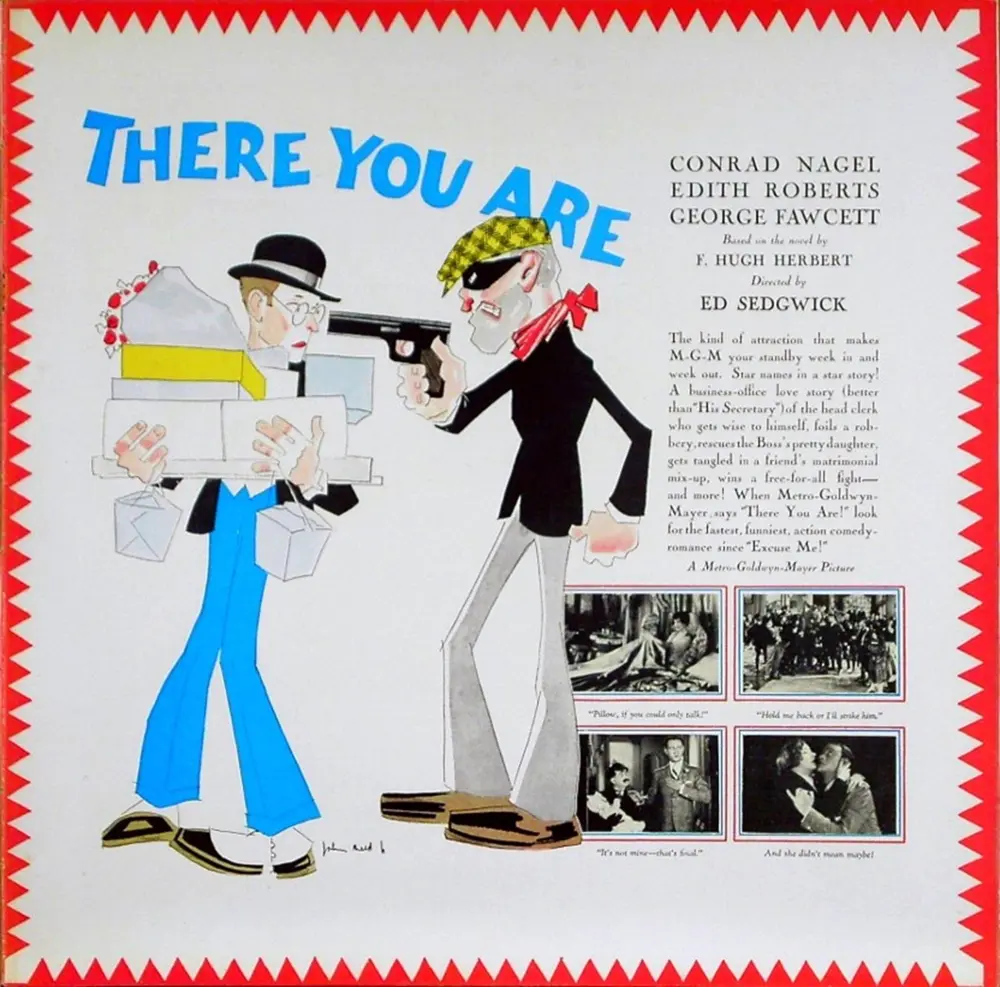
Is 'There You Are!' a forgotten gem worth digging up today? Short answer: absolutely, but with a few delightful caveats. This 1926 silent comedy is a charming, if somewhat predictable, excursion into the era's slapstick and romantic tropes. It's a film best suited for silent film enthusiasts, those curious about the roots of comedic storytelling, or anyone seeking a lighthearted escape into a bygone era of cinema. If you demand fast-paced, dialogue-driven narratives or intricate character development, it might test your patience. But for those willing to lean into its unique rhythm, it offers genuine smiles.
At its heart, There You Are! is a testament to the enduring power of luck, or perhaps, the sheer comedic potential of circumstance. We are introduced to a rather unassuming office worker, portrayed with a delightful everyman quality by Eddie Gribbon. He’s the kind of fellow who blends into the wallpaper, harboring a secret crush on his employer’s daughter, a role handled with appealing vivacity by Gwen Lee. His existence is one of quiet yearning, punctuated by the mundane rhythm of daily work, a situation many in the 1920s audience could undoubtedly relate to.
The turning point arrives not through heroic ambition, but through a wonderfully orchestrated accident. Our hero, through a series of fortunate blunders, manages to capture a notorious bandit. It's a classic comedic setup: the least likely individual achieving the most improbable feat. This single, inadvertent act transforms him from an invisible cog in the corporate machine into a celebrated local figure. The public, ever eager for a hero, embraces him, and more importantly, the object of his affection, the employer's daughter, pledges her hand in marriage, seemingly captivated by his newfound bravery.
However, the film, co-written by the prolific F. Hugh Herbert, Tay Garnett, and Ralph Spence, understands that the real comedy often lies not in the achievement, but in its aftermath. The promise of marriage, rather than signaling the end of his troubles, ushers in a cascade of “merry mix-ups.” These complications are the bread and butter of silent comedies, relying on mistaken identities, physical gags, and escalating misunderstandings to drive the narrative. It’s a delightful dance of near-misses and close calls, all designed to delay the inevitable happy ending and maximize the laughs.
What makes this premise work is its universal appeal. Who hasn't dreamt of a sudden, unexpected twist of fate that elevates them beyond their station? The film taps into this fantasy, then playfully subverts it with the chaos that follows. It's not just about getting the girl; it's about navigating the absurdity that comes with unearned fame. The narrative feels less like a grand epic and more like a finely tuned vaudeville sketch, stretched to feature length, which is precisely its charm.
Eddie Gribbon, often relegated to supporting roles, truly shines here as the lead. His performance as the 'dull hero' is a masterclass in understated physical comedy and expressive facial work, a necessity in the silent era. He doesn't rely on exaggerated mugging, but rather a subtle blend of wide-eyed innocence, bewildered confusion, and moments of genuine, if clumsy, determination. This makes his character surprisingly endearing, a relatable everyman thrust into extraordinary circumstances. His reactions to the escalating chaos are consistently humorous, drawing the audience into his plight.
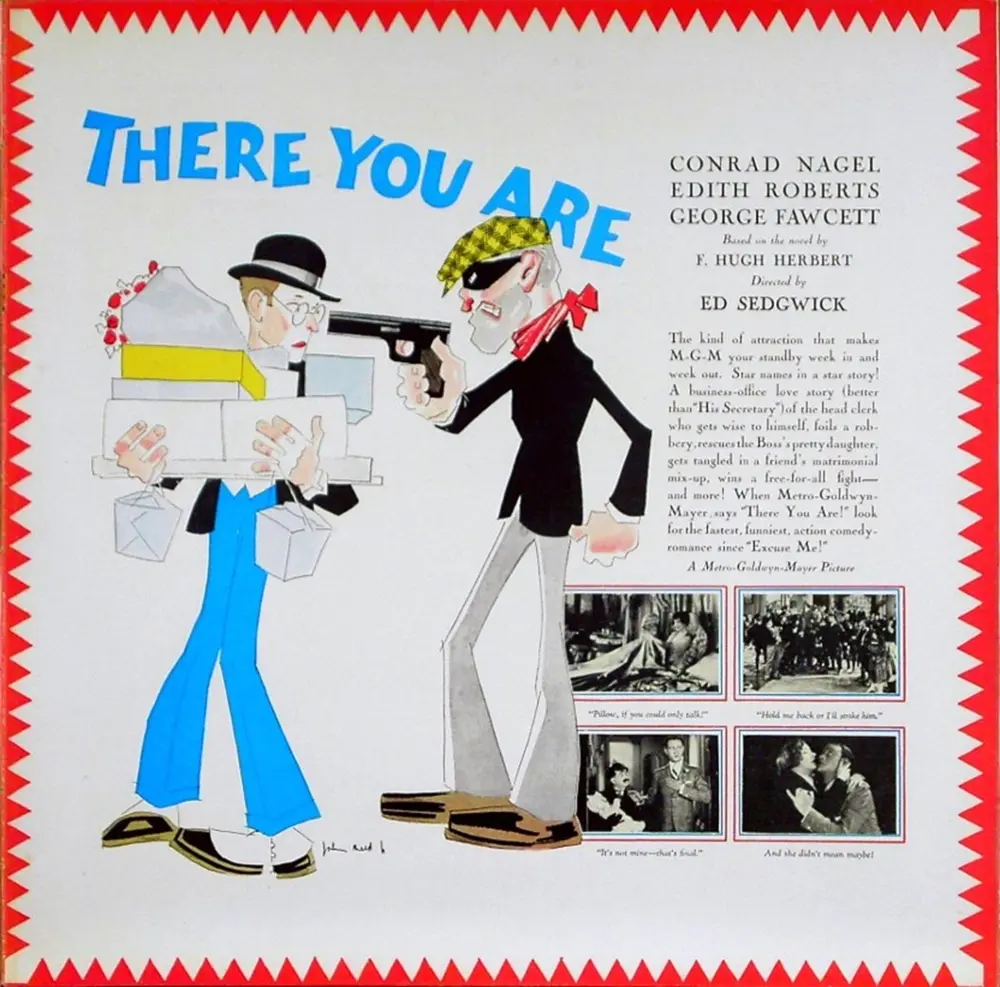
One could argue that the true star isn’t Gribbon's individual performance, but the collective synergy of the ensemble, guided by a script that prioritizes comedic situations over deep character dives. Each actor understands their role within the broader comedic tapestry, contributing to the overall lighthearted tone. Conrad Nagel and Edith Roberts also appear, adding familiar faces that would have resonated with audiences of the time, even if their roles are not particularly expansive.
The direction in There You Are! demonstrates a solid grasp of silent comedy conventions. The pacing is brisk, particularly in the latter half, as the 'merry mix-ups' accelerate. The film relies heavily on visual gags and physical comedy, punctuated by well-timed intertitles that deliver exposition and punchlines. The camera work, while not groundbreaking, is functional and effective, always keeping the comedic action in focus. There's a clear understanding of how to build anticipation for a gag and how to deliver it for maximum impact.
One particular sequence involving a chase through a crowded street exemplifies this adept pacing. The cuts are quick, the movements exaggerated, and the sense of escalating pandemonium is palpable. It’s a sequence that, despite its age, still manages to convey energy and excitement. The film’s tone is consistently light and optimistic, even when characters are in peril, ensuring that the audience never feels genuine threat, only the promise of more comedic resolution. This unwavering commitment to a cheerful disposition is a hallmark of many successful silent comedies, and There You Are! executes it well.
Visually, the film offers a delightful window into the 1920s. The office sets, the street scenes, and the domestic interiors are all rendered with a period-appropriate aesthetic. While not as opulent as some of the grander productions of the era, the art direction is convincing and serves the narrative without distraction. The cinematography, though black and white, makes effective use of lighting to create depth and highlight the actors' expressions, which were, of course, paramount in a silent film.
The costuming, particularly for Gwen Lee’s character, helps to ground the film in its specific historical moment, subtly reflecting the changing fashions and social mores of the time. The visual language is clear and concise, relying on established cinematic grammar to tell its story effectively. There’s a simplicity to the visual style that, far from being a flaw, allows the comedic performances and the narrative’s twists to take center stage. It’s a film that understands its strengths and plays to them.
Beyond the laughs, There You Are! touches upon themes that were, and remain, surprisingly relevant. The idea of an ordinary individual being plucked from obscurity by a stroke of luck is a potent fantasy. It speaks to the universal desire for recognition and advancement, particularly in a society undergoing rapid change like the 1920s. The film subtly critiques the superficiality of fame, as our hero's status is based on an accident rather than genuine skill, yet he reaps the rewards nonetheless.
The pursuit of love across social strata is another enduring theme. The employer's daughter, initially out of reach, becomes attainable through the hero's accidental heroism. This narrative arc, while played for laughs, reflects societal anxieties and aspirations regarding class mobility and romantic ideals. It suggests that sometimes, all it takes is a single, dramatic event to bridge divides. The film, in its own lighthearted way, acts as a mirror to the dreams and desires of its contemporary audience, offering a comforting fantasy where even the 'dull' can achieve greatness.
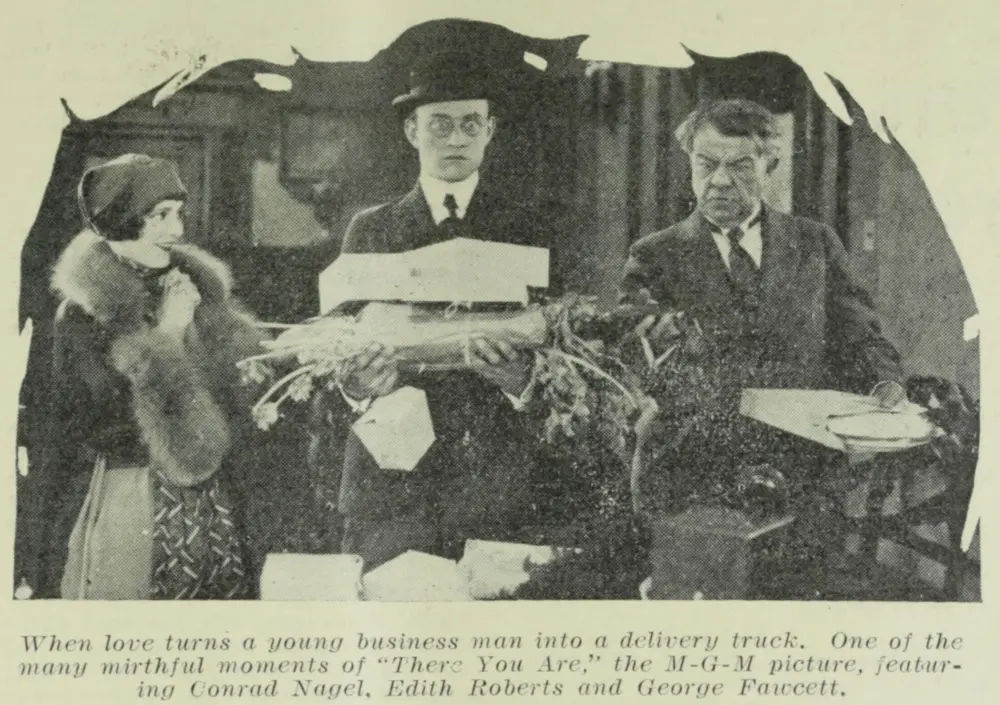
Yes, this film is absolutely worth watching today, especially for those with an appreciation for silent cinema or a desire to explore the roots of comedic filmmaking. It works. But it’s flawed. Its charm lies in its simplicity and its commitment to classic comedic principles. It's a delightful, if not profound, experience.
This film works because: Its earnest performances and well-executed physical comedy deliver consistent laughs, making the most of its simple, charming premise.
This film fails because: The plot, while entertaining, lacks significant depth or originality, adhering strictly to established silent comedy formulas without much innovation.
You should watch it if: You enjoy classic silent comedies, appreciate a lighthearted romantic farce, or are curious about early cinematic storytelling and the acting styles of the 1920s. It's also a great entry point for those new to the genre, offering an accessible and enjoyable experience without demanding too much from the viewer.
There You Are! is not a groundbreaking masterpiece, nor does it strive to be. What it is, however, is a thoroughly enjoyable, well-crafted silent comedy that delivers precisely what it promises: a good-natured romp filled with accidental heroism, charming romance, and a healthy dose of 'merry mix-ups.' It’s a film that embodies the spirit of its era, a time when cinema was still finding its voice, but already knew how to make an audience laugh.
While its plot may be straightforward and its characterizations broad, the film's strength lies in its execution. Eddie Gribbon’s performance alone is worth the price of admission (or the effort of finding a digitized copy), offering a nuanced portrayal of a character who could easily have been a caricature. The writing team of F. Hugh Herbert, Tay Garnett, and Ralph Spence clearly understood the mechanics of comedic timing, even without spoken words.
For those willing to set aside modern expectations and embrace the unique artistry of silent cinema, There You Are! offers a delightful and surprisingly fresh experience. It’s a reminder that sometimes, the simplest stories, told with earnest charm and a touch of physical comedy, are all we need to find joy. It's a solid recommendation for anyone looking to spend an hour or so with a piece of cinematic history that still manages to entertain. Don't expect profundity, expect pure, unadulterated fun. And in that, it absolutely delivers.
IMDb —
1922
Community
Log in to comment.