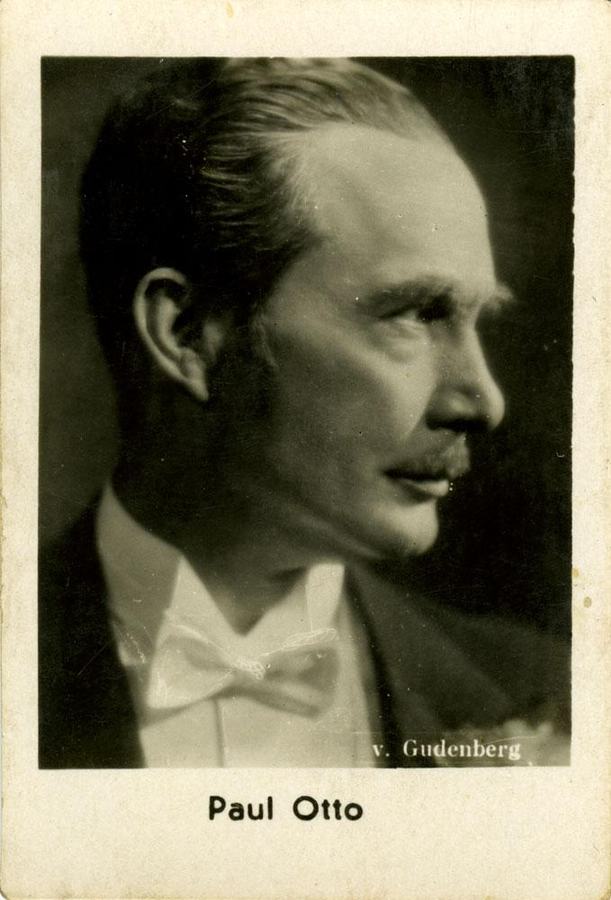
Glum adaptation of the Balzac "La duchesse de Langeais" where the titled lady determines to humiliate the officer who she feels has snubbed her, by seducing him in front of witnesses, complicated by passion..

Does Paul Czinner’s Liebe stand the test of time as a definitive Balzac adaptation? Short answer: yes, but only if you have the patience for a film that prioritizes psychological suffocation over narrative momentum. It is a work that demands your full attention while offering very little in the way of traditional comfo...
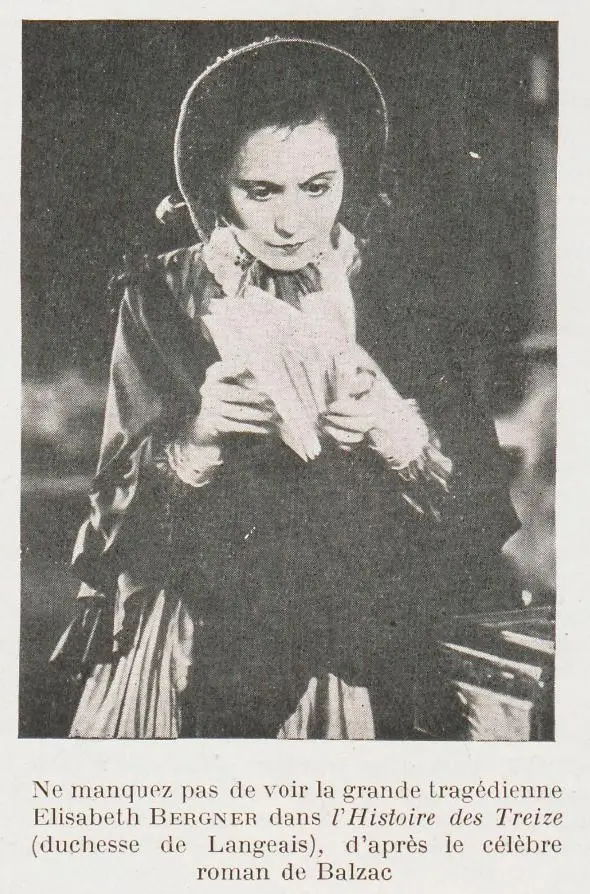
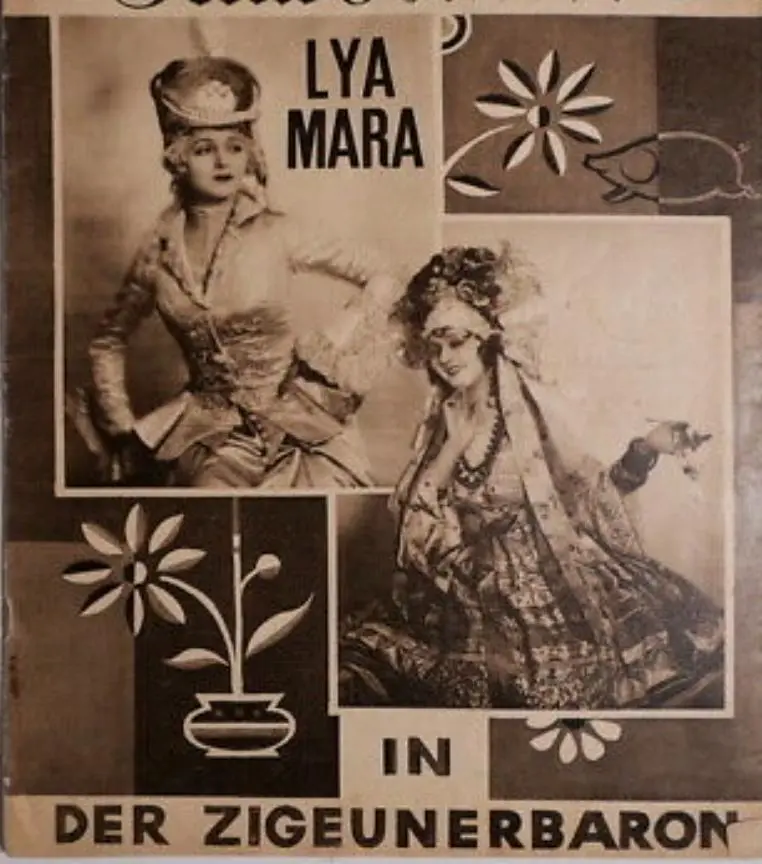
publicity
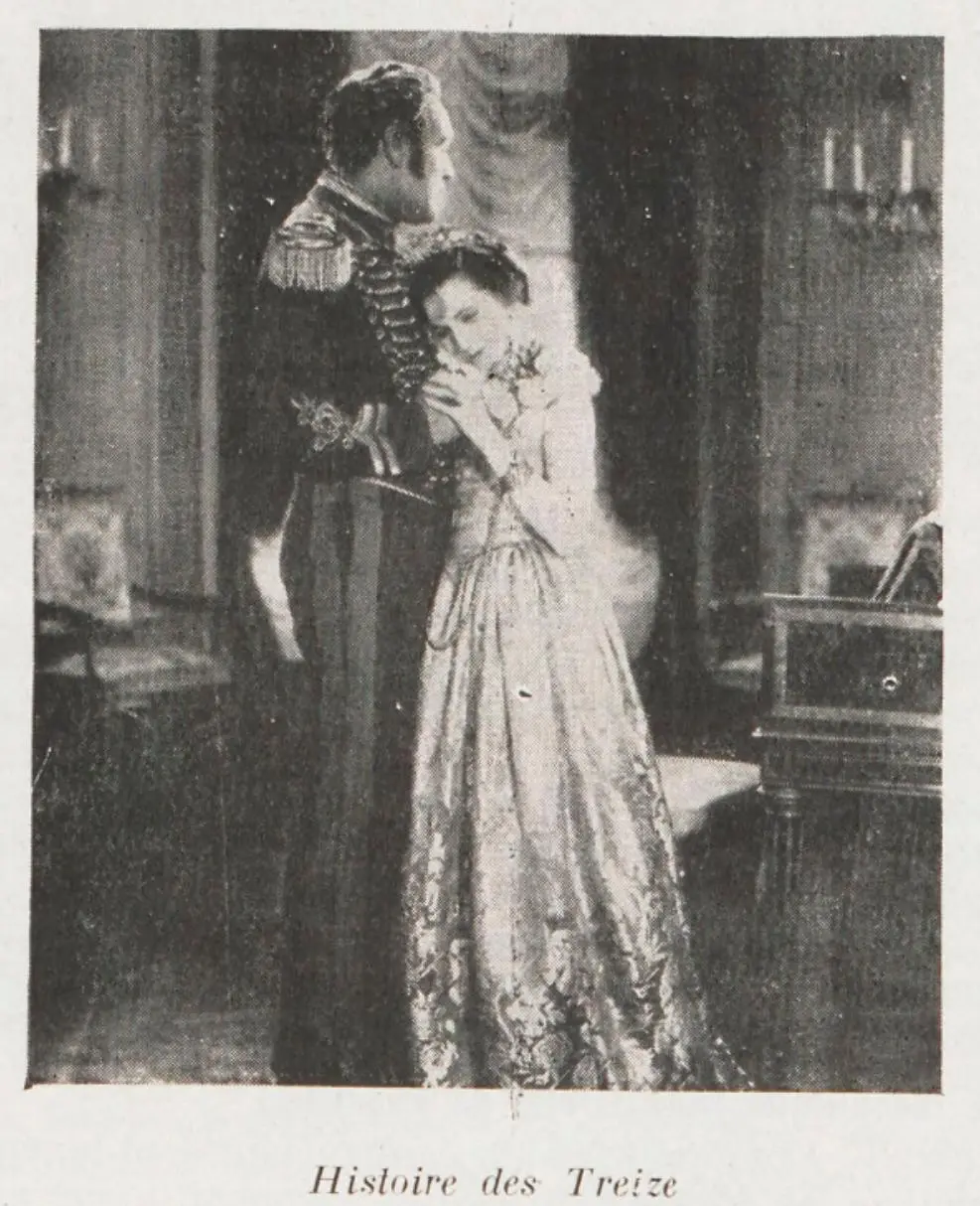
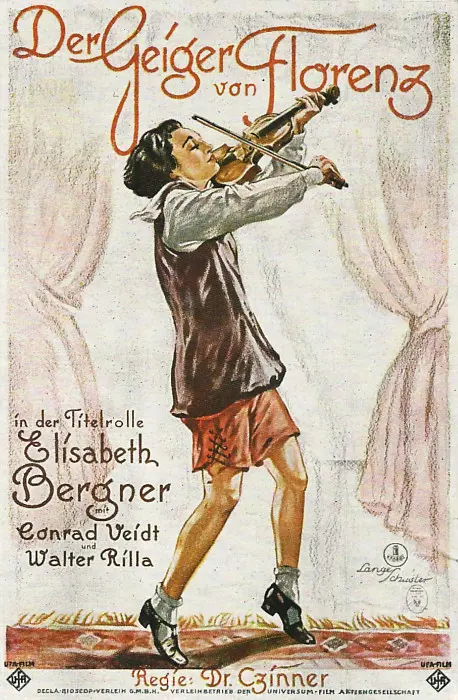
publicity
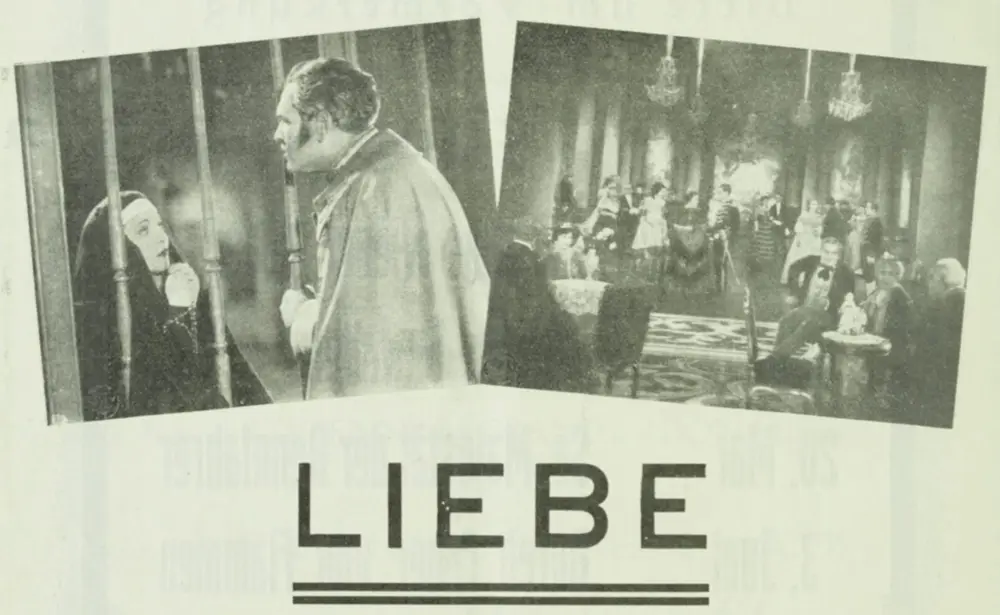
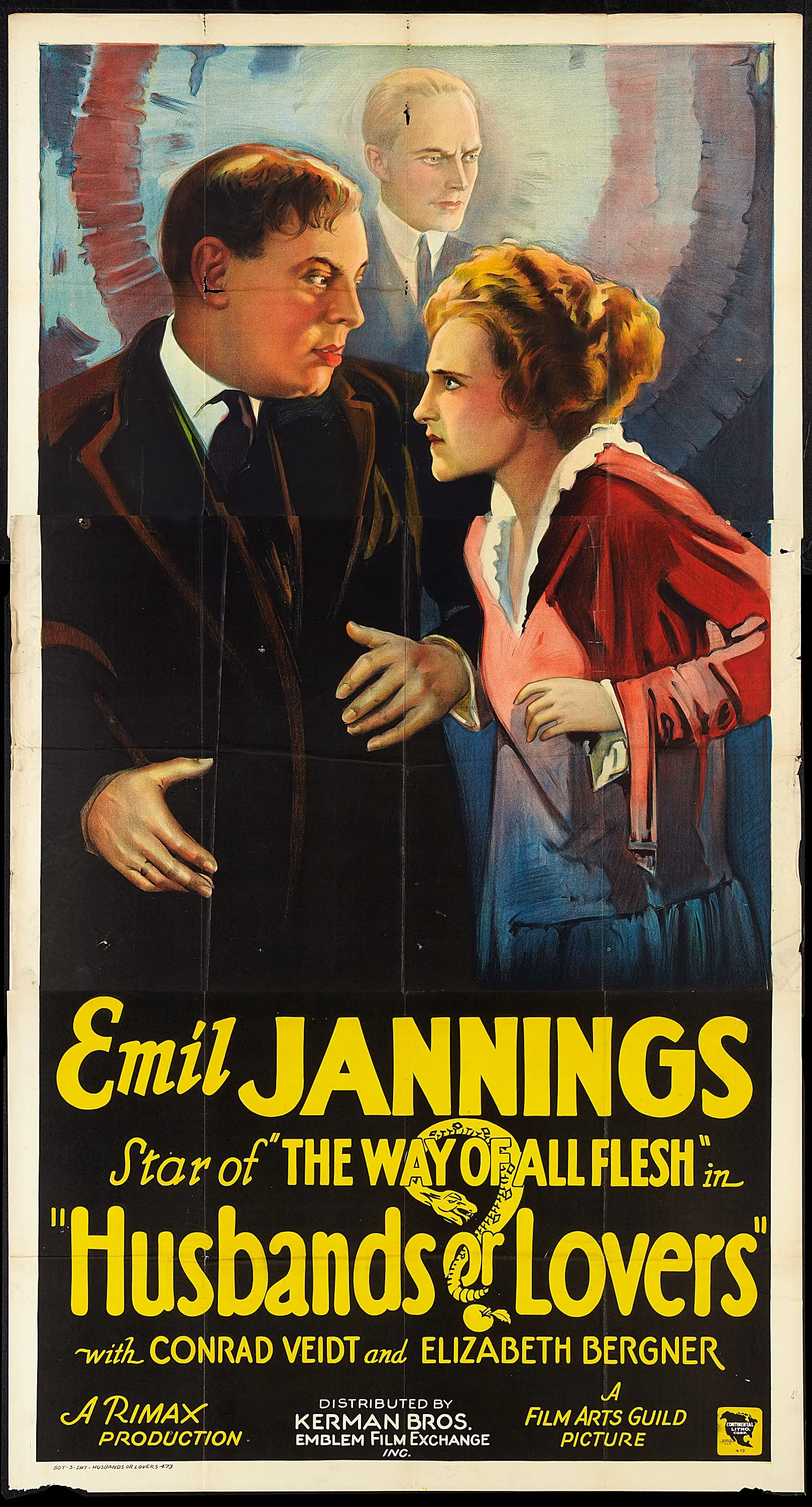
publicity
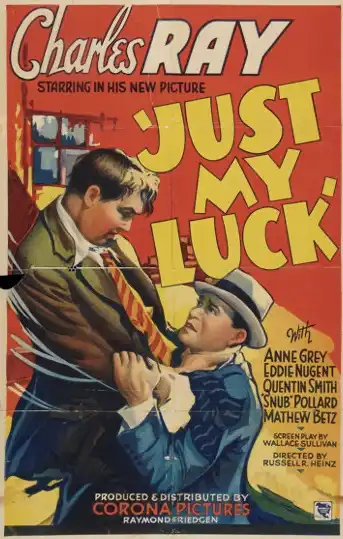
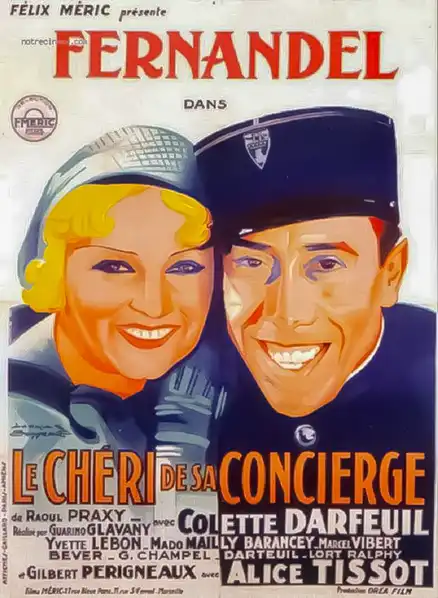
Comparing the cinematic DNA and archive impact of two defining moments in cult history.
Paul Czinner

Paul Czinner
Community
Log in to comment.
"Does Paul Czinner’s Liebe stand the test of time as a definitive Balzac adaptation? Short answer: yes, but only if you have the patience for a film that prioritizes psychological suffocation over narrative momentum. It is a work that demands your full attention while offering very little in the way of traditional comfort.This film is for the cinephile who finds beauty in the architecture of a breakdown. It is for those who appreciate the 'Kammerspielfilm' style of the Weimar era, where every sha..."
Honoré de Balzac, Paul Czinner
Germany