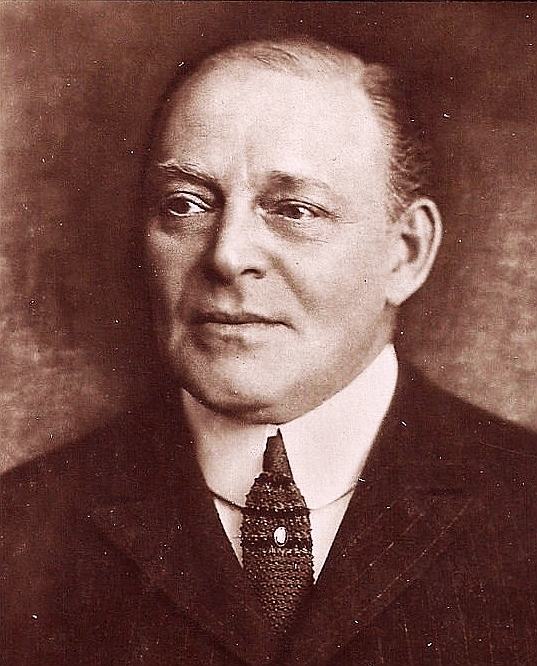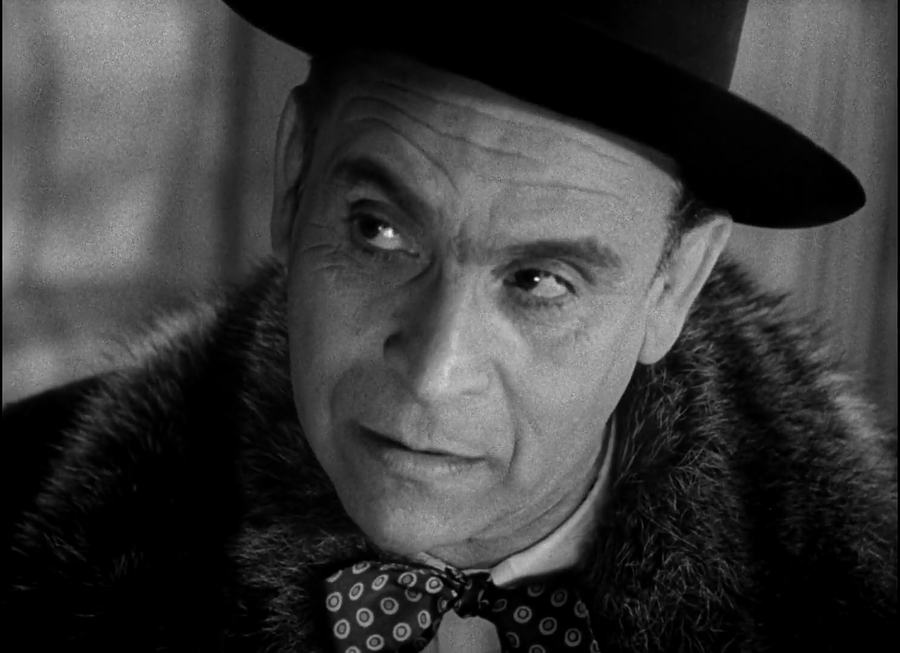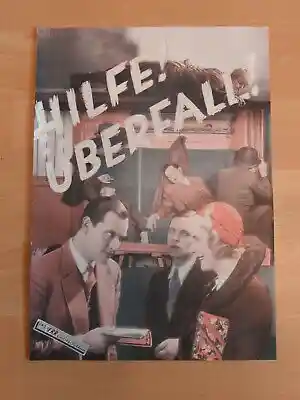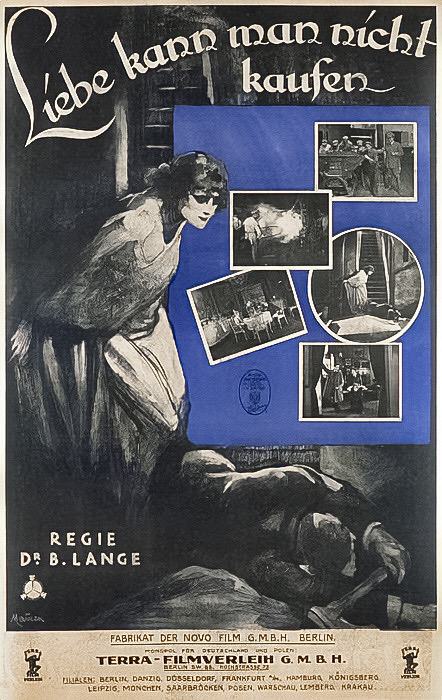
No champagne gushes, no violins crescendo—only the soft thud of a man’s dignity landing on the pawnshop scale. The film begins inside a savings bank that smells of brass polish and licked fingertips. Vallentin’s clerk, named only Herr Sommer, counts coins with the devotional slowness of a monk illuminating manuscrip...
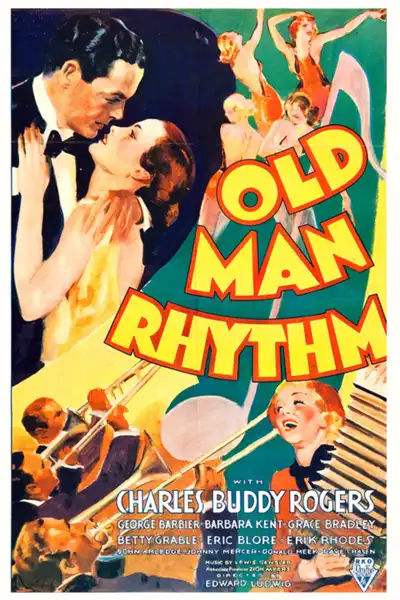
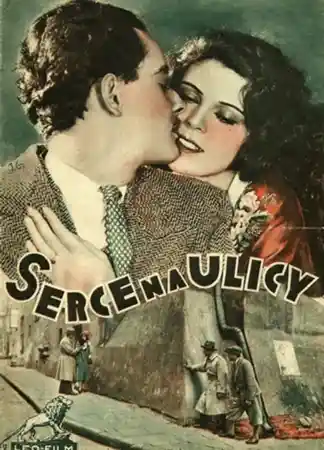
Comparing the cinematic DNA and archive impact of two defining moments in cult history.
Bruno Lange
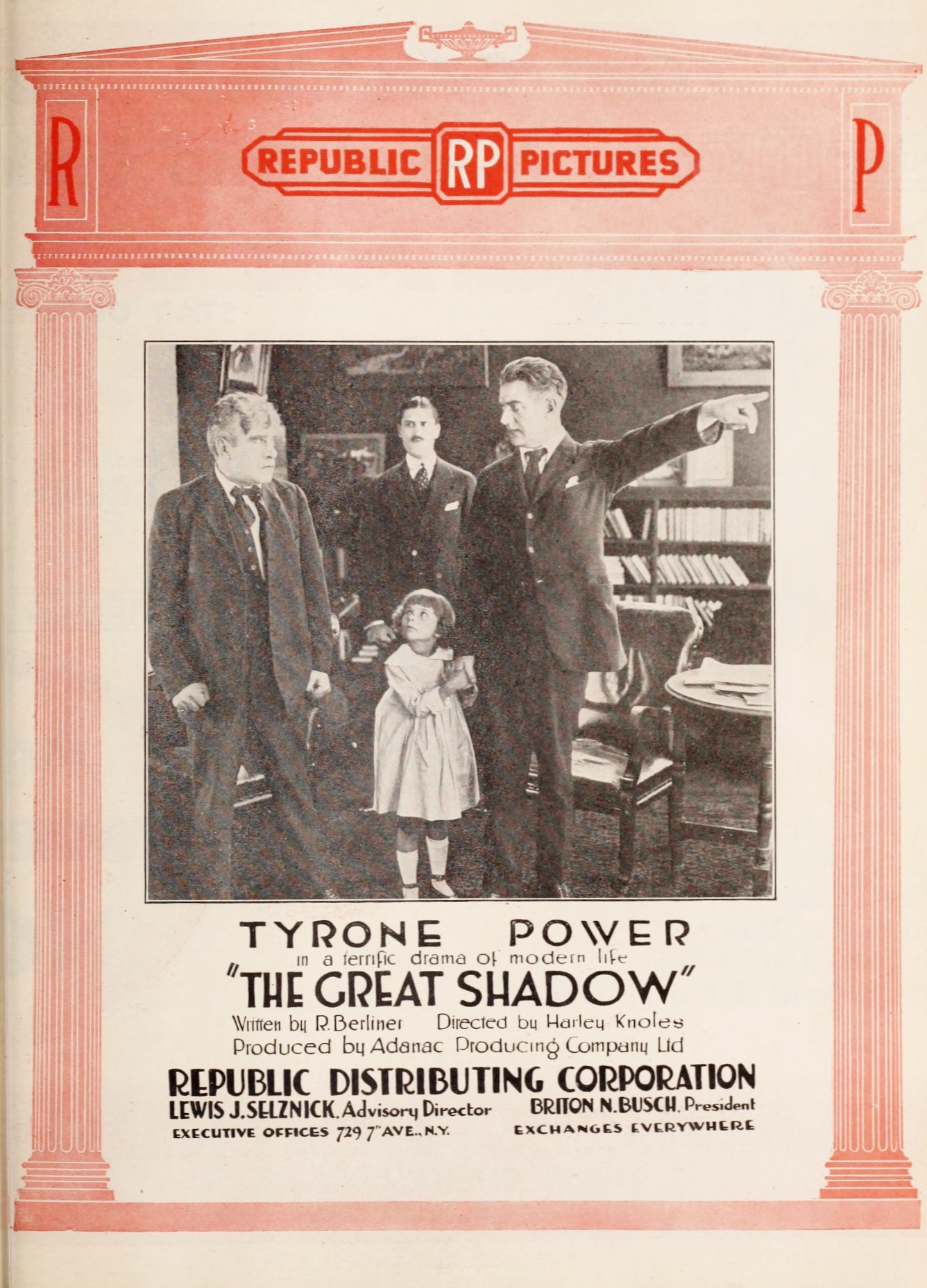
Harley Knoles
Community
Log in to comment.
" No champagne gushes, no violins crescendo—only the soft thud of a man’s dignity landing on the pawnshop scale. The film begins inside a savings bank that smells of brass polish and licked fingertips. Vallentin’s clerk, named only Herr Sommer, counts coins with the devotional slowness of a monk illuminating manuscripts. Each clack of metal on wood is a heartbeat he can’t spend. Outside, inflation stalks the city like a famished dog; inside, Sommer’s salary shrinks while his longing swells. Dir..."
Deep dive into the cult classic
Discover similar cinematic experiences
A Directorial Spotlight on Bruno Lange