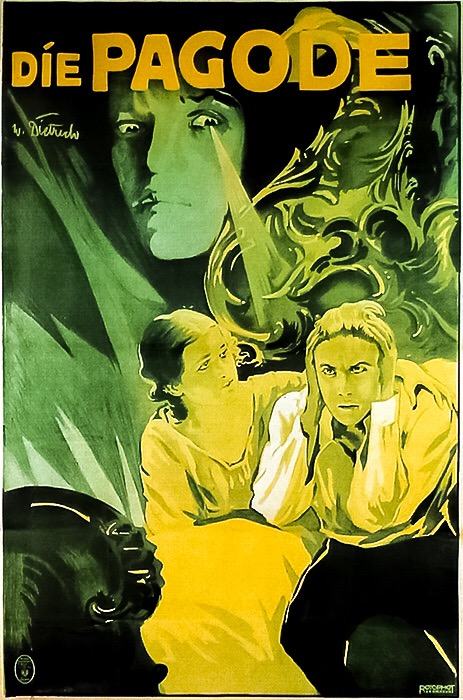
The Stygian Aesthetics of the Weimar Soul To watch Die Pagode (1923) is to succumb to a visual delirium that only the German silent era could conjure with such frightening precision. While the American film industry was busy perfecting the populist charm of The Professor or the sentimental journeys of The Prince Cha...
Community
Log in to comment.
" The Stygian Aesthetics of the Weimar Soul To watch Die Pagode (1923) is to succumb to a visual delirium that only the German silent era could conjure with such frightening precision. While the American film industry was busy perfecting the populist charm of The Professor or the sentimental journeys of The Prince Chap, Alfred Fekete was busy deconstructing the very architecture of the human spirit. This film is not merely a piece of entertainment; it is a celluloid excavation of the anxieties ..."
Germany