DbcultAccessing Vault...
6.6/10
Senior Film Conservator
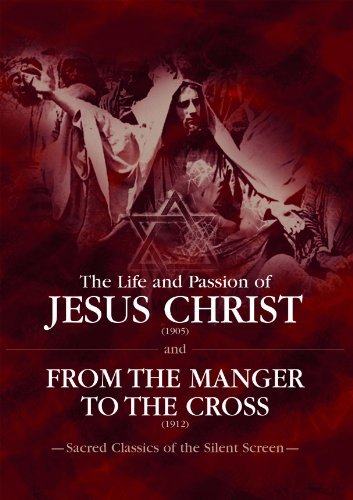
A definitive 6.6/10 rating for a film that redefined the boundaries of cult cinema. Life and Passion of Christ remains a cornerstone of transgressive art.
In the nascent, flickering dawn of cinema, when the very concept of narrative storytelling on screen was still an audacious experiment, Ferdinand Zecca’s ‘Life and Passion of Christ’ emerged not merely as a film, but as a cultural phenomenon. Released in the early years of the 20th century, this cinematic undertaking was a bold declaration of the medium’s potential, transcending the novelty of mere actualities or staged vaudeville sketches that dominated the screens of its era. It wasn't just another fleeting image; it was a profound, ambitious attempt to encapsulate the foundational narrative of Western civilization, imbuing it with a gravitas that resonated deeply with audiences worldwide and secured its place in history for decades, a commercial lifespan almost unheard of for films of its time. Its profound impact cannot be overstated, as it meticulously charted the well-trodden path of Jesus of Nazareth, from his miraculous conception to his ultimate ascension, all rendered with an earnestness and technical ingenuity that, for its period, was nothing short of revolutionary.
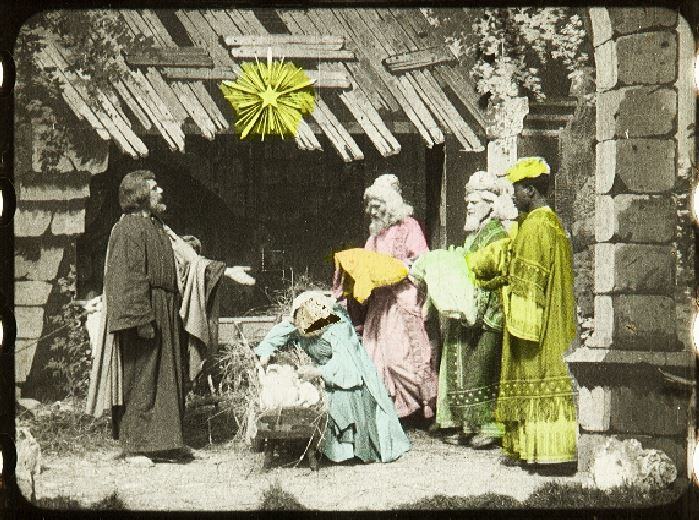
Zecca, a prolific and often underestimated pioneer of French cinema, orchestrated this grand spectacle with a meticulous eye for detail and an intuitive understanding of how to leverage the nascent language of film. Unlike many contemporaries who focused on capturing everyday events – such as Saída dos Operários do Arsenal da Marinha or Westinghouse Works, which delighted audiences with glimpses into industrial life – Zecca dared to tackle a story of immense spiritual and emotional weight. He conceived the film as a series of living tableaux, each frame carefully composed and often hand-colored, transforming the cinematic experience into a moving stained-glass window. The aesthetic choices were deliberate, seeking to evoke the artistry of religious paintings and Passion Plays that had long graced European stages, yet now imbued with the dynamic motion unique to film. The narrative, though segmented, flowed with a surprising coherence, each scene building upon the last to create a comprehensive, albeit abridged, chronicle of Christ's life. From the ethereal glow of the Annunciation to the somber palette of the Crucifixion, the visual language was designed to stir the soul, making the sacred accessible in an entirely new medium.
In an era dominated by the novelty of motion itself, where films like The Corbett-Fitzsimmons Fight or its many reproductions (Reproduction of the Corbett and Fitzsimmons Fight, Jeffries-Sharkey Contest, Sharkey-McCoy Fight Reproduced in 10 Rounds) offered the thrill of witnessing real or staged events, 'Life and Passion of Christ' signaled a monumental shift. It wasn't content with simply documenting; it sought to dramatize, to interpret, and to evoke a profound emotional response through a structured narrative arc. While other films attempted longer narratives, such as the Australian epic The Story of the Kelly Gang, Zecca's film tackled a story universally known, yet rarely seen in such an ambitious, multi-sequence format. The film's success demonstrated that audiences craved more than just fleeting images; they yearned for stories, for meaning, and for the communal experience of a shared narrative, especially one as deeply ingrained in their cultural fabric as the life of Christ. This was a crucial step in distinguishing cinema from a mere technological curiosity to a powerful medium for artistic expression and popular entertainment.
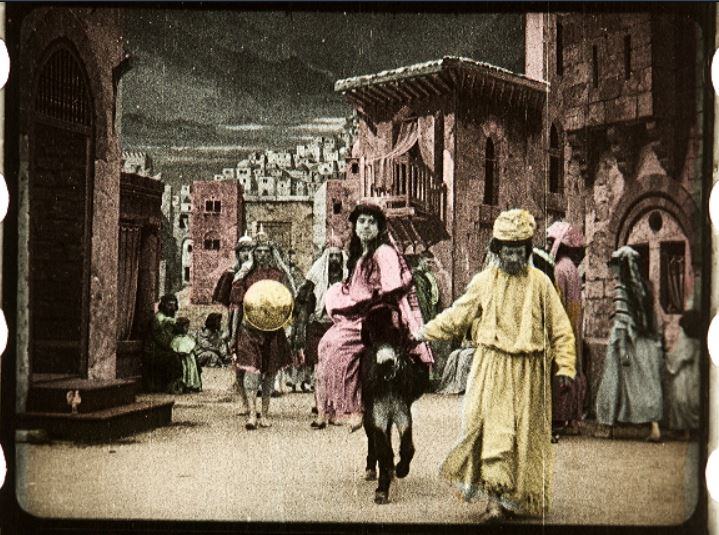
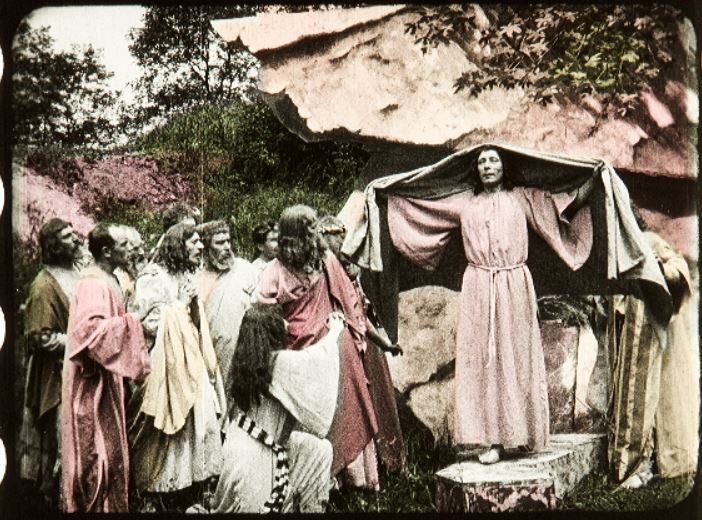
Zecca employed a range of nascent cinematic techniques to bring his vision to life. The use of dissolves between scenes, though rudimentary by today's standards, created a sense of temporal continuity and thematic linkage, smoothing the transitions between the numerous biblical episodes. Hand-coloring, a painstaking process where individual frames were painted, added a layer of visual richness, transforming black-and-white images into vibrant, often symbolic, hues. This was particularly effective in scenes like the Transfiguration or the Resurrection, where a touch of color elevated the mystical quality of the events. While not as overtly reliant on elaborate special effects as Georges Méliès' fantastical works, Zecca's film utilized clever staging and rudimentary camera tricks to achieve its illusions, such as the appearance of angels or the resurrection itself. These innovations, simple as they might seem now, were groundbreaking in their ability to enhance the narrative and immerse the viewer in the sacred drama, setting a precedent for future religious epics. The deliberate, measured pacing allowed audiences to absorb each tableau, much like contemplating a series of paintings, fostering a contemplative rather than merely observational experience.
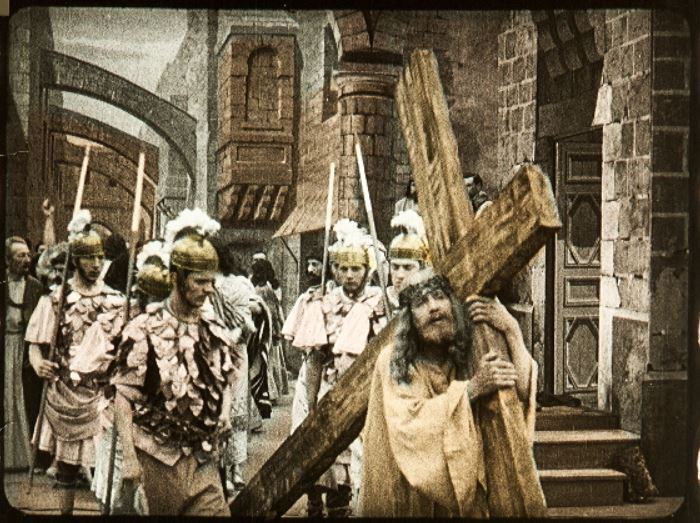
The decision to portray the life of Christ was not merely an artistic one; it was a deeply strategic and culturally significant choice. In an age where religious devotion remained a cornerstone of society, presenting these narratives through the novel medium of film offered an unprecedented opportunity for engagement. Unlike the more documentary-style recordings of real religious events, such as A Procissão da Semana Santa or De heilige bloedprocessie, which captured existing rituals, Zecca's film dramatized the foundational stories, offering a visual interpretation that could be widely disseminated. This film, alongside other early Passion Plays like The Life and Passion of Jesus Christ and S. Lubin's Passion Play, tapped into a universal human desire for spiritual narrative, providing a shared experience that transcended linguistic and cultural barriers. Its universal appeal ensured its longevity, allowing it to be screened and re-screened in countless venues, from nickelodeons to grand theaters, solidifying its status as a cinematic evergreen. The film acted as a visual sermon, reinforcing religious teachings and offering a powerful, accessible form of spiritual instruction and inspiration.
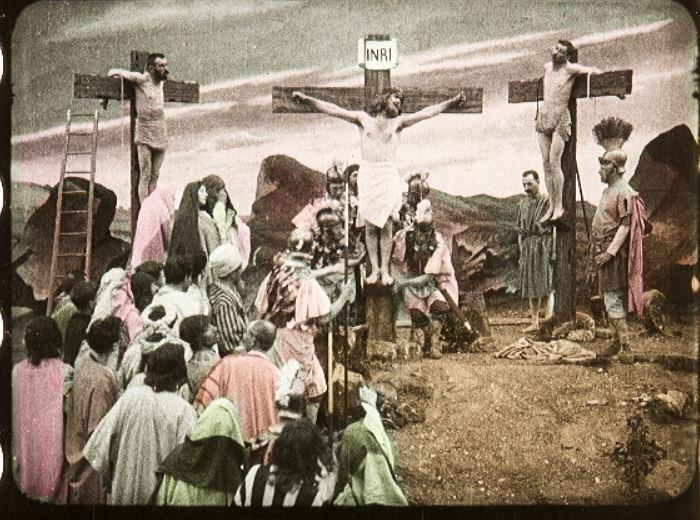
The commercial triumph and extraordinary longevity of 'Life and Passion of Christ' are testaments to its profound impact on both the nascent film industry and popular culture. While most secular films of the time measured their commercial life in weeks, Zecca's masterpiece enjoyed a screen life of decades, a phenomenon almost unheard of. This enduring appeal wasn't accidental; it was a testament to the film's ability to connect with audiences on a deeply emotional and spiritual level. It proved that cinema could be a powerful vehicle for conveying complex narratives and profound themes, not just fleeting entertainment. Its success paved the way for future religious epics and demonstrated the immense commercial viability of narrative features. It highlighted the power of universal stories to transcend technological limitations and capture the human imagination. The film’s influence reverberated through subsequent generations of filmmakers, inspiring them to explore the dramatic potential of historical and religious narratives, thereby shaping the very trajectory of cinematic storytelling. It stands as a pivotal artifact, a radiant beacon from cinema's earliest days, reminding us of the medium's capacity for both grand spectacle and intimate spiritual reflection. It remains a crucial touchstone for understanding how early filmmakers grappled with the artistic and technical challenges of bringing monumental narratives to life, and in doing so, laid the very foundations for the cinematic language we recognize today. Its legacy is not just in its pioneering status, but in its ability to continue to resonate, inviting viewers to ponder the timeless questions it so earnestly presents, proving that true artistry, even in its most nascent forms, possesses an eternal quality that defies the relentless march of time and technological advancement.
In a world captivated by the fleeting images of parades and daily life, as seen in films like O Carnaval em Lisboa or May Day Parade, 'Life and Passion of Christ' offered something far more profound: an immersive journey into the sacred. It wasn't just a spectacle; it was an experience, a communal meditation on faith, sacrifice, and redemption. This film didn't just capture moments; it captured meaning, demonstrating that the flickering images on a screen could transport viewers not just to different places, but to different states of mind and spirit. Its meticulous composition, its innovative (for the time) use of color and transitions, and its unwavering commitment to its subject matter elevate it beyond a mere historical curiosity. It is a work of art that, despite its archaic technical aspects, retains a compelling power, a testament to the timeless appeal of its story and the visionary spirit of its creators. The careful staging of each scene, reminiscent of classical religious art, imbued the moving pictures with a static majesty, allowing the audience to absorb the symbolic weight of each gesture and tableau. This deliberate pacing and visual grandeur contributed significantly to its devotional atmosphere, making it a sacred experience for many. The film’s ability to weave together a complex narrative from disparate biblical accounts into a coherent and emotionally resonant whole was a staggering achievement, setting a high bar for future adaptations of sacred texts. It masterfully navigated the challenge of compressing vast theological narratives into a visually accessible format, making it a powerful tool for evangelism and education, as well as entertainment. Its continued relevance lies in its foundational role in shaping the cinematic portrayal of religious themes, influencing countless films that followed in its wake. It serves as a powerful reminder of cinema's earliest triumphs, demonstrating its capacity to transcend mere novelty and become a profound medium for cultural and spiritual reflection. The legacy of 'Life and Passion of Christ' is thus not merely one of historical significance, but of enduring artistic and spiritual resonance, a beacon from the dawn of film that continues to illuminate the path for storytellers seeking to explore the depths of human experience and belief.
IMDb —
1916
Community
Log in to comment.