body {background-color: #000; color: #fff; font-family: Georgia, serif; line-height: 1.8;}.section {margin-bottom: 40px;}.heading {color: #C2410C; font-size: 24px; font-weight: bold; margin-bottom: 15px;}.subheading {color: #EAB308; font-size: 18px; margin-bottom: 10px;}.accent {color: #0E7490;}.link {color: #fff; text...
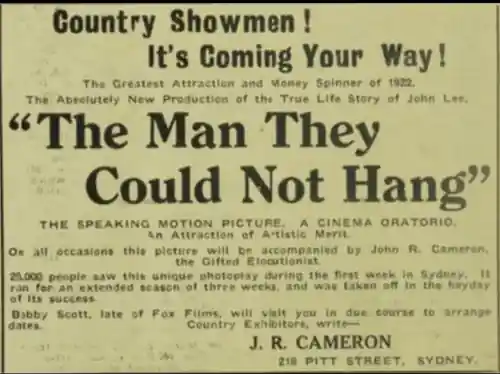
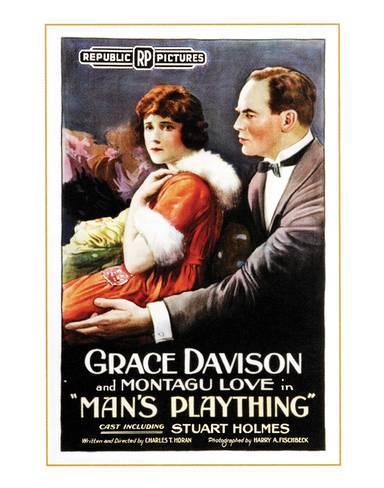
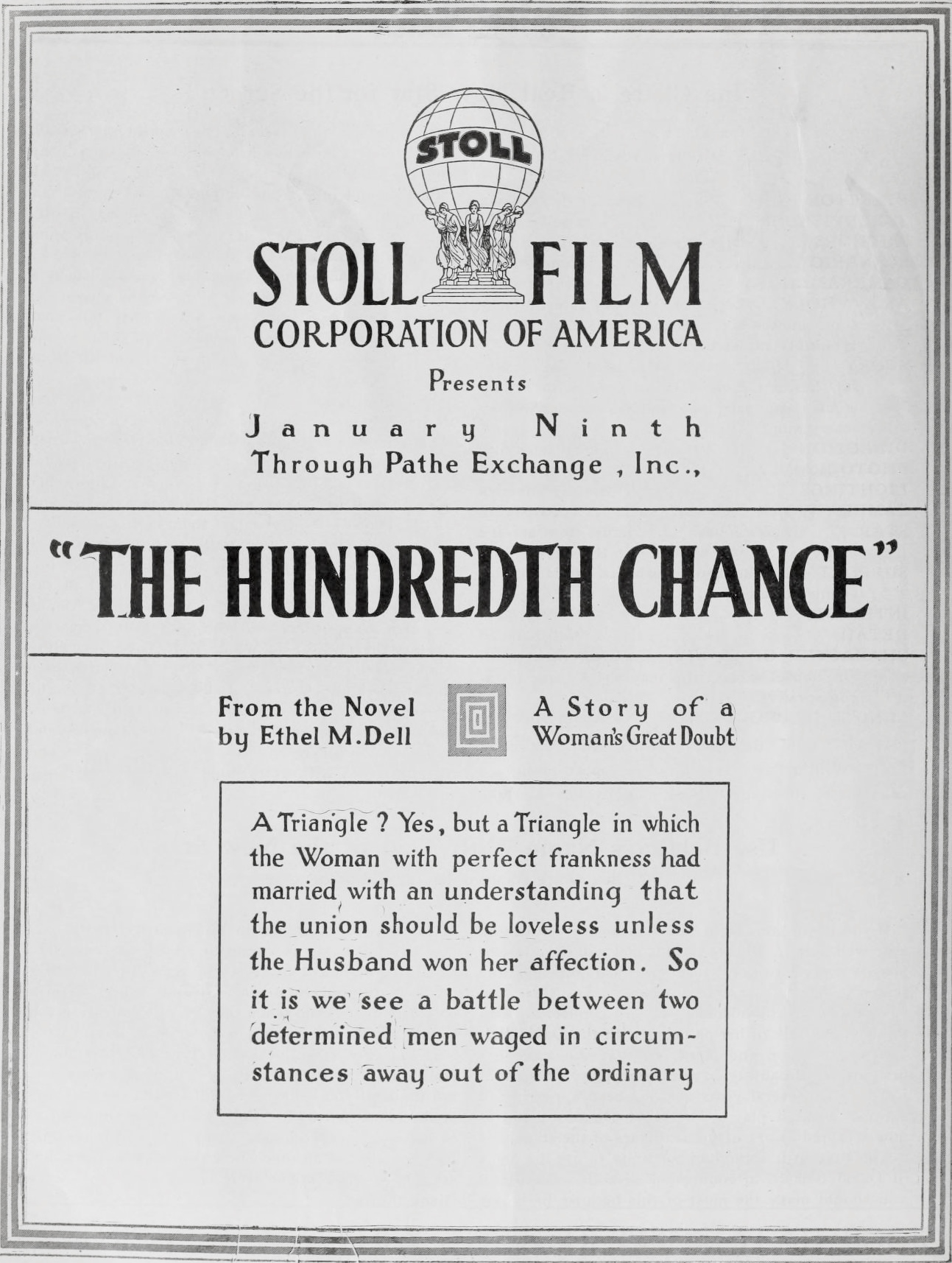
publicity
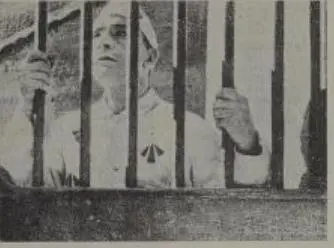
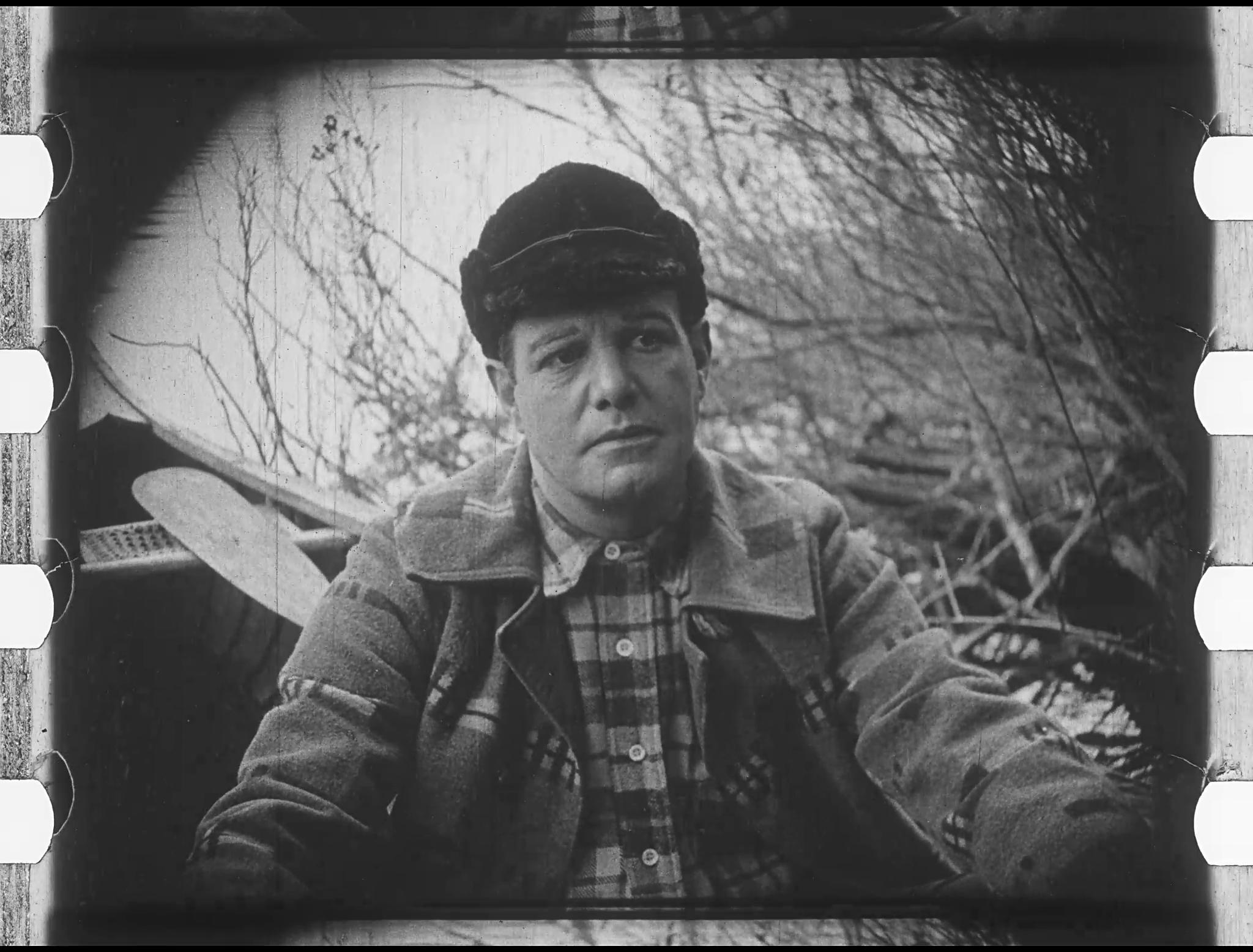
still_frame
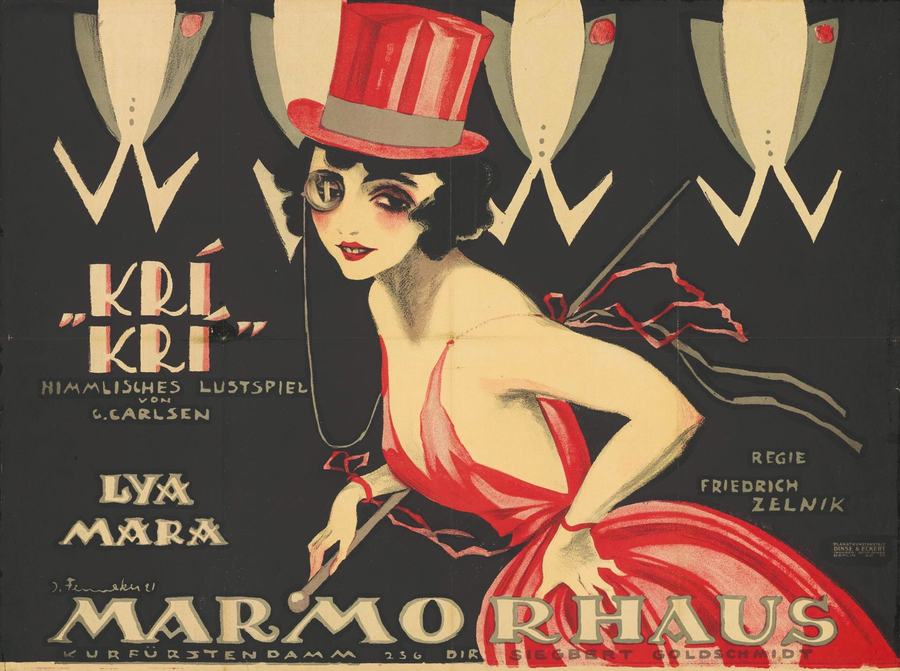
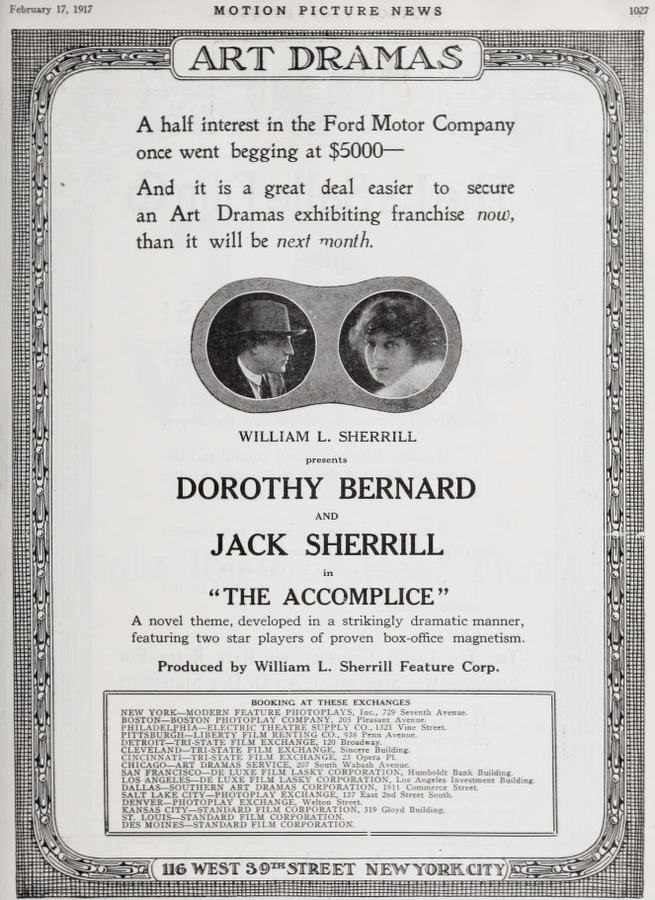
Comparing the cinematic DNA and archive impact of two defining moments in cult history.
Arthur W. Sterry
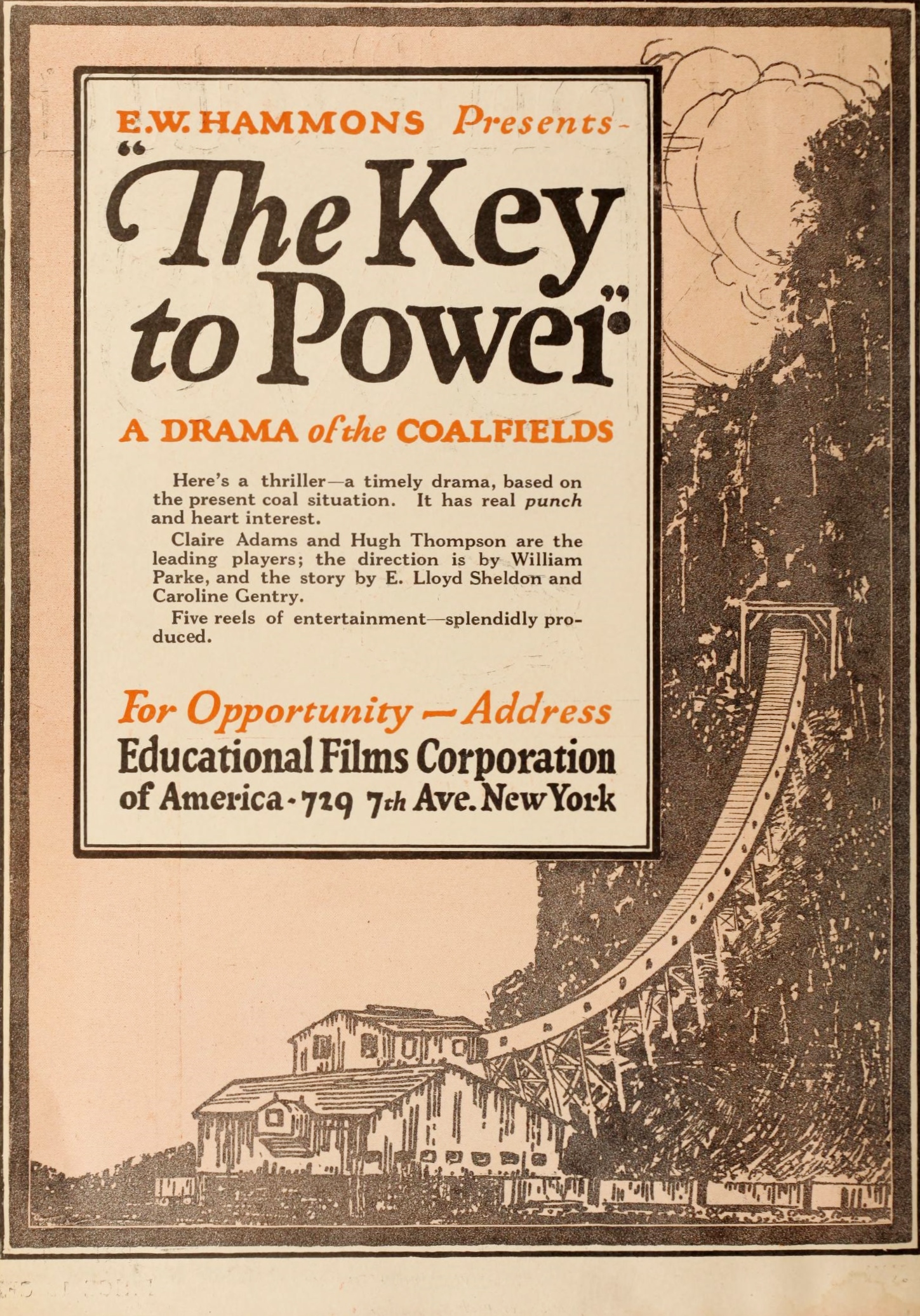
William Parke
Community
Log in to comment.
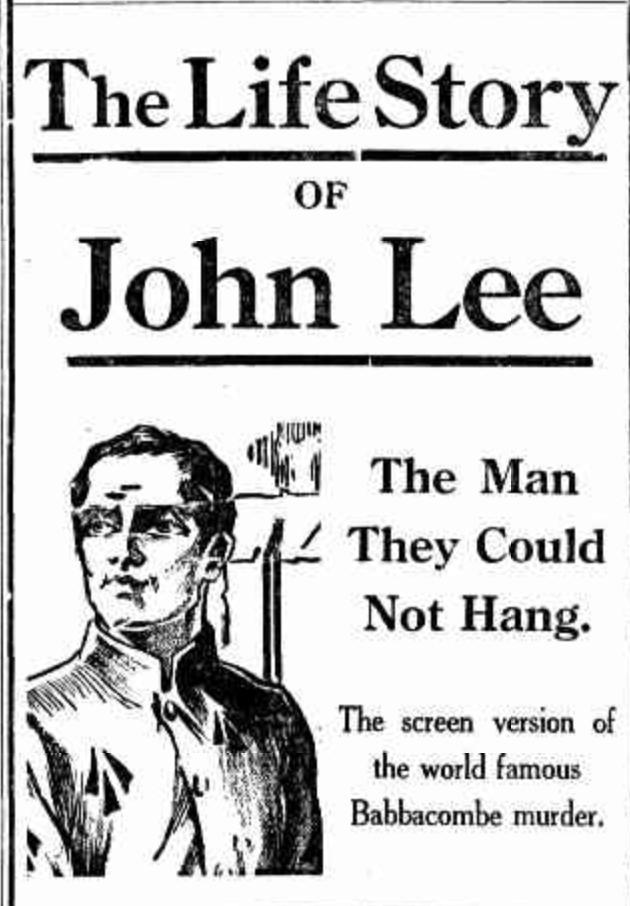
"body {background-color: #000; color: #fff; font-family: Georgia, serif; line-height: 1.8;}.section {margin-bottom: 40px;}.heading {color: #C2410C; font-size: 24px; font-weight: bold; margin-bottom: 15px;}.subheading {color: #EAB308; font-size: 18px; margin-bottom: 10px;}.accent {color: #0E7490;}.link {color: #fff; text-decoration: underline;}A Portrait of Injustice: Dissecting the Moral QuagmireArthur W. Sterry’s Life Story of John Lee, or The Man They Could Not Hang (1935) emerges as a mastercl..."
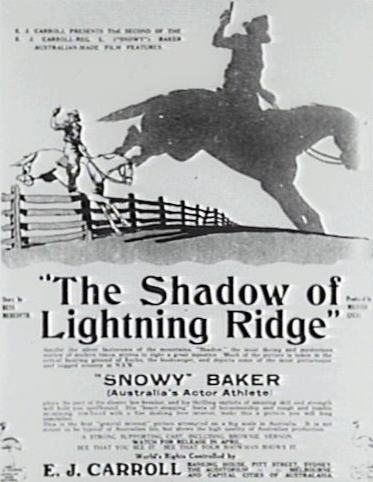
1921 · IMDb —

Deep dive into the cult classic
Discover similar cinematic experiences
A Directorial Spotlight on Arthur W. Sterry