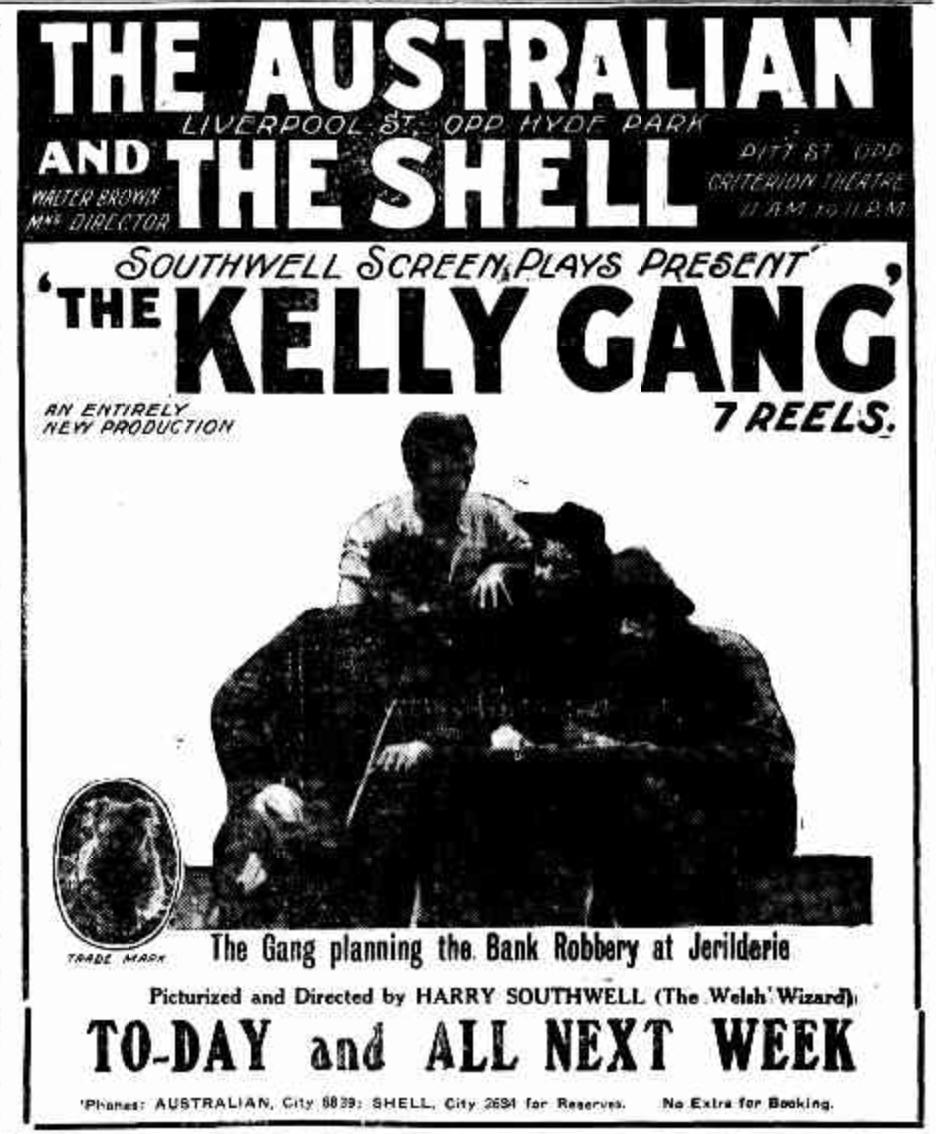
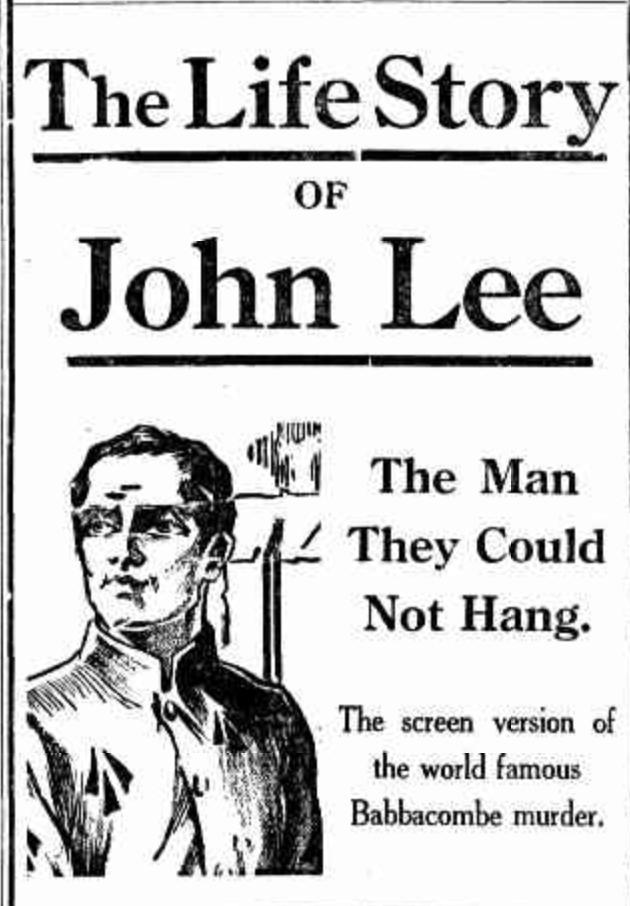
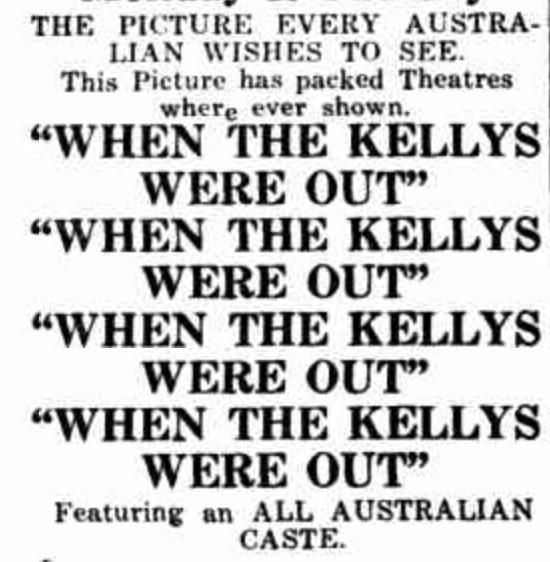
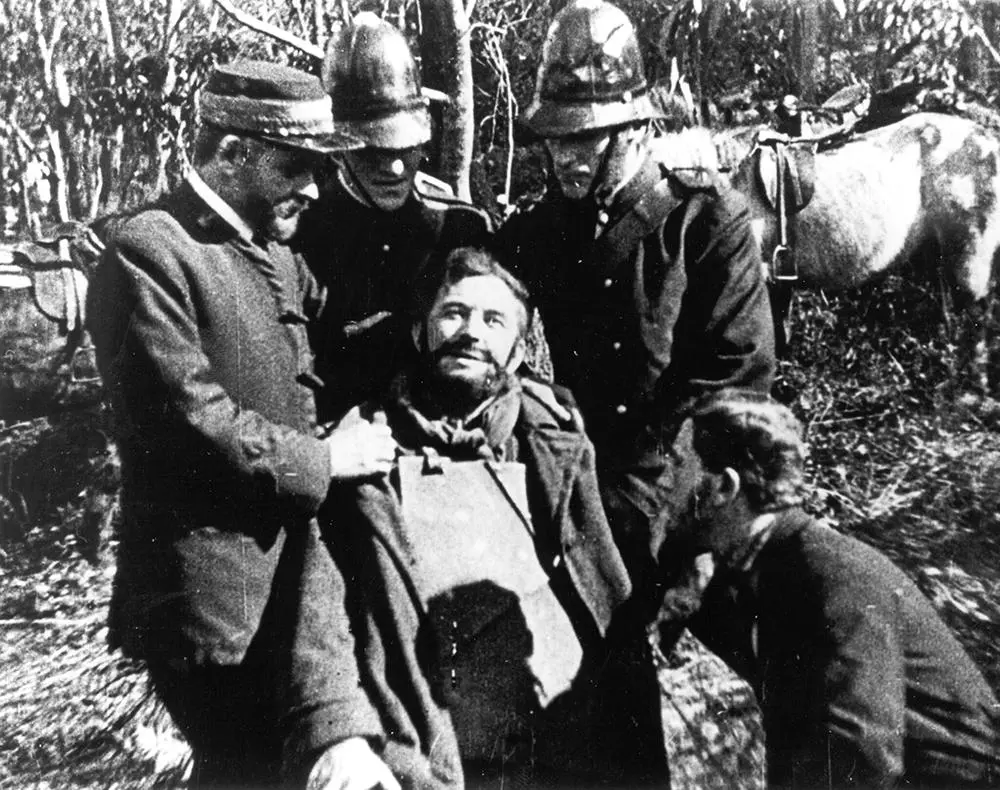
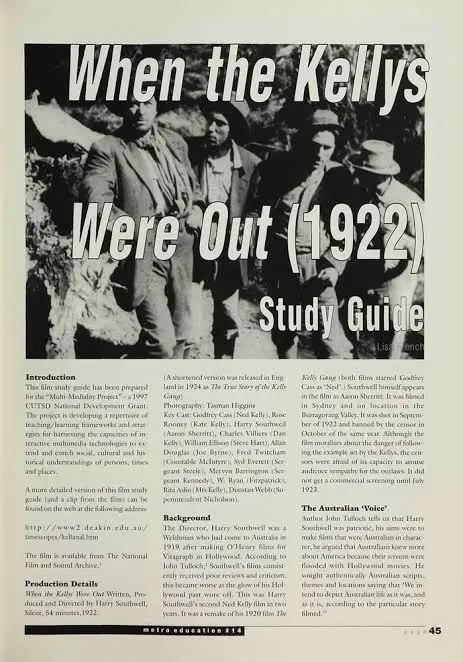
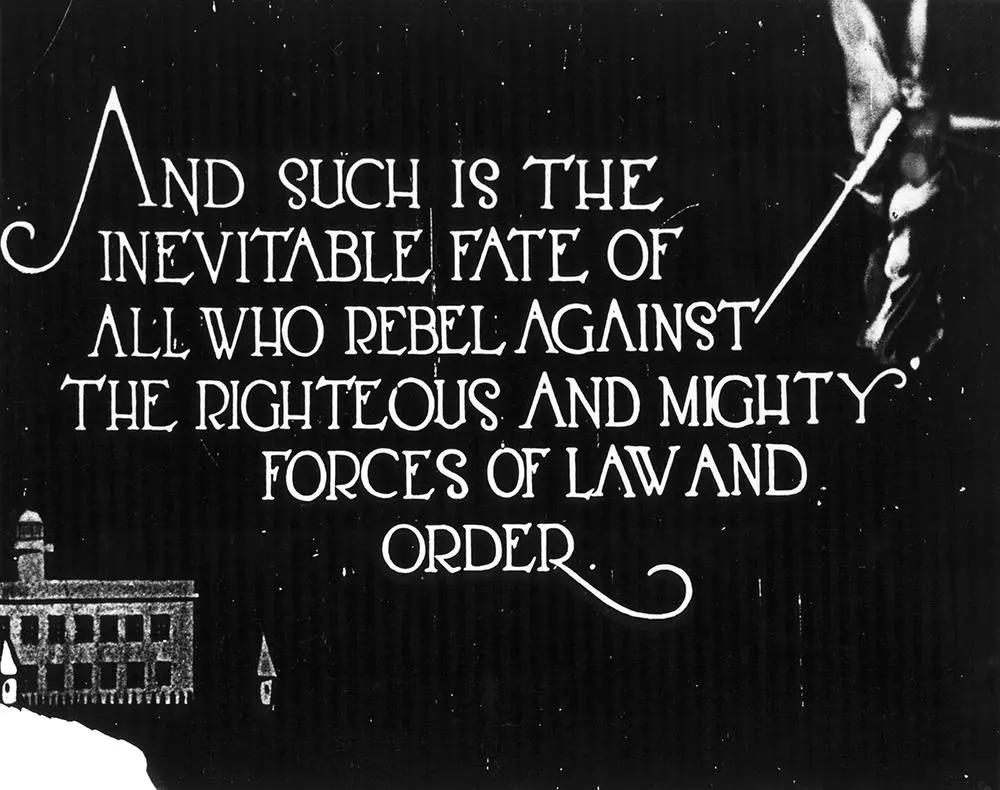
When the Kellys Were Out is a 1923 Australian feature-length film directed by Harry Southwell about Ned Kelly. Only part of the film survives today.
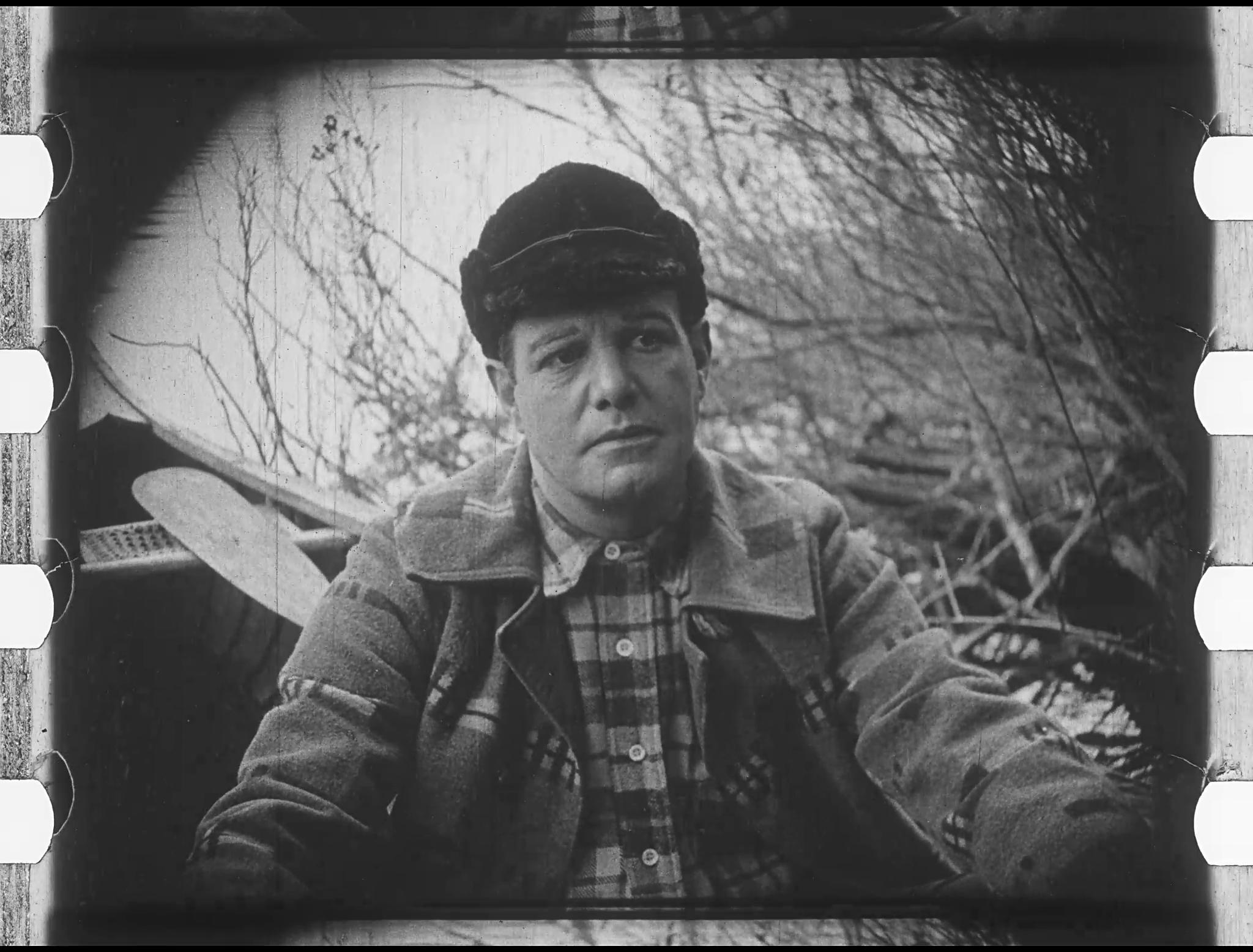
The Ghost of Kelly on Screen: A Glimpse into a Lost Australian Epic To encounter a film like 'When the Kellys Were Out' is to engage in an act of cinematic archaeology. Harry Southwell’s 1923 rendering of the Ned Kelly saga, an ambitious Australian feature-length production, exists today primarily as a spectr...
still_frame
behind_the_scenes
still_frame
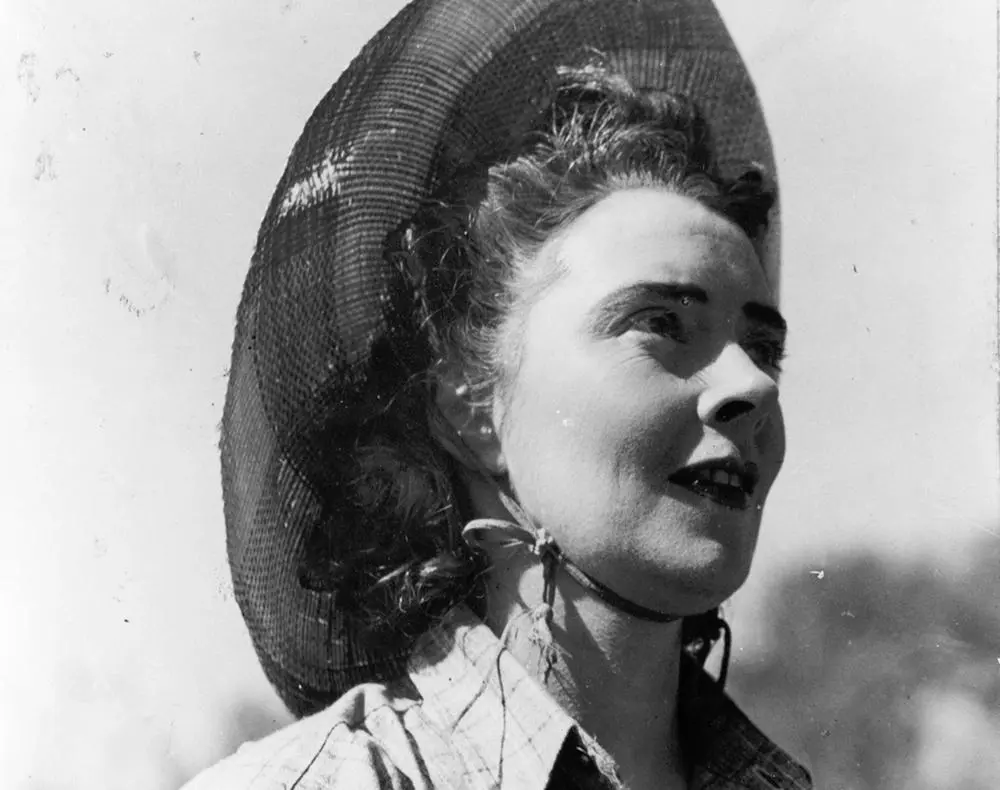
still_frame
Comparing the cinematic DNA and archive impact of two defining moments in cult history.
Harry Southwell
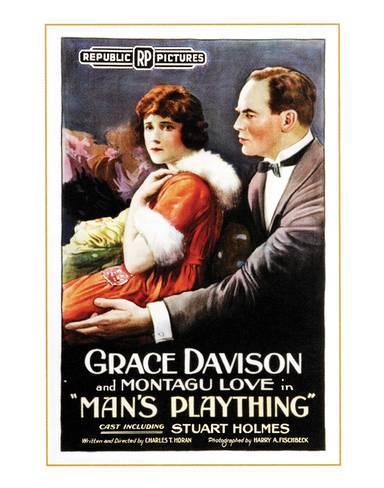
Charles Horan
Community
Log in to comment.
" The Ghost of Kelly on Screen: A Glimpse into a Lost Australian Epic To encounter a film like 'When the Kellys Were Out' is to engage in an act of cinematic archaeology. Harry Southwell’s 1923 rendering of the Ned Kelly saga, an ambitious Australian feature-length production, exists today primarily as a spectral presence, its full narrative scope largely lost to the ravages of time and neglect. What remains, however, offers tantalizing glimpses into an early, bold attempt to capture one..."
Charles Villiers
Harry Southwell
Australia
Deep dive into the cult classic
Discover similar cinematic experiences
A Directorial Spotlight on Harry Southwell