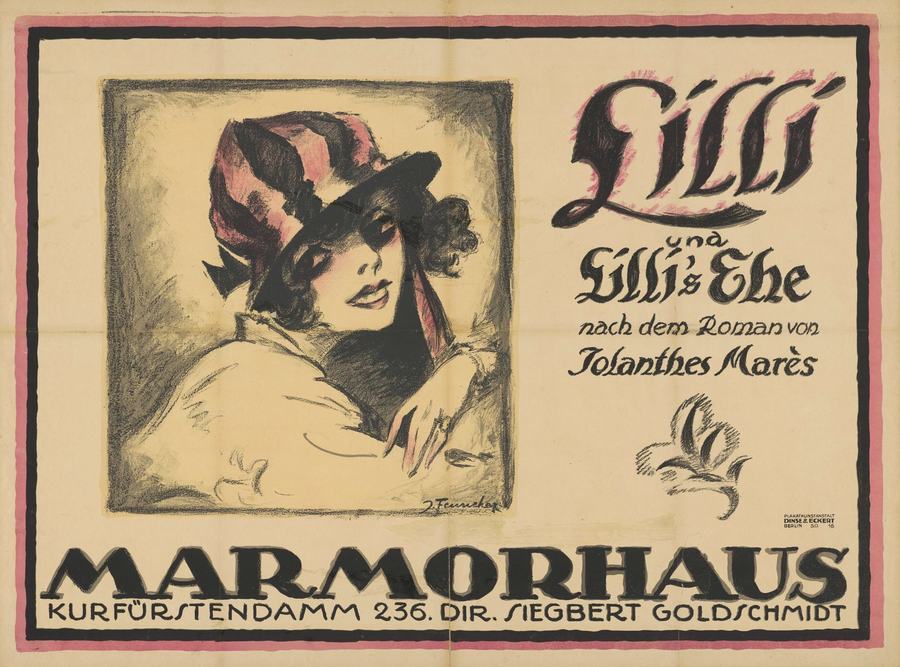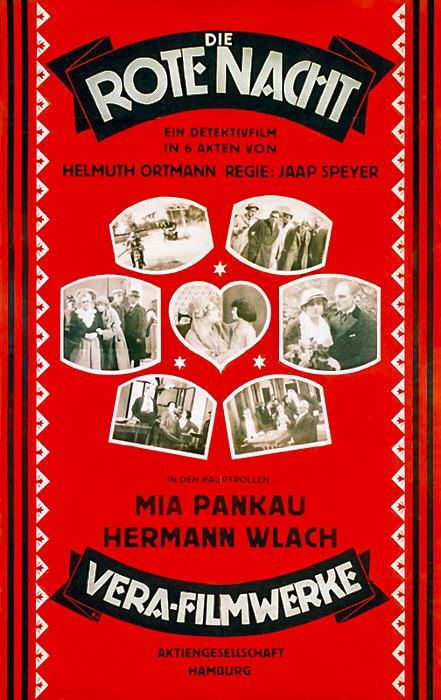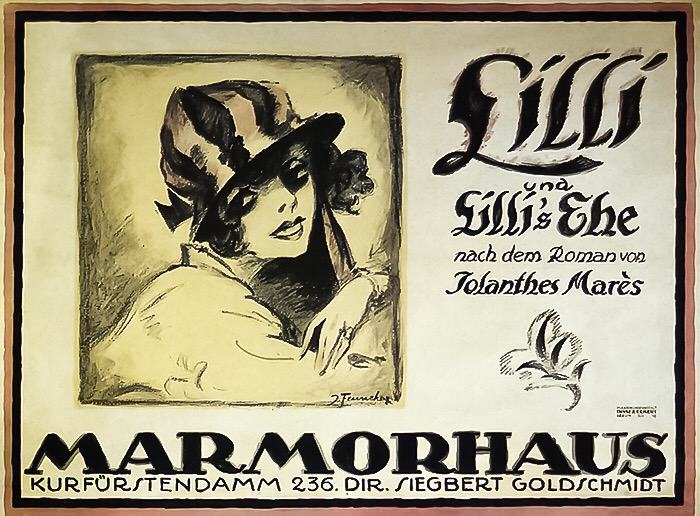
The year 1919 stands as a pivotal monolith in the history of global cinema, particularly within the bruised and burgeoning landscape of the Weimar Republic. It was a time of radical aesthetic shifts, where the remnants of pre-war romanticism collided violently with the nascent tremors of Expressionism. In this crucible...
Comparing the cinematic DNA and archive impact of two defining moments in cult history.
Jaap Speyer
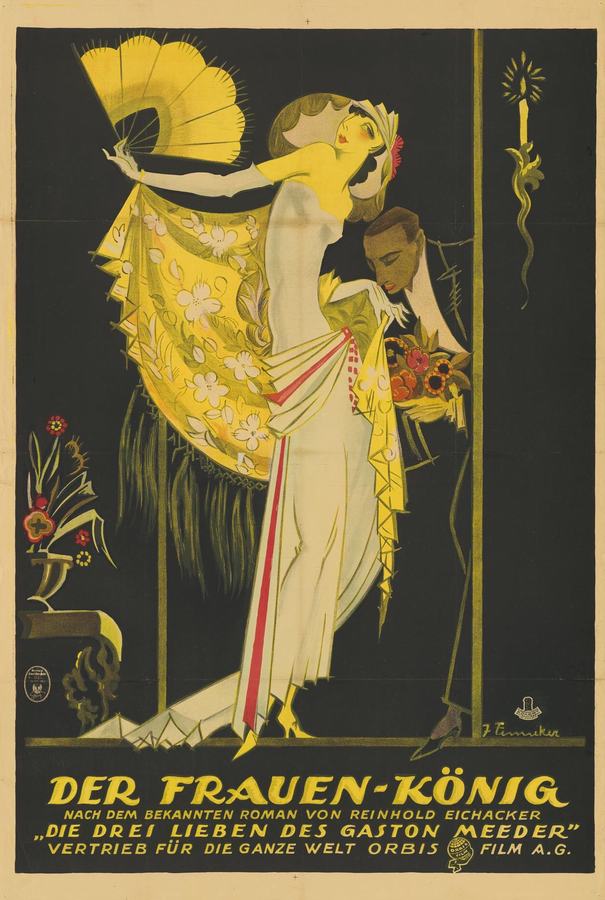
Jaap Speyer
Community
Log in to comment.
"The year 1919 stands as a pivotal monolith in the history of global cinema, particularly within the bruised and burgeoning landscape of the Weimar Republic. It was a time of radical aesthetic shifts, where the remnants of pre-war romanticism collided violently with the nascent tremors of Expressionism. In this crucible of artistic evolution, Lilli emerges as a fascinating, if somewhat ephemeral, artifact that captures the zeitgeist of a society in flux. To watch this film today is to engage in a..."