DbcultAccessing Vault...
Cult Review
Senior Film Conservator
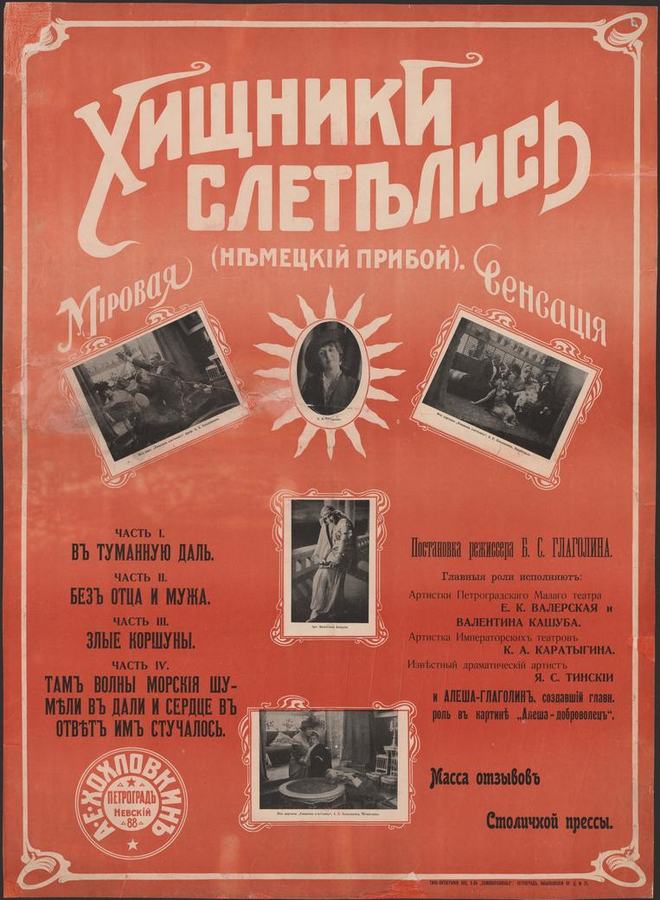
The flickering shadows of early 20th-century Russian cinema often conceal narratives of profound social commentary, and Khishchniki sletelis stands as a monumental testament to this tradition. Its very title, translating to “Predators Gathered,” immediately conjures an image of imminent danger, a chilling forewarning of the moral decay that permeates its every frame. This is not merely a film; it is a meticulously crafted psychological study, an unflinching gaze into the abyss of human avarice, set against a backdrop of societal upheaval and personal vulnerability. From the moment the narrative commences, a palpable sense of unease descends, a quiet tension that promises an unfolding drama of exploitation and the relentless erosion of innocence. It’s a work that doesn’t just tell a story, but rather immerses the viewer in a suffocating atmosphere where trust is a fatal flaw and every outstretched hand might conceal a dagger.
At the heart of this intricate web of deceit is Anya, portrayed with heartbreaking fragility and ultimately, defiant resilience by Elena Valerskaya. Her performance is a masterclass in nuanced character development, charting a young woman's agonizing transformation from wide-eyed naiveté to a hardened understanding of the world's cruel realities. Anya's sudden inheritance, a decaying textile factory – a symbol itself of both past glory and present decay – acts as a potent catalyst, drawing forth the titular 'predators' like moths to a flickering, perilous flame. This factory, with its grimy machinery and silent looms, becomes a character in itself, a silent observer of the unfolding human drama, its very existence representing a prize worth fighting – or rather, scheming – for. The film’s power lies in its ability to render the abstract concept of greed into tangible, human forms, each more menacing than the last.
K. Tinskiy, in the role of Viktor Volkov, delivers a performance that is both chilling and mesmerizing. His portrayal of the manipulative financier is devoid of overt villainy, yet saturated with a calculating coldness that proves far more insidious. Volkov operates not with brute force, but with a subtle, psychological tyranny, his words carefully chosen to disarm and disorient. He is the quintessential urban predator, a man who sees human relationships purely through the lens of transaction and gain. His interactions with Anya are a slow, torturous dance, a gradual tightening of the noose, where every gesture of apparent kindness is merely a prelude to a deeper betrayal. This subtle villainy resonates with the complex moral ambiguities explored in films like The Eternal Question, where societal pressures and personal failings intertwine to create a web of ethical dilemmas.
The ensemble cast surrounding Anya and Volkov is equally captivating, each member contributing to the suffocating atmosphere of impending doom. Kleopatra Karatygina, as Madame Zvereva, is a revelation. Her character is a study in faded glamour and sharp-edged desperation, a woman who has perhaps herself been a victim of circumstance, now turning her own predatory instincts upon the vulnerable. She moves through the narrative with a serpentine grace, her motives shrouded in an alluring mystery that only gradually unravels, revealing a core of ruthless self-preservation. Her presence adds a layer of sophisticated intrigue, reminding one of the complex female characters often found in period dramas, navigating treacherous social landscapes. The interplay between her and Volkov is particularly fascinating, a silent acknowledgment of shared ruthlessness, even as they harbor their own individual desires.
Alyosha Glagolin's portrayal of Dmitri, the conflicted engineer, offers a crucial moral counterpoint to the pervasive corruption. Dmitri represents the internal struggle, the flickering flame of conscience in a world rapidly succumbing to darkness. His initial complicity, born perhaps of ambition or necessity, slowly gives way to a profound disillusionment, forcing him to confront the ethical implications of his actions. Glagolin imbues Dmitri with a quiet intensity, his internal turmoil often conveyed through subtle glances and hesitant gestures. This character provides a glimmer of hope, a suggestion that not all souls are irrevocably lost to the machinations of greed, drawing parallels to the moral awakening seen in characters from The Valley of Decision, where individuals grapple with profound ethical choices in challenging environments.
Finally, V. Kashuba’s Ivan, the brutish foreman, serves as the embodiment of raw, unthinking force, a blunt instrument in Volkov’s sophisticated game. Kashuba brings a formidable physicality to the role, his presence a constant, low-level threat, representing the more overt, less subtle forms of exploitation. His character underscores the multifaceted nature of the 'predators,' ranging from the intellectual schemer to the physical enforcer, each playing a vital role in the systematic dismantling of Anya’s world. This spectrum of villainy is reminiscent of the diverse antagonists encountered in serials like The Perils of Pauline, where threats come in many forms, both subtle and overt.
The film’s aesthetic is as compelling as its narrative. The cinematography, though characteristic of its era, is utilized with remarkable artistry to enhance the thematic undertones. Shadows are not merely an absence of light; they are active participants in the storytelling, obscuring motives, highlighting isolation, and intensifying the sense of dread. The decaying grandeur of the factory and Anya’s inherited estate are captured with a stark realism that emphasizes the fragility of her position and the encroaching forces of modernity and ruthless capitalism. The use of close-ups on the actors’ faces, particularly during moments of intense emotional conflict or subtle deception, draws the audience into their internal worlds, making their struggles incredibly visceral. The visual storytelling here, much like in Peterburgskiye trushchobi, uses its setting to powerfully reflect the social and moral decay it depicts.
Khishchniki sletelis delves deep into themes that remain profoundly relevant today. It explores the corrosive nature of unchecked ambition, the vulnerability of the innocent in a cynical world, and the societal structures that enable exploitation. The film critiques not just individual acts of greed but the broader cultural currents that legitimize such behavior. It questions the very essence of power and property, and how they can corrupt and distort human relationships. This unflinching examination of moral corruption and its devastating consequences aligns it thematically with films such as Destruction and Black Fear, both of which confront the darker aspects of human nature and societal turmoil. The film’s narrative arc, which sees Anya stripped of her illusions, speaks volumes about the harsh lessons life often imparts, particularly when one is thrust into a world unprepared for its predatory inhabitants.
What truly elevates Khishchniki sletelis beyond a mere historical curiosity is its timeless message. The 'predators' of its narrative are not confined to early 20th-century Russia; their archetypes resonate across eras and cultures. They are the opportunistic, the manipulative, the ruthless, who prey upon the unsuspecting and the vulnerable. The film serves as a potent cautionary tale, a stark reminder that vigilance and discernment are essential virtues in a world where appearances can be deceiving and motives often veiled. It’s a narrative that compels introspection, prompting viewers to consider the subtle and overt ways in which power dynamics play out in their own lives and societies. The film's ability to transcend its specific historical context and speak to universal human experiences is a hallmark of truly great cinema, akin to the enduring appeal of One Hundred Years of Mormonism in its historical scope, or the social critique found in Drugged Waters.
The pacing of the film is deliberate, almost methodical, allowing the tension to build organically rather than relying on cheap thrills. Each scene contributes to the overall sense of dread and inevitability, making the eventual confrontations and revelations all the more impactful. There is a psychological precision to the storytelling, a careful unveiling of character motivations and plot intricacies that keeps the audience utterly engrossed. This measured approach mirrors the slow-burning intensity found in other character-driven dramas of the era, where emotional depth and narrative complexity were prioritized over rapid-fire action. The film doesn't rush to judgment; instead, it allows the characters' actions to speak for themselves, painting a bleak yet profoundly human picture of a society grappling with its own moral compass.

IMDb 6.8
1932
Community
Log in to comment.