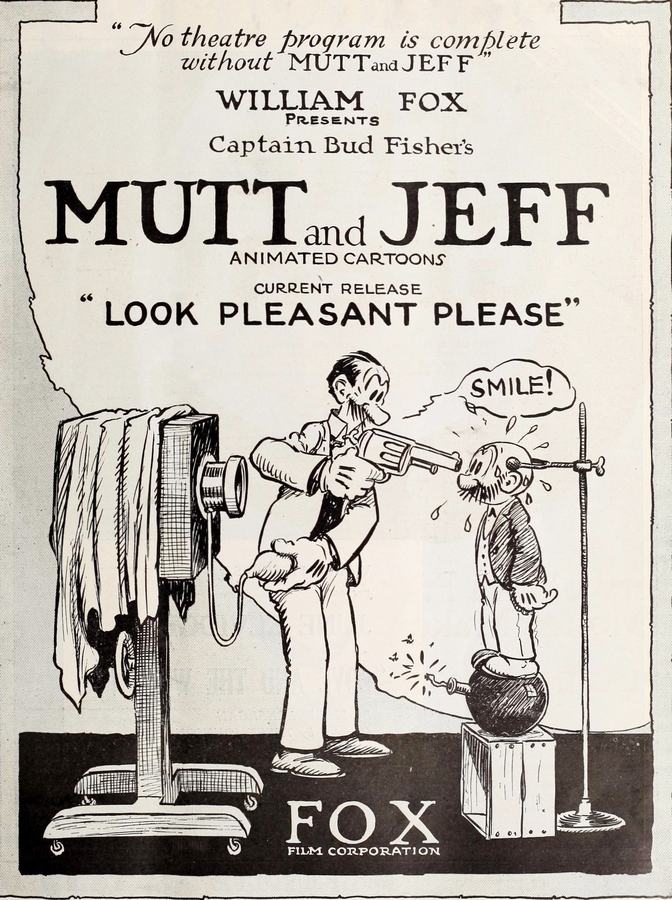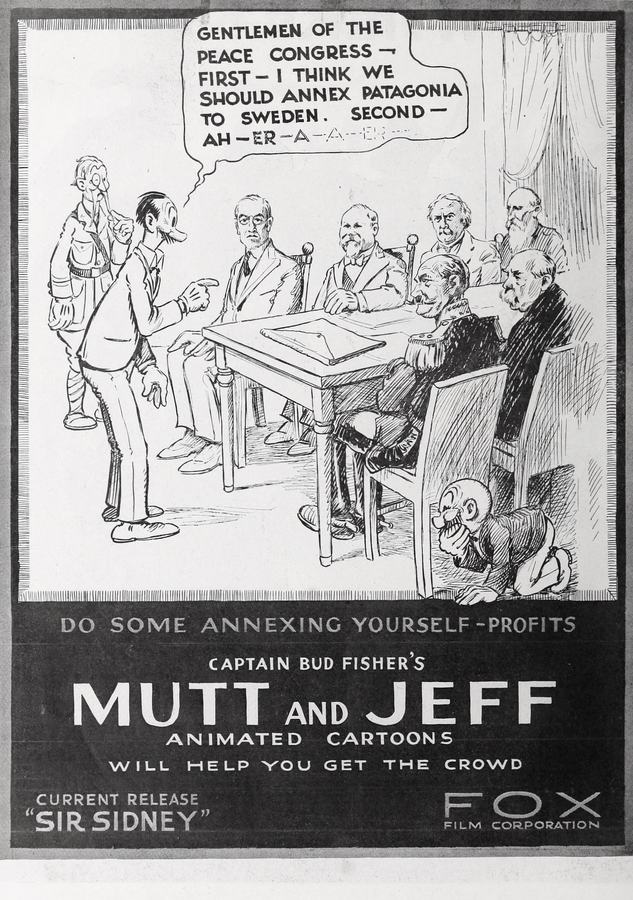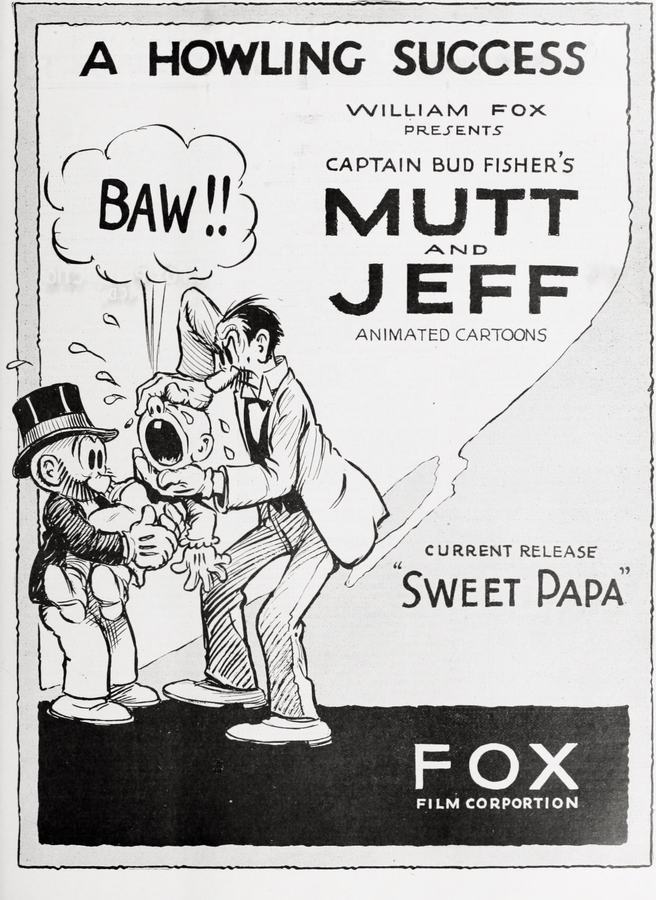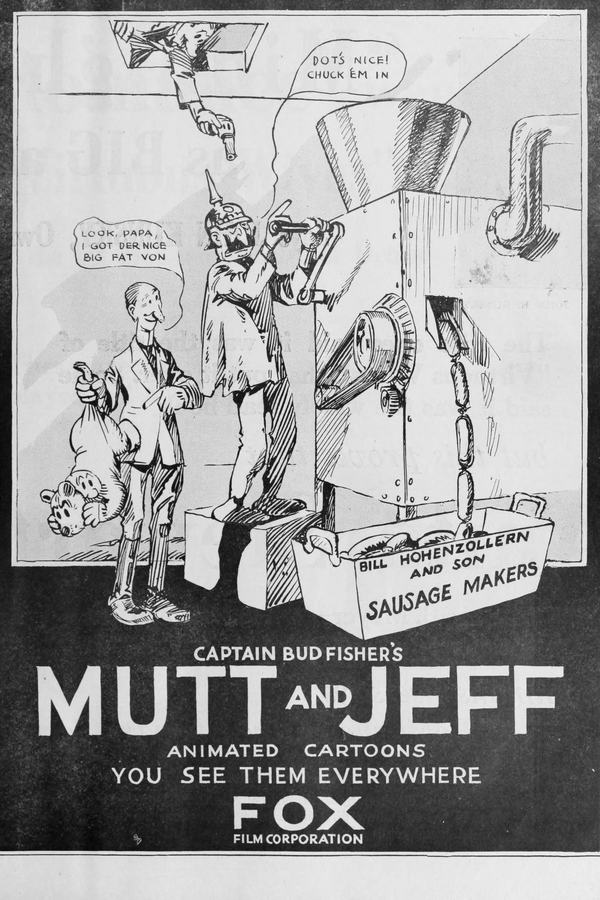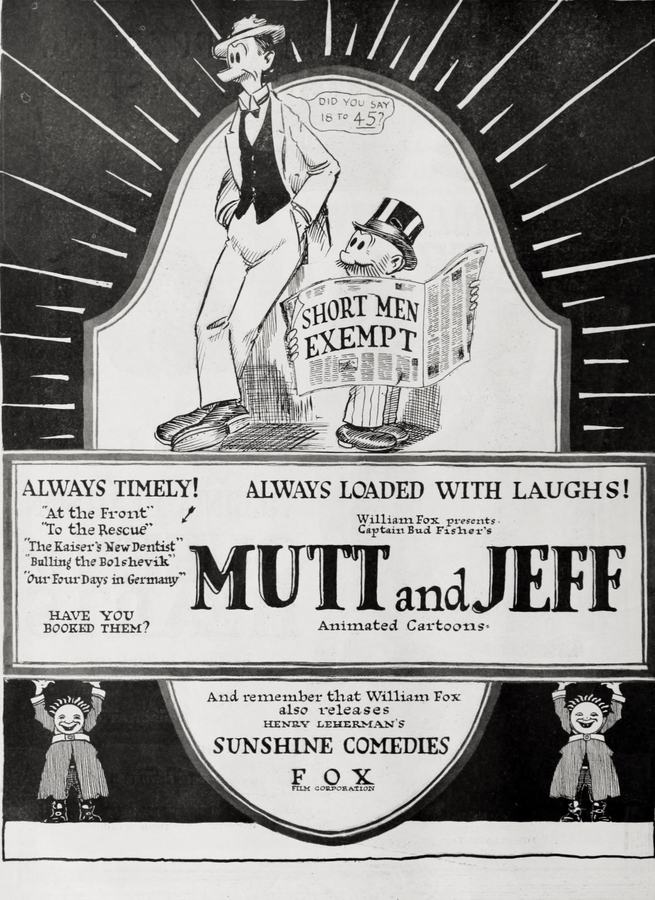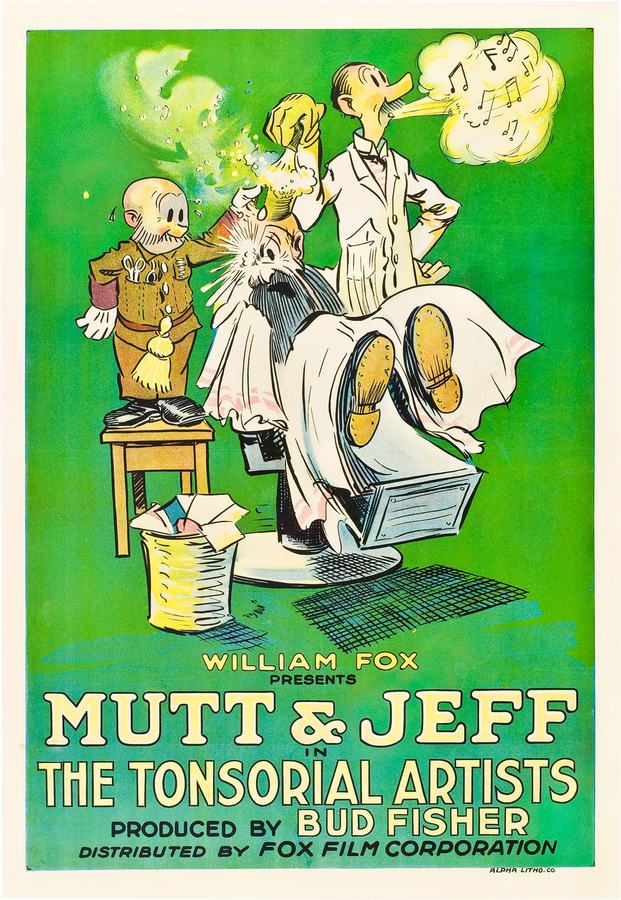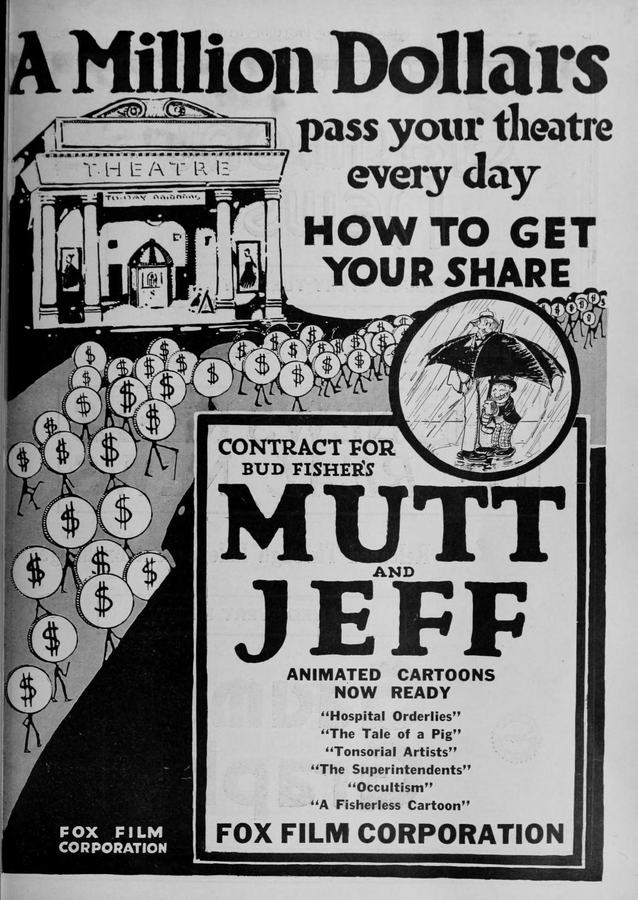
The Architect of Caricature: Bud Fisher's Cinematic GambitTo approach Long Live the King is to step into a meticulously curated vacuum where the conventions of early 1920s cinema are both celebrated and subverted. Bud Fisher, a name synonymous with the pioneering spirit of American comic strips, pivots here toward a me...


Comparing the cinematic DNA and archive impact of two defining moments in cult history.
Bud Fisher
Bud Fisher
Community
Log in to comment.
"The Architect of Caricature: Bud Fisher's Cinematic GambitTo approach Long Live the King is to step into a meticulously curated vacuum where the conventions of early 1920s cinema are both celebrated and subverted. Bud Fisher, a name synonymous with the pioneering spirit of American comic strips, pivots here toward a medium that demands a different kind of kinetic energy. Unlike the ephemeral nature of daily newsprint, this film attempts to capture the permanence of a legacy. Fisher doesn't merel..."
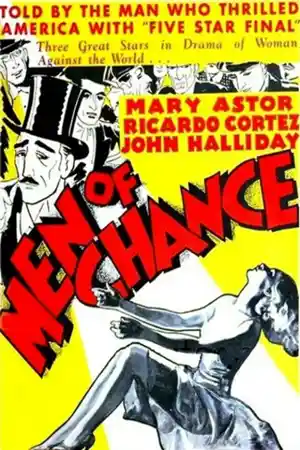

Deep dive into the cult classic
Discover similar cinematic experiences
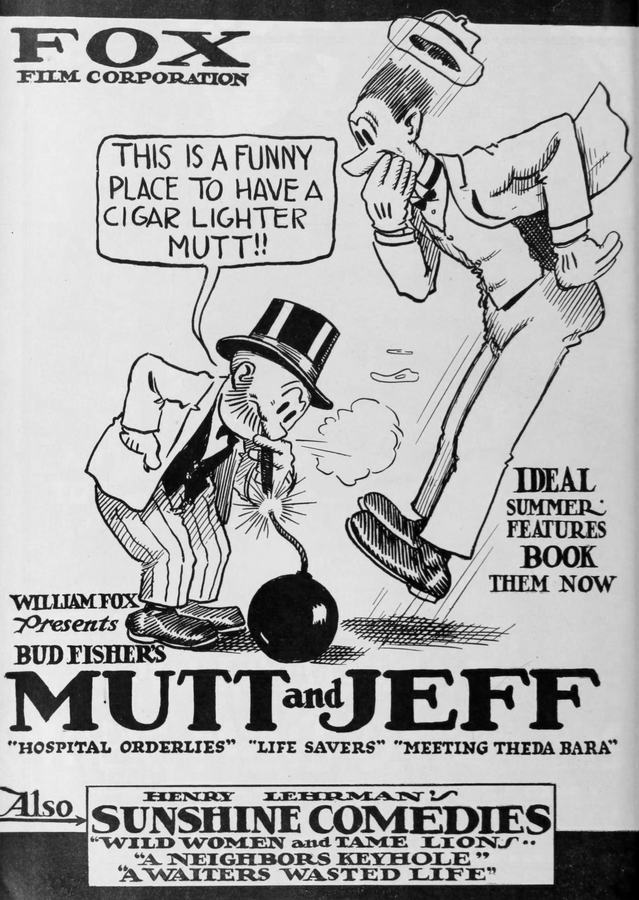
A Directorial Spotlight on Bud Fisher