DbcultAccessing Vault...
5.1/10
Senior Film Conservator
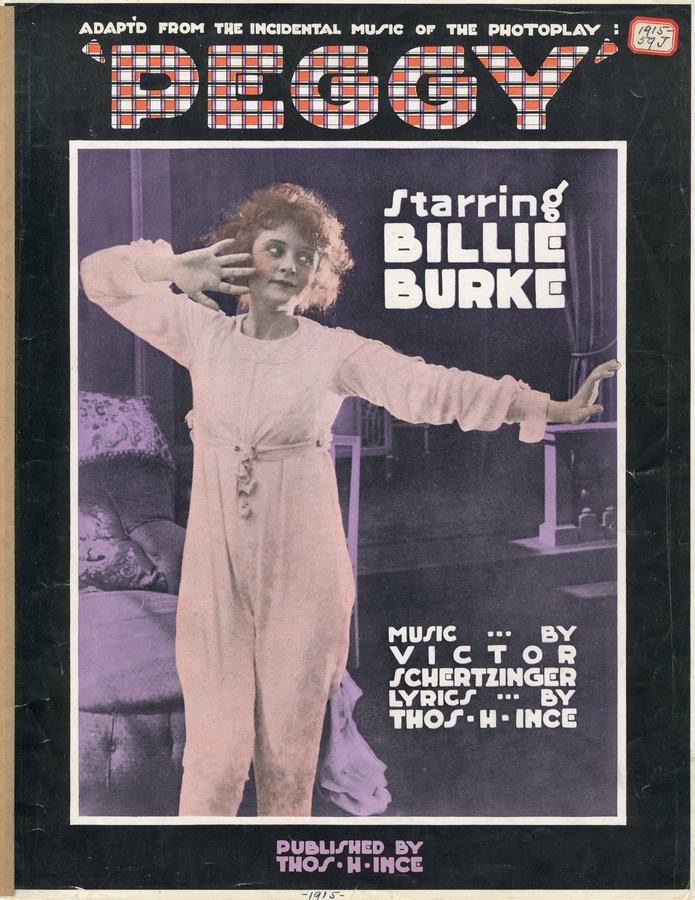
A definitive 5.1/10 rating for a film that redefined the boundaries of cult cinema. Peggy remains a cornerstone of transgressive art.
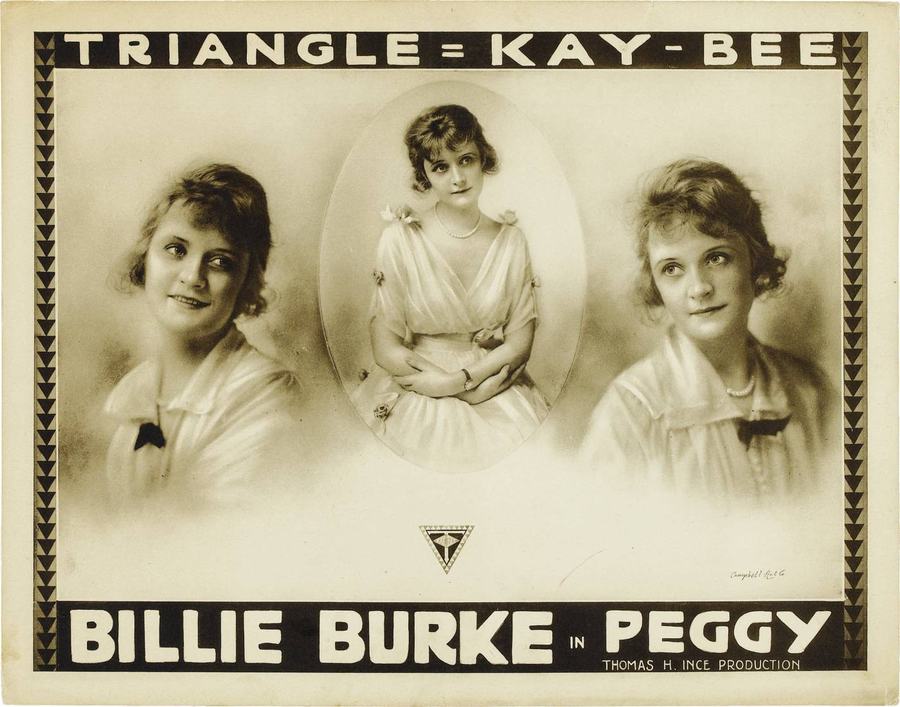
Ah, the silent era! A time of grand gestures, melodramatic narratives, and the nascent blossoming of cinematic language. Among the myriad treasures that emerged from this period, some films, like a delicate, forgotten bloom, await rediscovery. One such gem is Peggy, a delightful 1916 offering that, despite its age, still possesses an effervescent charm capable of captivating modern audiences. It's a testament to the enduring power of a well-told story, even one conveyed without spoken dialogue, that a film about a spirited American girl disrupting the placid rhythms of a Scottish village continues to resonate. In an age where spectacle often overshadows substance, Peggy reminds us that sometimes, the most profound impact comes from the simplest, most human of conflicts: the clash of cultures and the irresistible force of an unconventional spirit.
At the heart of this cinematic confection is Peggy, portrayed with an infectious vivacity by the stage veteran Truly Shattuck. Shattuck, perhaps better known for her vaudeville performances and a certain 'vampish' allure, here delivers a performance that is nothing short of captivating. Her Peggy is not merely 'rambunctious'; she is a force of nature, a whirlwind of modernity and unadulterated American confidence unleashed upon an unsuspecting, tradition-bound Scottish community. From the moment she steps off the boat, or perhaps, in the film's visual shorthand, into the quaint, cobbled streets, her presence is a disruption. Her attire, her mannerisms, her very gait speak of a different world, one less constrained by rigid social protocols and more attuned to individual expression. Shattuck imbues Peggy with a physical dynamism that transcends the limitations of silent film acting, her expressions ranging from mischievous glee to genuine bewilderment, all conveyed with a remarkable clarity that makes her character instantly relatable and endearing. She is not a caricature of American brashness; rather, she embodies a refreshing earnestness, a desire to engage with the world on her own terms, a quality that initially bewilders but ultimately enchants those around her.
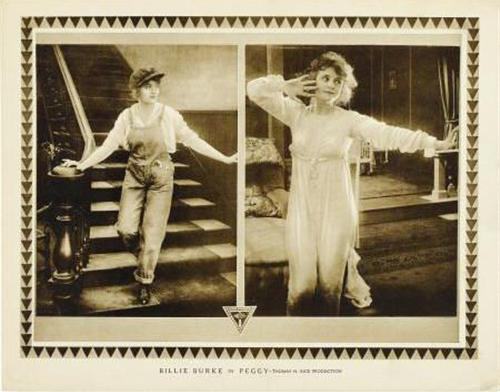
Peggy's arrival in Scotland to visit her uncle isn't just a change of scenery; it's an anthropological experiment in miniature. Her 'American ways' are not just a set of habits but a philosophy of life. She challenges the unspoken rules, questions the antiquated norms, and does so not out of malice, but from a place of genuine curiosity and an innate belief in personal freedom. This is where the film truly shines, exploring the delightful friction created when an untamed spirit encounters a deeply rooted, almost ossified, societal structure. It's a narrative that, in its essence, echoes themes found in other silent era explorations of strong, independent women. One might draw a parallel, for instance, to the indomitable spirit of Mary Pickford's character in Tess of the Storm Country, though Tess's struggles are born of poverty and social injustice, while Peggy's are of cultural misalignment. Both, however, represent a tenacious refusal to be confined by societal expectations, carving out their own paths with resilience and an unwavering sense of self.
The village itself, though perhaps depicted with a touch of romanticized simplicity characteristic of the era, serves as a crucial character in the narrative. It is a bastion of tradition, where life unfolds at a measured pace, dictated by custom and community expectation. The villagers, initially taken aback by Peggy's unconventional antics, represent a spectrum of reactions, from outright disapproval to grudging admiration. Their silent expressions, expertly captured by the director, convey volumes about their internal struggles with this new, vibrant presence. The film cleverly uses these reactions to highlight the generational and cultural divide. Older villagers cling to their established ways, their faces etched with a mixture of bewilderment and mild scandal, while younger residents, perhaps secretly yearning for a break from monotony, find themselves subtly drawn to Peggy's liberating influence. This interplay of reactions provides much of the film's comedic backbone, often eliciting knowing smiles from an audience familiar with the eternal tension between progress and preservation.
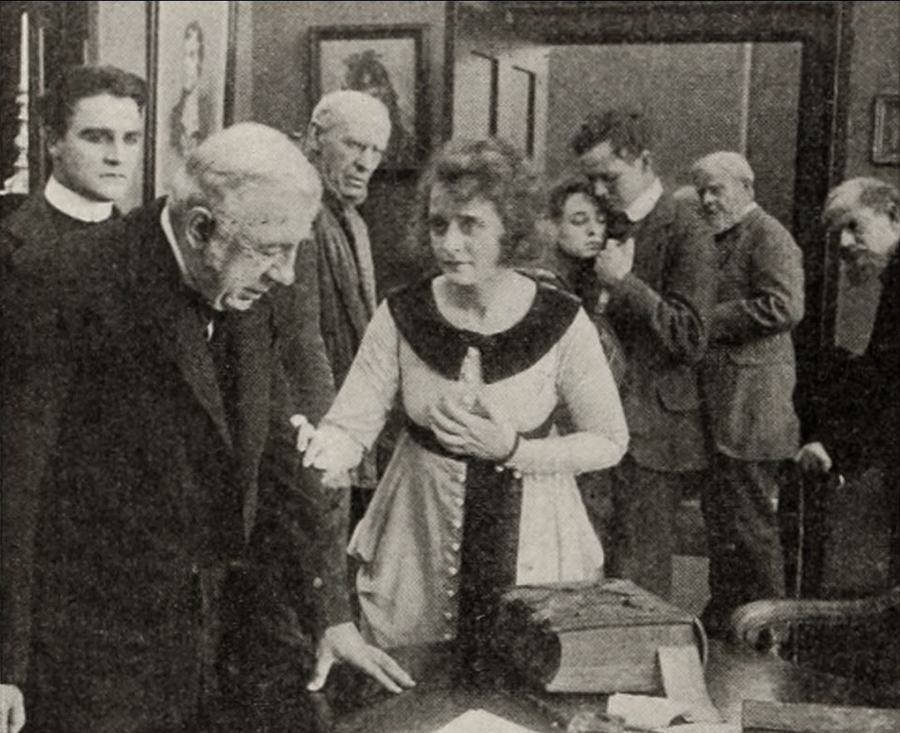
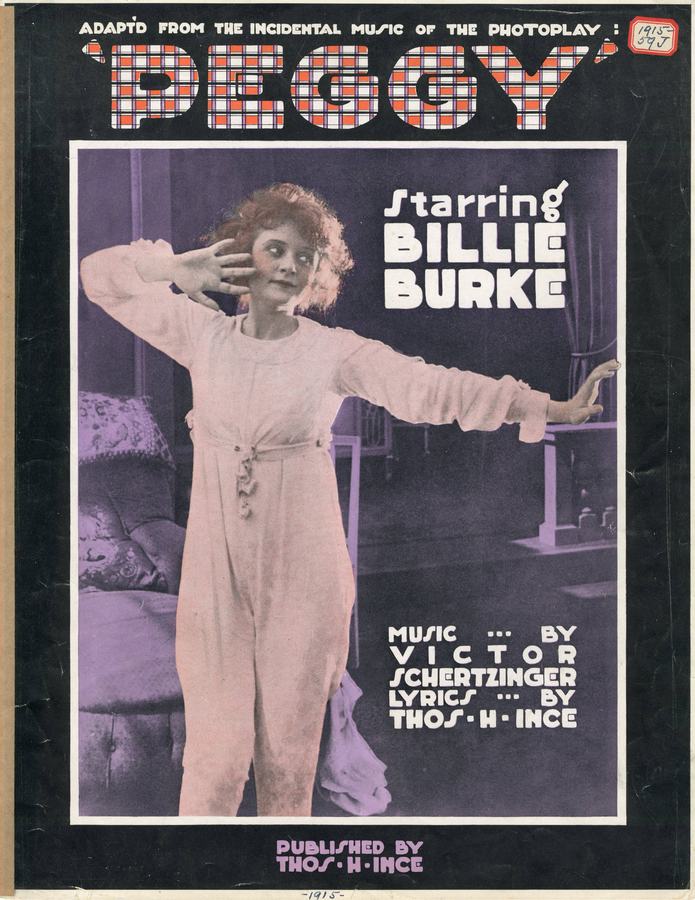
The supporting cast, a collection of seasoned performers, contributes significantly to the film's texture. William H. Thompson, William Desmond, Gertrude Claire, Charles Ray, Claire Du Brey, and Nona Thomas, each in their respective roles, paint a vivid picture of this Scottish community. Their reactions to Peggy are carefully calibrated, showcasing the gradual shift from skepticism to acceptance. Billie Burke, later to achieve iconic status as Glinda the Good Witch, likely plays a more conventional role here, perhaps as a foil or a representative of the village's more conservative elements, though her presence undoubtedly lends a certain gravitas and charm. It's in these ensemble moments, in the subtle glances and shared expressions, that the film’s commentary on societal norms truly comes alive. The film doesn’t just show Peggy’s impact; it meticulously illustrates the community’s evolving response, making the eventual 'delight' feel earned and organic.
No tale of cultural clash and charming disruption would be complete without a romantic entanglement, and Peggy delivers this with a delicate touch. The handsome young minister, whose identity is often intertwined with the moral fabric of the village, becomes Peggy's most significant conquest, not in a trivial sense, but in a profound, transformative one. He represents the very embodiment of the village's traditions and expectations, his life likely circumscribed by duty and decorum. Peggy, with her audacious spirit and genuine heart, becomes a mirror reflecting back to him a life he might never have considered possible. Her innocent provocations, her unfiltered expressions, and her unwavering belief in joy begin to chip away at his professional facade, revealing the man beneath the cloth. The arc of their relationship is a beautifully understated journey from initial shock and polite disapproval to a burgeoning affection and mutual respect. It's a narrative thread that allows the film to explore themes of love transcending societal boundaries and the rejuvenating power of a fresh perspective.
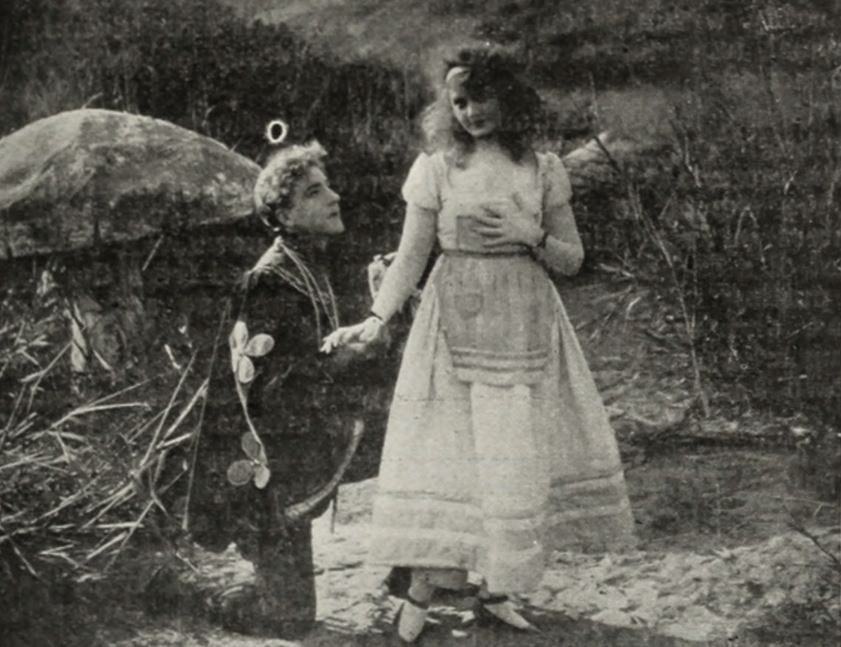
The romantic tension is handled with the subtlety characteristic of silent cinema, relying on lingering gazes, hesitant gestures, and the unspoken language of the heart. The minister's internal conflict is palpable, his duty warring with a growing admiration for Peggy's authentic spirit. This particular dynamic, a clash between sacred duty and secular attraction, can be seen, albeit in a different context, in films like The Kiss, where societal expectations often dictate the permissible boundaries of affection. However, Peggy frames this not as a forbidden desire, but as a journey towards a more holistic understanding of love and companionship, one that embraces individuality rather than suppressing it. The minister's eventual 'delight' in Peggy isn't just about falling in love; it's about finding liberation in her unconventionality, allowing himself to be charmed by a perspective that enriches his own life and, by extension, the community he serves.
The success of Peggy owes a significant debt to its writer, C. Gardner Sullivan. A prolific screenwriter of the silent era, Sullivan was known for his ability to craft compelling narratives across various genres, from westerns like Buckshot John and Whispering Smith to intense dramas like The War Bride's Secret. Here, his pen, or rather, his typewriter, demonstrates a keen understanding of character-driven comedy and the subtle nuances of social commentary. Sullivan doesn't resort to broad, slapstick humor, though moments of physical comedy undoubtedly exist. Instead, he constructs a narrative where humor arises organically from the collision of personalities and cultures. His dialogue, though presented through intertitles, is sharp and purposeful, driving the plot forward while revealing character. The pacing of the story, a crucial element in silent film, is expertly managed, allowing moments of quiet reflection to breathe alongside scenes of lively interaction. It is this thoughtful construction that elevates Peggy beyond a simple comedic romp, embedding it with a gentle wisdom about acceptance and the beauty of embracing differences.
Sullivan's ability to create memorable female characters who challenge the status quo is evident here. Much like the titular character in Jewel, another film from the same period that often features spirited heroines, Peggy is a testament to the emerging strength and independence of women in early 20th-century narratives. The story avoids simplistic moralizing, instead opting for a nuanced exploration of how even the most entrenched traditions can benefit from a dose of fresh perspective. It's a testament to Sullivan's skill that the eventual embrace of Peggy's 'American ways' feels not like a defeat for tradition, but a harmonious integration, a broadening of horizons for the entire community.
While Peggy may not boast the epic scale of a Germinal; or, The Toll of Labor or the intense drama of a Souls Enchained, its enduring appeal lies in its intimate focus and universal themes. It is a film that reminds us that laughter and understanding can bridge the widest cultural divides. Its message of embracing the new while respecting the old is timeless, making it as relevant today as it was over a century ago. The film's gentle humor and heartwarming narrative provide a refreshing counterpoint to more overtly dramatic silent films, offering a glimpse into the lighter side of cinematic storytelling from that era. One might compare its lighthearted yet meaningful exploration of character to the charming domestic comedies of the time, such as What Happened to Father, which similarly found humor in familial dynamics and societal expectations, albeit within a different setting.
The performances, particularly that of Truly Shattuck, are a masterclass in silent film acting, conveying depth and emotion without a single uttered word. Her portrayal of Peggy is a vibrant, unforgettable character, a testament to the power of a strong female lead even in the nascent stages of cinema. The film serves as an excellent example of how early cinema, often dismissed as primitive, was capable of nuanced storytelling and sophisticated character development. It invites viewers to look beyond the technical limitations of the past and appreciate the artistry and innovation that defined the silent screen. For those seeking to explore the rich tapestry of early American cinema, Peggy offers a delightful and insightful journey, a charming reminder that sometimes, all it takes is a little bit of American gumption to brighten up a Scottish village and, indeed, the silver screen.
In conclusion, Peggy is far more than a historical artifact; it is a lively, engaging piece of storytelling that continues to charm and entertain. It stands as a testament to the collaborative genius of its cast and crew, particularly C. Gardner Sullivan's astute writing and Truly Shattuck's unforgettable performance. It’s a film that, like its titular character, brings a welcome burst of energy and warmth, leaving an indelible mark on the heart and mind. If you have the opportunity, do seek out this delightful cinematic journey; it's a testament to the universal appeal of a good story, regardless of the era in which it was told.
IMDb —
1919
Community
Log in to comment.