United States
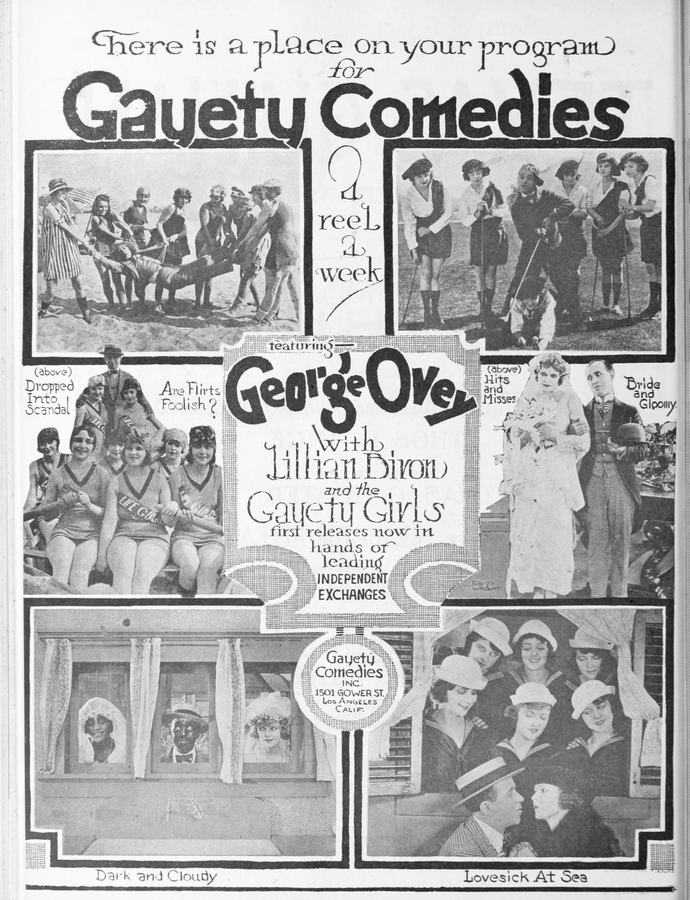
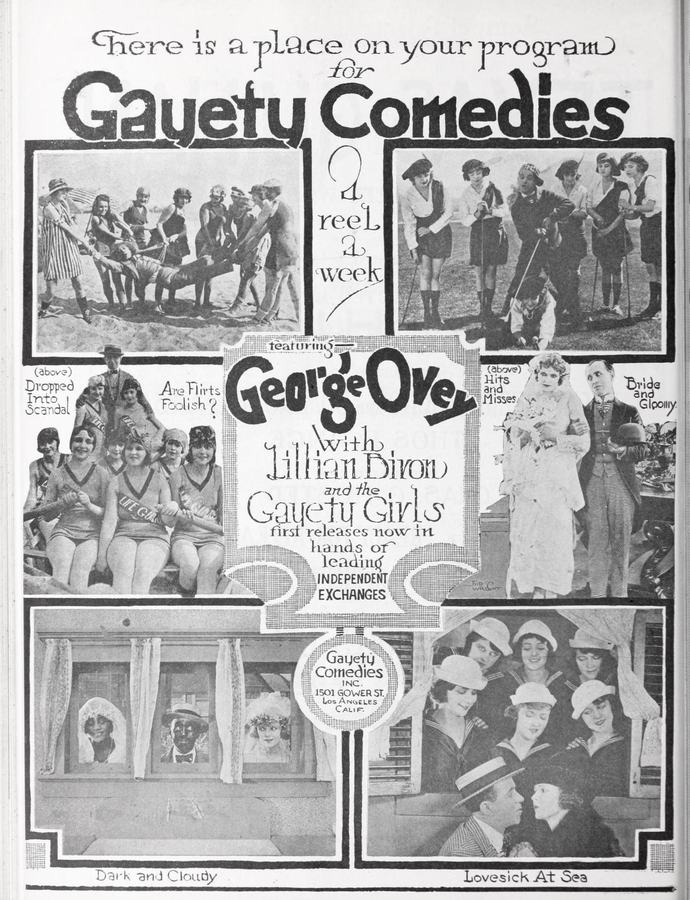
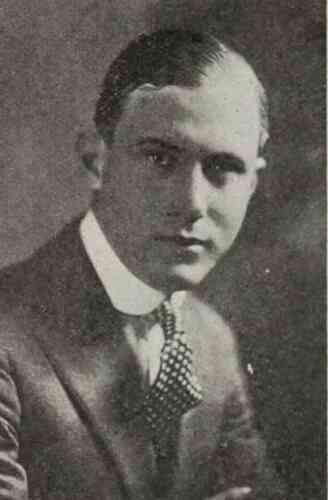
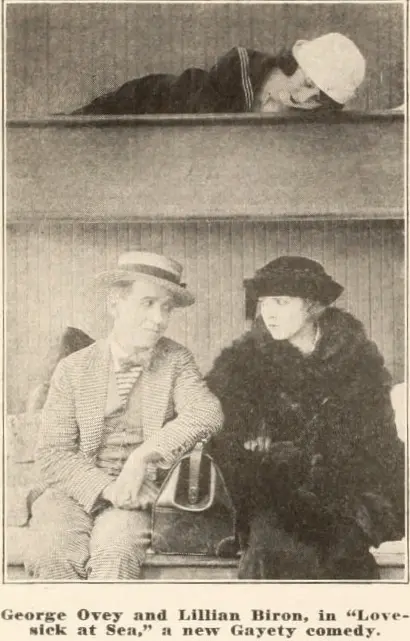
The Nautical Equilibrium of Merry JerryTo witness Lovesick at Sea is to step into a time capsule where the grammar of cinema was still being written in the ink of physical exertion and celluloid sweat. George Ovey, often overshadowed by the pantheon of Chaplin, Keaton, and Lloyd, asserts a distinct comedic identity her...
still_frame
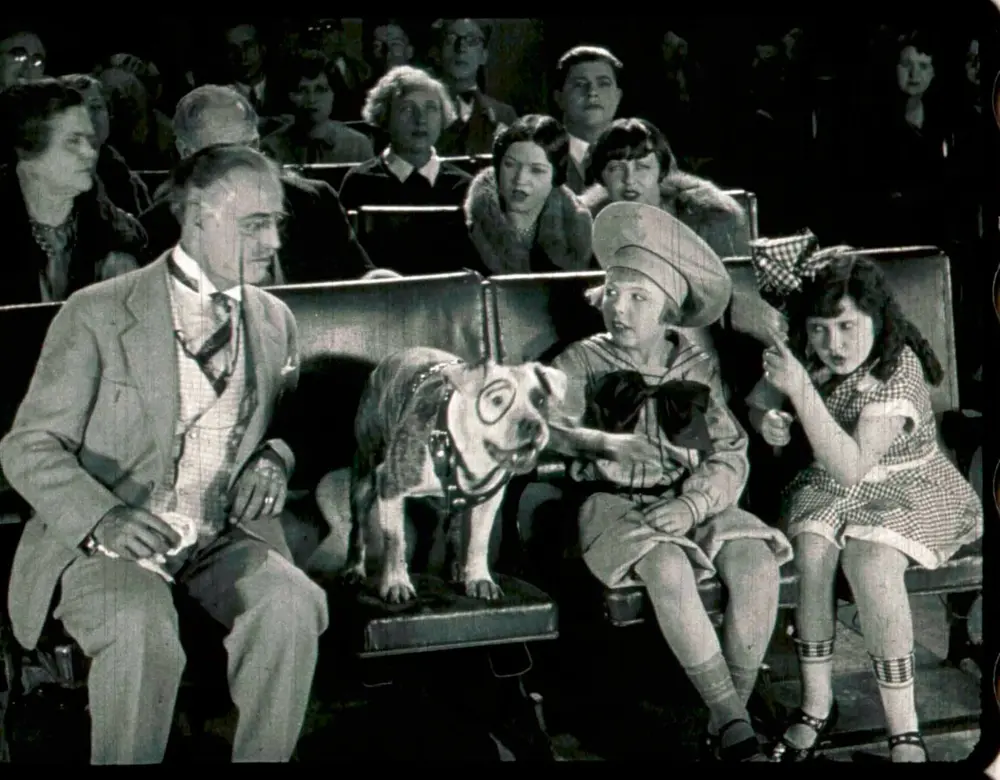
Comparing the cinematic DNA and archive impact of two defining moments in cult history.
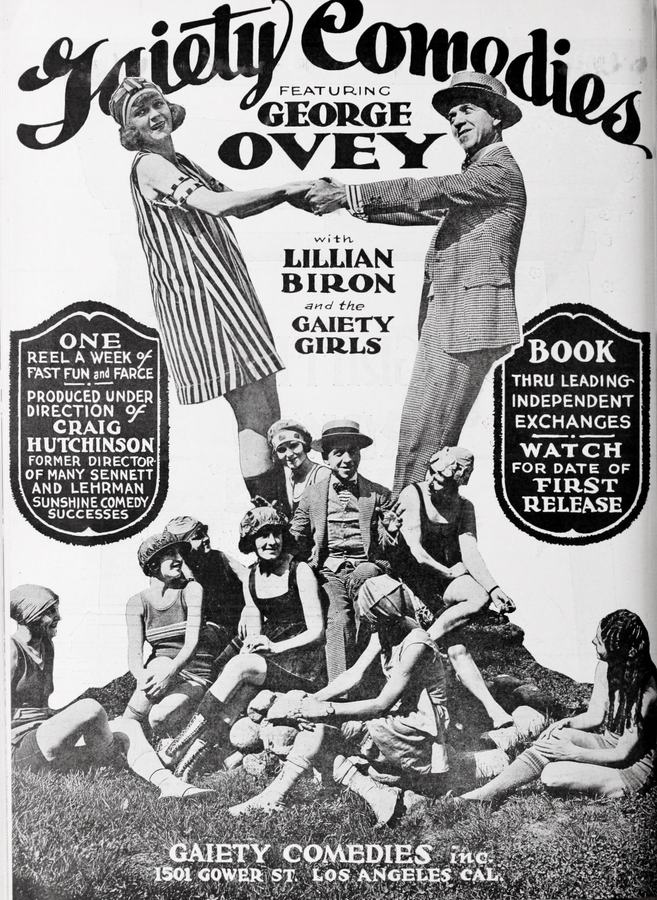
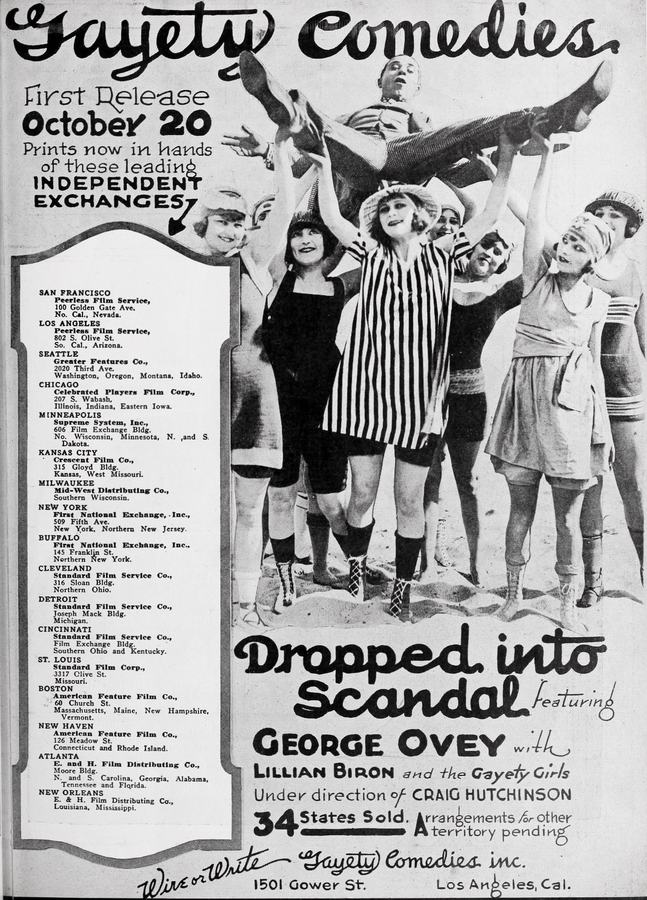
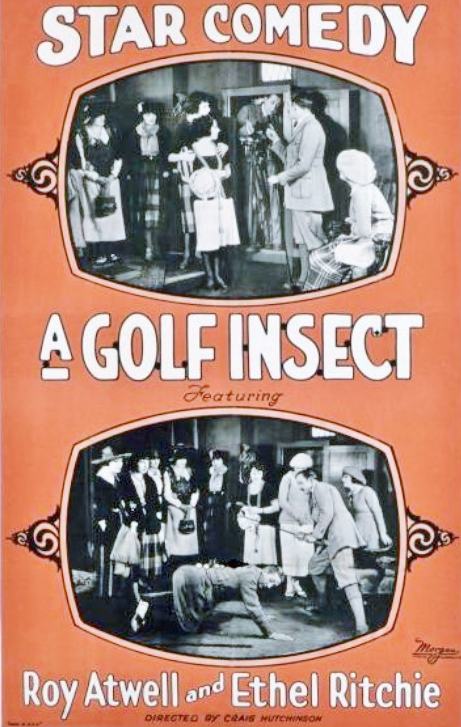
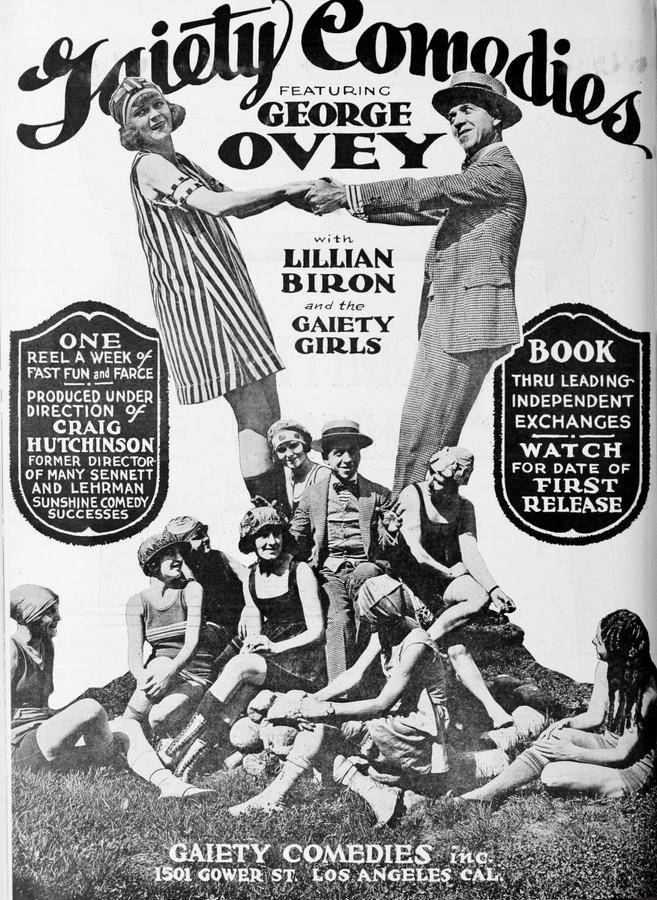
Craig Hutchinson
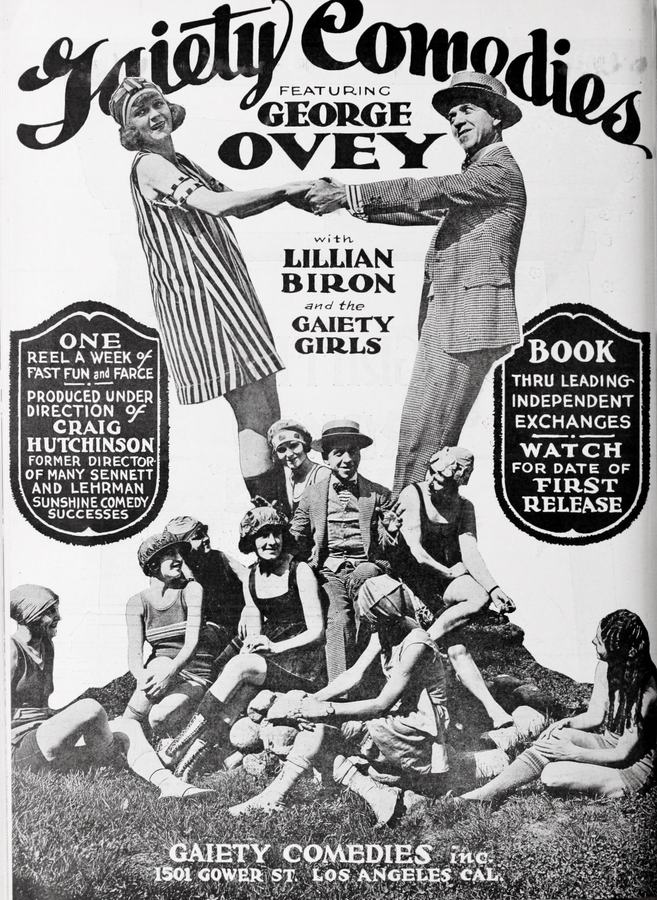
Craig Hutchinson
Community
Log in to comment.
"The Nautical Equilibrium of Merry JerryTo witness Lovesick at Sea is to step into a time capsule where the grammar of cinema was still being written in the ink of physical exertion and celluloid sweat. George Ovey, often overshadowed by the pantheon of Chaplin, Keaton, and Lloyd, asserts a distinct comedic identity here that is both frantic and surprisingly nuanced. In this 1917 gem, the ocean is not merely a setting; it is a malevolent, oscillating character that demands a specific type of perf..."
Deep dive into the cult classic
Discover similar cinematic experiences
A Directorial Spotlight on Craig Hutchinson