DbcultAccessing Vault...
Cult Review
Senior Film Conservator
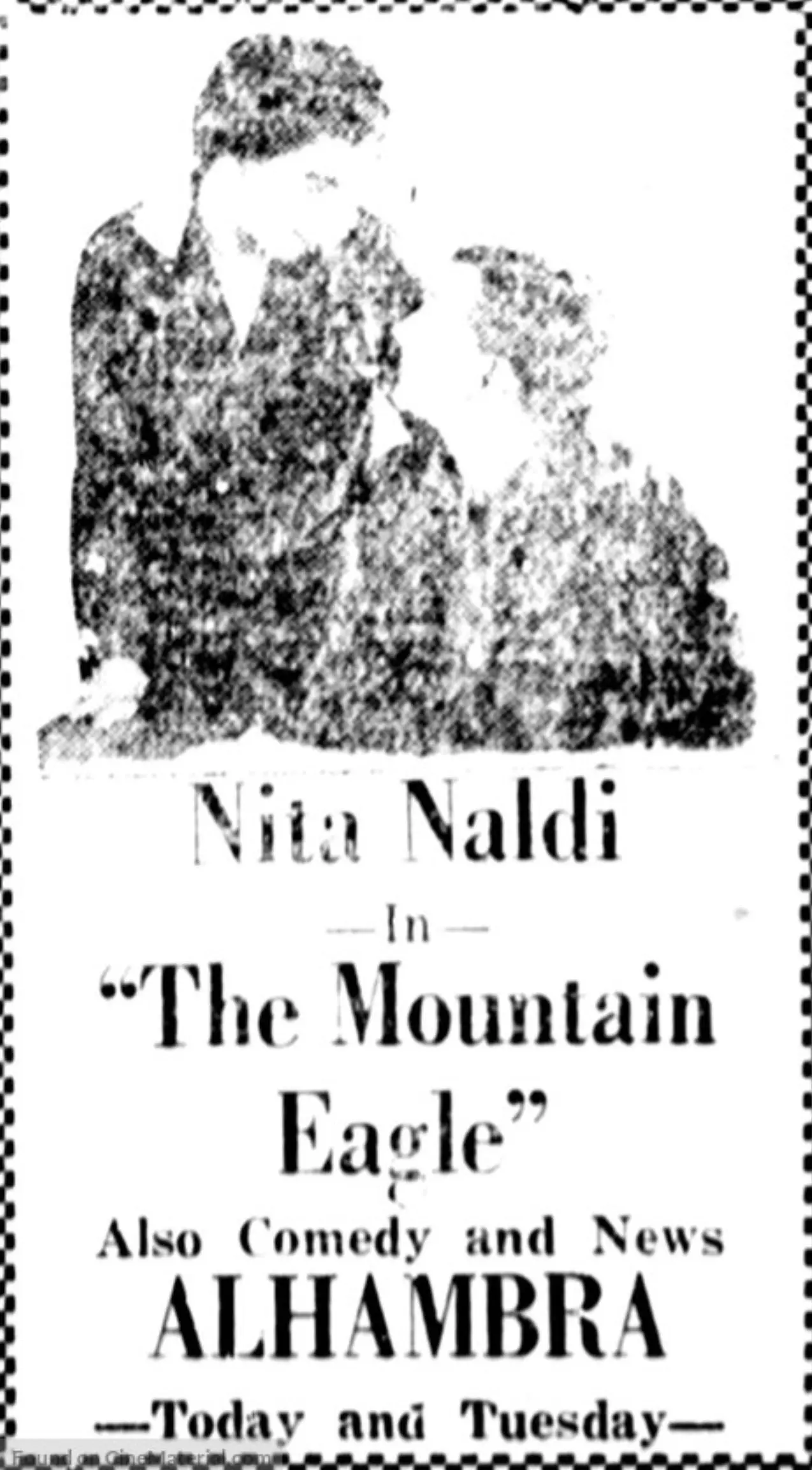
This film works because... The Mountain Eagle excels in its portrayal of the insular, picturesque life of the Kentucky hills. The chemistry between Ferdinand Martini and Nita Naldi as Evelyn is palpable, and the dense, atmospheric cinematography captures the raw beauty of the setting. The film’s exploration of spiritual and emotional growth is both heartfelt and nuanced.
This film fails because... Despite its strengths, The Mountain Eagle suffers from a somewhat predictable plot and occasionally stilted dialogue. The supernatural elements, while intriguing, are not fully developed, leaving them to feel somewhat underwhelming. Additionally, the pacing can be uneven at times, which occasionally disrupts the flow of the narrative.
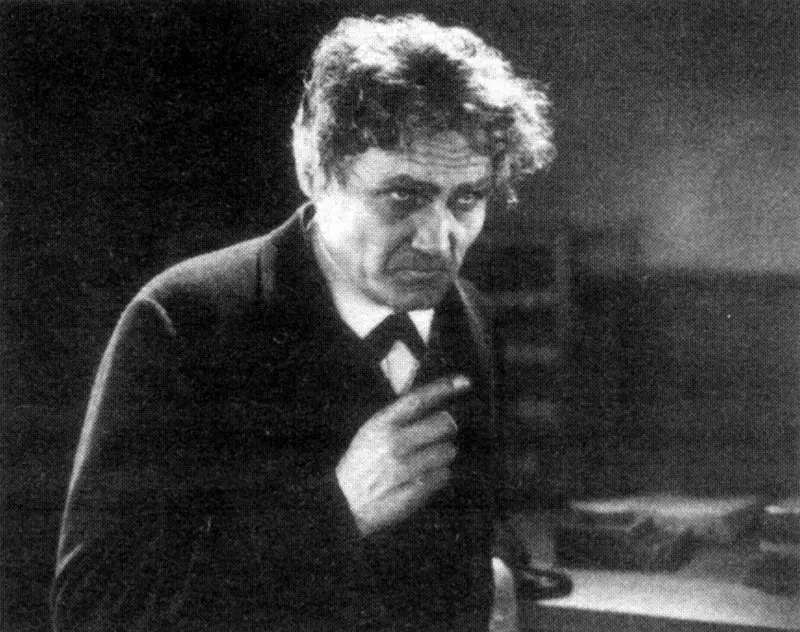
You should watch it if... You are a fan of period dramas set in rural America, or if you enjoy films that blend romance with deep, philosophical explorations of the human condition. The film is particularly strong in its character development and its ability to evoke a sense of place.
Yes, but it’s not a perfect film. The Mountain Eagle is a valuable addition to the genre, offering a poignant and authentic look at life in the Kentucky hills. While it may not be groundbreaking, it is a rewarding experience for those who appreciate well-acted and well-crafted period dramas.
Pros:
Cons:
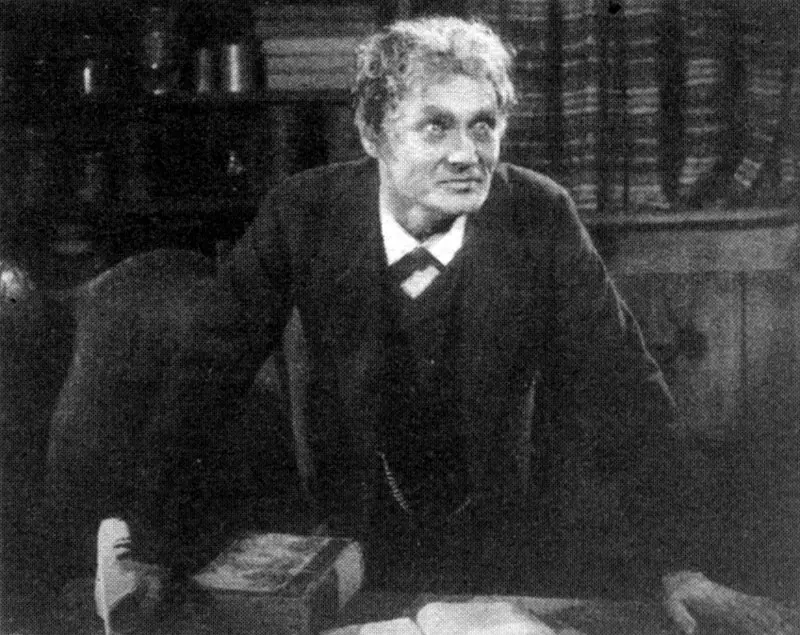
Charles Lapworth’s direction in The Mountain Eagle is both understated and effective. He allows the performances and cinematography to take center stage, creating a film that is as much about atmosphere as it is about plot. His ability to capture the essence of the rural American experience is commendable, and his direction of the actors is particularly noteworthy.
The chemistry between Ferdinand Martini and Nita Naldi is one of the film’s strongest elements. Martini’s portrayal of Ferdinand is both endearing and complex, while Naldi’s character, Evelyn, comes across as innocent yet determined. Their on-screen chemistry is palpable, and their performances are the emotional heart of the film.
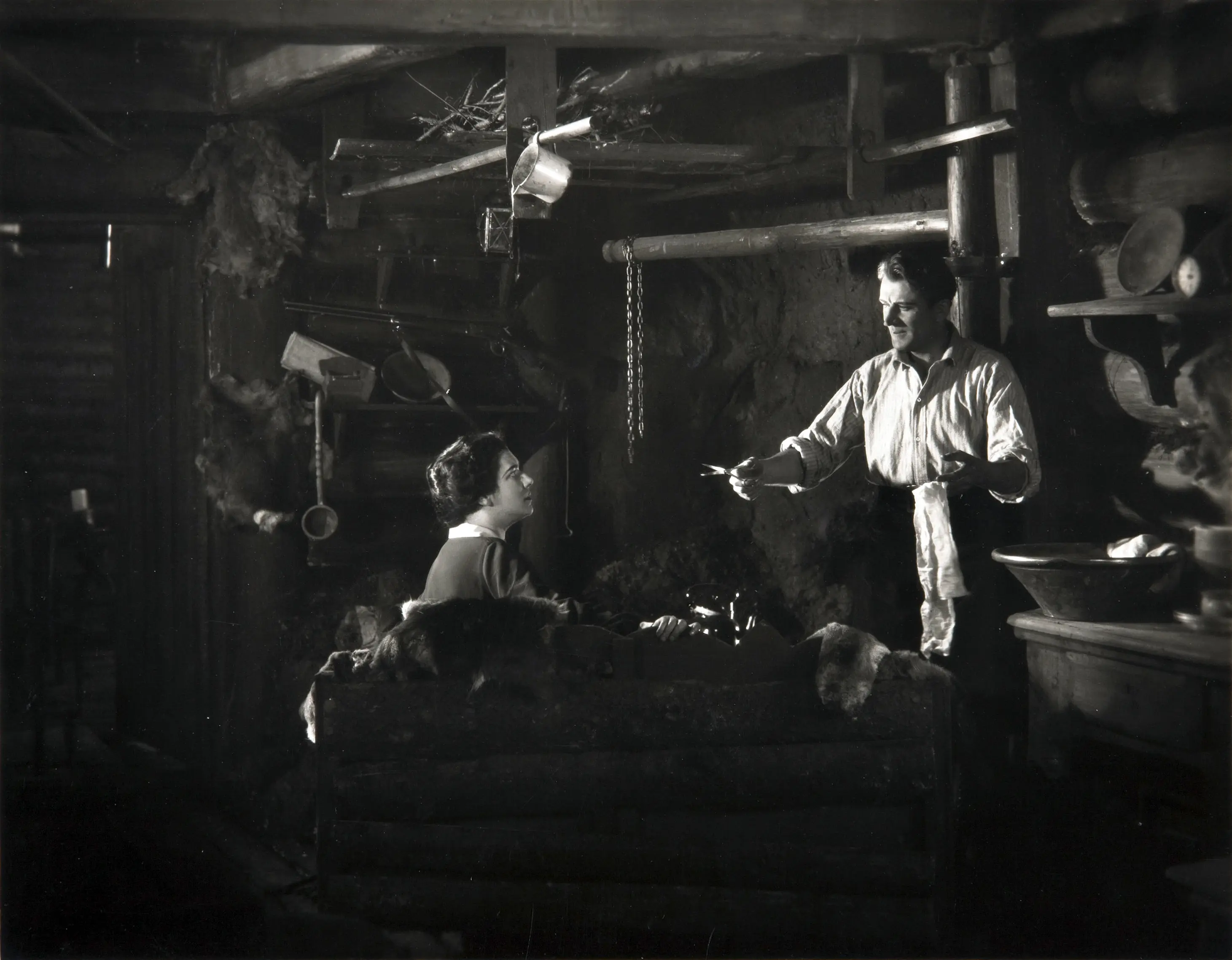
Max Ferner’s cinematography is one of the film’s greatest strengths. The Kentucky hills are depicted with a rich, almost painterly quality, and the film captures the raw beauty of the landscape in a way that is both stunning and evocative. The use of natural light and the careful framing of landscapes and interiors add to the sense of place and the film’s overall atmosphere.
Eliot Stannard’s script is a mixed bag. While the dialogue is often poetic and evocative, it can also feel stilted and occasionally predictable. The pacing is uneven at times, which can be a drawback for viewers looking for a more linear narrative. However, the film’s ability to balance slower, more contemplative moments with more action-packed sequences is a testament to Stannard’s skill as a writer.
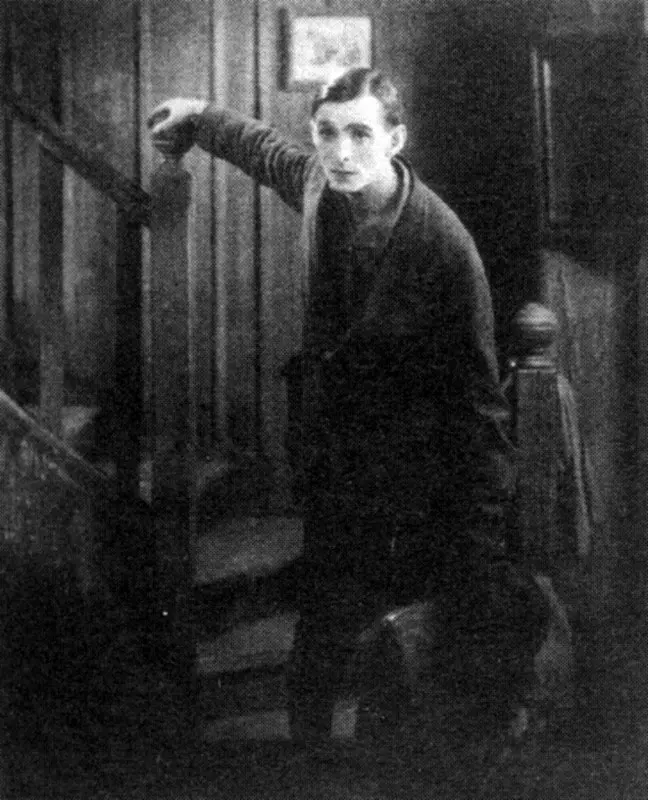
The film’s tone is a blend of romance, drama, and the supernatural. While the supernatural elements are intriguing, they are not fully developed, which can be a drawback for viewers looking for a more cohesive narrative. The film’s emotional tone is well-crafted, however, and the characters are portrayed with a depth that adds to the film’s overall impact.
Yes, but it’s not a perfect film. The Mountain Eagle is a valuable addition to the genre, offering a poignant and authentic look at life in the Kentucky hills. While it may not be groundbreaking, it is a rewarding experience for those who appreciate well-acted and well-crafted period dramas.
The Mountain Eagle is a film that works because it captures the essence of the rural American experience with authenticity and beauty. It is a character-driven drama that explores the complexities of human emotion and spiritual growth. While it may not be perfect, it is a film that is worth watching for those who appreciate well-acted and well-crafted period dramas.
It works. But it’s flawed. The film is a worthwhile experience, but its uneven pacing and occasionally stilted dialogue can be a drawback. However, the rich, atmospheric cinematography and the performances of Ferdinand Martini and Nita Naldi make it a rewarding watch for those who appreciate period dramas and character-driven stories.
IMDb —
1920
Community
Log in to comment.