Summary
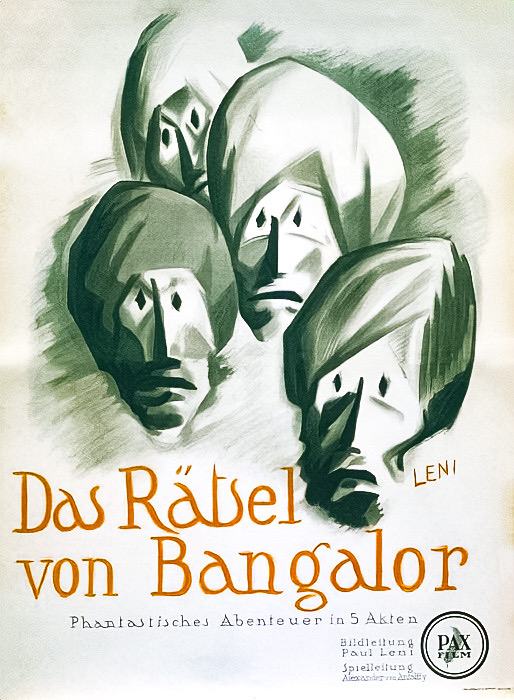
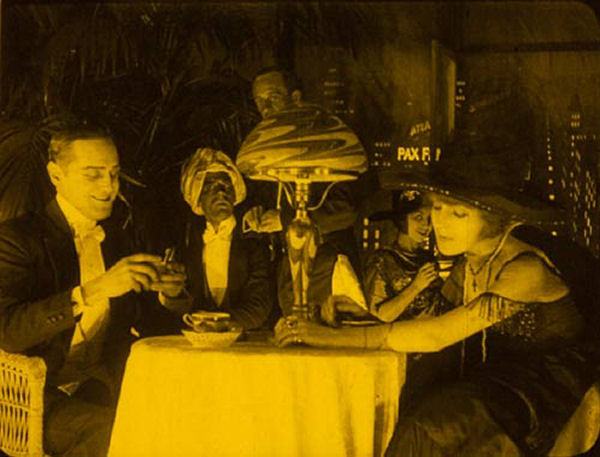
A fever-dream fugue unfurls inside the gas-lit labyrinth of 1919 Berlin, where colonial booty from the Indies—an obsidian casket rumored to imprison the breath of Kali—arrives at the docks and is instantly swallowed by the city’s kaleidoscopic underbelly. Harry Liedtke’s Dr. Alfons Murnau, ethnographer turned reluctant sleuth, traces the relic through velvet-draped cabarets, anarchist print-shops, and the waxen corridors of a shuttered anatomical museum, each step peeling back another layer of Prussian decorum to expose the colonial guilt pulsing beneath. Gilda Langer’s Yasmini, a trapeze artist inked with turmeric-tinted tattoos that shift like living maps, claims the casket is her stolen birthright; her hypnotic cadence lures Murnau into a tango of deceit that leaves his rational certainties in tatters. Meanwhile Conrad Veidt’s Count Oran, a syphilitic aristocrat whose silhouette seems cut from burnt celluloid, hires a secret society of war-maimed veterans to intercept the artifact, promising them absolution through apocalypse. The narrative fractures into prismatic points-of-view: a deaf seamstress who lip-reads conspiracies through café windows; a Tamil lascar who hallucinates oceanic deities in puddles of horse-piss; a police archivist pasting missing-person photographs into a ledger that grows teeth. As monsoon rain lashes the Brandenburg façade, the casket cracks open—not to reveal a goddess but a reel of film: lost footage of German atrocities in East Africa, the celluloid still warm with the screams of the erased. The final montage superimposes Yasmini’s aerial somersault above the city’s rooftops onto a military execution, her body becoming both witness and weapon, while Murnau, now blindfolded and smiling, recites a broken Sanskrit mantra that dissolves into the whirring sprockets of the projector. The last frame is a single match-flare in absolute darkness, the audience left to decide whether it illuminates or consumes.
Review Excerpt
"
Paul Leni’s Das Rätsel von Bangalor does not unspool; it hemorrhages. From the first iris-in on a crate stamped KÖNIGLICH PREUSSISCHE INDIEN-KOMPAGNIE the film announces itself as celluloid scar-tissue, a Weimar fever that refuses antiseptic narration. From that moment you are not watching—you are contaminated.
Berlin as Colonial Palimpsest
The city Leni conjures is neither the jagged skyline of Lang’s Metropolis nor the sooty romanticism of Pabst’s Joyless Street. It is a humid after-image, s..."