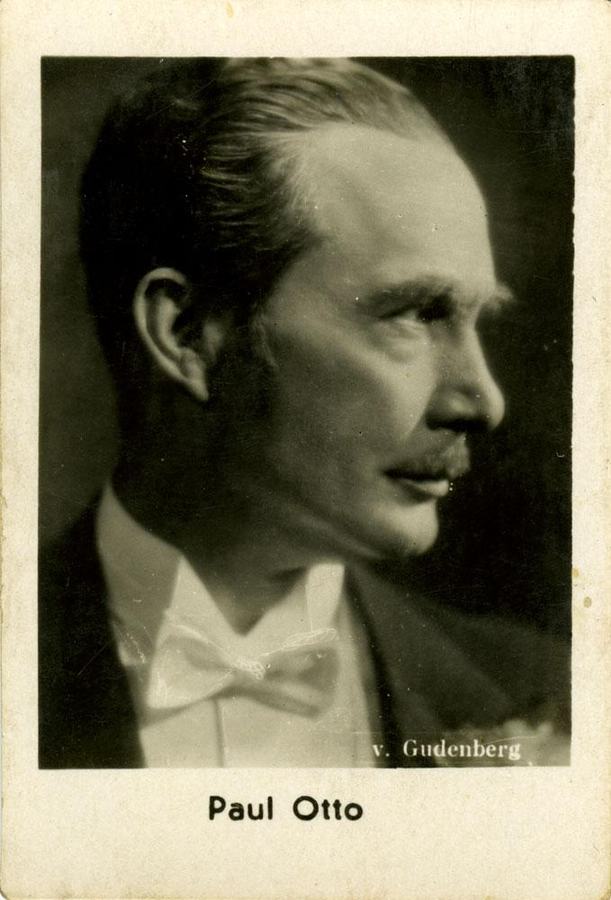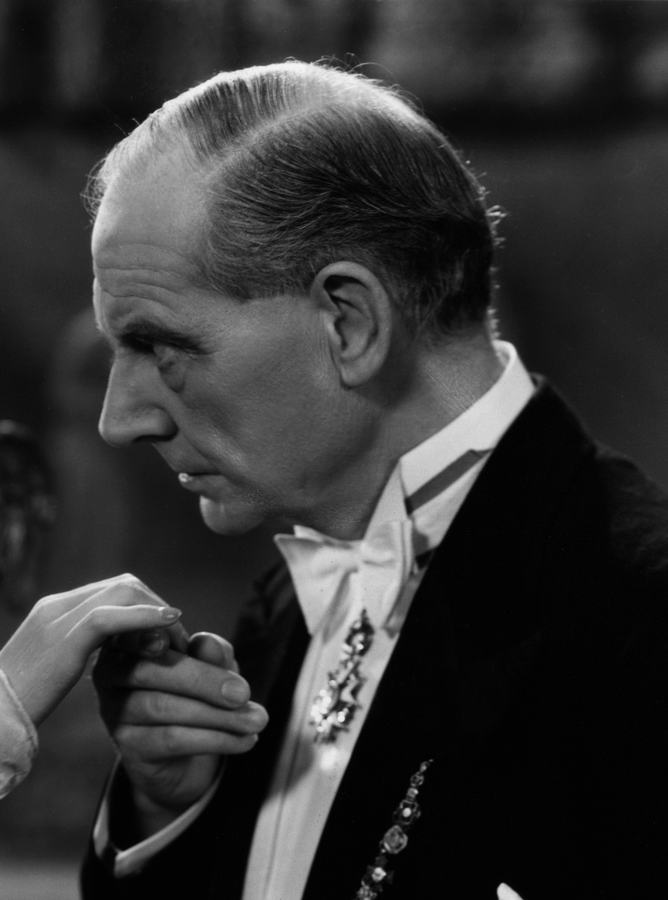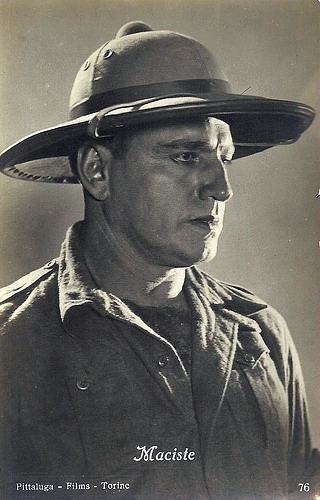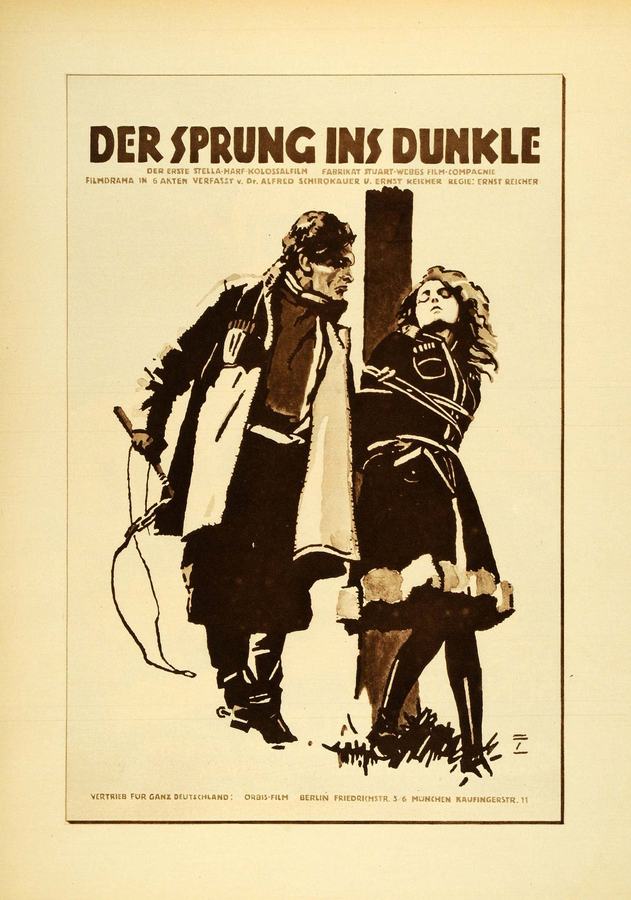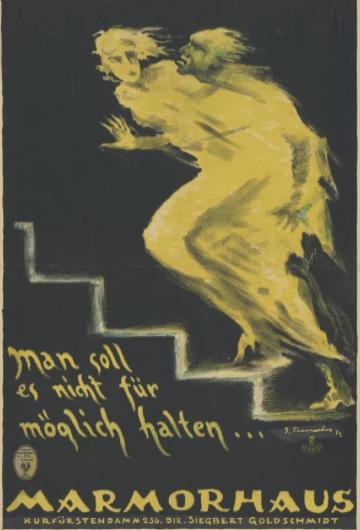
The strong man Maciste is faced with anew mystery..
The first time I saw Maciste und die Javanerin I walked out convinced I had hallucinated half the footage—until the 2019 Bologna restoration proved the hallucination was always intentional. Georg Jacoby’s 1922 fever dream—shot between inflation-rioting Berlin streets and a plywood jungle that smells of fresh turpenti...


Comparing the cinematic DNA and archive impact of two defining moments in cult history.
Uwe Jens Krafft
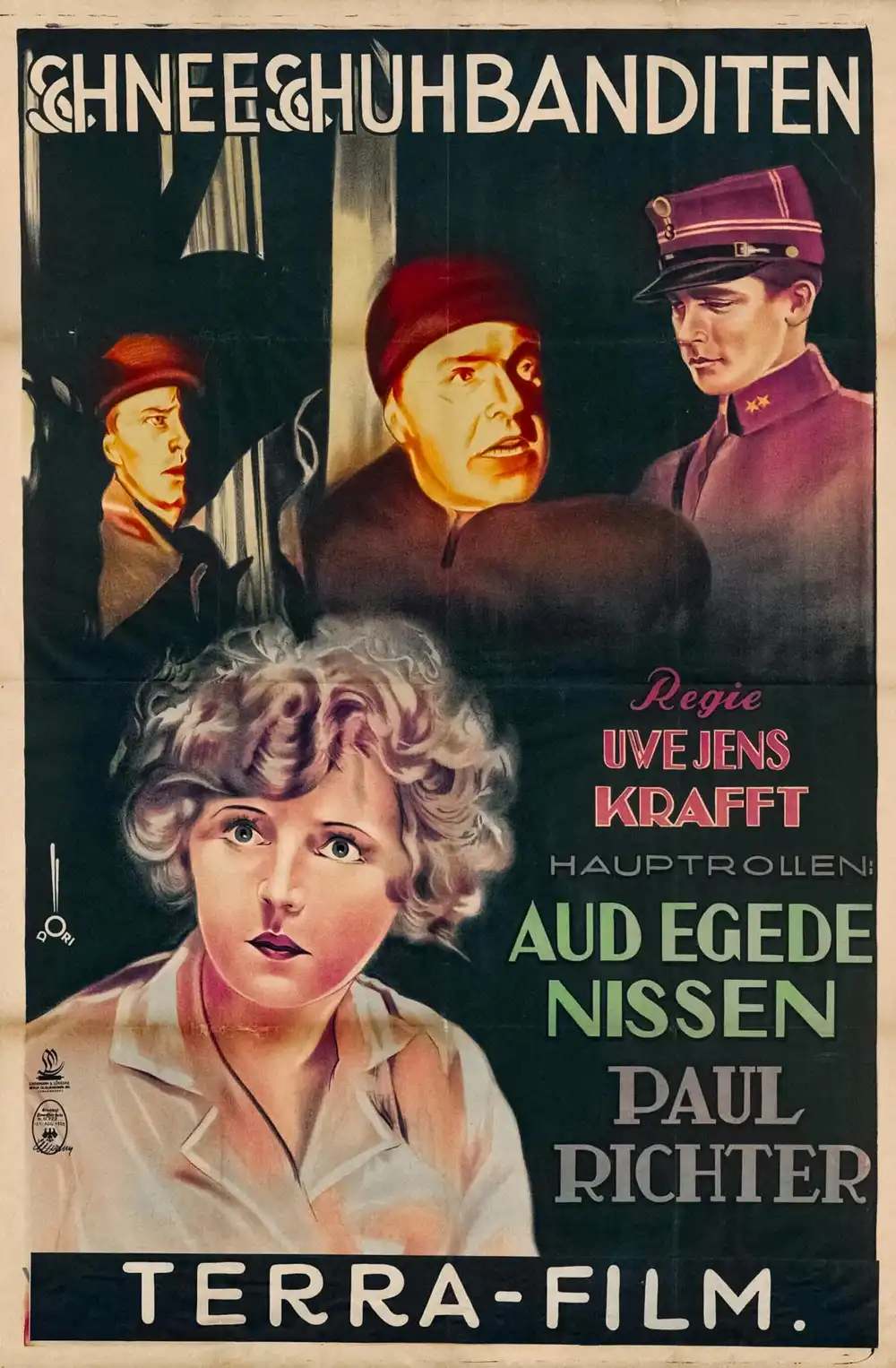
Uwe Jens Krafft
Community
Log in to comment.
" The first time I saw Maciste und die Javanerin I walked out convinced I had hallucinated half the footage—until the 2019 Bologna restoration proved the hallucination was always intentional. Georg Jacoby’s 1922 fever dream—shot between inflation-rioting Berlin streets and a plywood jungle that smells of fresh turpentine—belongs to that delirious micro-genre where muscle-bound myth collides with Weimar anxiety. The plot, nominally a quest to recover a kris blade, is merely clothesline for an ero..."
Georg Baselt
Robert Liebmann, Georg Jacoby
Germany

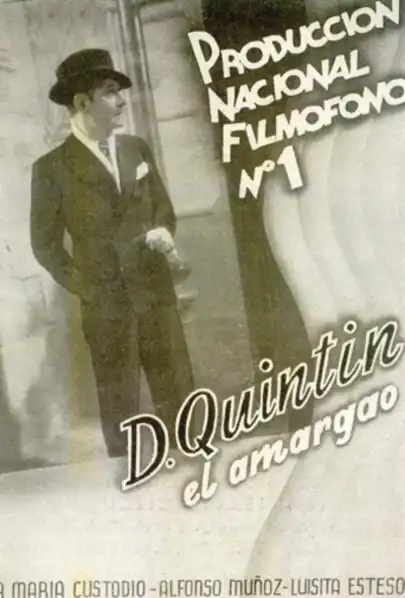
Deep dive into the cult classic
Discover similar cinematic experiences
A Directorial Spotlight on Uwe Jens Krafft