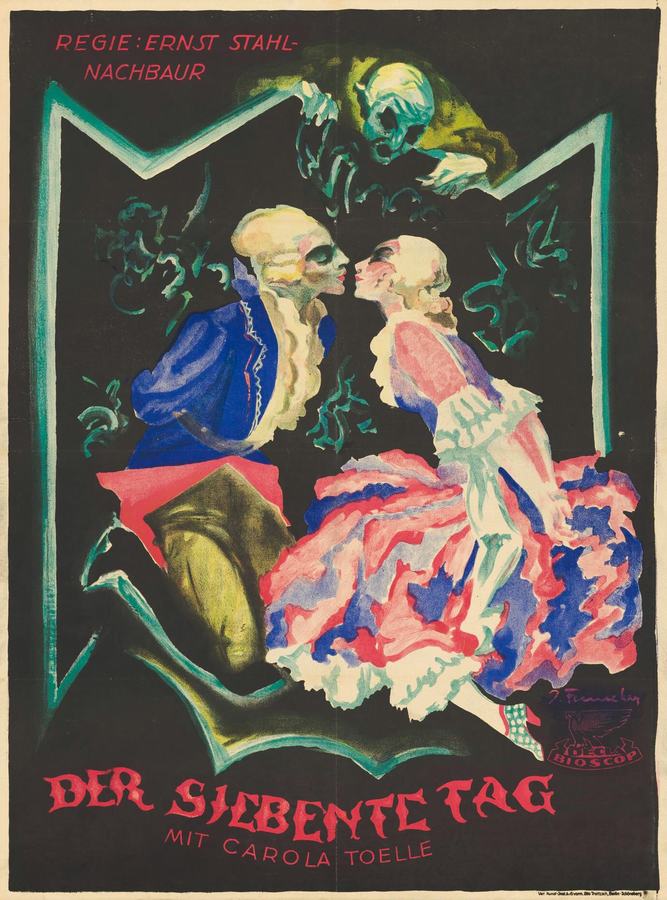
Berlin, winter 1926: while Fritz Lang finishes Metropolis in the studio next door, a smaller crew at Ufa’s Tempelhof soundstage is crafting a film that feels less like cinema and more like an exorcism recorded on nitrate. Der siebente Tag arrives without fanfare, a title card hand-scratched onto sooty celluloid, yet...
Comparing the cinematic DNA and archive impact of two defining moments in cult history.
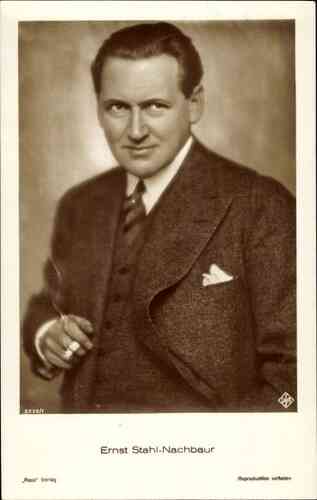
Ernst Stahl-Nachbaur
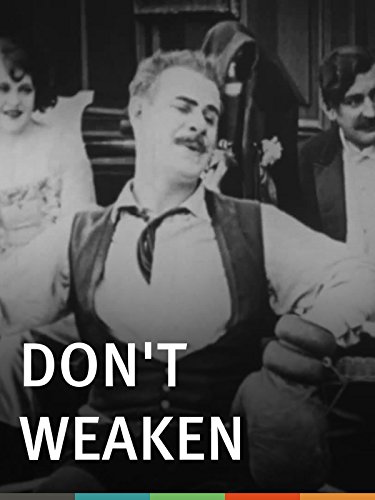
Malcolm St. Clair
Community
Log in to comment.
" Berlin, winter 1926: while Fritz Lang finishes Metropolis in the studio next door, a smaller crew at Ufa’s Tempelhof soundstage is crafting a film that feels less like cinema and more like an exorcism recorded on nitrate. Der siebente Tag arrives without fanfare, a title card hand-scratched onto sooty celluloid, yet its reverberations throb through the marrow of German silent film like a phantom limb. Director Ernst Welisch, a name half-erased by the rise of talkies and the bonfires of ’33, o..."
Erhard Siedel
Robert Liebmann, Rudolph Schanzer, Ernst Welisch
Germany
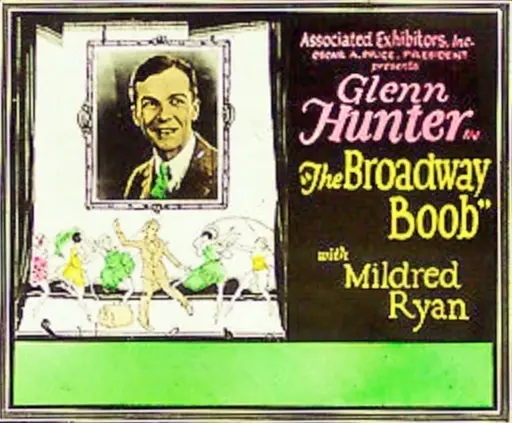
Deep dive into the cult classic
Discover similar cinematic experiences
A Directorial Spotlight on Ernst Stahl-Nachbaur