DbcultAccessing Vault...
Cult Review
Senior Film Conservator
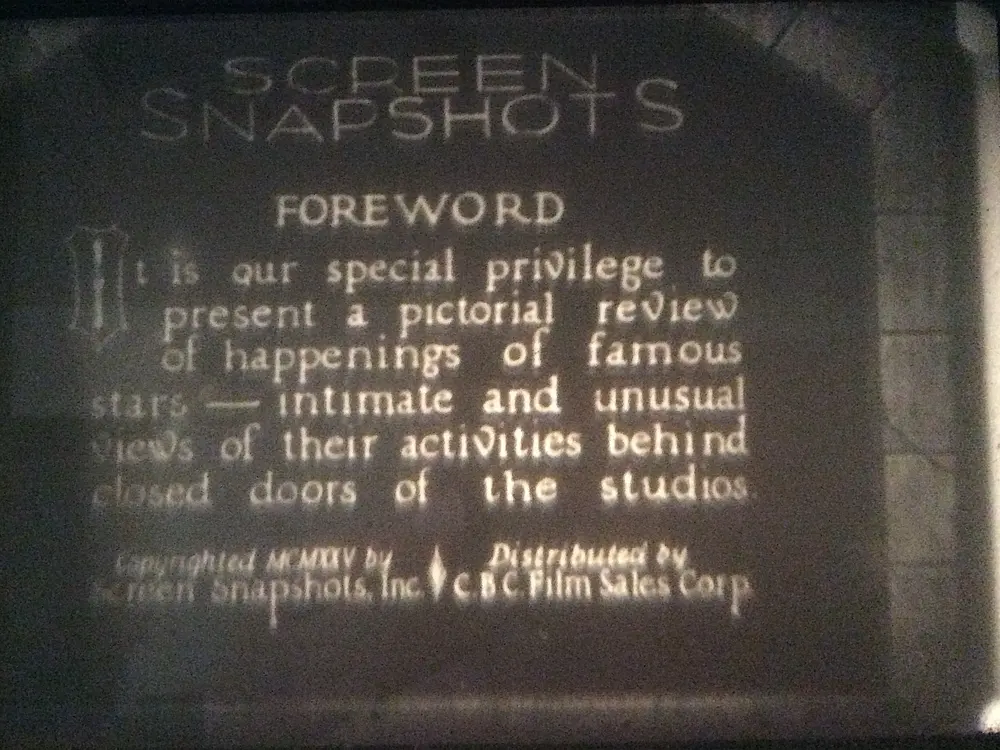
Short answer: yes, but it's not without its flaws. This film is a fascinating look into early 20th-century Hollywood, offering a unique blend of entertainment and documentary. It's ideal for film enthusiasts and history buffs, but it may not appeal to those seeking a more polished narrative structure.
Who should watch it: Fans of early cinema, history enthusiasts, and those interested in the evolution of film-making techniques. Who shouldn't: Those looking for a conventional narrative or a more refined cinematic experience.
This film works because of its authentic, raw approach to capturing a slice of Hollywood life in the early 1920s. The documentary-style segments offer a candid and unfiltered look at the era's star system and the behind-the-scenes workings of film production. The inclusion of real stars and their interactions adds a layer of authenticity that is both engaging and historically valuable.
This film fails because of its sporadic pacing and lack of a cohesive narrative. While the documentary segments are interesting, they often feel disjointed and fail to build a compelling narrative arc. The film’s structure can feel a bit disjointed, and some of the segments feel more like filler than integral parts of the film's overall story.
You should watch it if you're interested in the early days of Hollywood, the evolution of film-making techniques, or the star system of the 1920s. The film offers a unique perspective on a bygone era and is particularly compelling for those who appreciate the raw, unfiltered nature of early cinema.
The acting in Screen Snapshots No. 2 is more of a performance in the documentary sense. The stars of the film come across as genuine and unscripted, which adds to the authenticity of the piece. However, the performances are not as polished or nuanced as those in more conventional films of the era. The audience is more likely to appreciate the raw, natural performances than the more refined acting styles of the time.
Clarence Brown's direction is more about capturing a moment than creating a cohesive narrative. His focus on capturing authentic moments and interactions between stars and behind-the-scenes moments is commendable. However, the lack of a clear narrative structure can make the film feel a bit disjointed at times. Brown’s direction is more about the moment than the overall story, and this approach can sometimes lead to a lack of cohesion.
The cinematography in Screen Snapshots No. 2 is straightforward and documentary-style. The film uses a fixed camera approach, which emphasizes the authenticity of the moments being captured. The use of natural lighting and a focus on capturing candid moments adds to the film’s charm. However, the lack of visual flair or cinematic techniques can make the film feel somewhat dated and simple.
The pacing of Screen Snapshots No. 2 can be uneven. The documentary segments are fascinating and offer a glimpse into the lives of early stars and behind-the-scenes moments, but the film can sometimes feel slow or meandering. The film’s structure can make it feel a bit disjointed, with some segments feeling more like filler than integral parts of the film.
The tone of Screen Snapshots No. 2 is more observational and documentary-like than narrative-driven. The film takes on a documentary tone, capturing moments as they happen without a clear narrative arc. This approach adds to the authenticity of the film, but it can sometimes make the film feel a bit dry or unstructured.
While Screen Snapshots No. 2 may not be a conventional narrative film, it offers a unique look into the early days of Hollywood and the evolution of film-making techniques. It’s a fascinating piece of historical documentation that is particularly appealing to those interested in early cinema and the star system of the 1920s. However, it may not appeal to those seeking a more polished narrative structure or a more refined cinematic experience.
Screen Snapshots No. 2 is a fascinating look into early Hollywood and the evolution of film-making techniques. While it may not be a conventional narrative film, it offers a unique and authentic perspective on a bygone era. It’s particularly appealing to those interested in early cinema and the star system of the 1920s, but it may not be for everyone. It works. But it’s flawed.
IMDb —
1924
Community
Log in to comment.