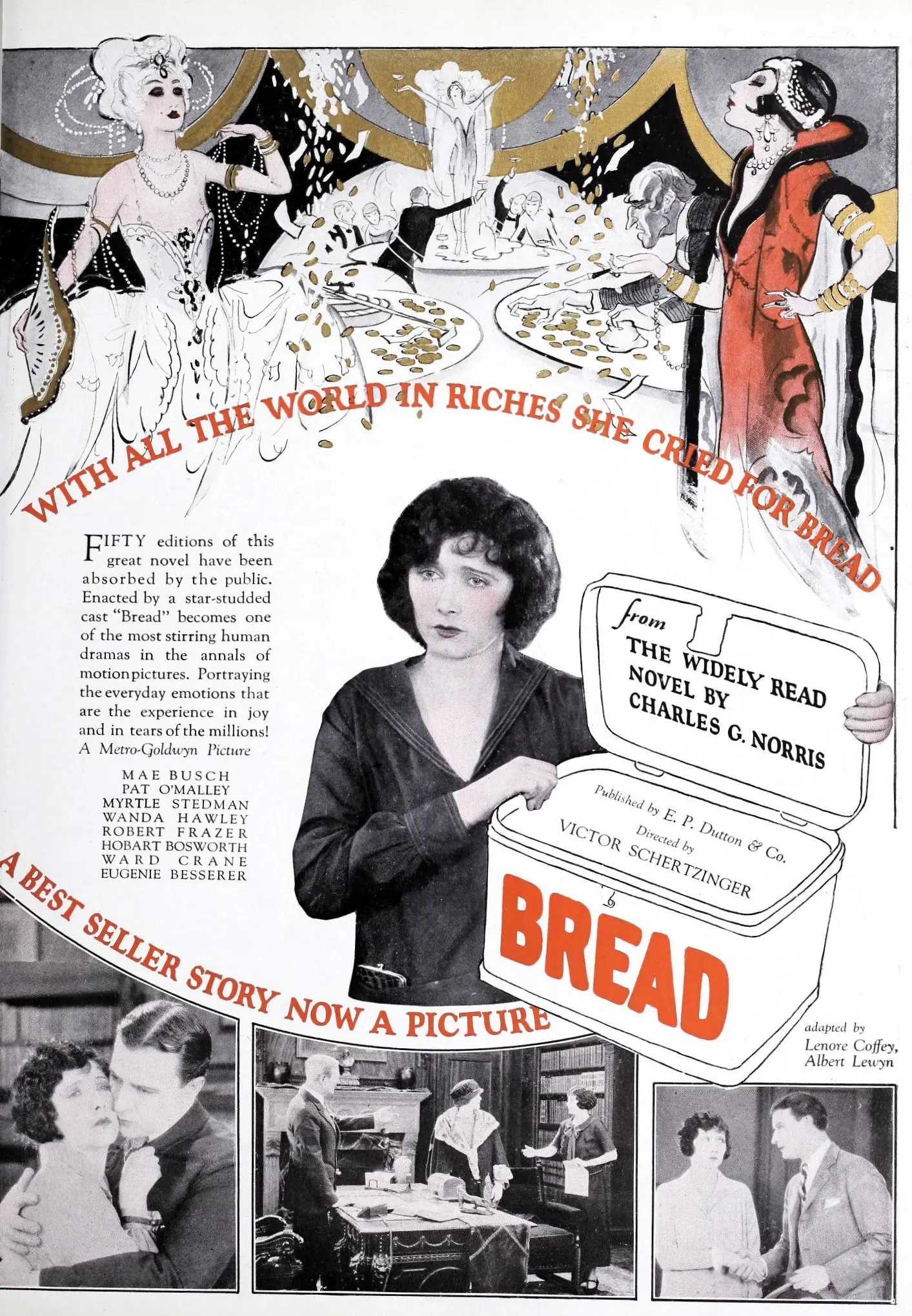
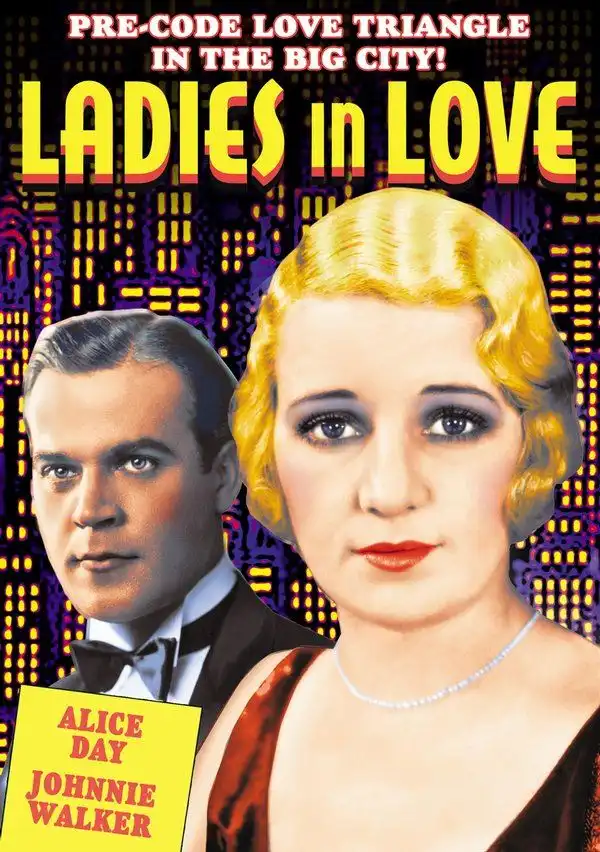
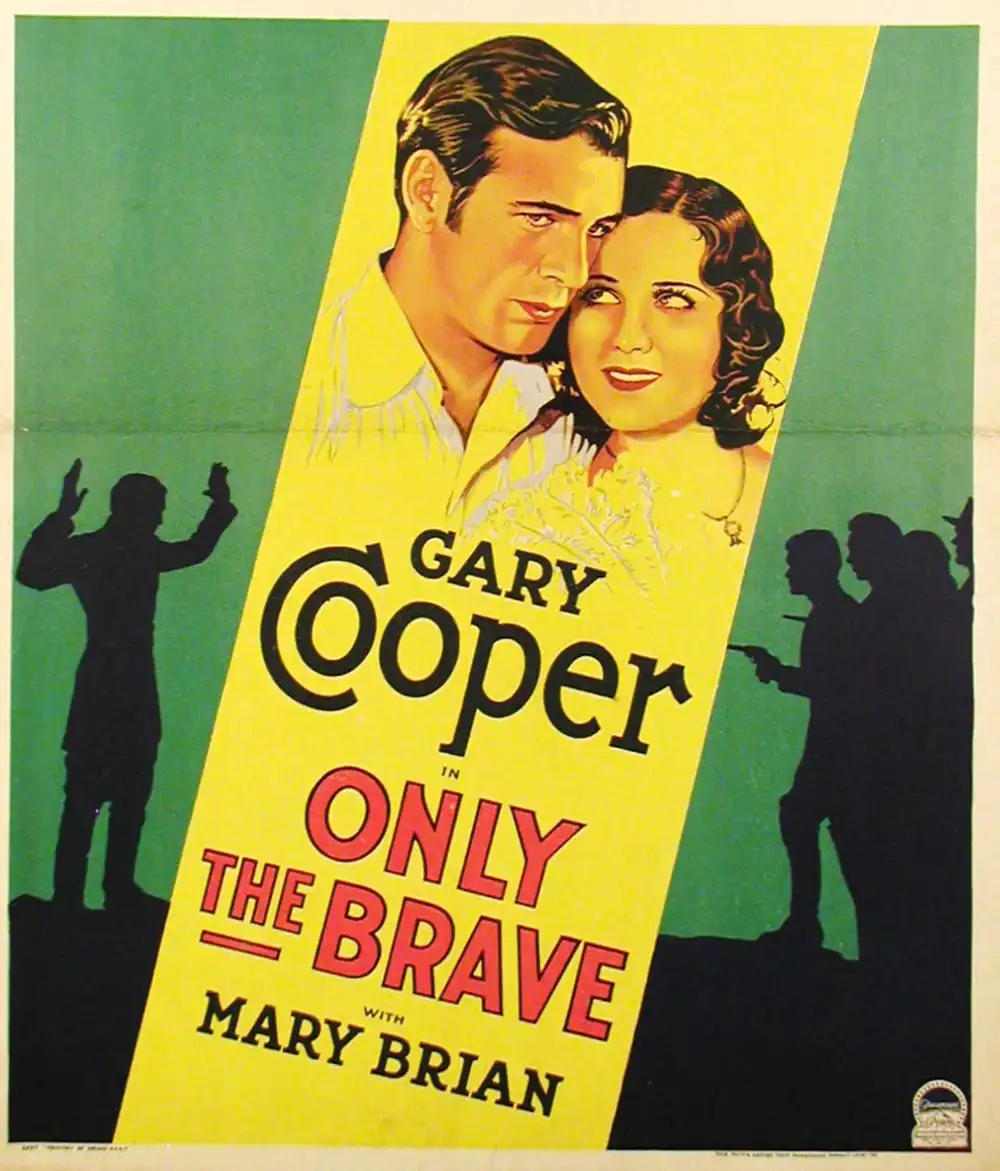
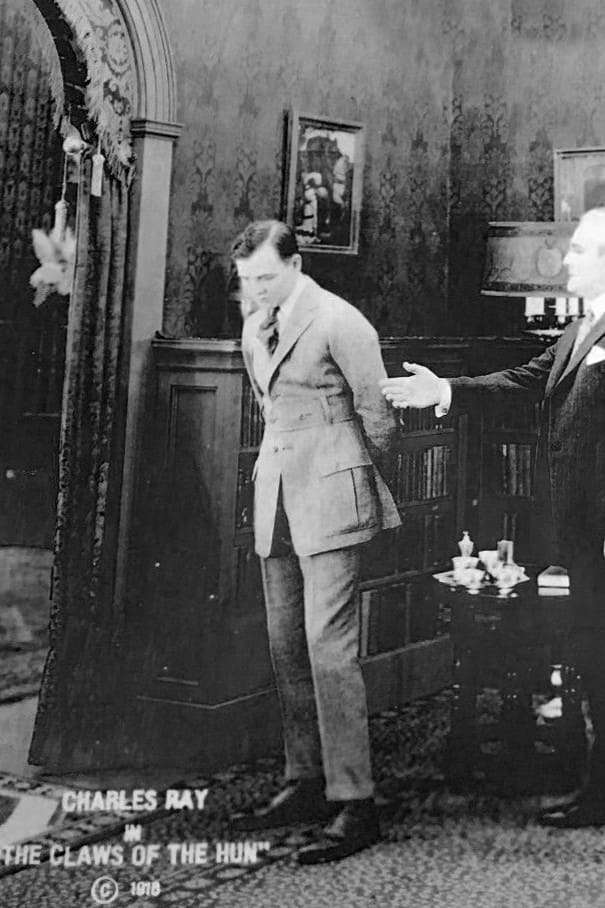
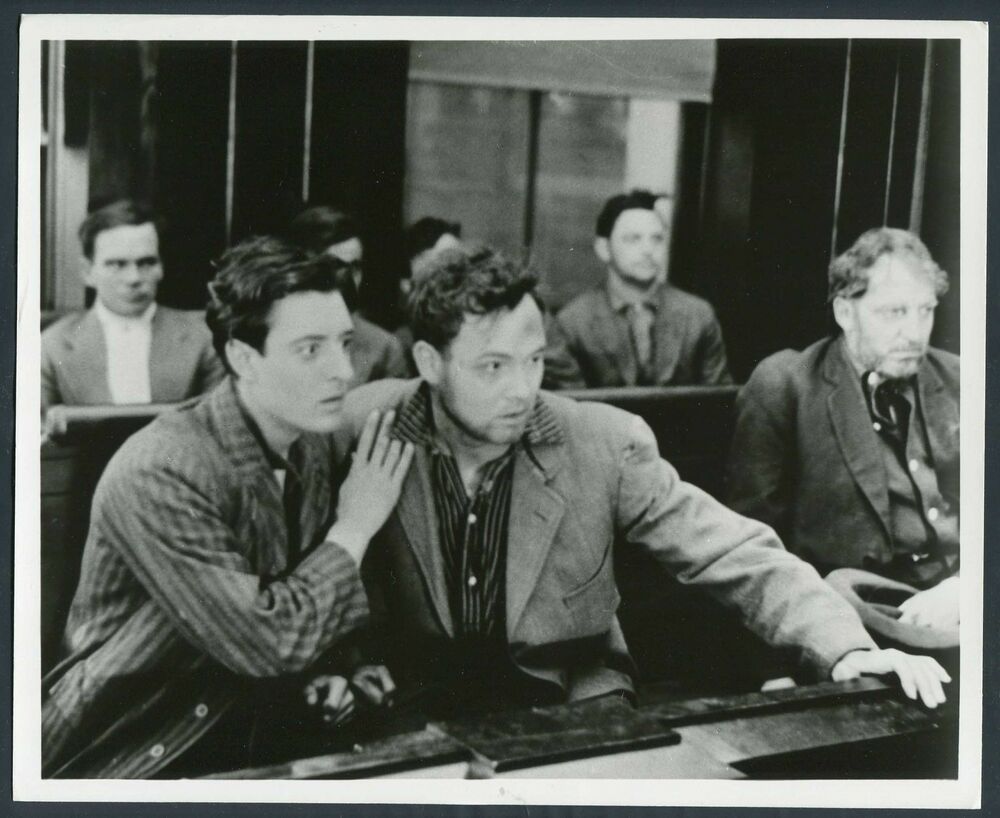
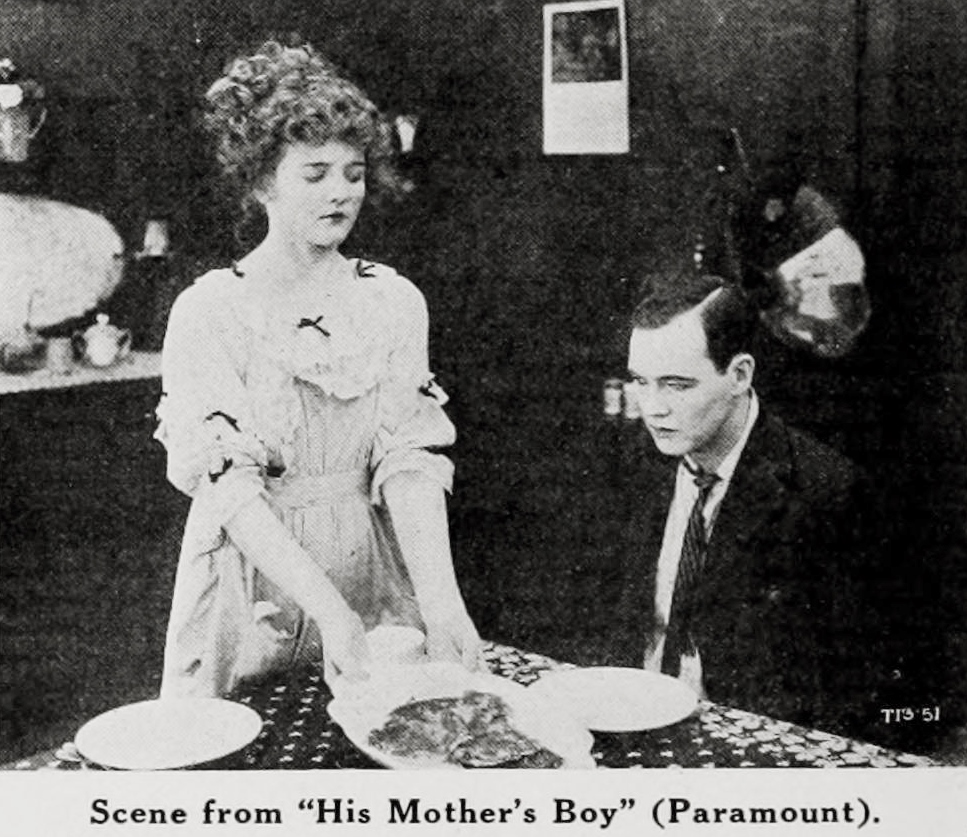
Fireman William Lowry tries to help an heiress by agreeing to a marriage of convenience..
William Hurlbut and Arthur F. Statter’s scenario, stitched together in the waning days of jazz-age naiveté, lands like a half-remembered fever: a fireman—galvanized by smoke, low wages, and the ghost of wartime heroics—becomes the reluctant husband to an heiress whose ledger is redder than any blaze he has ever battle...
production_art
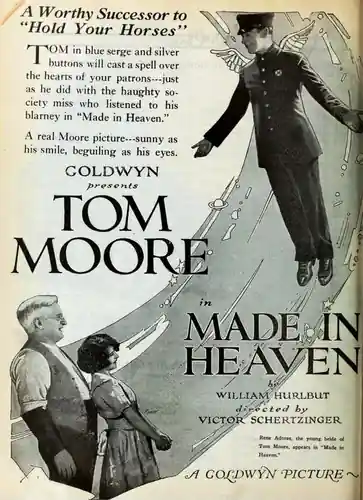
production_art
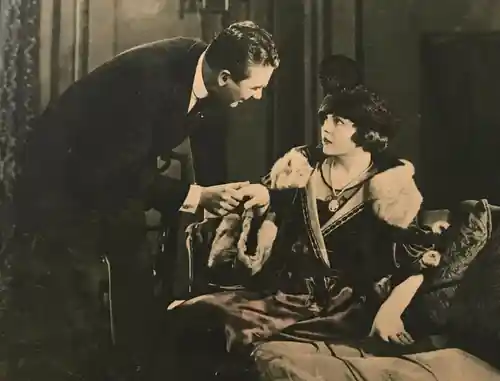
still_frame
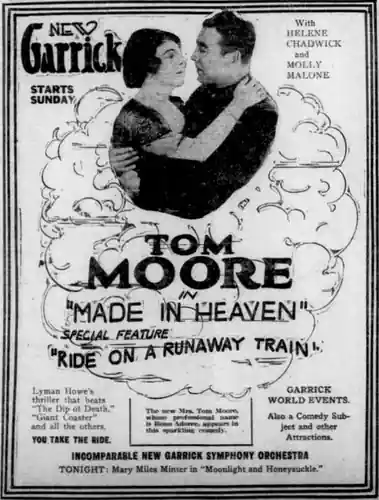
production_art
Comparing the cinematic DNA and archive impact of two defining moments in cult history.
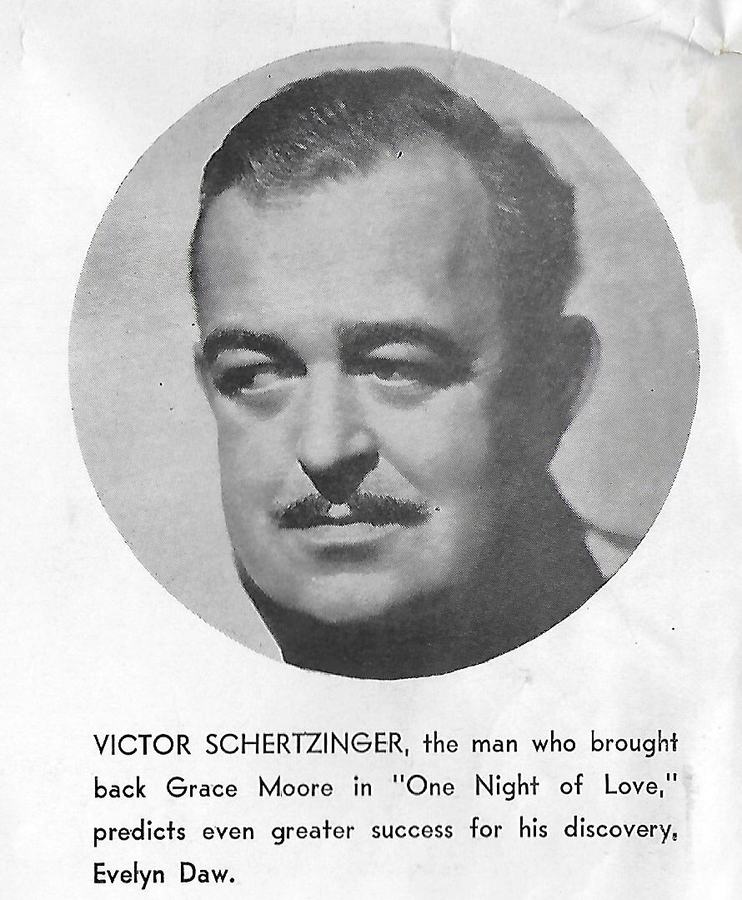
Victor Schertzinger
Victor Schertzinger
Community
Log in to comment.
" William Hurlbut and Arthur F. Statter’s scenario, stitched together in the waning days of jazz-age naiveté, lands like a half-remembered fever: a fireman—galvanized by smoke, low wages, and the ghost of wartime heroics—becomes the reluctant husband to an heiress whose ledger is redder than any blaze he has ever battled. The film, shot through with the chiaroscuro of 1921, is less a linear narrative than a slow burn of silhouettes and sodium flare, where every close-up feels like a singed daguer..."
William Hurlbut, Arthur F. Statter
United States