DbcultAccessing Vault...
Cult Review
Senior Film Conservator
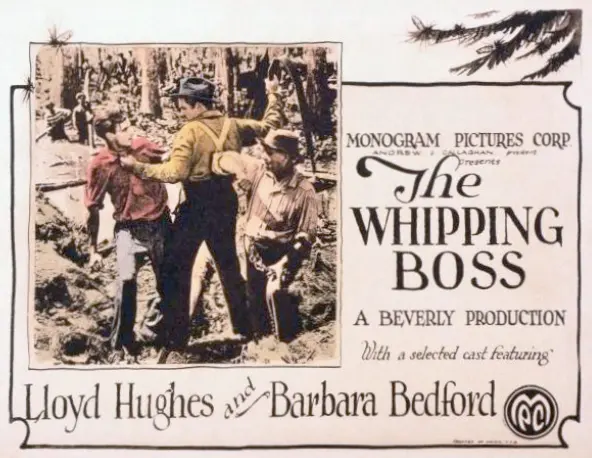
The Whipping Boss
A Cinematic Indictment of Industrialized Oppression
In the stark landscape of early 20th-century American cinema, certain films emerged as potent critiques of societal ills, The Whipping Boss being a prime example. This movie, rooted in a real-life incident in Florida, pulls back the curtain on the atrocities committed under the guise of rehabilitation and industrial progress. By leasing prison inmates to a lumber company, the state effectively condoned a system of exploitation that was as inhumane as it was profitable.
The narrative centers around the harrowing experiences of inmates forced into labor under conditions that were both dangerous and dehumanizing. This was not merely a case of corporate malfeasance but a damning indictment of systemic failures that allowed such abuses to occur with impunity. The film masterfully interweaves the stories of its characters, each bringing their own perspective to the overarching theme of exploitation and survival.
The Yosemite Trail and Gates of Brass, films of similar thematic concern, also navigated the complex terrains of social justice and personal morality. However, The Whipping Boss distinguishes itself through its unflinching portrayal of the brutal realities faced by the inmates and its clear call to action against such injustices.
The film boasts a cast that brings depth and nuance to the narrative, including Eddie Phillips, Andrew Waldron, and Barbara Bedford, each delivering performances that underscore the human element of the story. The cinematography, coupled with the direction of J.P. McGowan, ensures that the viewer is presented with a visceral experience, one that does not shy away from the grim realities of the inmates' plight.
Produced in an era where cinema was increasingly being used as a tool for social commentary, The Whipping Boss aligns with a lineage of films that sought to expose and critique societal injustices. The Daughters of Men and From Hand to Mouth, for instance, also used the medium to shed light on issues ranging from oppression to economic disparity.
The film's basis in real events lends it an air of authenticity, making its portrayal of exploitation all the more impactful. It serves as a testament to the power of cinema to bring attention to overlooked issues and to galvanize public opinion against injustices. In comparing The Whipping Boss with other films of its ilk, such as Mile-a-Minute Romeo and Shadows of Paris, it becomes clear that this film occupies a unique space in the cinematic canon, one that balances entertainment with education and advocacy.
The legacy of The Whipping Boss can be seen in its contribution to a larger conversation about human rights and the ethics of industrial labor. Films like Who Goes There? and An Auto Nut also navigated themes of identity and societal critique, albeit in different contexts. The impact of The Whipping Boss is multifaceted, serving not only as a piece of entertainment but as a catalyst for discussion and reflection on the human condition.
In conclusion, The Whipping Boss stands as a powerful example of cinema's ability to confront and critique the darker aspects of society. Through its compelling narrative, strong performances, and historical significance, it offers viewers a poignant look into the consequences of unchecked power and the resilience of the human spirit. As we reflect on its themes and impact, it becomes evident that The Whipping Boss is not just a film but a call to awareness and action against injustice.

IMDb 5.8
1915
Community
Log in to comment.