DbcultAccessing Vault...
6.2/10
Senior Film Conservator
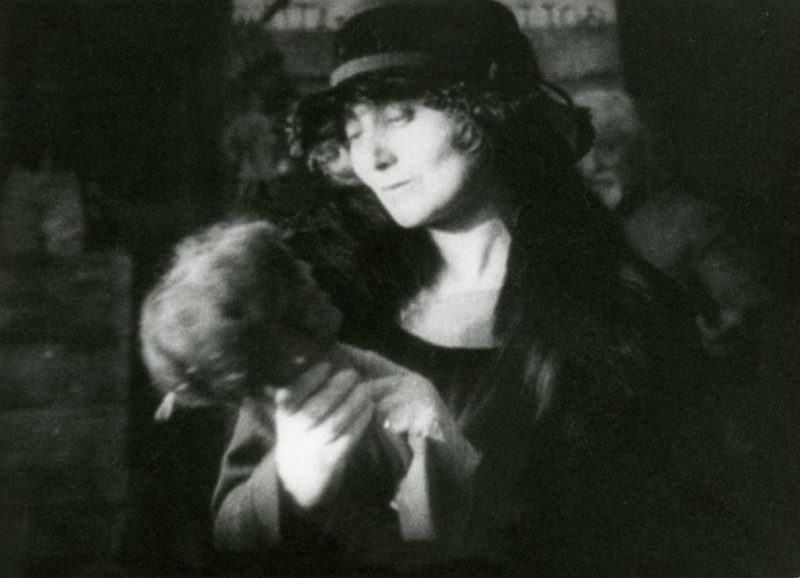
A definitive 6.2/10 rating for a film that redefined the boundaries of cult cinema. Maman poupée remains a cornerstone of transgressive art.
There are films that merely tell a story, and then there are those rare cinematic entities that burrow into the psyche, leaving an indelible imprint, a subtle tremor long after the final frame fades. Washington Borg's 'Maman poupée' is unequivocally one of the latter. This is not simply a narrative; it is an experience, a deeply unsettling journey into the abyss of human grief and the terrifying allure of the artificial. To call it a mere 'silent film' feels almost reductive, for its emotional resonance and psychological depth speak volumes without uttering a single audible word, transcending the limitations of its era to deliver a timeless commentary on sorrow, obsession, and the very nature of reality.
At its core, 'Maman poupée' is a devastating character study, centered on Elara, a woman shattered by the profound tragedy of losing her child. Soava Gallone's portrayal of Elara is nothing short of masterly, a performance that speaks in tremulous gestures, haunted eyes, and a posture that conveys the crushing weight of her sorrow. Her retreat from the world is not merely physical; it is a profound internal exile, a desperate search for solace in a reality that has become unbearable. This is where Master Anton, the enigmatic dollmaker, enters her fractured world, his creations offering a semblance of comfort, a mirror to her deepest desires and most agonizing pain. Bruno Emanuel Palmi imbues Anton with a quiet intensity, a craftsman whose hands fashion not just dolls, but perhaps, inadvertently, vessels for desperate hopes. The titular 'Maman poupée' becomes more than an object; it is a surrogate, a repository for Elara's boundless, misdirected maternal love, an uncanny valley object that blurs the lines between life and lifelessness. This thematic exploration of the uncanny, the unsettling feeling provoked by objects that are almost, but not quite, human, is a cornerstone of the film's enduring power. It challenges us to confront our own perceptions of what constitutes 'real' and what defines 'maternal instinct' when pushed to the absolute brink.
Washington Borg, the visionary writer behind 'Maman poupée,' demonstrates an extraordinary command of psychological narrative. His script, conveyed through evocative intertitles and the actors' profound expressions, delves into the intricate mechanisms of a mind in crisis with astonishing precision. Borg doesn't merely present Elara's madness; he meticulously dissects its genesis, its progression, and its ultimate, terrifying manifestation. The genius lies in his refusal to offer easy answers or condemn Elara outright. Instead, he invites empathy, compelling the audience to understand the unbearable weight of her grief that drives her to such an extreme. The narrative arc, from profound despair to a kind of unsettling, artificial peace, is handled with a delicate yet unflinching touch. This is storytelling that trusts its audience to interpret, to feel, and to grapple with uncomfortable truths. It’s a testament to Borg's prowess that a film from this period can still evoke such complex emotional responses, a feat that even many contemporary screenwriters struggle to achieve. His work here could be seen as a precursor to the deep psychological dramas that would define later cinematic movements, exploring the internal landscape with an almost clinical, yet deeply human, curiosity.
The cast of 'Maman poupée' delivers performances that are nothing short of monumental, particularly given the demands of silent cinema. Soava Gallone, as Elara, is the beating heart of the film. Her portrayal of grief is not melodramatic; it is raw, visceral, and utterly convincing. Every tremor of her hand, every haunted glance, every slight tilt of her head conveys volumes of unspoken anguish. She embodies the profound internal struggle of a woman teetering on the precipice of sanity, making Elara's descent into delusion tragically understandable. It's a performance that draws parallels to the intense, emotionally charged acting seen in films like The Sign Invisible, where the dramatic weight rests almost entirely on the lead's ability to convey complex inner turmoil without dialogue.
Mario Cusmich, as Dr. Alistair Thorne, provides a crucial counterpoint to Gallone's emotional intensity. His initial clinical detachment gradually gives way to a profound, almost personal, fascination with Elara's case. Cusmich masterfully conveys Thorne's internal conflict – the struggle between scientific objectivity and burgeoning empathy. He is the audience's surrogate, observing Elara's unraveling with a mixture of horror and pity, his expressions subtly shifting from professional curiosity to genuine concern. His performance is a nuanced exploration of a man grappling with the limits of his understanding and the depths of human suffering. This intellectual sparring with raw emotion is reminiscent of the cerebral yet compassionate performances found in certain social dramas of the era, such as Es werde Licht! 2. Teil, which often explored the societal and psychological impacts of trauma.
Bruno Emanuel Palmi, as Master Anton, is a revelation. His character, the reclusive dollmaker, is shrouded in an aura of quiet mystery. Palmi's subtle gestures and intense gaze suggest a man who understands the delicate balance between creation and obsession, perhaps even mirroring Elara's own fixation in his meticulous craft. He is not a villain, but a catalyst, his artistry inadvertently providing the very object of Elara's delusion. Finally, Mina D'Orvella, in her role as Elara's stern aunt, grounds the film in a stark reality. She embodies the societal pressures and traditional expectations that Elara is desperately trying to escape. D'Orvella's performance, though perhaps less overtly emotional, is vital in providing the external conflict and the rigid moral framework against which Elara's unconventional coping mechanisms are judged. Her presence serves as a constant reminder of the world Elara has abandoned, a world unwilling or unable to comprehend her profound anguish.
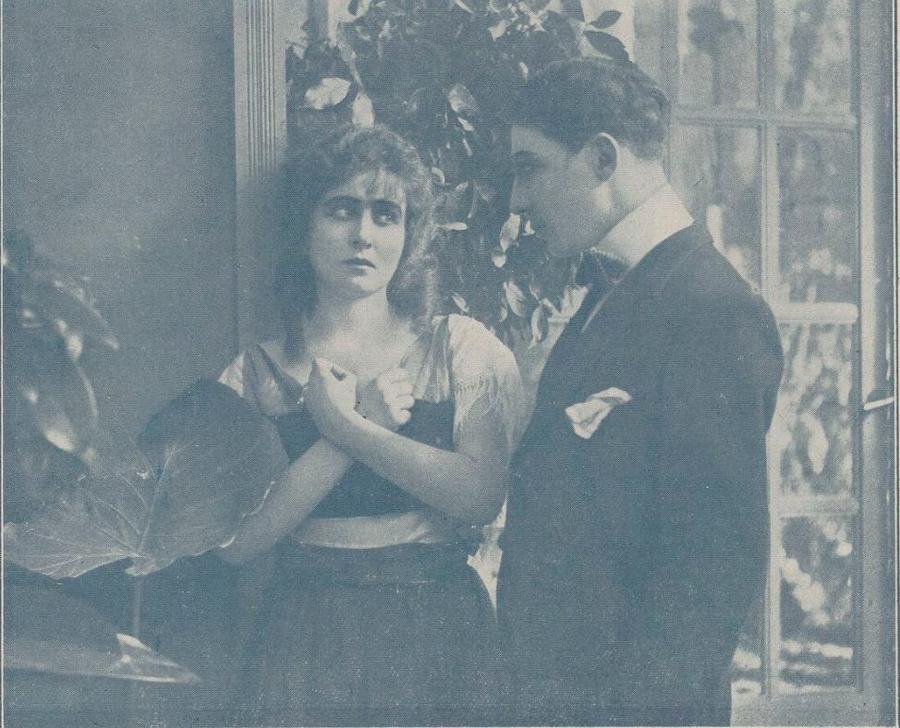
'Maman poupée' is a masterclass in visual storytelling. The cinematography creates a world that is at once beautiful and deeply melancholic, utilizing stark contrasts between light and shadow to mirror Elara's internal state. The dimly lit interiors of her home and Master Anton's workshop evoke a sense of claustrophobia and isolation, while the brief glimpses of the bustling city outside only serve to highlight Elara's profound detachment. The camera often lingers on significant details – the delicate craftsmanship of the doll, Elara's trembling hands, Thorne's contemplative gaze – imbuing them with symbolic weight. The use of close-ups is particularly effective, allowing the audience to fully immerse themselves in the characters' raw emotions, especially Gallone's nuanced expressions of despair and burgeoning delusion.
The production design is equally commendable, creating an authentic and evocative turn-of-the-century setting that feels lived-in and oppressive. The costumes, particularly Elara's somber attire, further emphasize her grief and withdrawal. The visual language of 'Maman poupée' is so rich and deliberate that it transcends the need for spoken dialogue, allowing the imagery to convey complex themes and emotional states with remarkable clarity. One could argue that its visual acuity rivals the meticulous mise-en-scène found in other contemplative films of the era, where every prop and every shadow contributed to the narrative, much like the detailed world-building in a film such as The Explorer, though with a decidedly more introspective focus here.
Beyond the immediate tragedy, 'Maman poupée' explores a multitude of profound themes. The most striking is, of course, the nature of grief itself – its consuming power, its ability to distort reality, and the desperate measures individuals might take to cope with unbearable loss. The film bravely ventures into the territory of mental illness, portraying Elara's delusion not as a simple madness, but as a complex psychological response to trauma. It forces us to question the societal stigma surrounding mental health and the often-inadequate support systems available to those suffering in silence. The film's exploration of artificiality versus reality is another compelling thread. The doll becomes a symbol of manufactured comfort, a substitute for what is irrevocably lost. This raises fascinating questions about the human need for connection, even if that connection is with an inanimate object, and the thin veil that often separates comforting illusion from dangerous delusion. The film's unflinching gaze into the human condition, particularly the female experience of profound loss, sets it apart, offering a depth of insight that resonates even today. Its thematic richness is comparable to the moral and societal dilemmas presented in films like Thou Shalt Not Covet, which also delved into the complexities of human desires and their consequences, albeit in a different context.
'Maman poupée' is not a film that provides easy resolutions or comforting closures. Its ambiguous ending leaves a lasting impression, compelling the audience to ponder Elara's ultimate fate and the nature of her 'maternal' bond with the doll. Is she truly lost to her delusion, or has she found a perverse form of peace? The film's refusal to spoon-feed answers is one of its greatest strengths, cementing its status as a thought-provoking piece of art rather than mere entertainment. This ambiguity, this invitation to personal interpretation, is a hallmark of truly great cinema, much like the open-ended narratives that often characterized more experimental or art-house productions of the era. Its ability to spark debate and introspection ensures its continued relevance, allowing each new generation of viewers to discover its profound depths.
In an era often stereotyped for its simplistic narratives, 'Maman poupée' stands as a towering achievement, a testament to the power of early cinema to explore complex psychological landscapes with unparalleled artistry. It's a film that demands engagement, rewarding the attentive viewer with a rich tapestry of emotion, symbolism, and philosophical inquiry. The combined genius of Washington Borg's writing, the visionary direction, and the unforgettable performances of Soava Gallone, Mario Cusmich, Bruno Emanuel Palmi, and Mina D'Orvella coalesce into a cinematic experience that is both deeply disturbing and profoundly moving. If you seek a film that challenges, enthralls, and lingers in the mind long after the credits roll, then 'Maman poupée' is an essential viewing experience. It reminds us that sometimes, the most powerful stories are told not with words, but with the silent, echoing cries of the human heart. Its impact can be compared to the profound emotional weight carried by films like The Miracle Man, which also explored themes of redemption and human connection through powerful, often non-verbal, storytelling.
Ultimately, 'Maman poupée' is more than just a film; it's a profound meditation on loss, sanity, and the desperate human need to find meaning, even if it means constructing an entire reality out of grief and artifice. It's a film that will undoubtedly continue to captivate and disturb audiences for generations to come, solidifying its place as a truly timeless classic of psychological drama. Its daring subject matter and nuanced execution make it a critical piece for understanding the evolution of cinematic storytelling and its capacity to delve into the darkest corners of the human spirit. Much like the intense character focus in A Man's Man, this film places the internal journey of its protagonist at the absolute forefront, inviting an intimate, almost voyeuristic, connection with Elara's plight.
IMDb 6
1916
Community
Log in to comment.