DbcultAccessing Vault...
Cult Review
Senior Film Conservator
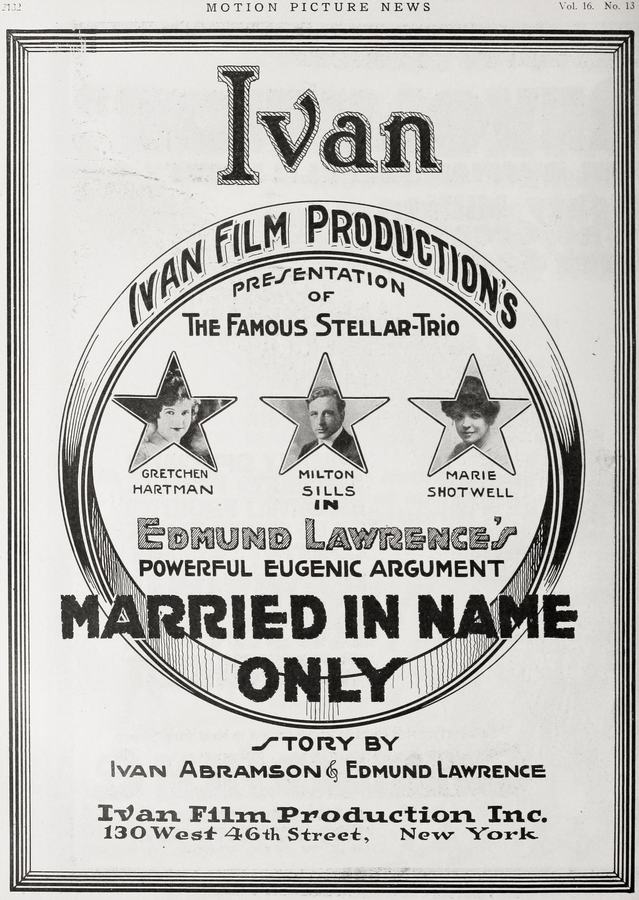
Picture, if you can, a wedding cake sliced by the blade of eugenics: Ivan Abramson’s Married in Name Only is that cake, its frosting laced with arsenic whispers and its bridal figurines frozen in a tableau of dread. Released in October 1917 while Europe still dug trenches in Flanders, this five-reel psychological melodrama arrived as both escapism and mirror, reflecting home-front anxieties about blood, duty, and the future of the race.
Director Abramson, moonlighting from his day job as a divorce-court journalist, frames the Worthing mansion like a mausoleum of patrician guilt. Cinematographer Alfred Moses sprays the interiors with tenebrous pools of Rembrandt amber; chandeliers hang like suspended judgment, their crystals trembling whenever Mrs. Worthing—played by Marie Shotwell with the flinty zeal of a Puritan magistrate—unleashes another tirade. The camera, often anchored at waist-level, tilts upward to elongate doorways into Jacobean confessionals, a visual cue that every room is a tribunal.
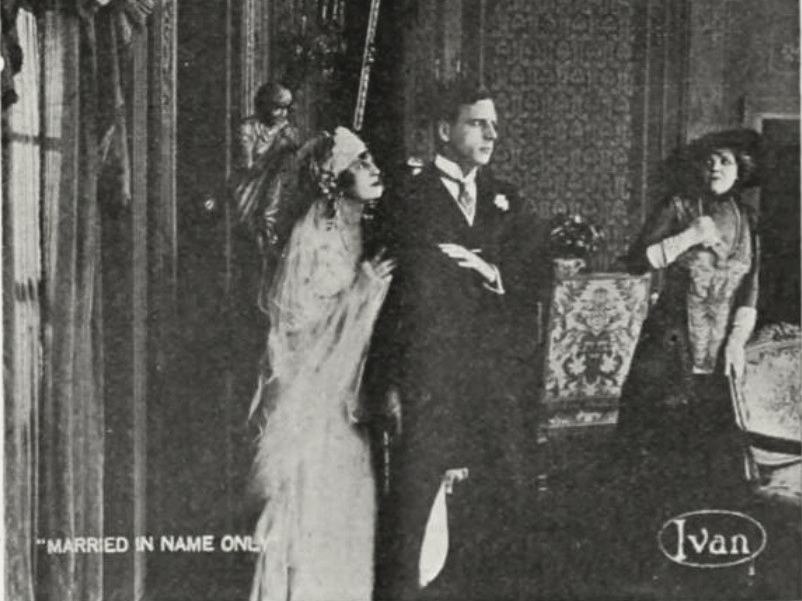
Milton Sills—later celebrated for swashbucklers—here channels a torpor bordering on the masochistic. His Robert Worthing is all clenched shoulders and marble stare, a man who believes his pulse is a countdown to degeneracy. Watch the micro-gesture when he fingers the key to Madeline’s adjoining room: the thumb hesitates, trembles, retracts, as though the brass were forged in hellfire. Opposite him, Gretchen Hartman radiates a chaste incandescence; her Madeline never lapses into the fainting dove archetype common to 1910s heroines. Instead, Hartman’s eyes flicker with proto-feminist calculation—she studies legal tomes, consults physicians, drafts secret letters to adoption agencies, becoming the film’s clandestine agent of revelation.
Marie Shotwell’s matriarch is no mere society dragon; she is the voice of fin-de-siècle hereditarian hysteria, the same pseudo-science that fueled sterilization statutes from Indiana to Vienna. In the pivotal banquet scene she ascends the grand staircase like a gothic priestess, proclaiming the family’s “stain” while guests clutch opera-glasses as though witnessing an autopsy. The performance anticipates Rebecca’s Mrs. Danvers by two decades, yet Shotwell tempers the monstrous with a glint of self-loathing—her hand, gloved in funeral mauve, briefly caresses her own throat, hinting that the curse she denounces may also inhabit her marrow.
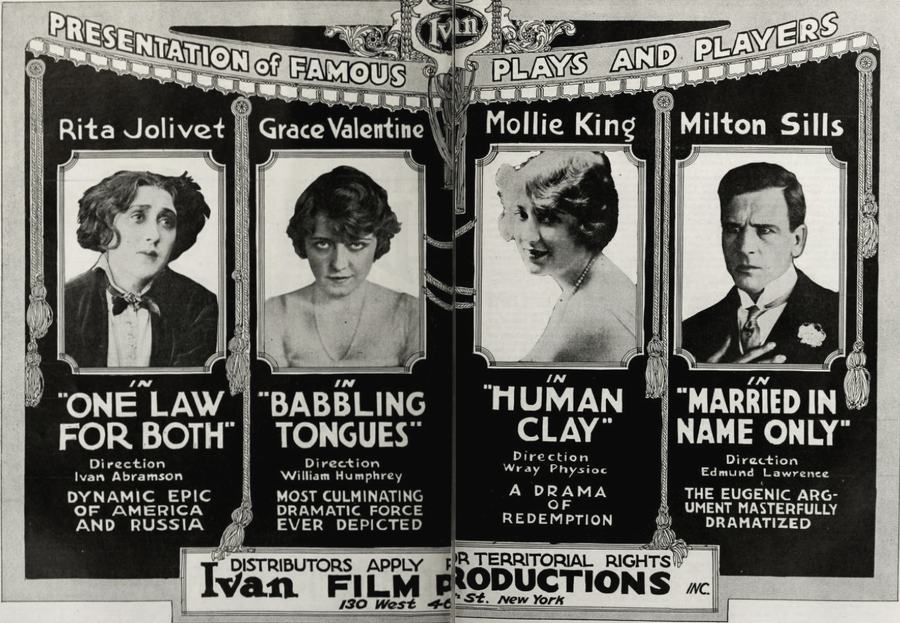
The film’s moral crucible unfolds in a twelve-foot corridor: on one side, Robert’s chamber dominated by a crucifix and a loaded revolver; on the other, Madeline’s boudoir scented with lavender water and stifled hope. Abramson cross-cuts between their nightly rituals—he lifts the pistol, she kneels at prie-dieu—until the spatial partition becomes a metaphysical membrane. When the adoption papers finally surface, the director opts for a simple yet devastating image: the door, previously barricaded by a brass bolt, drifts open under Madeline’s fingertips, morning light spilling across the parquet like liquid absolution. No intertitle is needed; the aperture itself pronounces redemption.
Buffs tracking pre-code domestic horror will detect DNA strands linking this picture to A Suspicious Wife (1915) and My Official Wife (1914), both of which likewise weaponize marital suspicion. Yet Married in Name Only diverges by staging the threat not as external adultery but as interior genetics, a narrative pivot that vaults it into conversation with The Yellow Passport’s racial stigmatization and Three Weeks’ erotic fatalism. Meanwhile, the adoption rug-pull prefigures the twist mechanics of late-20s kammerspielfilme, albeit cushioned by a sentimental assurance alien to Weimar despair.
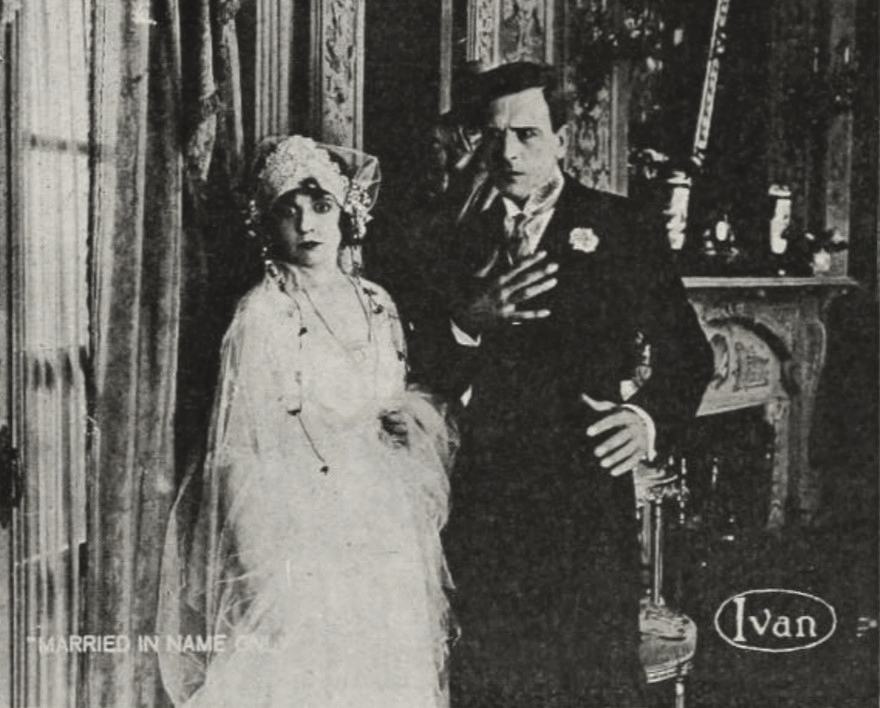
A century on, the picture vibrates anew amid CRISPR headlines and ancestry-test kits. The terror Robert feels—of propagating defect—maps neatly onto modern fears about designer babies and genomic editing. Yet the film’s resolution, whimsical by today’s standards, reminds us that 1917 audiences craved moral clarity the way lungs crave oxygen. The adoption reveal functions like a Deus-ex-machina pardon, vaporizing eugenic dread in a single projector flicker. One can almost hear the nickelodeon patrons exhale in communal relief, their gasp braided with the rustle of straw boaters and voile skirts.
Surviving prints lack the original cue sheets, so modern curators often score the picture with Chopin nocturnes or Satie gymnopédies. I recently viewed a 4K scan at Le Giornate del Cinema Muto accompanied by a klezmer trio whose clarinet seemed to mimic the wheeze of Robert’s existential asthma. The dissonance was revelatory: the Jewish musical idiom, itself targeted by eugenic vitriol, undercut the film’s patrician milieu and transformed the final embrace into a broader plea for human hybridity.
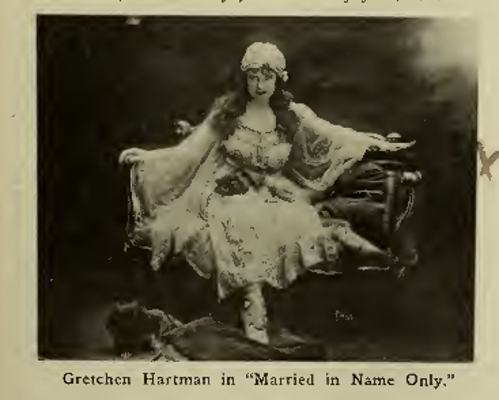
Is Married in Name Only a neglected masterpiece? Not quite. Its dramaturgy creaks under the weight of coincidence, and the intertitles sag with moralistic bromides. Yet within its iodine-stained frames lies a fascinating artifact: a society wrestling to define marriage when science has just begun to whisper that blood might not be destiny. For cinephiles tracing the genealogy of American Gothic, for sociologists dissecting hereditarian myth, or for anyone who has ever stood at a threshold afraid to cross, this brittle celluloid missive still emits a phosphorescent gleam—dim, admittedly, but unmistakably alive.
Verdict: 7.8/10 — Essential viewing for silent-era scholars; casual viewers may prefer a double-bill with a lighter melodrama to counterbalance the gloom.
IMDb 6
1933
Community
Log in to comment.