Summary
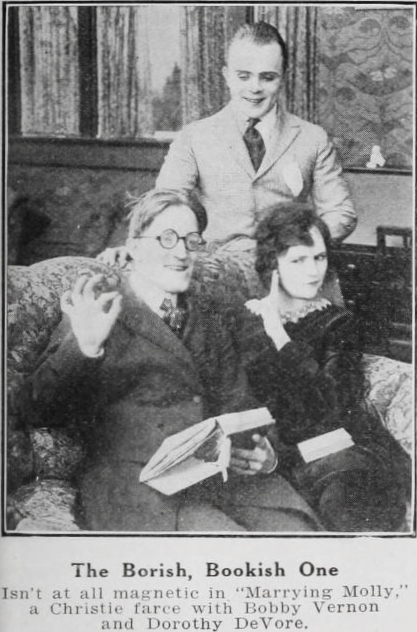
In an era brimming with rigid social strata, *Marrying Molly* unfurls the intricate tapestry of Molly O'Malley's spirited journey, a young woman whose humble origins belie an incandescent talent for portraiture and an unwavering sense of self. Her world, steeped in the vibrant, often tumultuous rhythms of an urban neighborhood, is irrevocably altered by the enigmatic arrival of Arthur Penhaligon. Arthur, an ostensibly struggling architect whose grand visions for civic beautification remain largely confined to his sketchbooks, harbors a profound secret: he is, in fact, the disinherited heir to the formidable Penhaligon industrial empire. His formidable aunt, Lady Beatrice, a staunch custodian of class distinctions, banished him for daring to pursue artistic inclinations over the family's corporate legacy. Arthur, captivated by Molly's authentic warmth and innate artistic sensibility, meticulously shields his true identity, fearing her judgment and the inevitable chasm his wealth might impose. Their tender romance blossoms amidst the city's chaotic charm, with Molly becoming Arthur's muse, imbuing his architectural designs with a newfound humanity, while he, in turn, introduces her to a cultural panorama previously beyond her reach. Yet, their idyllic bubble is perpetually threatened by the insidious machinations of Reginald Finch, a calculating social climber who covets Molly's burgeoning local renown and perceived connections. Finch, driven by avarice, not only seeks to marry Molly but also plots to expose Arthur's aristocratic lineage to Lady Beatrice, a maneuver designed to simultaneously elevate his own standing and further destabilize Arthur's precarious position. The narrative crescendoes at a lavish charity ball, a meticulously orchestrated affair by Lady Beatrice, where Arthur, under familial duress, reluctantly presents Molly as his 'artistic protégé,' a flimsy pretense barely concealing the profound depth of their affection. It is here that Reginald, seizing his moment, cruelly unveils Arthur's true identity to Molly, maliciously twisting the narrative to paint Arthur as a condescending deceiver. Shattered by this perceived betrayal and the sudden, glaring disparity of their social standing, Molly retreats, her trust fractured. The film then delves into Molly's profound struggle to reconcile her enduring feelings for Arthur with her wounded pride, as Arthur embarks on a desperate quest to reclaim her faith, striving to prove that his devotion transcends wealth. He publicly champions Molly's art, defying his family's expectations, and ultimately, through a poignant series of heartfelt overtures and a significant gesture—perhaps manifesting as a public park design, inspired by Molly's community and funded by his own inheritance, thus harmonizing his artistic vision with social utility—Molly comprehends the profound sincerity of his love. The resolution sees Molly bravely choosing love over the stifling dictates of societal expectation, and Arthur, embracing his heritage not as a burden, but as a powerful instrument for positive change, with Molly steadfastly by his side.
Review Excerpt
"
Marrying Molly: A Tapestry of Love, Class, and Artistic Spirit
In the annals of early cinema, where narratives often served as moral compasses or escapist fantasies, Karl R. Coolidge's Marrying Molly emerges as a surprisingly nuanced exploration of societal strictures, personal ambition, and the transformative power of genuine affection. Starring the luminous Dorothy Devore as Molly O'Malley and the charming Bobby Vernon as Arthur Penhaligon, this film transcends its seemingly..."