DbcultAccessing Vault...
Cult Review
Senior Film Conservator
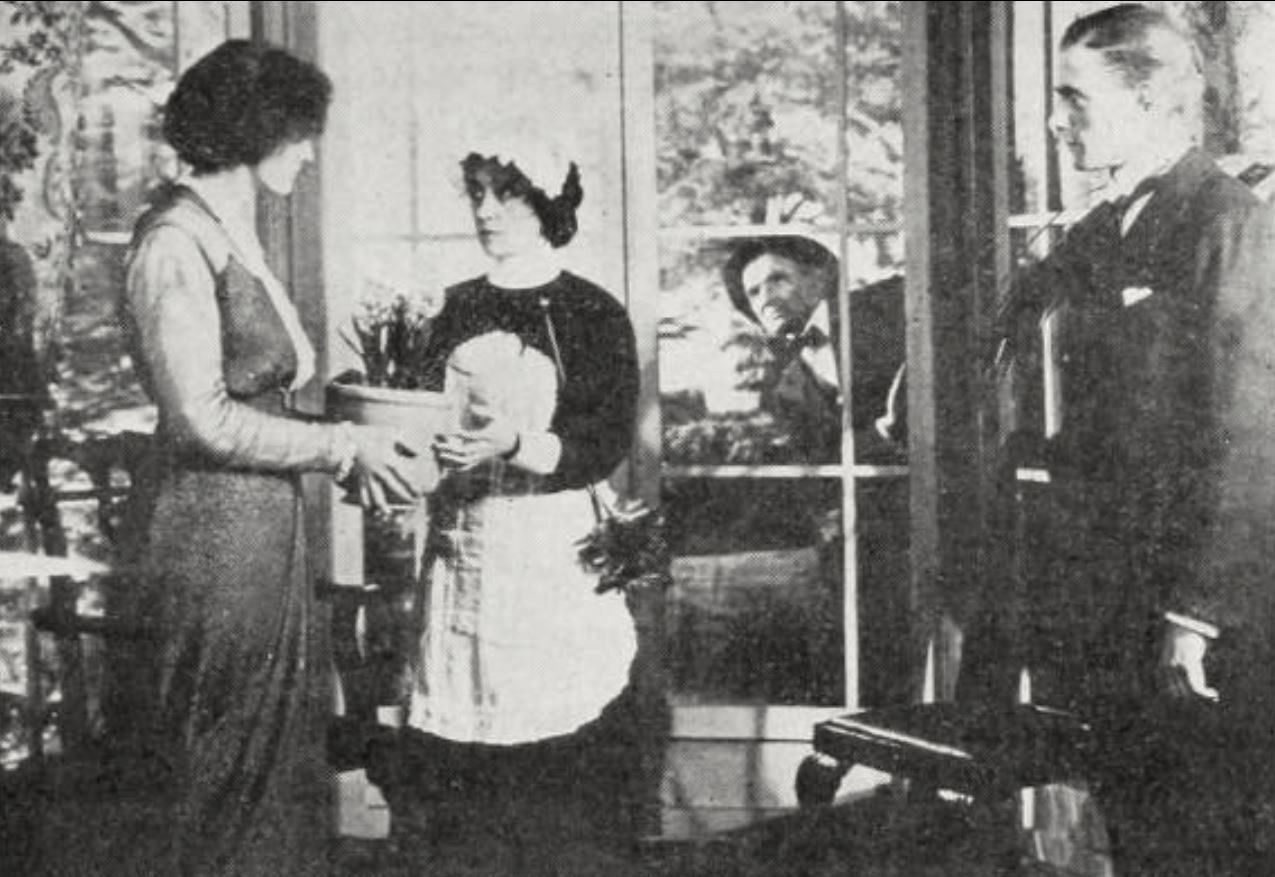
Stepping back into the nascent years of British cinema, 'Alone in London' emerges not merely as a historical artifact but as a surprisingly potent piece of early dramatic storytelling. Penned by the formidable duo of Robert Buchanan and Harriett Jay, this film, while predating the sophisticated narrative structures we now take for granted, possesses an undeniable raw power, a stark depiction of urban depravity and the fragility of innocence. It's a testament to the enduring appeal of a well-crafted melodrama, even when presented through the flickering, monochromatic lens of a bygone era. The film doesn't just tell a story; it plunges the viewer into a world where moral boundaries are blurred, and the very fabric of society feels precarious, much like the precarious position of its most vulnerable character.
At its core, 'Alone in London' presents a dual-pronged assault on human decency. We are introduced to a calculating crook, a figure of insidious charm and manipulative intent, who sets his sights on the unwitting son of his employer. This isn't merely a tale of petty larceny; it's a psychological drama of corruption, where the villain seeks to not only exploit the young man but to fundamentally alter his character, drawing him into a life of crime. The tension here isn't just about what might be stolen, but what might be lost: the son's innocence, his future, his very soul. This intricate dance of persuasion and moral erosion provides a compelling, if unsettling, foundation for the plot. It speaks to a universal fear of being led astray, a theme that resonates even today, and perhaps even more acutely in an age grappling with the pervasive influence of digital manipulation.
Parallel to this insidious corruption, the film unveils an act of breathtaking cruelty that truly distinguishes it. The same villain, in a moment of chilling depravity, ties a defenseless flower girl to the lock gates of a canal. This image is, without hyperbole, unforgettable. The sheer vulnerability of the child, pitted against the immense, indifferent machinery of the canal system, creates an almost unbearable suspense. The rising and falling waters become a ticking clock, a relentless force of nature manipulated by human malice. It's a primal fear made manifest, a stark reminder of the dangers lurking beneath the surface of urban civility. One might draw a thematic, if not stylistic, comparison to the sense of inescapable doom found in later, more refined thrillers, or even the social commentary present in films like The Yellow Traffic, which similarly explores societal vulnerability.
The performances in 'Alone in London' are, for their era, remarkably effective in conveying the film's heightened drama. Edward Lingard, likely in the role of the malevolent crook, embodies a sinister charisma that is crucial to the plot's believability. His actions are not merely villainous but psychologically calculated, and Lingard's portrayal, through the exaggerated gestures and facial expressions common to silent film acting, communicates this effectively. There's a subtle menace in his stillness, a glint in his eye that speaks volumes without a single uttered word. He isn't a pantomime villain; he's a harbinger of urban blight.
James Lindsay, presumably as the boss's son, navigates the difficult terrain of youthful naivete turning into reluctant complicity. His arc, from perhaps an earnest, if somewhat sheltered, individual to someone teetering on the precipice of moral compromise, requires a delicate touch. Lindsay's performance, through his body language and reactions, manages to evoke sympathy while illustrating the insidious nature of the crook's influence. One can see the internal struggle, the moments of doubt, and the slow erosion of his better judgment.
Florence Turner, a prominent figure in early cinema, likely portrays the imperiled flower girl. Her role, while perhaps limited in dialogue (being a silent film), is pivotal in generating the film's most visceral emotional impact. The terror and vulnerability she must project, particularly during the harrowing canal sequence, would have been central to the audience's engagement. Her performance, even through the grainy lens of time, would have been designed to elicit immediate empathy and dread, turning her into a symbol of innocent victimhood. Such raw emotional displays were key to the success of melodramas, much like the impactful, if often tragic, female roles seen in films such as The Woman or even the more operatic Carmen.
Amy Lorraine and Henry Edwards round out the key cast, likely providing supporting roles that flesh out the film's world, whether as concerned citizens, other family members, or perhaps even secondary antagonists or protagonists. Their contributions, though less central to the main plot's dramatic thrust, would have been vital in establishing the social context and reinforcing the moral stakes of the narrative. The ensemble, under the guidance of the director, managed to craft a cohesive and emotionally resonant experience, a remarkable feat given the technical limitations of the period.
The literary foundation provided by Robert Buchanan and Harriett Jay is evident in the film's robust dramatic structure. Buchanan, a prolific writer across various mediums, brought a keen understanding of theatrical pacing and character development to the nascent cinematic form. Harriett Jay's involvement, often overlooked in historical accounts, underscores the significant, though frequently uncredited, contributions of women to early screenwriting. Together, they crafted a narrative that, despite its simplicity by modern standards, is rich in dramatic potential and moral conflict. Their work here demonstrates an early understanding of how to translate stage melodrama into a visual language, leveraging the unique capabilities of film to heighten suspense and emotional impact. Their collaboration, in essence, laid groundwork for narrative complexities that would blossom in later decades, akin to how other early British dramas like The School for Scandal adapted existing theatrical successes for the screen.
The choice of setting – the industrial canals of London – is itself a character in the film. It's a landscape of shadows and hidden dangers, a far cry from the more romanticized portrayals of the city. The canals, with their murky waters and imposing lock gates, provide a perfect backdrop for a story of moral ambiguity and desperate acts. They represent both a conduit for commerce and a stage for human depravity, a duality that the writers expertly exploit. This urban realism, however nascent, is a fascinating precursor to the grittier British social dramas that would emerge in later cinematic periods. It offers a glimpse into the everyday dangers and moral compromises faced by ordinary people in a rapidly industrializing city, reflecting a broader societal concern that also found expression in films like The Ticket of Leave Man.
While detailed directorial credits or cinematographic innovations of 'Alone in London' might be lost to time or simply not widely documented, the film's enduring impact speaks to a certain efficacy in its visual storytelling. Early cinema relied heavily on strong compositions, clear staging, and the power of the close-up (even if sparingly used) to convey emotion and plot points. The sequence involving the flower girl at the canal gates must have been particularly striking, utilizing the physical environment to amplify the drama. The framing of the child against the imposing locks, the dramatic rise of the water – these elements, even in their primitive form, would have been carefully orchestrated to maximize suspense. It's in these moments that the film transcends its humble origins and achieves a genuine cinematic frisson.
The lighting, often natural or augmented by rudimentary studio setups, would have played a crucial role in establishing the mood. Shadows would have been employed to enhance the villain's menace, while contrasting light might have highlighted the innocence of the victims. Every shot, every cut (however simple), was a deliberate choice to guide the audience through the narrative. This foundational approach to visual storytelling, where every frame counts, is something contemporary filmmakers could still learn from. It’s a stark reminder that compelling cinema doesn't always require elaborate special effects or dizzying camera movements; sometimes, the power lies in the simplicity and directness of the image, conveying emotion and narrative with an almost primal force. This directness can be seen as a precursor to the impactful visual narratives of films like L'hallali, which also relied on strong imagery to convey its story.
'Alone in London' is more than just a crime drama; it's a commentary on the social anxieties of its time. The corruption of the boss's son speaks to fears of class degradation and the vulnerability of the privileged to the machinations of the less scrupulous. The plight of the flower girl highlights the precarious existence of the urban poor, their lives often at the mercy of forces beyond their control. This film, in its own way, participates in a broader societal dialogue about justice, morality, and the stark inequalities that defined early 20th-century Britain. It's a snapshot of a society grappling with its own shadows, reflecting concerns that were also explored in contemporary literary works and other early films touching on social issues.
Its legacy, though perhaps not as widely celebrated as some of its contemporaries, lies in its contribution to the nascent development of British narrative cinema. Films like 'Alone in London' were crucial in establishing the conventions and expectations of cinematic storytelling, paving the way for more complex and ambitious productions. It solidified the melodrama as a powerful vehicle for engaging audiences, proving that gripping tales of good versus evil, innocence imperiled, and justice sought after held universal appeal. For enthusiasts of early film, it offers valuable insight into the preoccupations and artistic techniques of a foundational period. It’s a reminder that even in cinema’s infancy, filmmakers were capable of crafting compelling, emotionally resonant stories that could hold an audience rapt, a tradition carried forward by countless films, from the grand historical scope of Sixty Years a Queen to the more intimate dramas like Kampen om barnet.
In conclusion, 'Alone in London' is a captivating relic, a vivid window into the dramatic sensibilities and social concerns of its epoch. It's a film that, despite its age, manages to resonate with its themes of manipulation, peril, and the struggle for survival in a harsh urban landscape. It stands as a powerful testament to the early pioneers of cinema who, with limited means, crafted stories that could stir the soul and linger in the imagination. Its stark imagery and compelling plot points ensure its place as a significant, if often overlooked, piece of British film heritage, deserving of continued rediscovery and appreciation. The sheer audacity of its central predicament – the flower girl at the lock gates – alone secures its position as a memorable, if chilling, piece of cinematic history, a dark jewel in the crown of early British drama.
IMDb —
1921
Community
Log in to comment.