Summary
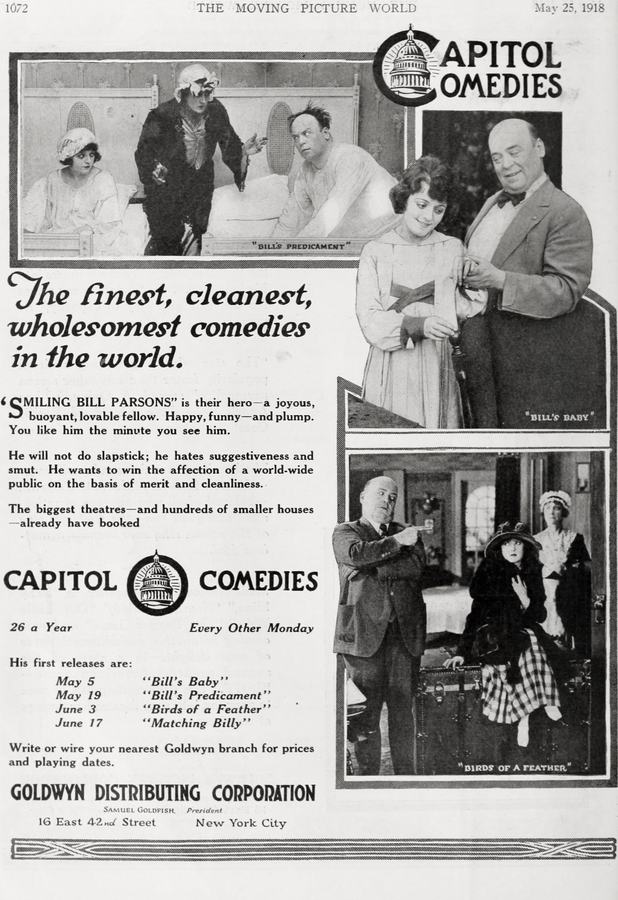
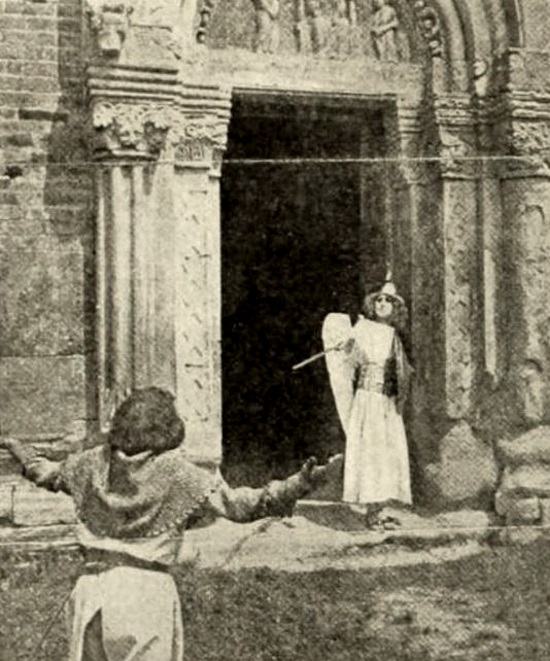
‘Matching Billy’ unfurls as a lyrical meditation on fractured identity and the yearning for wholeness. Billy (William Parsons), a taciturn itinerant with a scarred past, returns to the decaying seaside town of Whitby after a decade of self‑exile, driven by a cryptic telegram that promises the revelation of a long‑lost sibling. Upon arrival, he encounters Molly (Molly Malone), the town’s archivist and reluctant custodian of its collective memory, whose own secrets are etched into the dust‑laden ledgers of the local library. As Billy and Molly sift through faded photographs, brittle letters, and the town’s oral histories, they piece together a mosaic of betrayal, wartime loss, and a clandestine love affair that once bound the town’s founding families. The narrative spirals through flashbacks that juxtapose Billy’s gritty, nomadic existence with the genteel, yet suffocating, world of his childhood home. Each revelation forces Billy to confront the paradox of belonging: the more he uncovers, the more he realizes that the person he seeks may be a construct of collective myth rather than flesh and blood. The climax converges at the abandoned lighthouse, where the truth about Billy’s lineage is both illuminated and obscured by the relentless sea, leaving him to decide whether to embrace the inherited narrative or forge a new self‑definition. The film concludes on an ambiguous note, with Billy walking away from the lighthouse, the horizon a muted palette of hope and uncertainty, while Molly remains behind, cataloguing the town’s stories, suggesting that the act of matching—whether of identities, histories, or destinies—remains an endless, ever‑shifting pursuit.
Review Excerpt
"
body { background-color: black; color: white; font-family: Georgia, serif; line-height: 1.6; }
.highlight { color: #C2410C; font-weight: bold; }
.emphasis { color: #EAB308; font-style: italic; }
.note { color: #0E7490; }
a { color: #EAB308; text-decoration: underline; }
p { margin-bottom: 1.2em; }
When the opening credits of ‘Matching Billy’ dissolve into the soot‑gray mist of Whitby’s harbor, the audience is immediately thrust into a world..."