DbcultAccessing Vault...
8.4/10
Senior Film Conservator
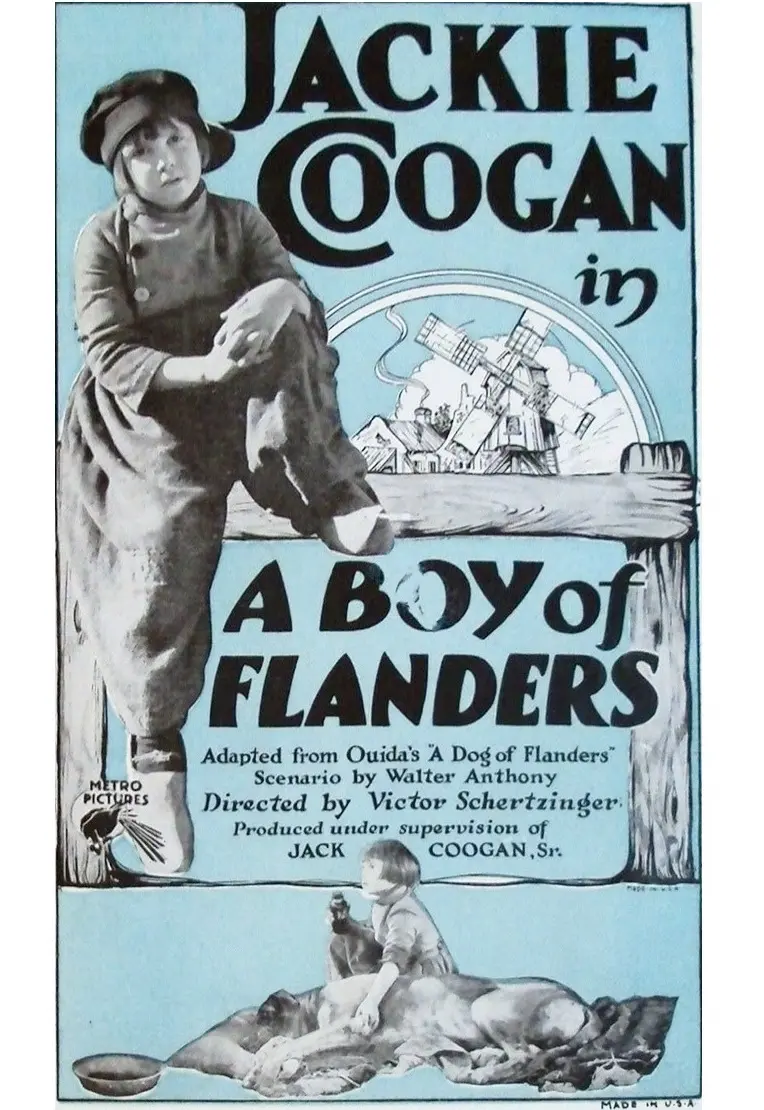
A definitive 8.4/10 rating for a film that redefined the boundaries of cult cinema. A Boy of Flanders remains a cornerstone of transgressive art.
Ah, the silent era. A time when emotions were writ large on the silver screen, when a glance, a gesture, a tear, could convey more than a thousand words. And within that rich tapestry, few films tugged at the heartstrings quite like 'A Boy of Flanders' (1924). This isn't just a film; it's an experience, a poignant journey into the depths of human compassion, artistic yearning, and the relentless grip of fate. Starring the inimitable Jackie Coogan, fresh from his triumph in Chaplin's 'The Kid,' this adaptation of Ouida's classic novel is a masterclass in emotional storytelling, proving that the most profound narratives often require no dialogue at all.
At its core, 'A Boy of Flanders' is a testament to the unbreakable bond between a boy and his dog. Nello, portrayed with a heartbreaking sincerity by Coogan, discovers a discarded, ailing canine and, with a boundless heart, nurses it back to health. This isn't merely a pet ownership; it's a partnership forged in adversity, a mutual understanding that transcends species. The dog, Patrasche, becomes Nello's confidante, his companion, his silent guardian in a world that often feels cold and indifferent. This relationship is depicted with such tender authenticity that it becomes the emotional anchor of the entire narrative. The way Coogan interacts with Teddy the Dog is nothing short of magical, a silent dialogue of loyalty and affection that resonates deeply.
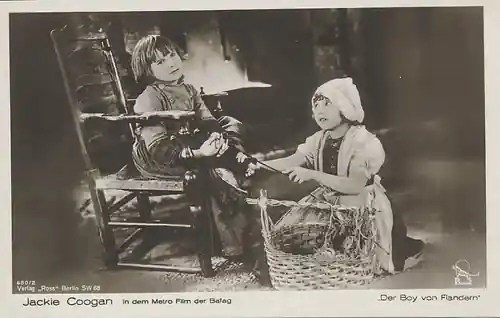
One can draw parallels between this profound connection and other narratives of the era that explored the human-animal dynamic, though perhaps none quite captured the raw, vulnerable essence of a child's reliance on his animal companion as eloquently as 'A Boy of Flanders.' Unlike the more action-oriented animal tales, this film emphasizes the quiet, comforting presence, the shared struggle against a harsh existence. It reminds us of films like The Man Who Won, where a strong bond, albeit between humans, drives the emotional core, but here, the interspecies connection elevates the pathos to another level.
The film swiftly plunges Nello into a world of profound grief and destitution. The sudden death of his grandfather, portrayed by Josef Swickard with a gentle, weary dignity, leaves Nello utterly bereft. This pivotal moment is handled with a delicate touch, emphasizing the profound sense of loss without resorting to overt melodrama. It’s a quiet, devastating blow that forces Nello to confront the harsh realities of survival alone. The visual language here is stark: the small, humble dwelling, the somber faces of the villagers, and Coogan's expressive eyes conveying a universe of unspoken sorrow. Living under a haystack, a symbol of utter homelessness and vulnerability, Nello’s plight becomes a powerful commentary on societal neglect and the fragility of childhood innocence in the face of economic hardship.
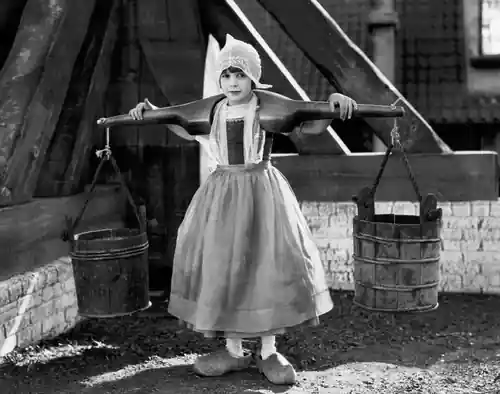
The depiction of poverty in 'A Boy of Flanders' is unflinching, yet never exploitative. It serves to underscore Nello's resilience and the sheer magnitude of his challenges. This theme of enduring hardship, particularly for vulnerable protagonists, was a recurring motif in silent cinema. Films like Markens grøde, with its stark portrayal of rural struggle, or even the more urban-focused From Gutter to Footlights, explored similar societal undercurrents, but 'A Boy of Flanders' anchors it to the deeply personal tragedy of a child. The film doesn't just show poverty; it makes you feel the gnawing hunger, the biting cold, the isolation that comes with it.
Despite the crushing weight of his circumstances, Nello possesses an innate artistic talent, a yearning to create that refuses to be extinguished. His dreams are not of material wealth, but of beauty, of capturing the world around him on canvas. This artistic drive becomes his solace, his escape, and ultimately, his path to salvation. The drawing contest represents a glimmer of hope, a desperate plea for recognition in a world that seems to have forgotten him. It's a poignant portrayal of how art, even in its most nascent forms, can provide purpose and dignity where little else exists.

The sequence where Nello pours his heart and soul into his artwork, often in secret, under difficult conditions, is incredibly moving. It highlights the universal human desire for expression, regardless of one's station in life. This theme of art as a redemptive force can be subtly seen in other films of the period, though often in more conventional settings. Here, it’s a raw, elemental force, a lifeline for a boy teetering on the brink. The film beautifully captures the spirit of a child who, despite everything, still believes in the power of beauty.
Jackie Coogan's portrayal of Nello is nothing short of phenomenal. Having already captivated audiences as 'The Kid,' Coogan brings a similar blend of vulnerability and resilience to this role, but with a heightened sense of dramatic gravitas. His expressive face, his wide, sorrowful eyes, and his subtle gestures convey a depth of emotion that belies his young age. He doesn't just play Nello; he embodies him, making the audience feel every pang of hunger, every surge of hope, every wave of despair. It's a performance that stands as a testament to the power of silent acting, where every movement and facial expression must carry the weight of the narrative.
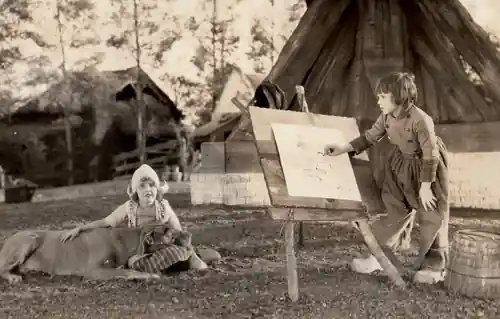
Coogan's ability to elicit such profound empathy from the audience is a rare gift. He makes Nello relatable, not just as a character, but as a symbol of childhood innocence enduring unimaginable hardship. His chemistry with Teddy the Dog is particularly noteworthy; their interactions are so natural and heartfelt that they elevate the entire film. This performance firmly cemented Coogan's status as one of the most talented child actors of his generation, proving that his success with Chaplin was no fluke but rather a demonstration of profound acting prowess. One might compare his naturalistic style to other child actors of the era, but Coogan had a unique ability to convey both a charming innocence and a deep, world-weary understanding far beyond his years.
While Coogan undoubtedly carries much of the film, the supporting cast provides crucial anchors to Nello's world. Josef Swickard as the grandfather delivers a performance steeped in quiet dignity, making his loss all the more impactful. Lydia Yeamans Titus, Nell Craig, and the other villagers, though often in smaller roles, contribute to the tapestry of Flemish life, painting a picture of a community grappling with its own struggles, sometimes benevolent, sometimes indifferent. The film's director skillfully orchestrates these performances, ensuring that each character, no matter how minor, serves to deepen Nello's journey. The direction is meticulous, focusing on evocative close-ups and wide shots that capture both the intimacy of personal struggle and the broader landscape of the setting.
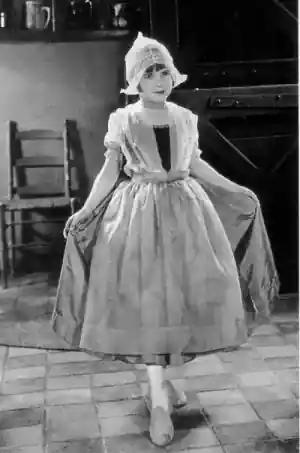
The cinematography, a hallmark of silent cinema, is particularly effective in 'A Boy of Flanders.' The use of light and shadow, the framing of shots, and the careful composition all contribute to the emotional resonance. The visual storytelling is paramount, guiding the audience through Nello's emotional landscape without the need for spoken words. This attention to visual detail is what makes many silent films, including this one, so enduringly powerful. It's a testament to the artistry of the period that stories could be told with such clarity and emotional depth through purely visual means. Compared to films like The Cambric Mask or Pep, which also relied heavily on visual narrative, 'A Boy of Flanders' distinguishes itself with its particular blend of pastoral beauty and stark realism.
The climax of 'A Boy of Flanders' is a masterstroke of emotional release. Nello's victory in the drawing contest is not merely about winning a prize; it's about validation, recognition, and the acknowledgment of his inherent worth. The moment a fellow artist, recognizing the profound talent and indomitable spirit emanating from Nello's work, steps forward to adopt him, is profoundly moving. It's a powerful affirmation that kindness and compassion can triumph over adversity, that talent can find its champion, and that a lost soul can find a family. This resolution, while perhaps idealized, offers a much-needed balm after the preceding trials, leaving the audience with a sense of hope and the belief in the goodness of humanity.
The adoption isn't just a happy ending; it's a symbolic rebirth for Nello, a transition from the cold, lonely world of the haystack to the warmth and promise of a loving home where his artistic spirit can truly flourish. It’s a powerful narrative arc that moves from despair to unexpected joy, highlighting the transformative power of human connection. This narrative structure, moving from intense suffering to a profound act of grace, is a classic storytelling device, but in 'A Boy of Flanders,' it feels earned and deeply resonant. It's a narrative that, despite its period setting, speaks to timeless desires for belonging and recognition.
'A Boy of Flanders' is more than just a historical artifact; it's a timeless story that continues to resonate with audiences today. Its themes of compassion, resilience, the power of art, and the search for belonging are universal. The film serves as a powerful reminder of the artistry and emotional depth that silent cinema was capable of achieving. It's a testament to the fact that compelling storytelling transcends spoken language, relying instead on the universal language of human emotion and visual poetry.
Watching this film in the modern age offers a unique perspective on cinematic history, allowing us to appreciate the foundational elements of narrative and character development that continue to influence filmmaking. It stands as a powerful example of how a simple, heartfelt story, expertly told, can leave an indelible mark on the cultural consciousness. For anyone interested in the golden age of Hollywood, in the evolution of storytelling, or simply in a deeply moving tale of a boy and his dog, 'A Boy of Flanders' is an essential viewing experience. Its quiet power and profound emotional sincerity ensure its place as a cherished classic, a true gem of the silent screen that, much like Nello's art, speaks volumes without uttering a single word. Its emotional depth makes it stand apart from lighter fare like Peanuts and Politics or Bath Day, cementing its status as a significant dramatic work.
The film's exploration of human resilience in the face of overwhelming odds is particularly striking. Nello’s journey is not one of grandeur or heroic feats, but of quiet endurance and the steadfast pursuit of a dream. His character arc, from an orphaned, impoverished boy to a recognized artist with a loving family, is a powerful narrative of triumph against all expectations. This is the kind of storytelling that reminds us of the profound impact cinema can have, reaching into the very core of our shared humanity and stirring emotions that linger long after the final frame fades to black. It’s a film that doesn't just entertain; it inspires, it moves, and it ultimately leaves you with a renewed sense of hope in the enduring spirit of life and art.
IMDb —
1918
Community
Log in to comment.