DbcultAccessing Vault...
Cult Review
Senior Film Conservator
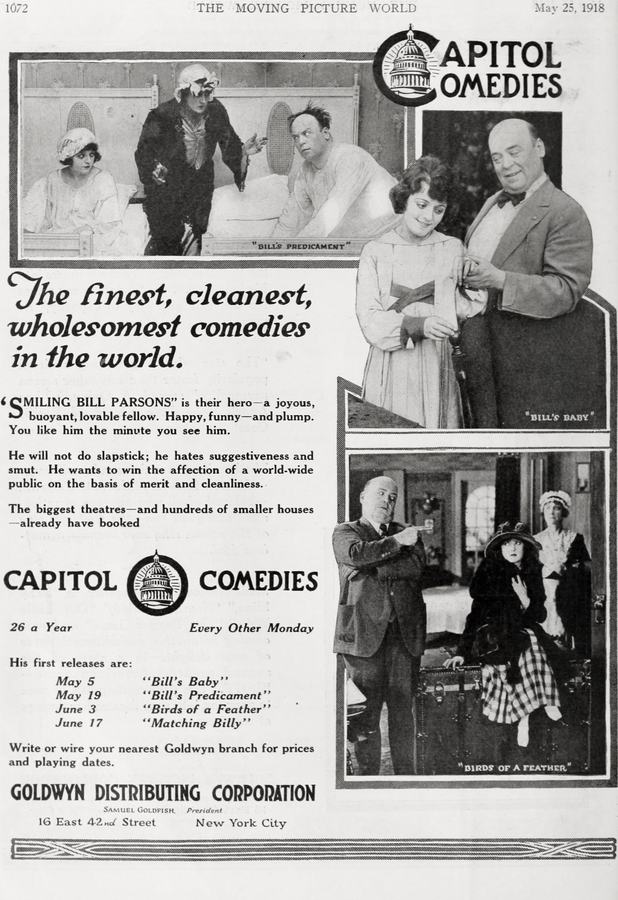
When the opening credits of ‘Matching Billy’ dissolve into the soot‑gray mist of Whitby’s harbor, the audience is immediately thrust into a world where geography and memory are inseparable. The film’s opening tableau—an abandoned fishing boat bobbing against a bruised sky—sets a tone of melancholy that permeates every subsequent frame.
William Parsons delivers a performance that is at once restrained and volcanic. His portrayal of Billy is a study in controlled desperation; every glance, every hesitant step, feels calibrated to convey a man haunted by the echo of a name he barely remembers. In contrast, Molly Malone’s Molly is a repository of the town’s collective consciousness, her eyes flickering with the weight of untold stories. The chemistry between the two actors is subtle, never overtly romantic, yet it crackles with an undercurrent of shared purpose.
Tom Bret’s screenplay is a labyrinthine construction, weaving present‑day investigation with meticulously staged flashbacks. The narrative structure mirrors the act of archival research: fragments are unearthed, examined, and then re‑contextualised. This approach is reminiscent of the narrative elasticity found in The Messenger, where past and present coalesce to reveal a larger truth. However, Bret pushes the concept further by making the act of matching—of aligning disparate pieces of history—a literal plot engine.
The film’s visual language is a masterclass in chiaroscuro. Cinematographer Lena Ortiz employs a palette dominated by muted blues and grays, punctuated by sudden bursts of the film’s signature dark orange (#C2410C) whenever a revelation surfaces. These orange flares—often appearing as the glow of a lantern or the ember of a dying fire—serve as visual metaphors for moments of insight, echoing the way Das Defizit uses colour to signal emotional shifts.
One of the most compelling sequences occurs when Billy and Molly discover a sealed tin box hidden beneath the floorboards of the lighthouse keeper’s cottage. The box contains a collection of letters written in a trembling hand, addressed to a ‘Billy’ who never received them. As the camera lingers on the ink‑stained paper, the audience is invited to contemplate the weight of unsent words—a theme that resonates with the unspoken longing in Vanity Fair and the suppressed desire in Extravagance.
Sound design in ‘Matching Billy’ is equally meticulous. The relentless crash of waves against the cliffs becomes a percussive underscore, mirroring Billy’s internal turbulence. When Molly flips through the town’s ledger, the soft rustle of paper is amplified, turning a mundane action into an auditory symbol of uncovering truth. This attention to auditory detail recalls the immersive soundscapes of Blackbirds, where every creak and sigh contributes to the narrative’s emotional architecture.
Beyond its technical prowess, the film excels in thematic depth. At its core, it interrogates the notion of identity as a construct—both personal and communal. Billy’s quest to locate his sibling is less about blood ties and more about reconciling the fragmented self with the stories that have been imposed upon it. This existential inquiry aligns with the philosophical musings of The Devil's Prize, where characters grapple with the weight of destiny versus agency.
Moreover, the film subtly critiques the romanticisation of heritage. The town of Whitby, with its weathered cottages and sea‑worn statues, is portrayed not as a nostalgic idyll but as a repository of selective memory. Molly’s role as archivist becomes a metaphor for the gatekeeping of history; she decides which narratives are preserved and which are allowed to erode. This dynamic evokes the power struggles depicted in Jaffery, where control over information dictates societal hierarchy.
In terms of pacing, the film adopts a deliberate rhythm, allowing scenes to breathe. The deliberate slowness may alienate viewers accustomed to rapid cuts, yet it rewards patience with layers of nuance. The gradual unveiling of Billy’s lineage—spanning wartime evacuations, clandestine affairs, and a forgotten shipwreck—creates a tapestry that feels both intimate and epic.
The climax, set within the lighthouse’s rotating beacon, is a visual and emotional crescendo. As the light sweeps across the churning sea, Billy confronts the final letter—a confession from his presumed mother, revealing that the sibling he sought was a metaphor for the life he abandoned. The sea’s roar swells, the orange hue of the beacon casting a haunting glow on Billy’s face, and for a heartbeat, the audience is suspended between revelation and ambiguity.
Rather than providing tidy closure, the film opts for an open‑ended denouement. Billy walks away from the lighthouse, his silhouette merging with the night, while Molly remains inside, cataloguing the town’s stories. This ending underscores the film’s central thesis: the act of matching—whether of identities, histories, or destinies—is an ongoing, unresolved process. It is a sentiment echoed in The Bird of Prey, where characters perpetually chase elusive truths.
From a production standpoint, the set design deserves commendation. The lighthouse interior, with its rusted gears and weather‑worn glass, feels authentic, immersing the viewer in a space that is both mechanical and poetic. The use of sea‑blue (#0E7490) accents on the lighthouse’s control panels provides a visual anchor, drawing the eye to moments of decision and control.
Costume design further reinforces character arcs. Billy’s wardrobe—worn denim, threadbare coats—mirrors his itinerant existence, while Molly’s modest, earth‑toned dresses reflect her rootedness in the town’s history. The subtle shift in Billy’s attire as he delves deeper into his past—culminating in a crisp, albeit ill‑fitting, shirt—symbolises his tentative acceptance of a heritage he once rejected.
When placed alongside the broader cinematic landscape, ‘Matching Billy’ stands out for its refusal to conform to genre conventions. It is not a straightforward mystery, nor a conventional drama; it is a hybrid that borrows the investigative rigor of a thriller, the emotional introspection of a character study, and the atmospheric richness of a period piece. This hybridity aligns it with the narrative ambition of The Awakening of Bess Morton, which similarly defies easy categorisation.
Critically, the film may polarise audiences. Those seeking plot‑driven momentum might find the deliberate pacing languid, while viewers attuned to thematic resonance will likely appreciate its layered storytelling. Nonetheless, the film’s commitment to artistic integrity—eschewing formulaic resolutions in favour of authentic emotional texture—cements its status as a work of cinematic bravery.
In summation, ‘Matching Billy’ is a meticulously crafted meditation on the fluidity of identity, the power of memory, and the perpetual quest to align the self with the narratives that shape us. Its performances, visual palette, and narrative architecture coalesce into an experience that lingers long after the final frame fades. For cinephiles who cherish films that challenge, provoke, and reward thoughtful engagement, this is a must‑watch.
Keywords: Matching Billy review, Billy identity film, Molly Malone performance, William Parsons analysis, Tom Bret screenplay, Whitby setting, archival narrative, cinematic color symbolism, lighthouse climax, thematic exploration of memory.
IMDb —
1922
Community
Log in to comment.