Summary
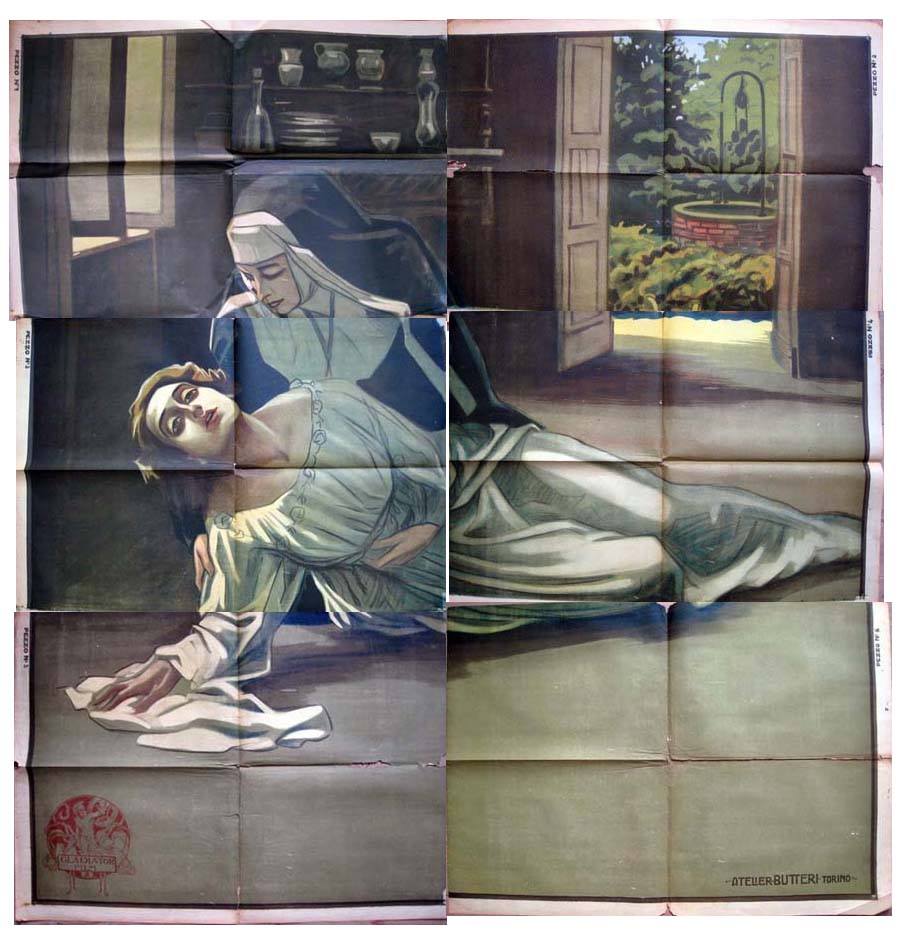
In the somber tapestry of early 20th-century Italian society, "Maternità" unfurls a heart-wrenching narrative centered on Maria, a young woman whose life of nascent promise is irrevocably altered by a clandestine liaison with the rakish Count Roberto. Their illicit passion, a fleeting ember against the backdrop of rigid moral strictures, ignites a scandal when Maria finds herself with child. Abandoned by Roberto, who, in a craven act of self-preservation, absconds from his aristocratic obligations and the impending social ruin, Maria is thrust into an existential crucible. Defying the condemnations of a judgmental community and the desperate pleas of her family for an unconscionable solution, she embraces her solitary destiny, bringing forth her son, Paolo, in a poignant tableau of unyielding maternal resolve. To shield Paolo from the indelible stain of illegitimacy and to afford him a life unburdened by her own societal excommunication, Maria undertakes the ultimate sacrifice: she surreptitiously places him in an orphanage, maintaining a clandestine, anonymous patronage that ensures his welfare. As the years inexorably pass, Paolo blossoms into a vibrant young man, his path unknowingly converging with that of his birth mother, Maria, who has since ascended to a position of quiet reverence within society, her demeanor perpetually tinged with an ineffable sorrow. A cruel twist of fate, or perhaps the inexorable hand of destiny, orchestrates the return of Count Roberto, threatening to dismantle Maria's meticulously constructed edifice of secrecy and expose the long-buried truth. This inexorable force propels the narrative towards a climactic confrontation, a crucible where past transgressions, present sacrifices, and the profound, indomitable essence of a mother's enduring love are laid bare, forcing all involved to reckon with the moral complexities of their choices and the elusive pursuit of redemption and societal grace.
Review Excerpt
"
Maternità: A Silent Symphony of Sacrifice and Enduring Love
In the annals of early cinematic art, where nascent storytelling wrestled with the limitations and boundless potential of the silent screen, Roberto Bracco's "Maternità" emerges as a profound, if often overlooked, testament to the enduring power of human emotion. This Italian dramatic masterpiece, a veritable chiaroscuro of moral quandaries and unyielding maternal devotion, navigates the treacherous waters of societal condemna..."