Summary
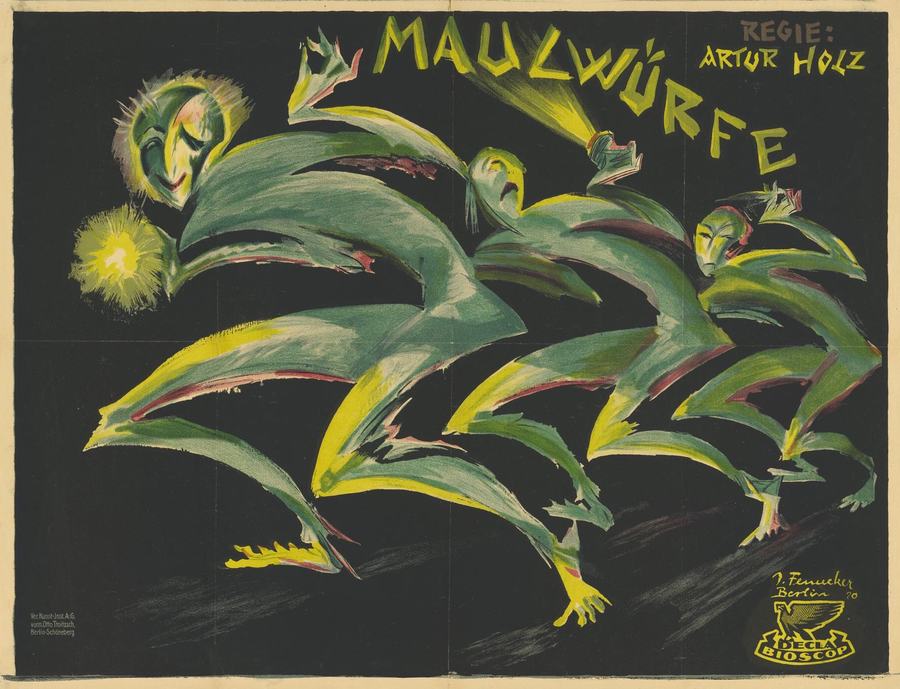
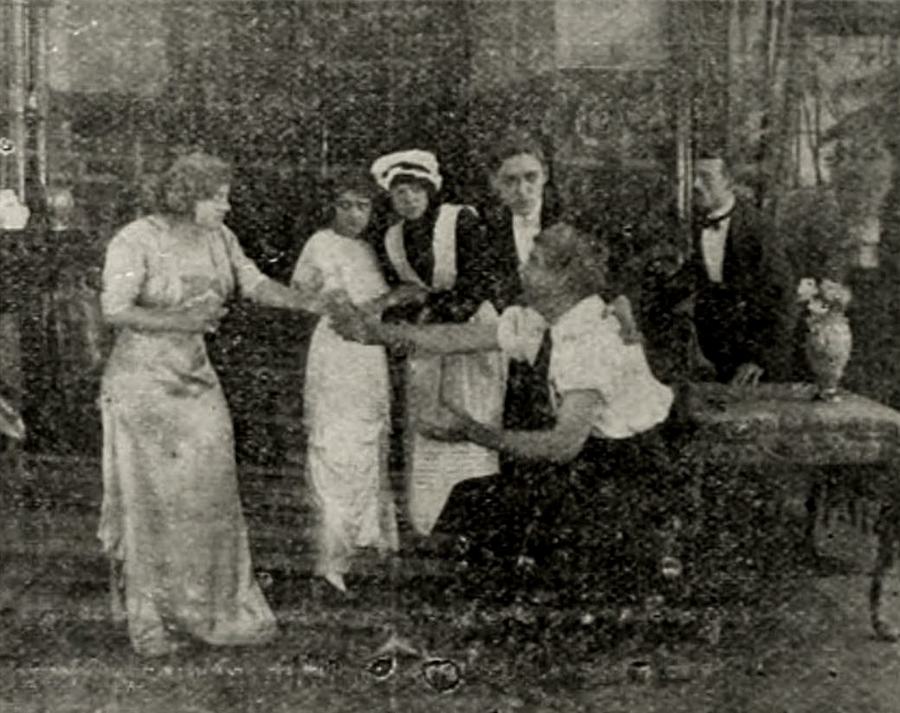
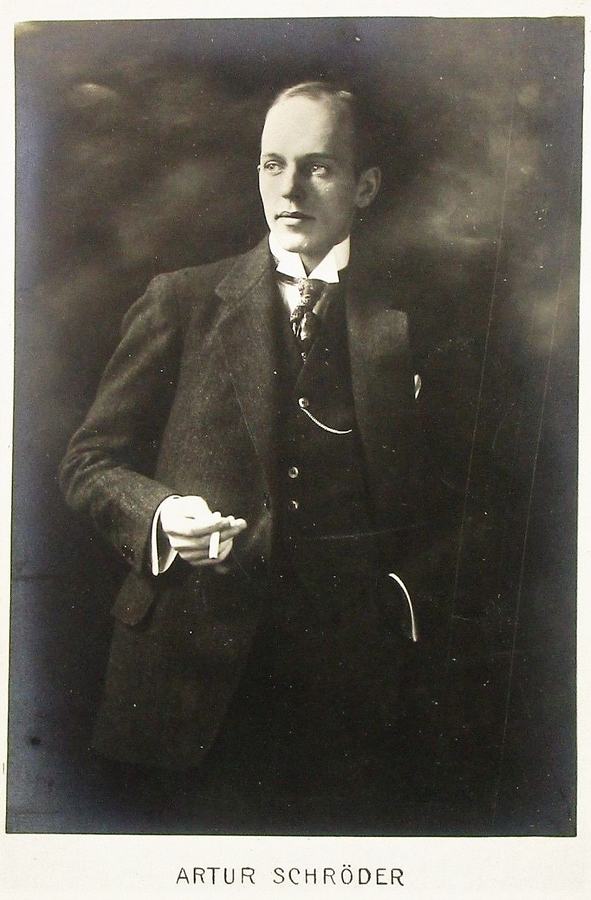
Beneath the cracked flagstones of a nameless Mittel-European garrison town, the film’s titular moles—scarcely glimpsed yet omnipresent—gnaw at foundations both architectural and moral. Augusta Burmeister’s Frau Leer, a war-widowed postal censor, spends candle-black nights re-sealing letters with a wafer of arsenic-red wax, each stamp a miniature tombstone for truths she buries. Her niece, Senta Eichstaedt’s Lotti, arrives clutching a valise of modernity: cloche hats, jazz records, and a camera whose shutter snap sounds like a firing squad. Rudi Thaller’s Captain Bindel, a mutilated veteran who whistles Schubert through a jaw wired shut, patrols the sewers convinced saboteurs lurk behind every effluvial drip; his obsession metastasizes into a subterranean map of imagined conspiracies scrawled in phosphorus on tunnel walls. Arthur Schröder’s Doctor Schramm, a morphine-dazed military psychiatrist, believes the city itself is a patient suffering from collective repression; he stages clandestine séances in the disused riding hall, projecting lantern slides of missing soldiers onto the flanks of exhausted horses. Walter Wolffgram’s corrupt Burgomaster, Alfons Hess’s one-eyed priest, and Karl Bernhard’s black-market butcher form a venal triumvirate who trade flour for confessionals, turning the cathedral crypt into a granary of guilty secrets. When a child’s skeleton is unearthed during a water-main repair, the narrative fractures into a kaleidoscope of testimonies: a schoolteacher recalls a boy who could mimic the wheeze of a dying radio; a laundress remembers starching shirts flecked with gunpowder; a retired opera singer claims the bones sang a single off-key note. Ernst Fiedler-Spies’s screenplay refuses resolution: guilt proliferates like mold, and the closing shot frames Burmeister’s silhouette stuffing unposted letters into a furnace, sparks rising like fireflies against a sky the color of dried blood.
Review Excerpt
"
A city exhales damp breath through iron grates; somewhere a typewriter clacks like distant machine-gun fire. Maulwürfe doesn’t begin—it seeps.
The camera, operated by Alexander Antalffy with the patience of a gravedigger, glides across cobbles glistening like split eels. No intertitle announces year or nation; instead we inhale the olfactory terror of wet wool, coal smoke, and sanctimony. Augusta Burmeister’s entrance is a master-class in negative space: her black veil consumes more light tha..."