Summary
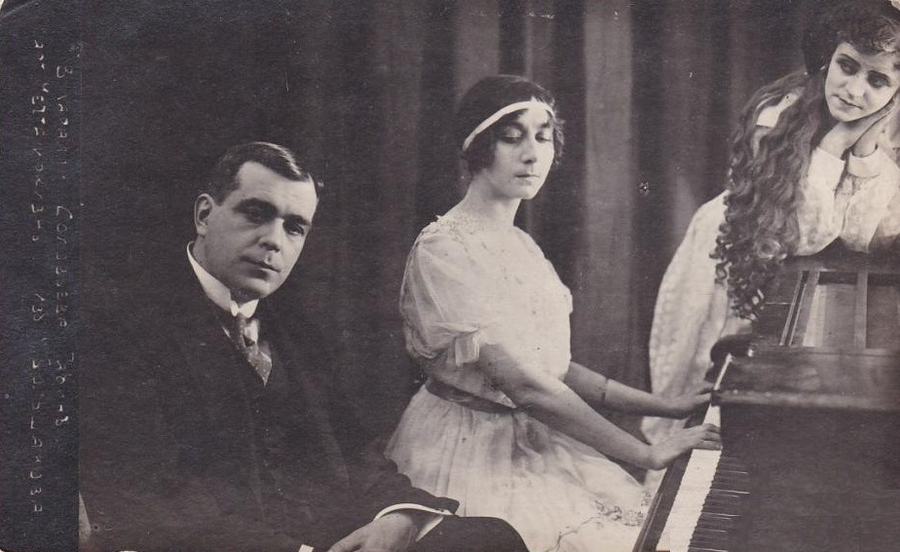
Silent as snowfall yet thunderous in its emotional undertow, Mechta i zhizn unspools inside a frost-laced provincial town where lamplight pools like bruises on cobblestones. Eduard Kulganek’s restless cartographer, forever redrawing borders on paper he will never cross, collides with Praskovya Maksimova’s seamstress, a woman who unpicks her own stitches each night so tomorrow will have something to mend. Between them flickers K. Antonovskaja’s war-widowed photographer, her lens cracked yet still capable of trapping ghosts on silvered plates. While factory sirens detonate the dusk, Elena Juzhnaja’s street orphan trades riddles for kopecks, hoarding every answer like marbles in a cracked jar. Into this brittle diorama arrives Georgij Svoboda’s travelling projectionist, his rusted cinematograph exhaling nitrate dreams that smell of burnt almonds and vanished empires. Each frame he throws against a patched sail becomes a mirror the townsfolk dare not consult: the mayor embezzling bricks for his dacha sees his own hollow eyes balloon above the smokestack; the priest who blesses trains catches himself pocketing the fare of the suicidal switchman. Aleksei Popov’s one-armed railway signalman, tormented by the schedules he can no longer flip, plots a collision that will finally synchronize every stopped clock. Yet the night before the scheduled wreck, Vera Solovyova’s consumptive librarian recites a poem so incandescent that even the locomotive lowers its headlamp in shame. At dawn, the tracks gleam empty; the expected catastrophe has detoured into private heartbreaks, leaving only the echo of a reel that keeps spinning after the light is switched off. The film ends on a freeze-frame of Kulganek’s ink-stained hand releasing a paper boat into a puddle of melting snow: a map without territory, a dream without sleep, a life that stubbornly refuses to wake.
Review Excerpt
"
They don’t make silence like this anymore—an electric hush that crackles louder than any talkie explosion. I stumbled across Mechta i zhizn in a mold-sweet archive in Kyiv, the nitrate so fragile it felt sinful to breathe near it; two reels were already soup at the edges, yet what survived seared the back of my eyelids for weeks. You can’t stream it, you can’t buy it on glossy Blu-ray, and that pirated 240-pixel rip on the shadow forums is a crime against the muses. Let me drag you bodily into ..."