DbcultAccessing Vault...
Cult Review
Senior Film Conservator
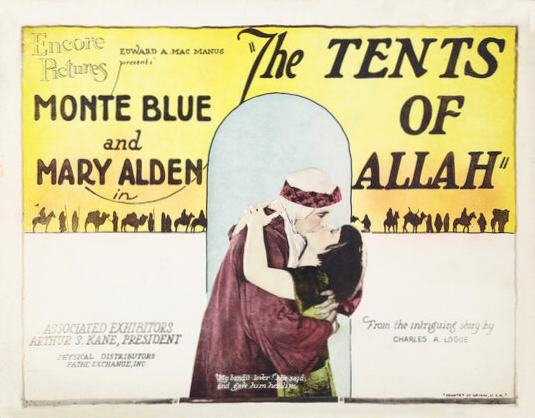
The year 1923 represented a pivotal juncture in the evolution of silent cinema, a period where the medium had fully shed its nickelodeon infancy and embraced the grandiose visual language of the epic. Within this fertile landscape, The Tents of Allah emerges as a compelling, if occasionally controversial, exploration of the 'Desert Romance' subgenre that captivated post-war audiences. Directed with a keen eye for atmospheric tension, the film serves as a fascinating companion piece to the industrial dramas of the era, such as The Source, yet swaps the rugged American wilderness for the exotic, perilous allure of North Africa.
Cinematographically, the film is a triumph of light and shadow. The director utilizes the harsh Moroccan sun to create high-contrast tableaux that mirror the moral binaries presented in the script. Unlike the domestic intimacy found in Experimental Marriage, where the camera lingers on the minutiae of social conduct, The Tents of Allah demands a wider lens. The vastness of the Sahara is captured with a sense of dread that feels remarkably modern, predating the sweeping vistas of later technicolor epics. The tents themselves—billowing, transient structures—become metaphors for the precarious nature of the protagonist's safety.
The production design avoids the cluttered artifice often seen in lesser productions like Little Miss No-Account. Instead, there is a commitment to a certain rugged authenticity, even if viewed through a Western lens. The marketplace scenes in Tangier are choreographed with a frantic energy that contrasts sharply with the slow, rhythmic pacing of the desert sequences. This juxtaposition heightens the sense of displacement felt by the American lead, making her abduction feel less like a plot device and more like an inevitable consequence of her cultural blindness.
Monte Blue, an actor whose versatility often went underappreciated, delivers a performance of brooding intensity. While he lacks the whimsical charm he might have displayed in a comedy like Bounced, his presence here is magnetic. He embodies the 'Other' with a complexity that occasionally transcends the stereotypical writing of the period. His interactions with Mary Thurman are charged with a tension that is as much about power as it is about latent attraction. Thurman, for her part, avoids the 'damsel in distress' tropes that bogged down films like Vengeance and the Girl. There is a steeliness in her eyes, a refusal to be merely a pawn in the Sultan’s game.
Supporting performances by Mary Alden and Charles Lane provide the necessary grounding in the 'civilized' world of the consulate. Their scenes are played with a staccato urgency that reminds the viewer of the burgeoning global tensions of the early 20th century. It is a far cry from the slapstick antics of Bow Wow; here, every gesture carries the weight of potential international incident. The chemistry between the cast members creates a believable ecosystem of fear and duty, particularly when the American consul is forced to choose between familial love and diplomatic protocol.

At its core, The Tents of Allah is a meditation on the consequences of arrogance. The protagonist’s initial offense to the Sultan is not portrayed as a calculated insult but as a failure of imagination—an inability to recognize that her American status provides no shield in a land governed by ancient sovereignty. This theme of misplaced confidence is explored with similar depth in The Woman Above Reproach, though here it is amplified by the sheer scale of the desert. The film suggests that the 'Tents' of the title are not just physical shelters, but ideological ones that we carry with us.
Furthermore, the film engages with the concept of 'The Forbidden' in a way that recalls the darker undertones of The Door That Has No Key. There is a palpable sense of crossing a threshold from which there is no return. The Sultan’s court is depicted as a place of opulent peril, where the rules of the Western world are rendered obsolete. This subversion of the audience’s expectations is what elevates the film above the standard adventure fare of 1923. It asks uncomfortable questions about the reach of empire and the fragility of the individual when stripped of their societal context.
The pacing of the film is remarkably disciplined. Unlike the chaotic energy of When the Clouds Roll by, the editing here is deliberate, allowing the tension to simmer before boiling over into action. The chase sequences through the dunes are masterclasses in silent storytelling, utilizing cross-cutting to build a sense of impending doom. We see the consul’s rescue party and the kidnappers in a rhythmic dance of pursuit that feels genuinely suspenseful even a century later. The film understands the power of the long shot—using the horizon to diminish the characters, making their struggle feel both epic and insignificant.
In comparison to the more straightforward narrative of The Next in Command, The Tents of Allah opts for a more psychological approach. The silence of the medium is used to great effect; the absence of dialogue emphasizes the vast, echoing emptiness of the landscape. The intertitles are poetic rather than purely functional, adding a layer of literary depth to the visual experience. It is a film that demands the viewer’s full attention, rewarding them with a rich tapestry of emotion and atmosphere.
While some modern viewers might find the film’s portrayal of Moroccan culture to be a product of its time, it is impossible to deny the craftsmanship on display. The Tents of Allah stands as a testament to the ambition of the silent era. It lacks the whimsical fantasy of Aladdin, choosing instead a path of gritty, melodramatic realism. It shares a certain melancholic beauty with the Dutch production Levensschaduwen, particularly in its exploration of characters caught in the shadows of their own choices.
The film’s influence can be seen in the subsequent decades of adventure cinema, where the desert became the ultimate test of character. It avoids the domestic sentimentality of My Dad or the frivolous concerns of How to Grow Thin, focusing instead on the primal elements of survival, honor, and redemption. In the end, the woman who returns to the consulate is not the same woman who arrived. She has been weathered by the sands, her American naivety replaced by a hard-won understanding of the world’s vastness. Like the protagonist in The Run-Away Bride, she has escaped a cage, but the desert has left an indelible mark on her soul. This is a film that lingers in the mind like the heat of a Moroccan afternoon—intense, unforgiving, and utterly unforgettable.
IMDb —
1918
Community
Log in to comment.