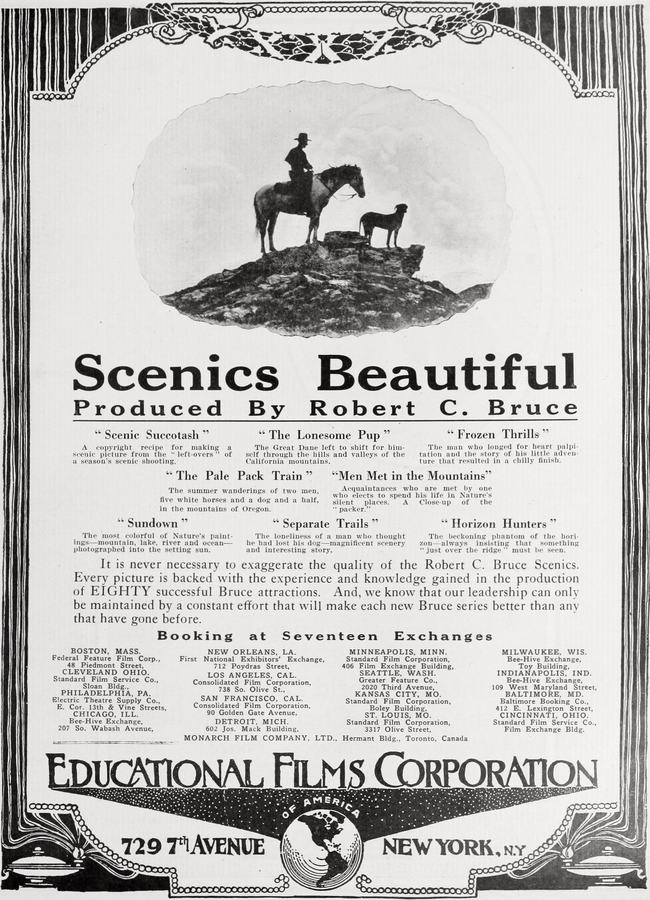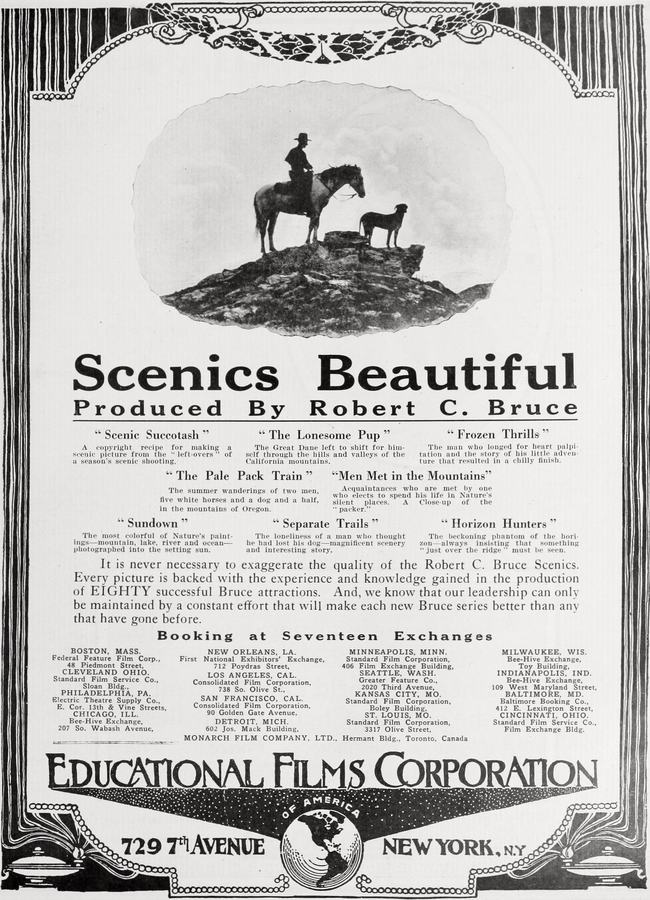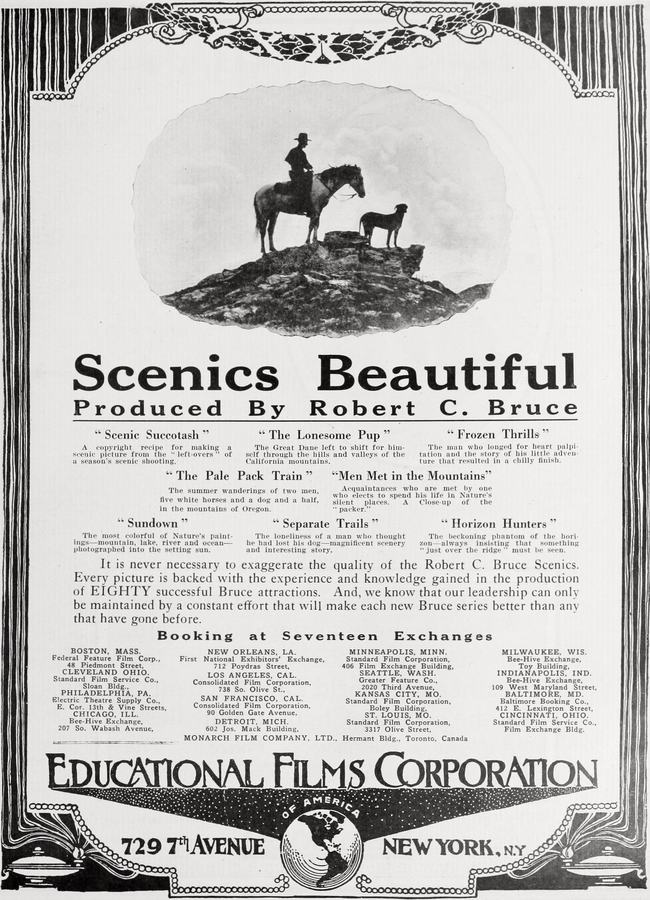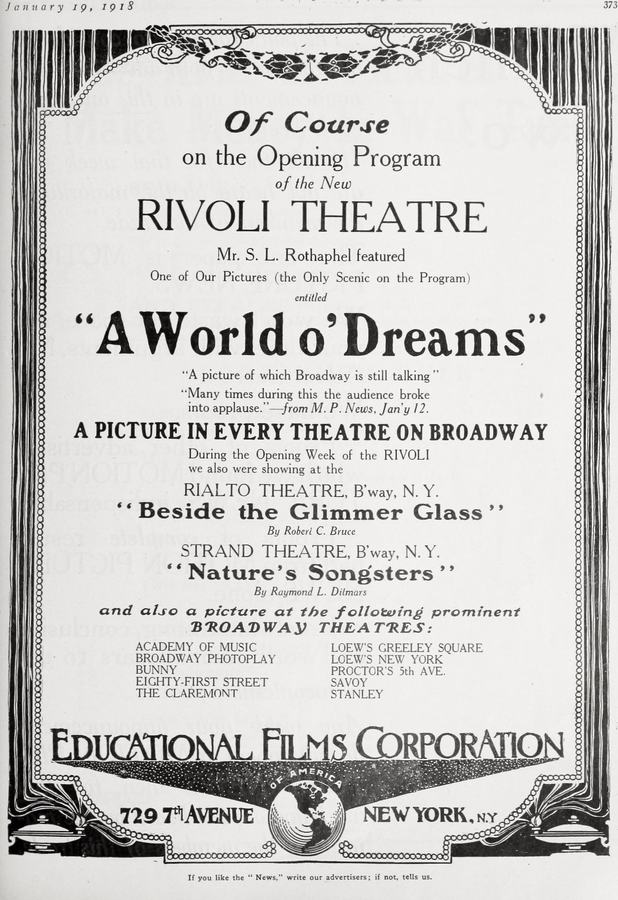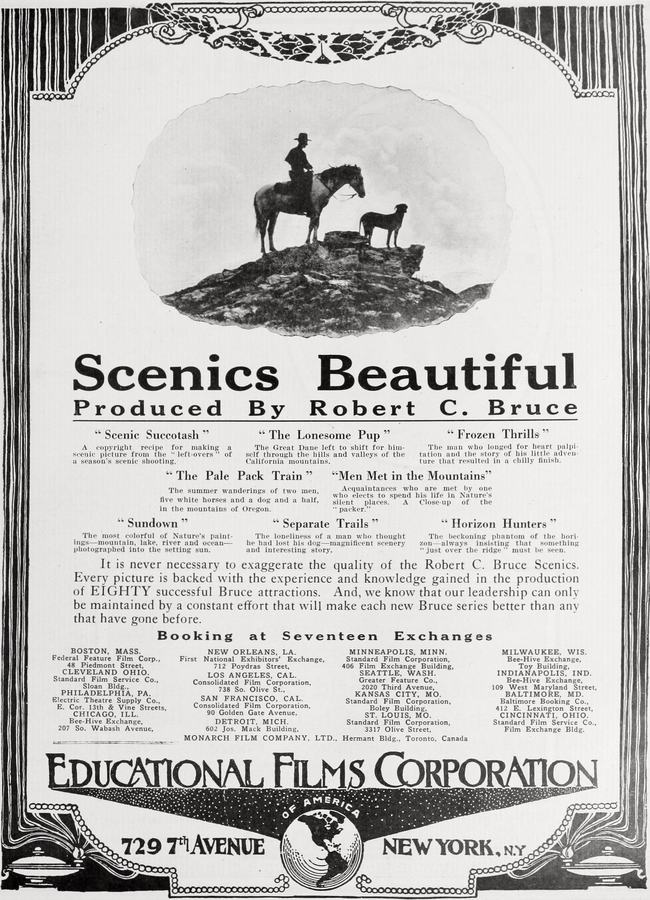
The Sublime Verticality: A Re-evaluation of Robert C. Bruce In the year 1917, while the global consciousness was fractured by the machinery of the Great War, a different kind of struggle was being captured on celluloid—a struggle of equilibrium and endurance. Robert C. Bruce, a man w...
Comparing the cinematic DNA and archive impact of two defining moments in cult history.
Robert C. Bruce
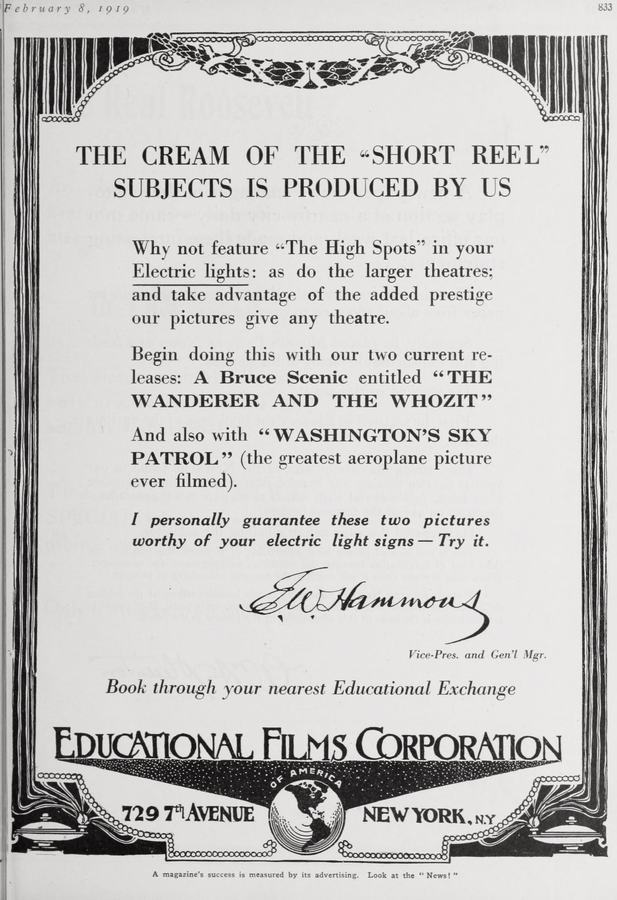
Robert C. Bruce
Community
Log in to comment.
" The Sublime Verticality: A Re-evaluation of Robert C. Bruce In the year 1917, while the global consciousness was fractured by the machinery of the Great War, a different kind of struggle was being captured on celluloid—a struggle of equilibrium and endurance. Robert C. Bruce, a man whose name is synonymous with the 'scenic' genre, delivered Men Met in the Mountains. This film is not a narrative in the traditional sense; it does not rely on the histrionics of a..."


Deep dive into the cult classic
Discover similar cinematic experiences
A Directorial Spotlight on Robert C. Bruce