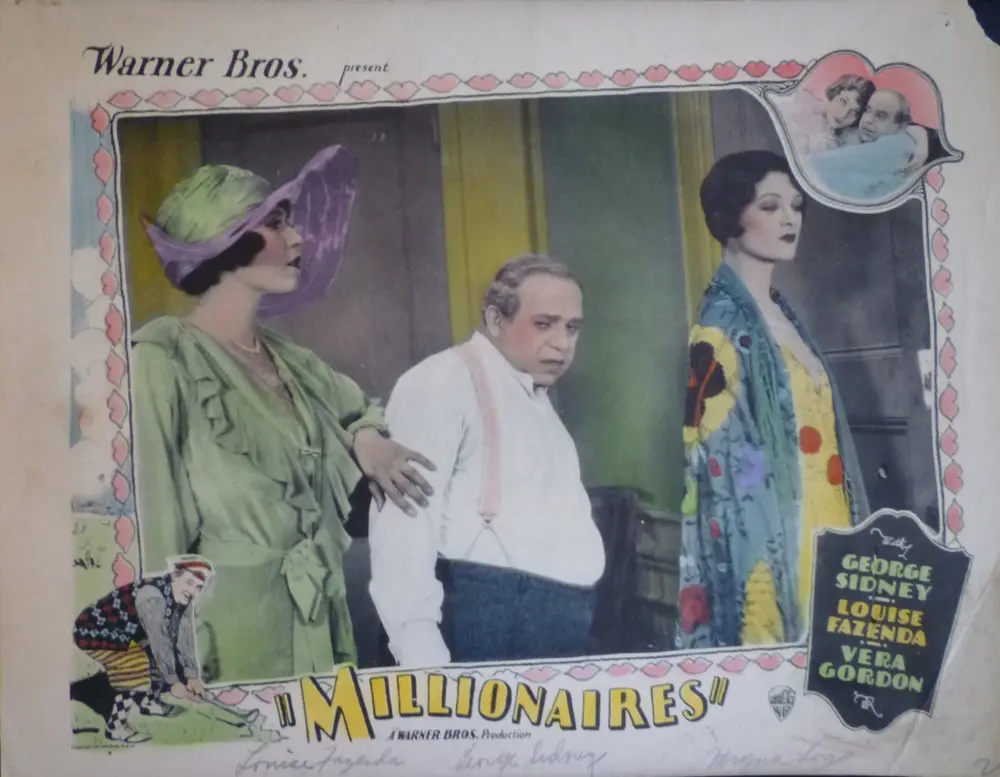
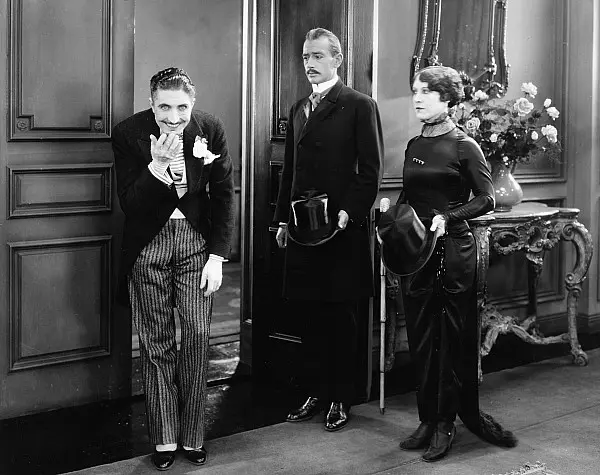
Meyer Rubens and his wife Esther own a pressing-shop in New York's Lower East Side. Esther wants to move up to the upper West Side, and her rich sister Reba persuades Meyer to invest in the worthless oil stock sold by her husband.
Is Millionaires worth watching today? Short answer: yes, but only if you view it as a cultural time capsule rather than a modern comedy.This film is for silent cinema enthusiasts and students of the Jewish-American immigrant experience; it is not for those who lack the patience for the exaggerated pantomime of the mid-...
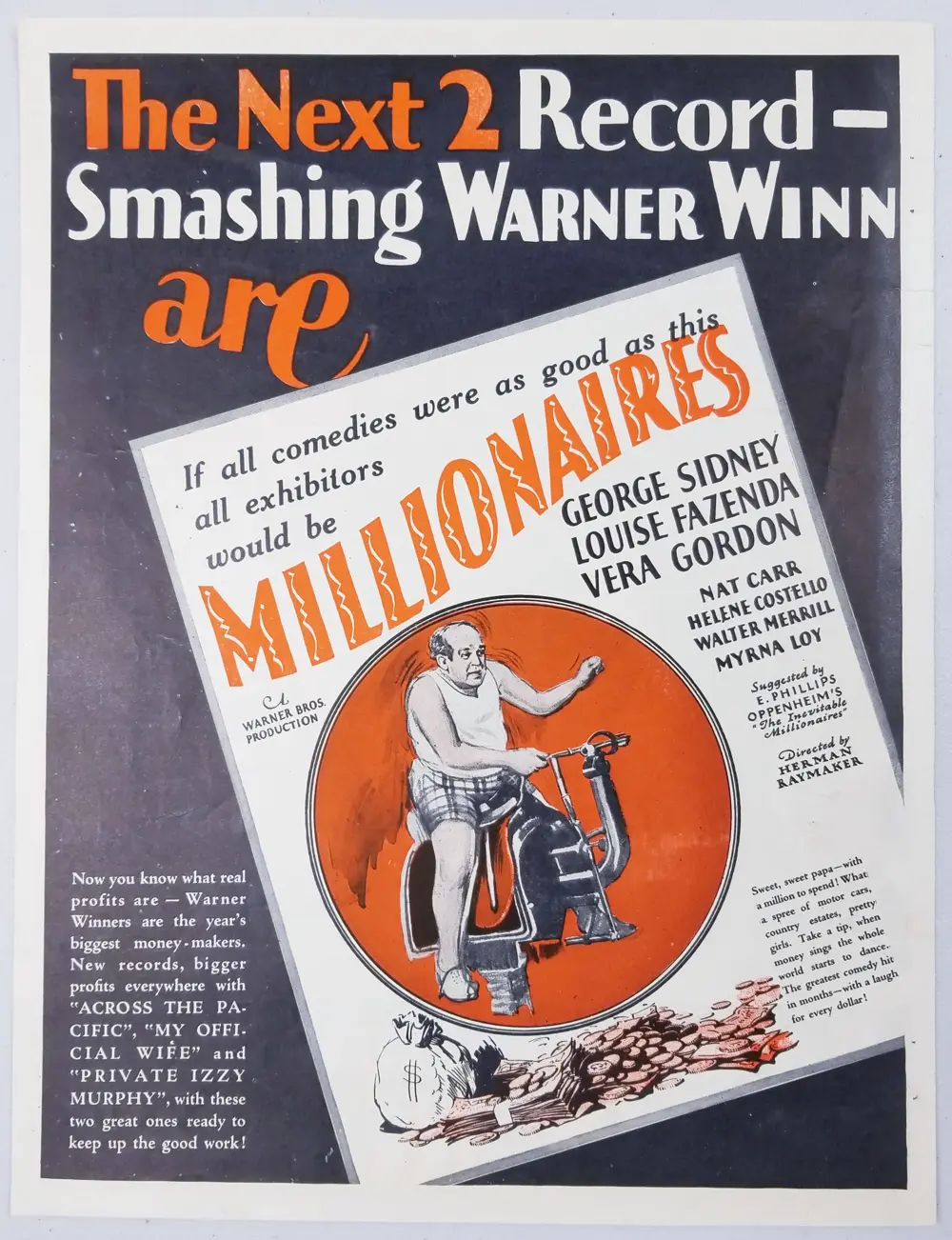
production_art

Comparing the cinematic DNA and archive impact of two defining moments in cult history.
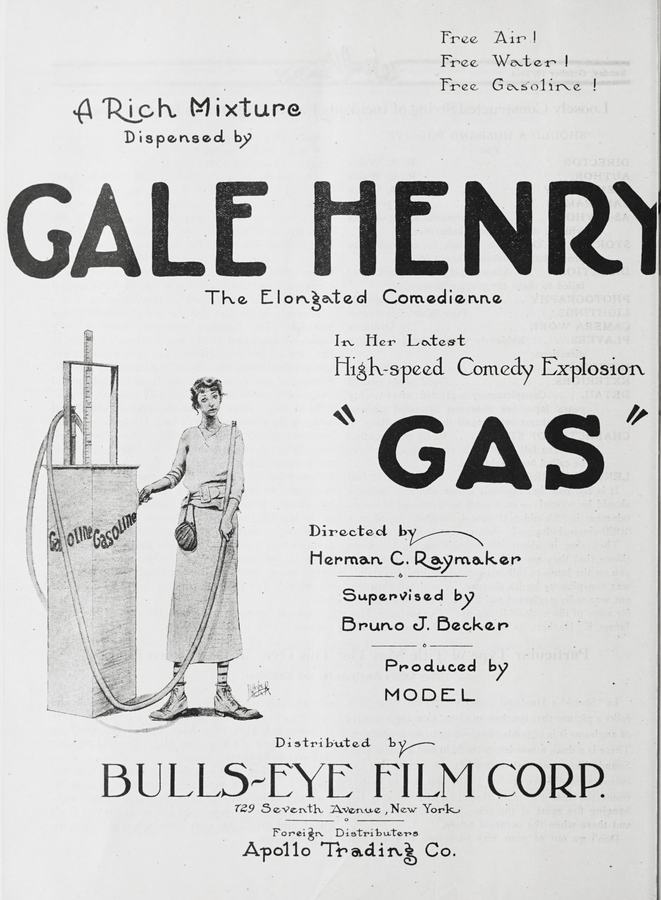
Herman C. Raymaker

Herman C. Raymaker
Community
Log in to comment.
"Is Millionaires worth watching today? Short answer: yes, but only if you view it as a cultural time capsule rather than a modern comedy.This film is for silent cinema enthusiasts and students of the Jewish-American immigrant experience; it is not for those who lack the patience for the exaggerated pantomime of the mid-1920s. It works. But it’s flawed.The Core Dynamics1) This film works because it captures the genuine anxiety of the immigrant 'nouveau riche' with surprising warmth.2) This film fa..."
Edward Clark, C. Graham Baker, Raymond L. Schrock, E. Phillips Oppenheim
United States