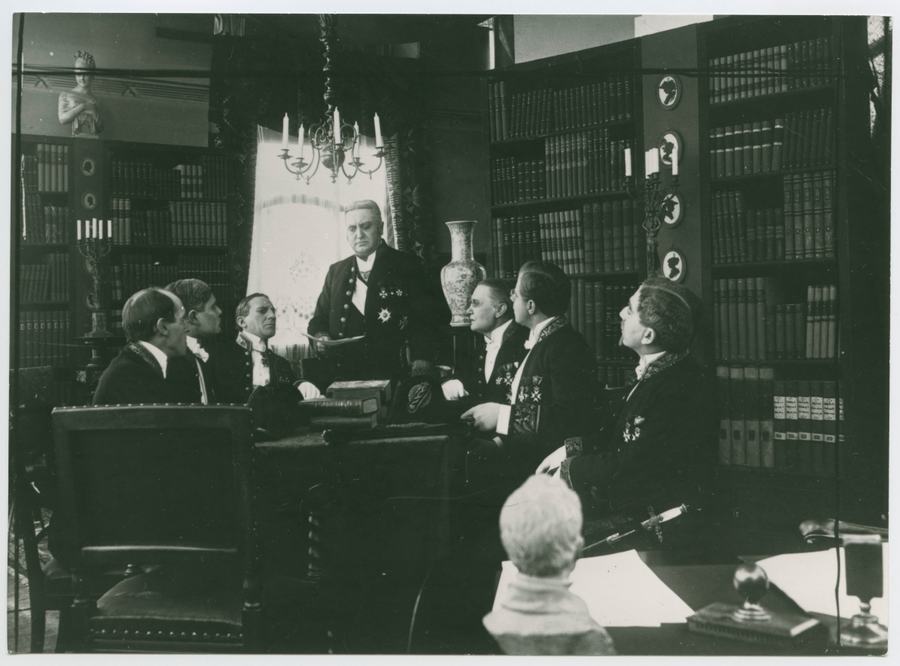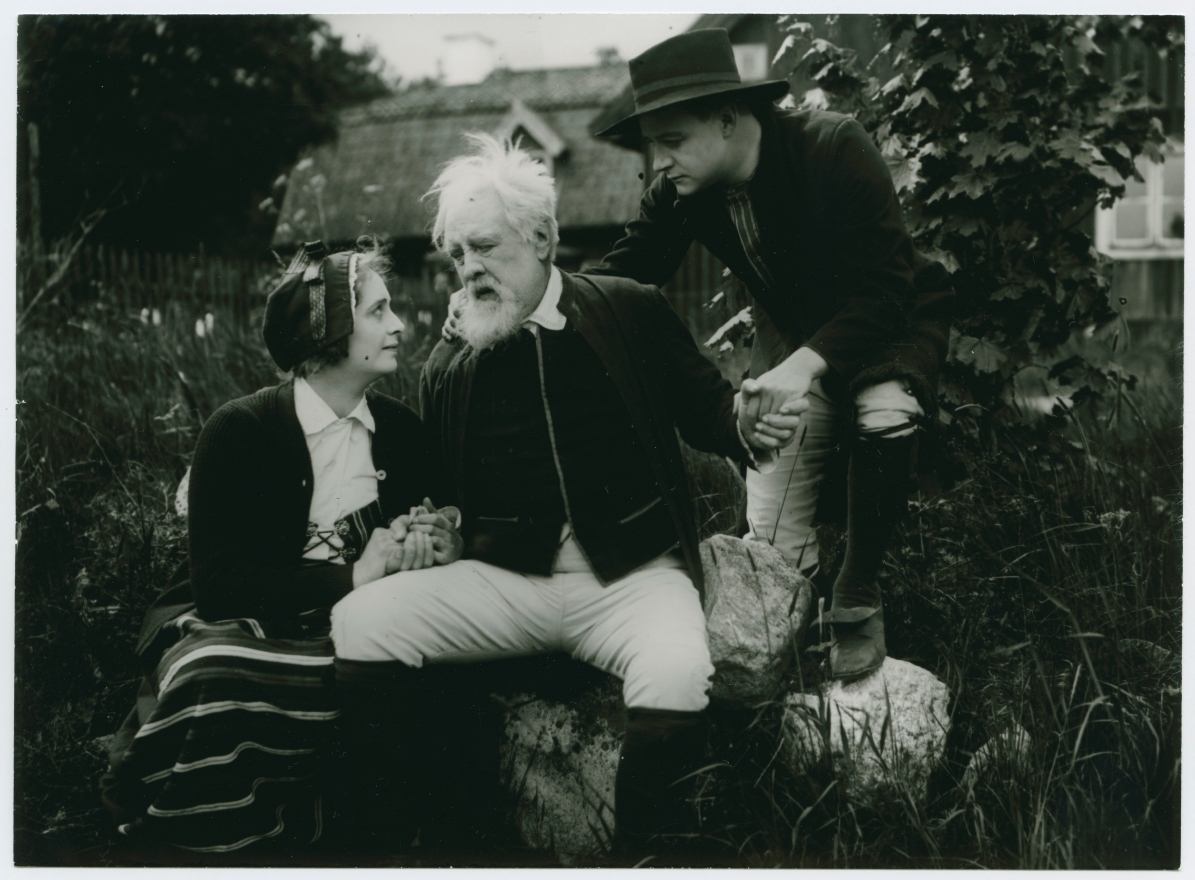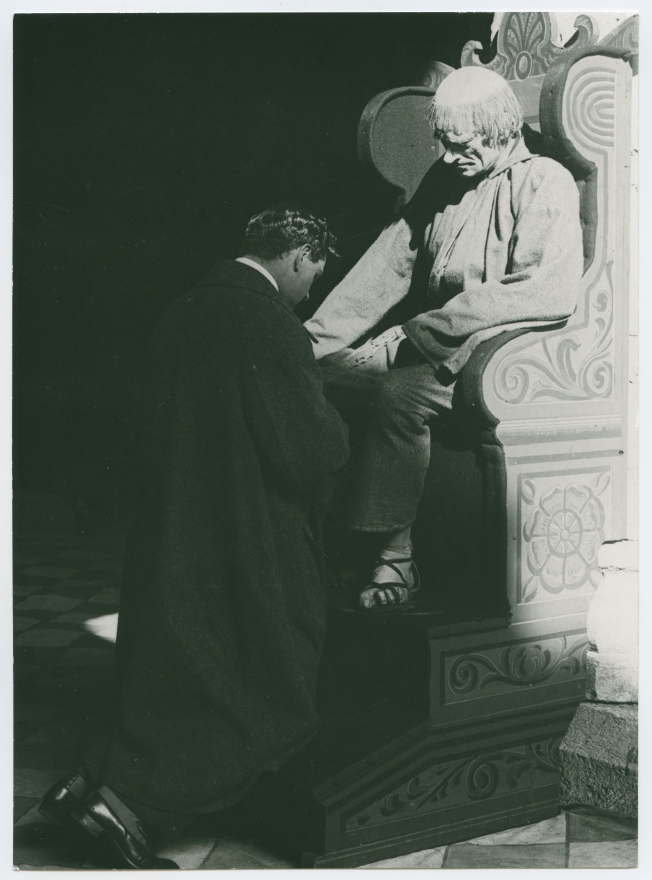
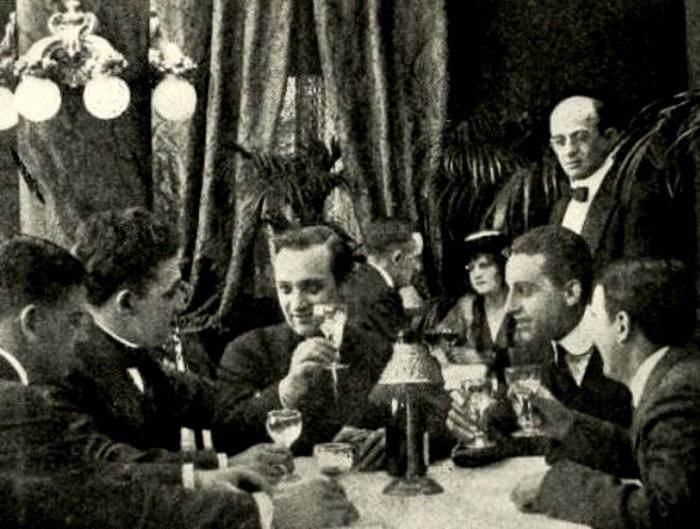
The action takes place at a seaside resort. The artist Armand, the widow Gaspard and her daughter Estelle, as well as the disguised abbot Prevost, trying to get Armand to go to the monastery.
Sven Elvestad, Martin Jørgensen, Émile Zola
Sweden
Imagine the chill of North-Sea brine on your collar while a brush dipped in ultramarine hovers between canvas and conscience—that is the tremulous heartbeat of Miraklet. There are films you watch; then there are films that watch you, siphoning confessions you never intended to give. This 1913 one-reel curio, exhumed f...
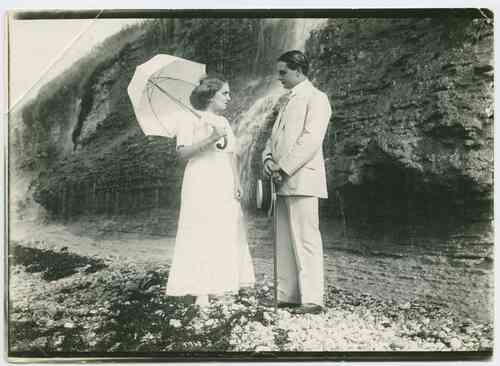
still_frame
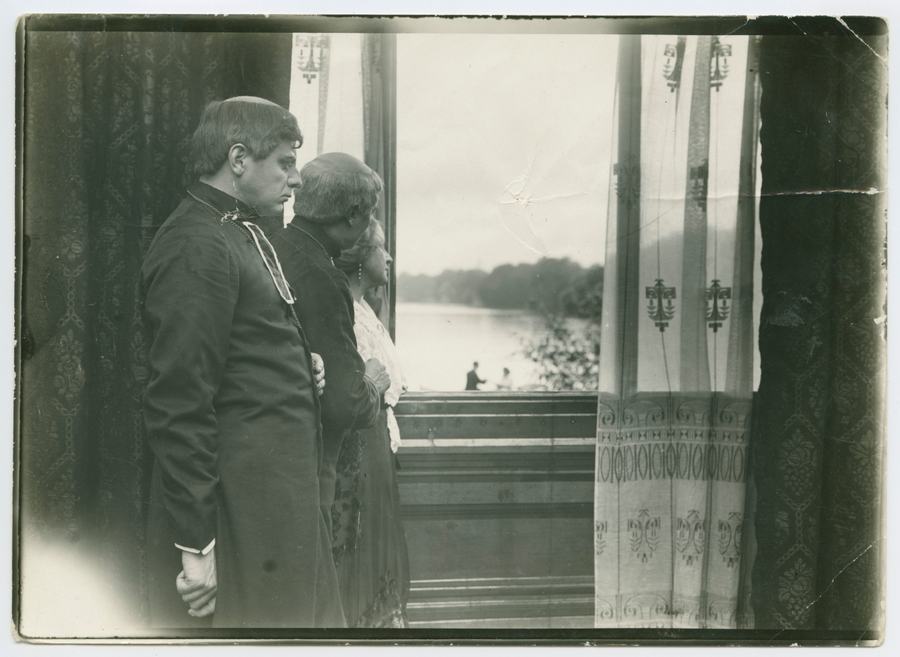
still_frame
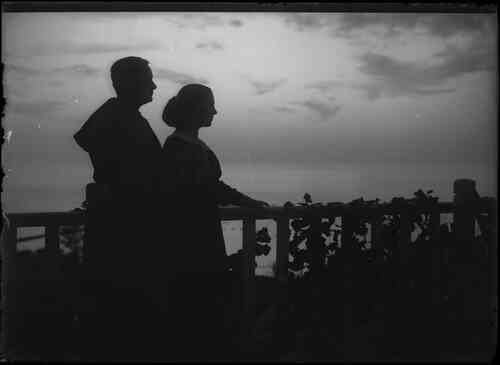
still_frame
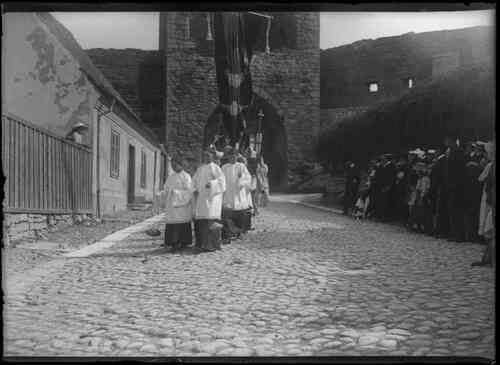
still_frame
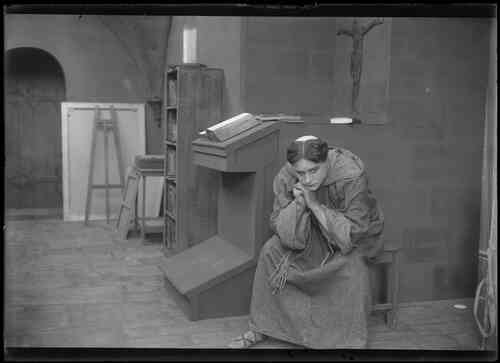
still_frame
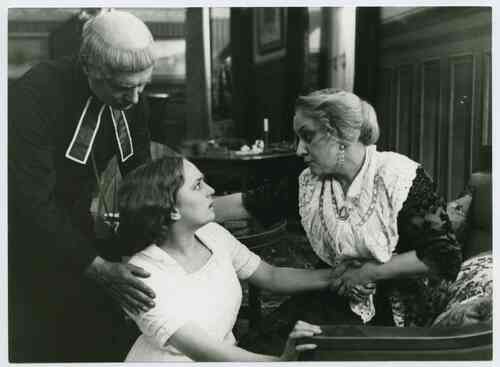
still_frame
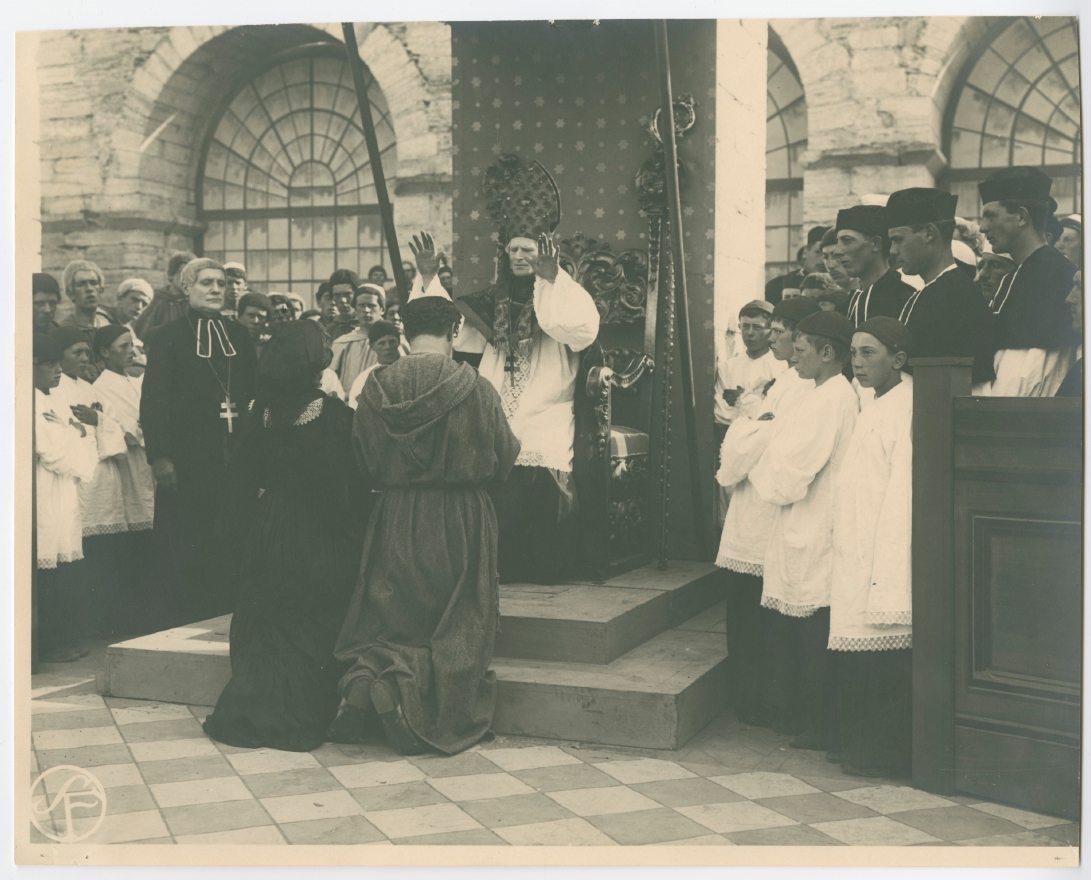
still_frame
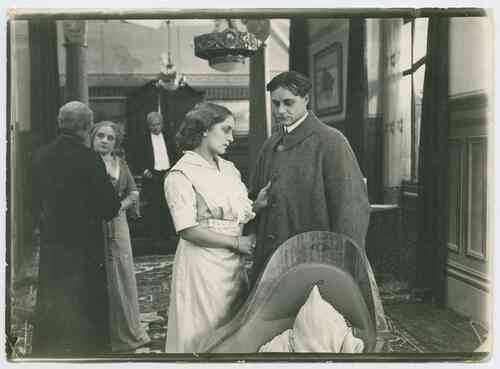
still_frame
Comparing the cinematic DNA and archive impact of two defining moments in cult history.
Victor Sjöström
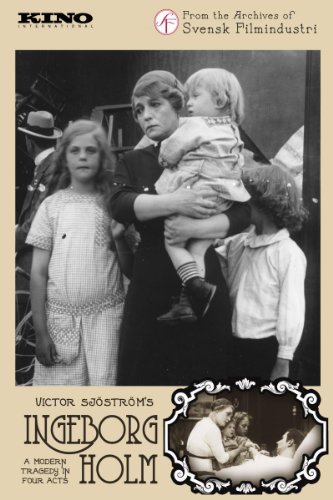
Victor Sjöström
Community
Log in to comment.
" Imagine the chill of North-Sea brine on your collar while a brush dipped in ultramarine hovers between canvas and conscience—that is the tremulous heartbeat of Miraklet. There are films you watch; then there are films that watch you, siphoning confessions you never intended to give. This 1913 one-reel curio, exhumed from the catacombs of Nordic silent cinema, belongs to the latter order. Director-prodigy Martin Jørgensen—borrowing the marrow of Zola’s naturalism yet lacquering it with Scandinav..."
Deep dive into the cult classic
Discover similar cinematic experiences
A Directorial Spotlight on Victor Sjöström