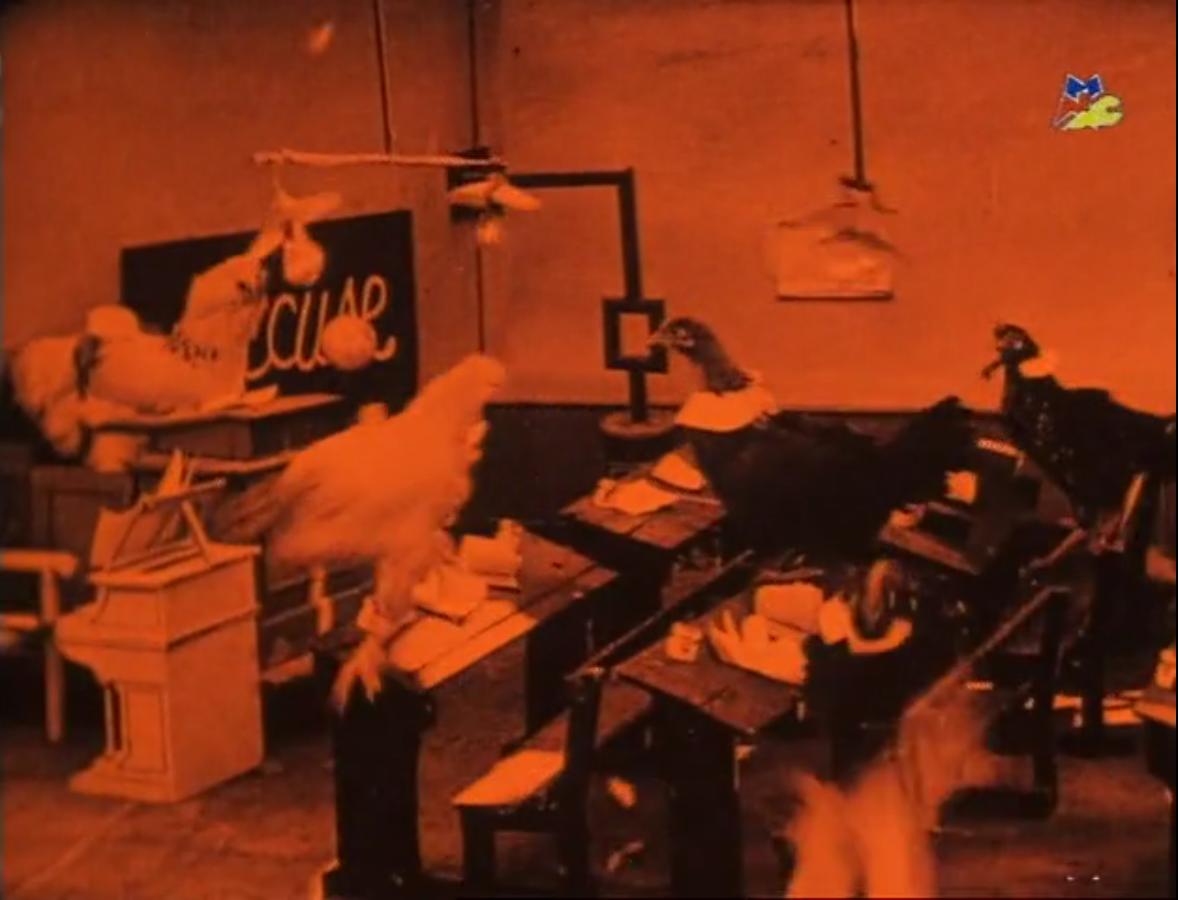
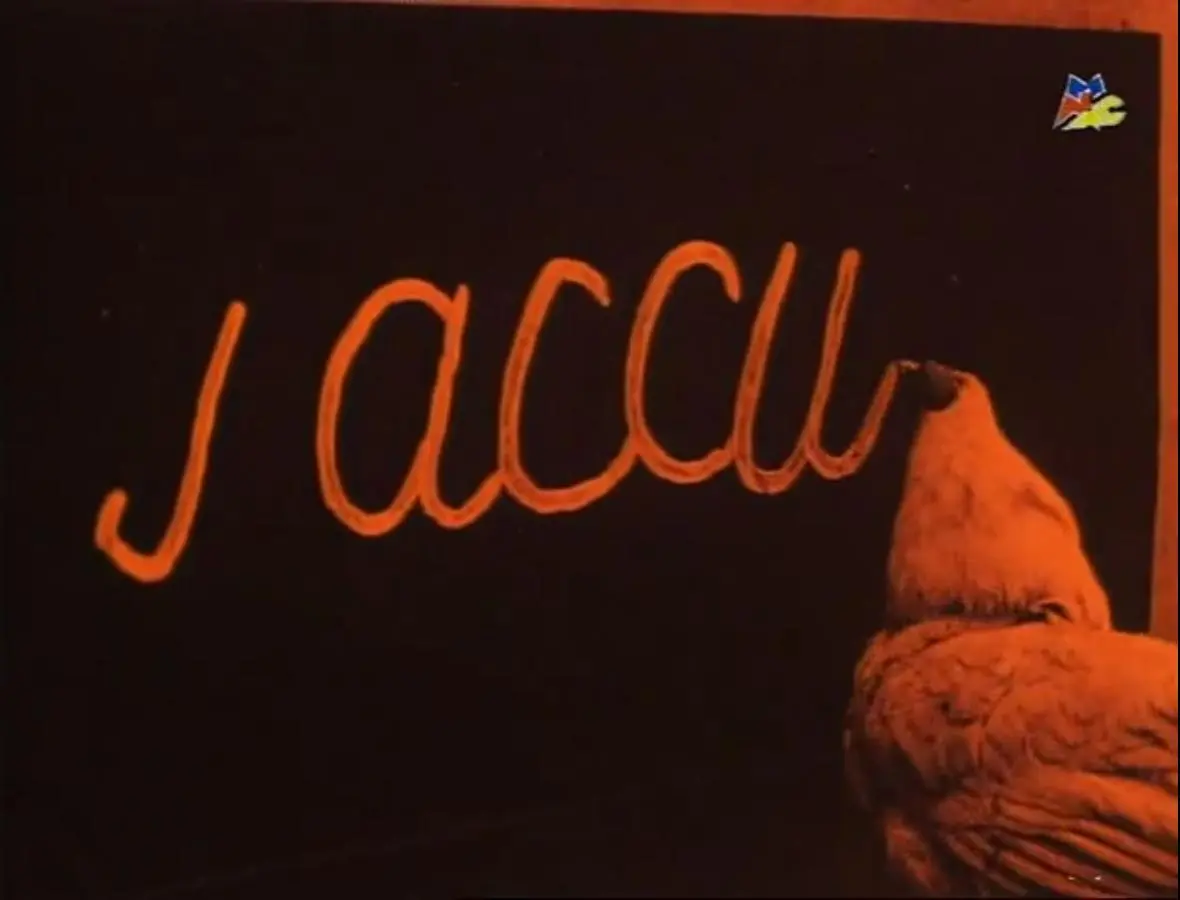
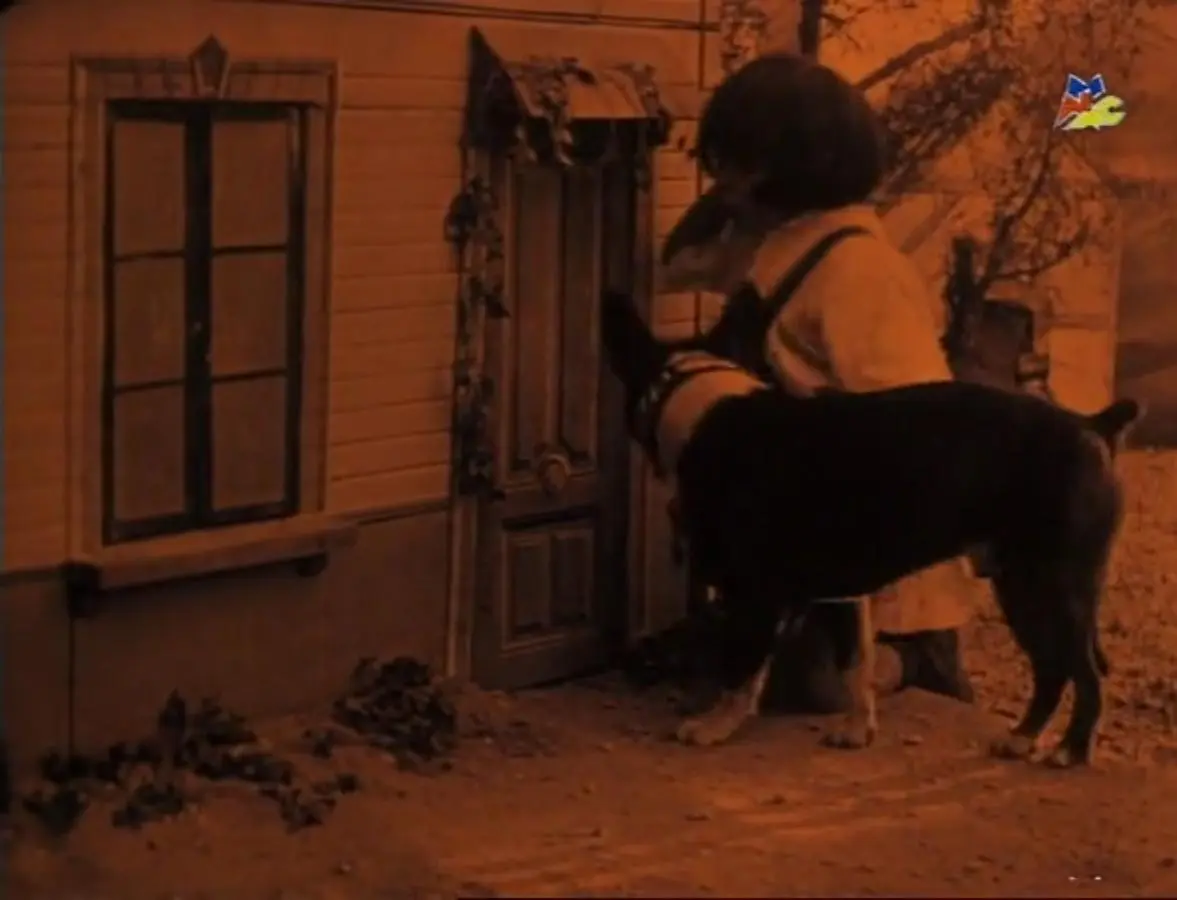
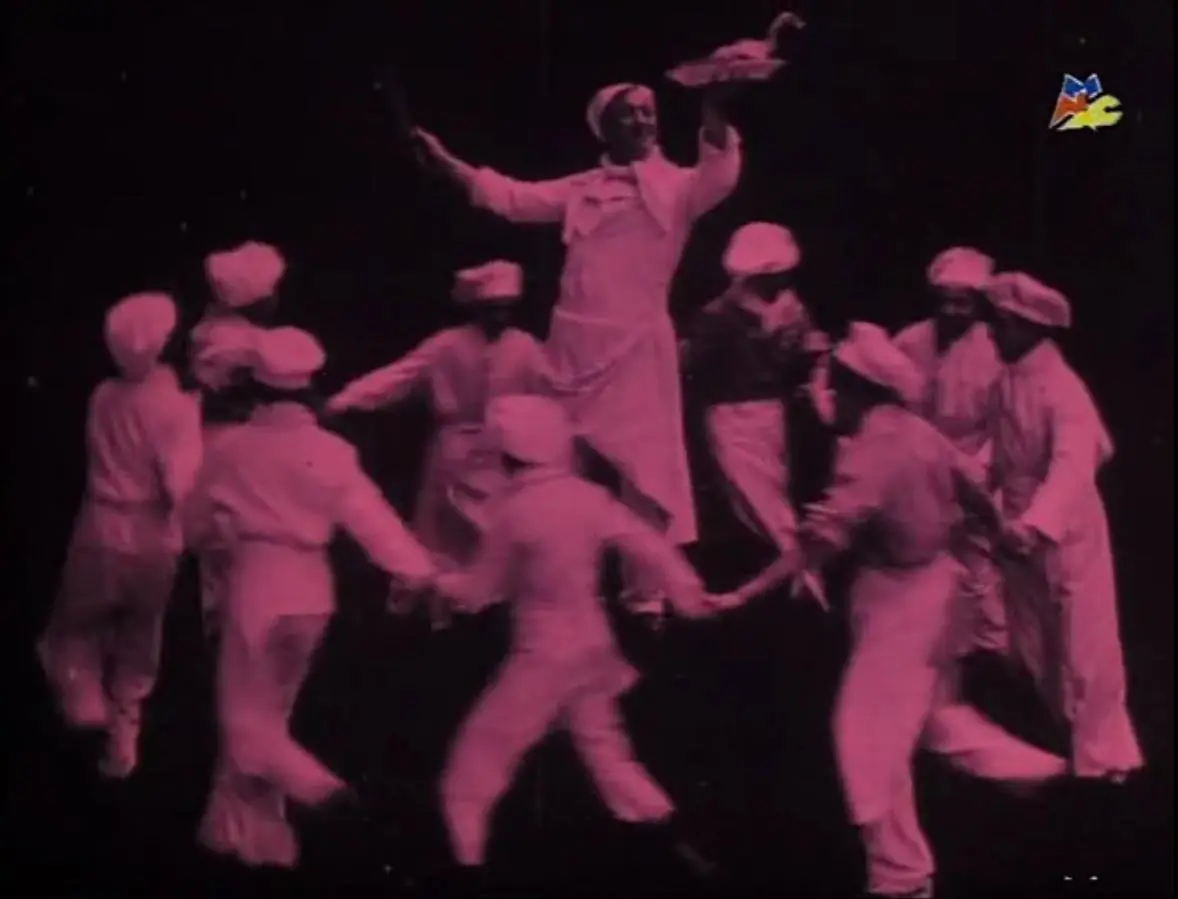
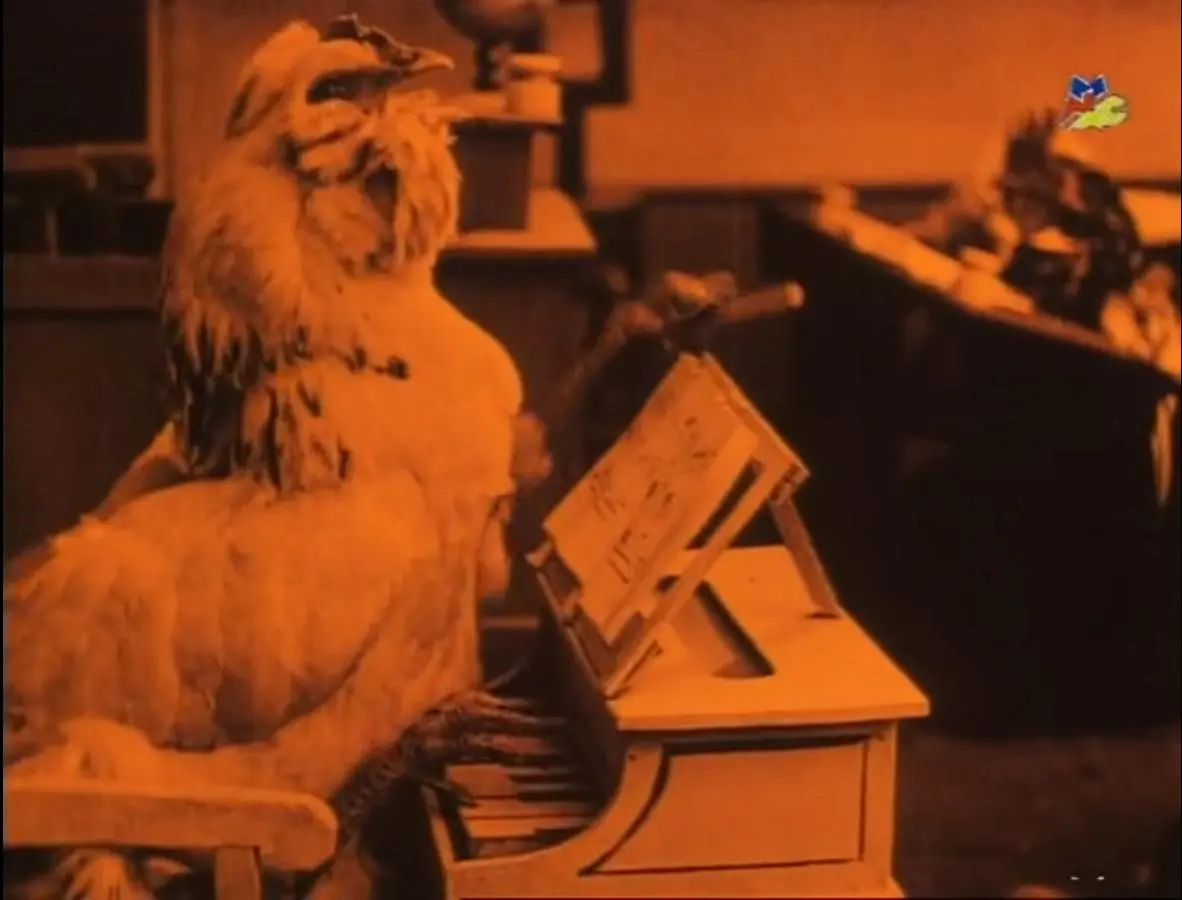
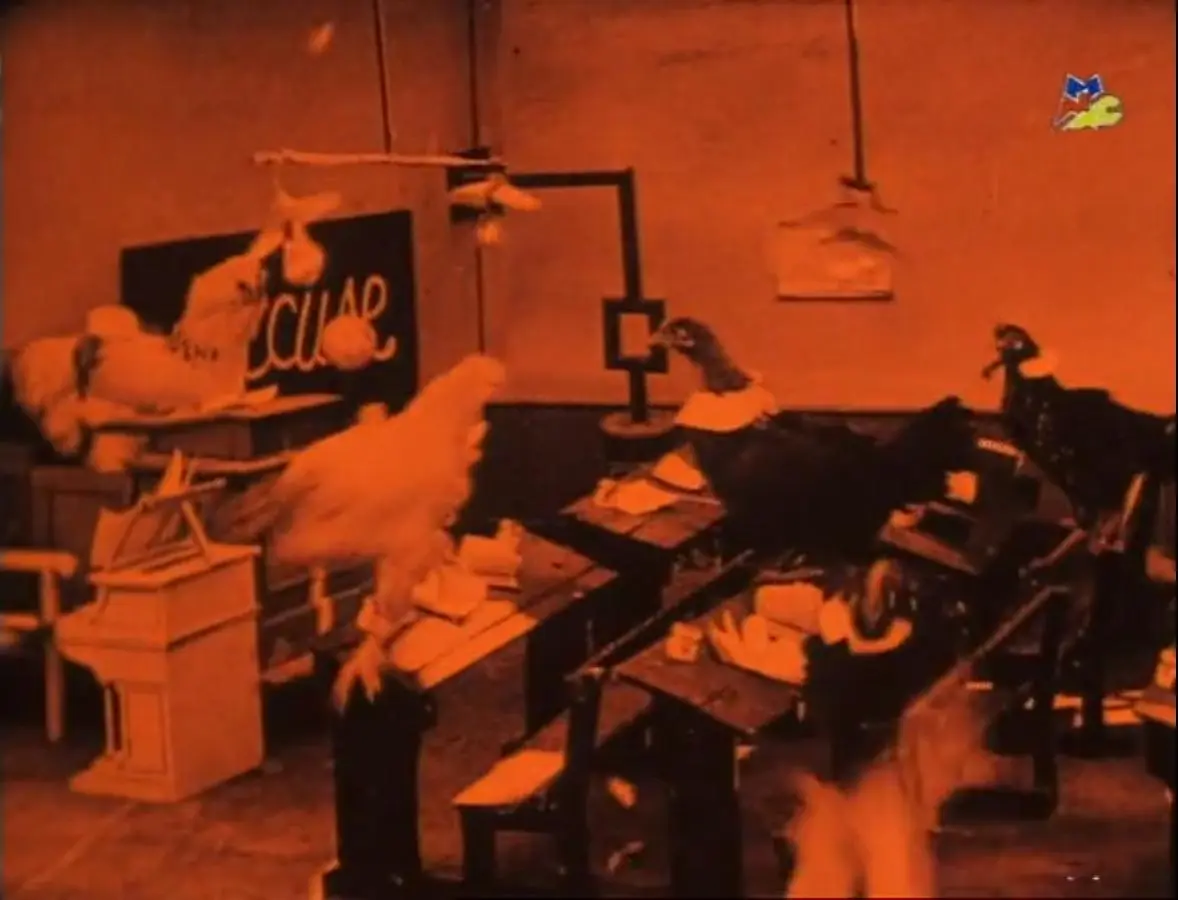
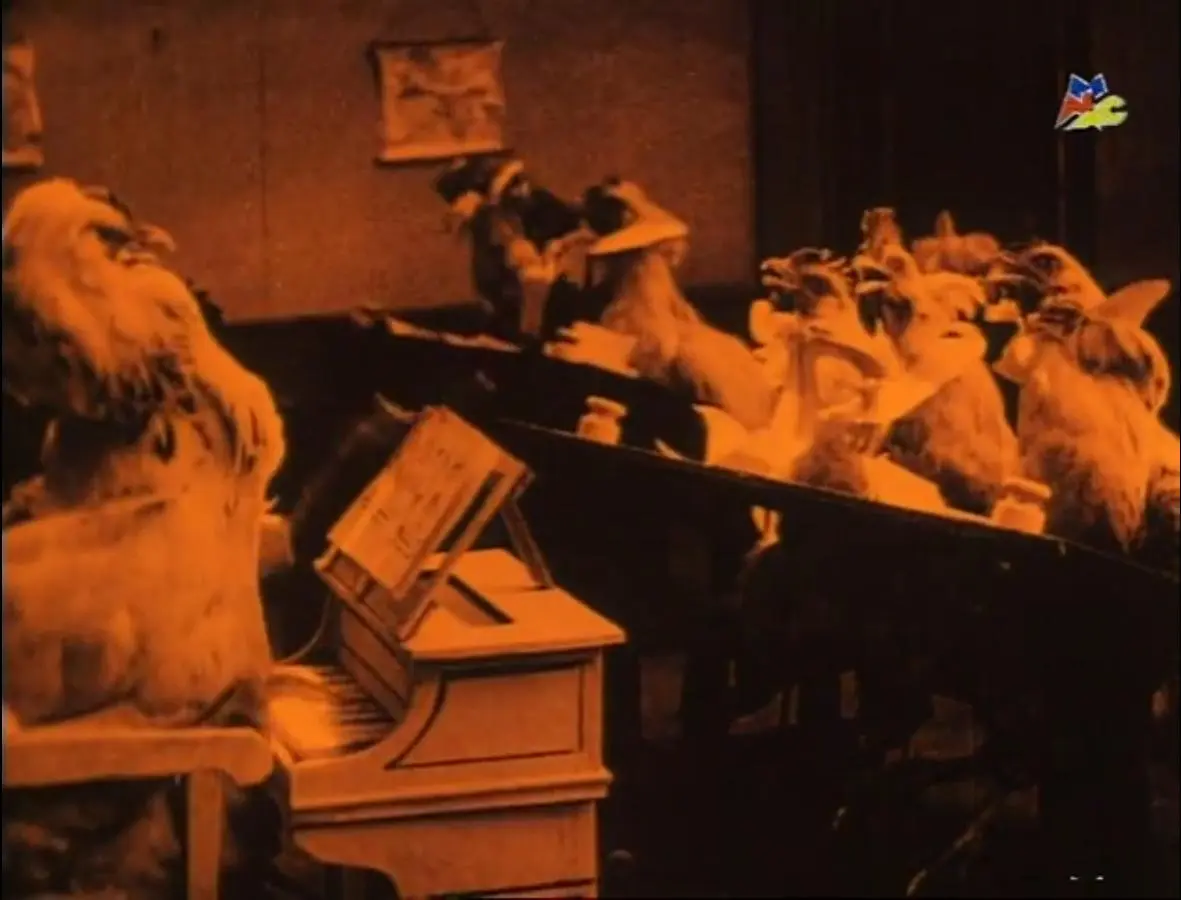
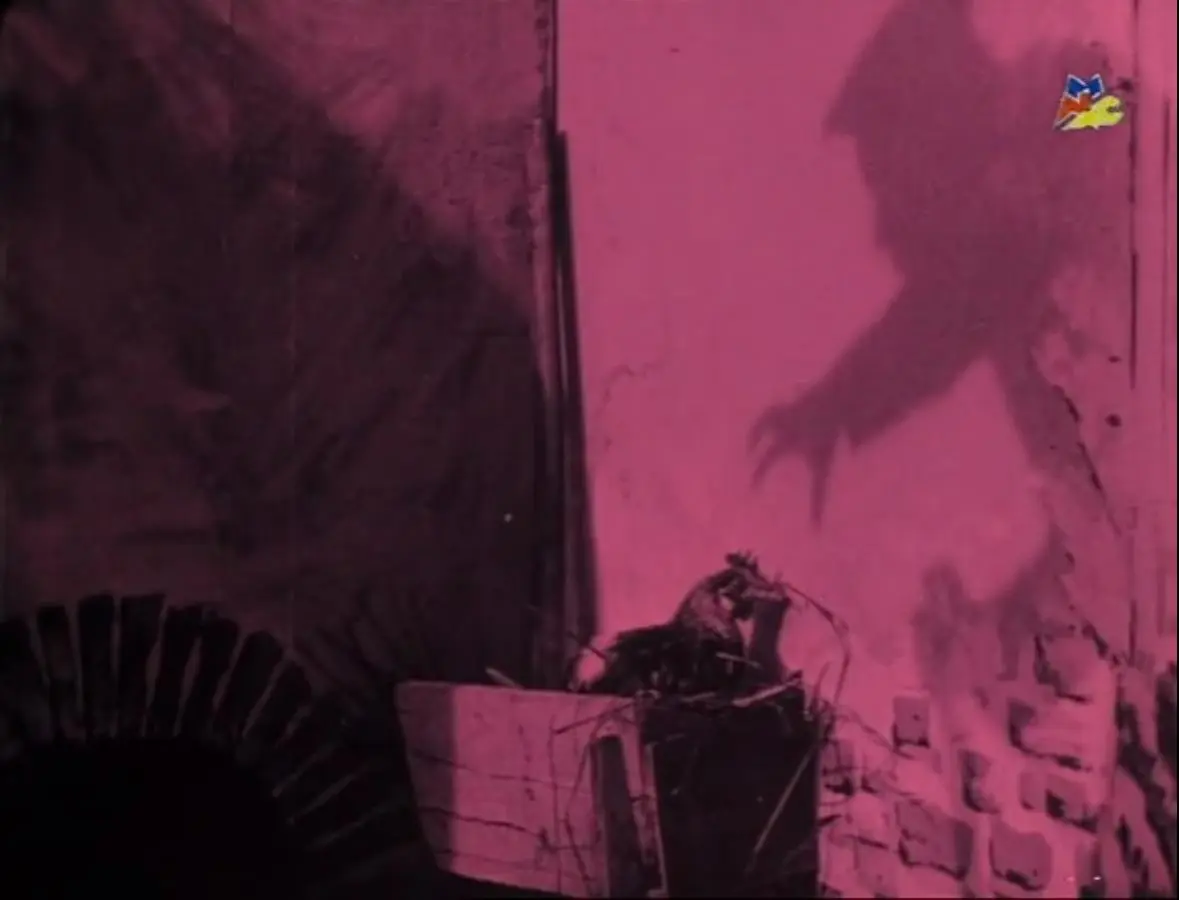
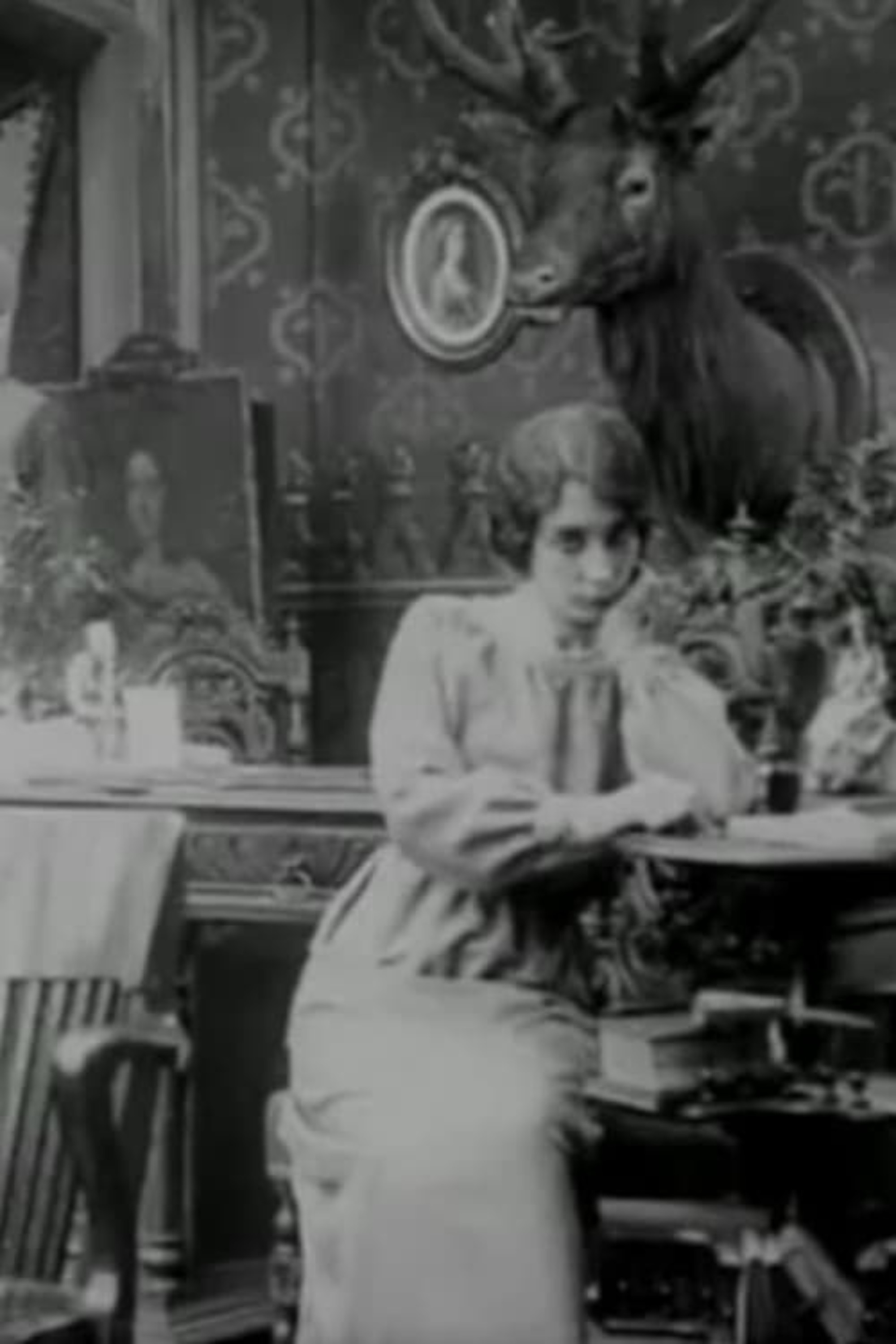
Parodic film entirely interpreted by animals. Tintin, the farmer's grandson, comes to spend his holidays at the farm.
France
Moi aussi, j'accuse: A Feathered Farce That Still Clucks with Insight Stepping back into the annals of early cinema, one occasionally unearths a gem so idiosyncratic, so utterly audacious in its conception, that it defies easy categorization. Moi aussi, j'accuse, a film helmed by the visionary du...
still_frame
still_frame
still_frame
still_frame
still_frame
still_frame
still_frame
still_frame
Comparing the cinematic DNA and archive impact of two defining moments in cult history.
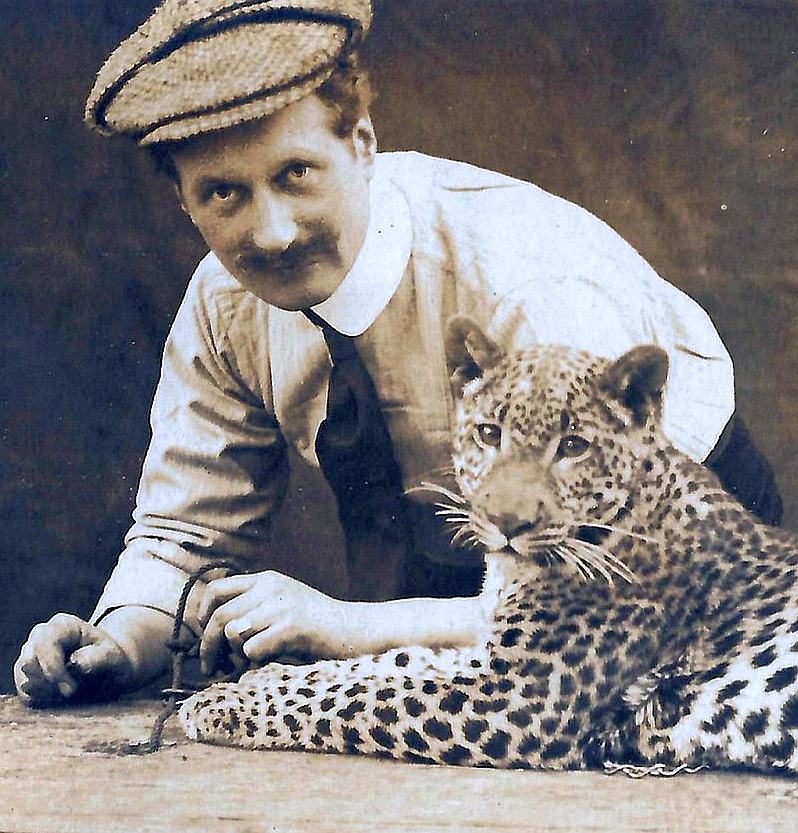
Alfred Machin
Alfred Machin
Community
Log in to comment.
" Moi aussi, j'accuse: A Feathered Farce That Still Clucks with Insight Stepping back into the annals of early cinema, one occasionally unearths a gem so idiosyncratic, so utterly audacious in its conception, that it defies easy categorization. Moi aussi, j'accuse, a film helmed by the visionary duo Alfred Machin and Henry Wulschleger, is precisely such a discovery. It’s not merely a curiosity; it is a profound, albeit profoundly whimsical, piece of art that utilized its sil..."
Deep dive into the cult classic
Discover similar cinematic experiences
A Directorial Spotlight on Alfred Machin